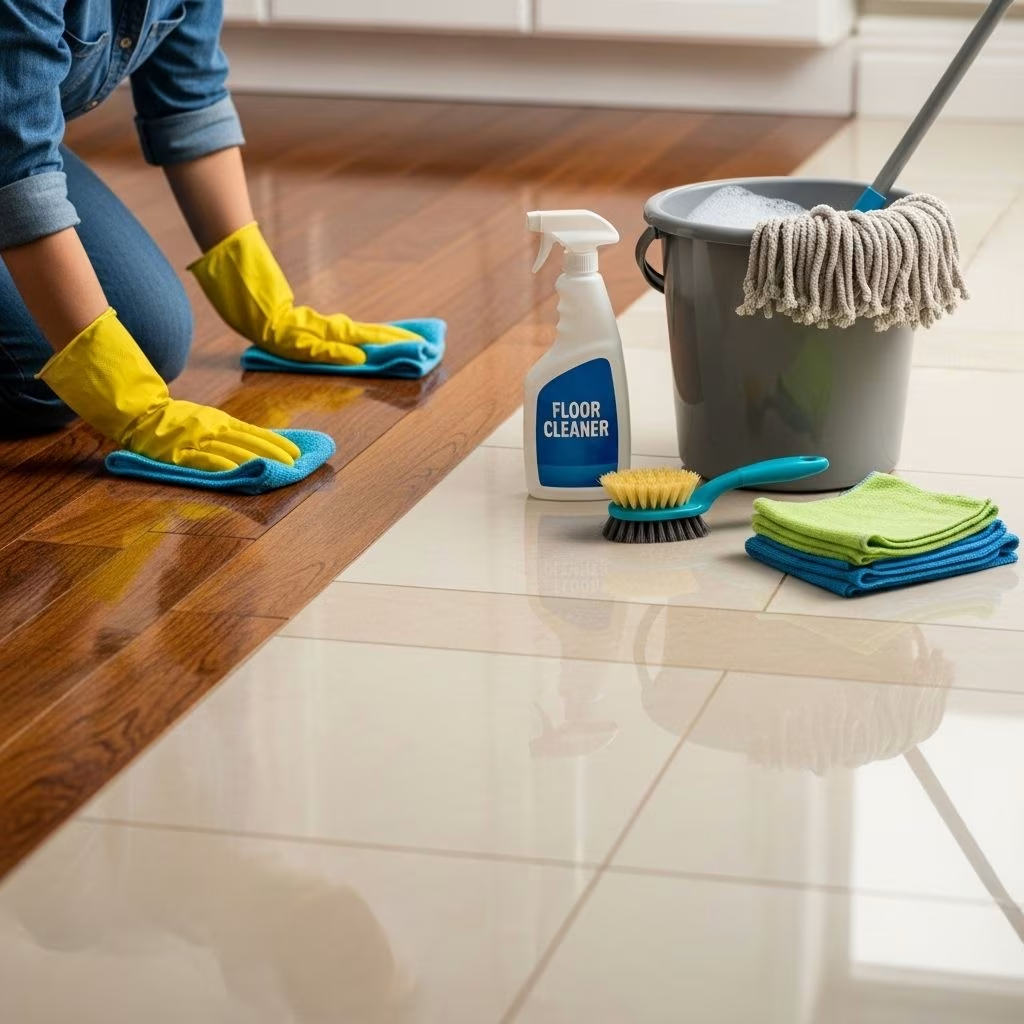
How to Clean Kitchen Floors: Comprehensive Guide for Every Surface
The kitchen floor is exposed to spills, high foot traffic, and splashes on a daily basis, making it one of the most critical surfaces to maintain for both hygiene and appearance. Whether your kitchen features gleaming tile, classic hardwood, practical laminate, or unique specialty surfaces, this guide offers expert techniques, product recommendations, and troubleshooting tips to ensure your floors are not just clean but preserved for long-term beauty and function.
Why Kitchen Floor Cleaning Is Essential
Kitchen floors are subject to:
- Frequent spills of food and liquids, leading to stains or sticky residues.
- High foot traffic that drags in dirt, sand, and grit, potentially scratching and dulling surfaces.
- Buildup of grease and crumbs, especially near cooking and prep areas.
Regular cleaning prevents damage, reduces allergens, keeps bacteria at bay, and maintains the overall appeal of your kitchen.
General Kitchen Floor Cleaning Steps
No matter the floor type, start with these universal steps:
- Sweep daily with an angled broom or dust mop to remove loose dirt and debris.
- Collect debris into a pile and finish with a dustpan by the garbage for easy disposal.
- Mop weekly with a cleaner suited for your floor type; avoid excess water that can seep into seams or grout.
- Treat corners and edges with a hand broom or an old sock sprayed with cleaner—dust loves to hide here.
- Dry the floor after mopping, either by air or with a clean towel, to prevent water spots or streaks.
How to Clean Tile Kitchen Floors
Tile floors are popular in kitchens for their durability and water resistance, but grout can trap dirt and bacteria. Clean tile floors as follows:
- Sweep or vacuum: Remove dust, crumbs, and loose debris before mopping.
- Mop with mild detergent: Mix a few drops of dish soap or recommended tile cleaner in warm water; damp mop rather than soak.
- Scrub grout lines: Use a small brush and a paste of baking soda and water; rinse thoroughly.
- Dry thoroughly: Wipe with a clean towel or allow to air dry; standing water can damage grout over time.
| Step | Reason |
|---|---|
| Sweep/Vacuum | Prevents scratching and streaks during mopping |
| Damp Mop | Removes sticky and greasy spots safely |
| Grout Scrub | Keeps grout white and bacteria-free |
| Dry | Prevents water spots and grout erosion |
Tips for Tile Floor Maintenance
- Seal grout every 6-12 months to prevent staining and make cleaning easier.
- Avoid harsh acidic cleaners that can etch tiles or break down grout sealer.
How to Clean Hardwood Kitchen Floors
Hardwood floors provide warmth and style but require cautious cleaning to avoid scratches and moisture absorption.
- Use a soft broom or vacuum with a floor brush attachment. Hard bristles or beater bars can scratch the wood.
- Mop sparingly: Dampen—not soak—a microfiber mop with a solution, such as one-fourth cup of a gentle multi-surface cleaner (not vinegar) in a gallon of water. Wring out excess liquid before touching the floor.
- Spot clean: Immediately wipe up spills with a dry or slightly damp cloth.
- Finish with dry mop: Go over the floor with a dry cloth or swivel-head mop to remove lingering dust and leave a shine.
Do Not:
- Use acidic cleaners like vinegar or abrasive powders, as these can dull the finish.
- Allow standing water or wet spots to sit; moisture can warp or stain wood.
Hardwood Floor Maintenance Tips
- Apply recommended wood floor finish or refresher annually.
- Place mats at entrances to catch grit before it reaches the floor.
- Use furniture pads to prevent scratch marks.
How to Clean Laminate Kitchen Floors
Laminate flooring mimics the look of wood or stone but is more resistant to scratches and water. However, care is needed to avoid damaging the seams.
- Dry cleaning: Sweep or vacuum regularly with a soft brush attachment.
- Mop safely: Use a damp (not wet) microfiber mop and a cleaner formulated for laminate floors.
- Spot clean: For sticky spills, promptly wipe up with a damp cloth, then dry.
- Dry after mopping: Prevent water from seeping into seam gaps that can cause swelling.
Laminate Floor Care Dos and Don’ts
- Never use wax or polish; laminate does not absorb and it will cause a sticky residue.
- Avoid steam mops or wet mops, which can damage laminate by forcing water into seams.
How to Clean Specialty Kitchen Floors
Vinyl
- Sweep or vacuum frequently; grit scratches vinyl.
- Mop with warm water and a small amount of dish soap or vinyl floor cleaner.
- Rinse and dry thoroughly.
Natural Stone
- Dust mop to remove loose debris.
- Use pH-neutral stone-cleaning solutions; never use vinegar or acidic products, which damage natural stone.
- Wipe up spills immediately, especially anything acidic.
Other Surfaces (Concrete, Cork)
- Seal concrete and cork as directed to prevent staining and water absorption.
- For cork, use minimal water; mop with a barely damp cloth and mild soap.
Common Kitchen Floor Cleaning Mistakes
- Using too much water on wood, laminate, or cork floors, leading to swelling and warping.
- Employing abrasive brushes or pads on delicate surfaces, causing scratches.
- Relying on harsh chemicals that can erode finishes, discolor tiles, or degrade grout and stone.
- Neglecting grout or seams, where bacteria and dirt often hide.
Frequently Asked Questions (FAQs)
Q: How often should I clean my kitchen floor?
A: Sweep daily and mop weekly; spot clean spills immediately for best results.
Q: Can I use the same cleaner for all kitchen floors?
A: No. Each floor type requires a specific cleaner—acidic solutions like vinegar can dull hardwood and stone, while wax can damage laminate.
Q: What is the best way to clean corners and edges?
A: Use a hand broom or place an old sock over your hand, spritz with cleaner, and wipe the perimeter for a thorough clean.
Q: How do I prevent streaks after mopping?
A: Dry the floor immediately after mopping with a clean towel or microfiber mop to prevent streaks and water spots.
Q: Are steam mops safe for kitchen floors?
A: Steam mops are generally safe for tile and vinyl, but can damage hardwood, laminate, and specialty materials unless manufacturer-approved.
Quick Kitchen Floor Cleaning Tips
- Start cleaning toward the garbage can for efficient disposal of debris.
- Use a hand-held broom for spot cleanups or tight spaces.
- Keep mats at exterior doors to minimize tracked-in dirt.
- Utilize microfiber mops for all surfaces—gentle, effective, and virtually streak-free.
- Always check manufacturer care instructions for specialized flooring before using new products.
Recommended Products and Tools
- Angled broom: For sweeping under cabinets and into corners.
- Microfiber mops: Trap dust, clean thoroughly, and minimize water usage.
- Gentle floor cleaners: Choose specially formulated solutions for hardwood, tile, and laminate; avoid universal ‘multipurpose’ cleaners unless manufacturer-approved.
- Grout brush: For tile and stone grout cleaning.
- Soft towels: For drying floors and buffing hardwood for shine.
Troubleshooting Kitchen Floor Cleaning Challenges
Stubborn Grease or Residue
- For greasy spots, use a degreaser or a mix of hot water and a drop of dish soap; rinse and dry promptly.
Sticky Spills
- Remove sticky stains with damp microfiber cloth and mild soap.
Cloudy or Dull Finish
- For hardwood, buff with a dry cloth after cleaning to restore shine.
- Check for product buildup from repeated use of inappropriate cleaners, and switch to recommended brands.
Mold or Mildew in Grout
- Scrub affected area with baking soda and water paste, rinse, and dry thoroughly.
Maintenance Tips for Long-Lasting Kitchen Floors
- Clean up spills immediately to prevent staining and surface damage.
- Trim pets’ nails to avoid scratches, especially on wood and laminate.
- Use felt pads under chairs and tables to avoid scarring the surface.
- Schedule annual deep cleaning or resealing for stone, grout, or wood floors as recommended.
Floor Care Comparison Table
| Floor Type | Cleaning Agent | Water Usage | Key Precautions |
|---|---|---|---|
| Tile | Mild soap or tile cleaner | Moderate | Avoid acidic solutions; seal grout |
| Hardwood | Gentle wood cleaner | Minimal | No vinegar or soaking; dry promptly |
| Laminate | Laminate floor cleaner | Minimal | No wax/polish; damp mop only |
| Vinyl | Dish soap/vinyl cleaner | Low to moderate | Dry quickly to avoid streaks |
| Natural Stone | pH-neutral stone cleaner | Minimal | Avoid acid; dry spills immediately |
Expert Advice for Spotless Kitchen Floors
Consistent care is the secret to beautiful kitchen floors. Follow sweeping and mopping routines suited to your floor’s material, use gentle cleaning products, and avoid common mistakes that can lead to stains, scratches, or warping. With these expert tips, your kitchen floor will serve as a resilient, hygienic foundation for the heart of your home.