How to Make Creamy Oat Milk at Home
If you’re searching for a delicious, plant-based, and cost-effective alternative to dairy milk, homemade oat milk is the answer. In just a few minutes and with a handful of pantry staples, you can have smooth, creamy oat milk perfect for coffee, cereal, baking, and much more. Skip the additives and enjoy fresh flavor and customizable sweetness—let’s dive in!
What Is Oat Milk?
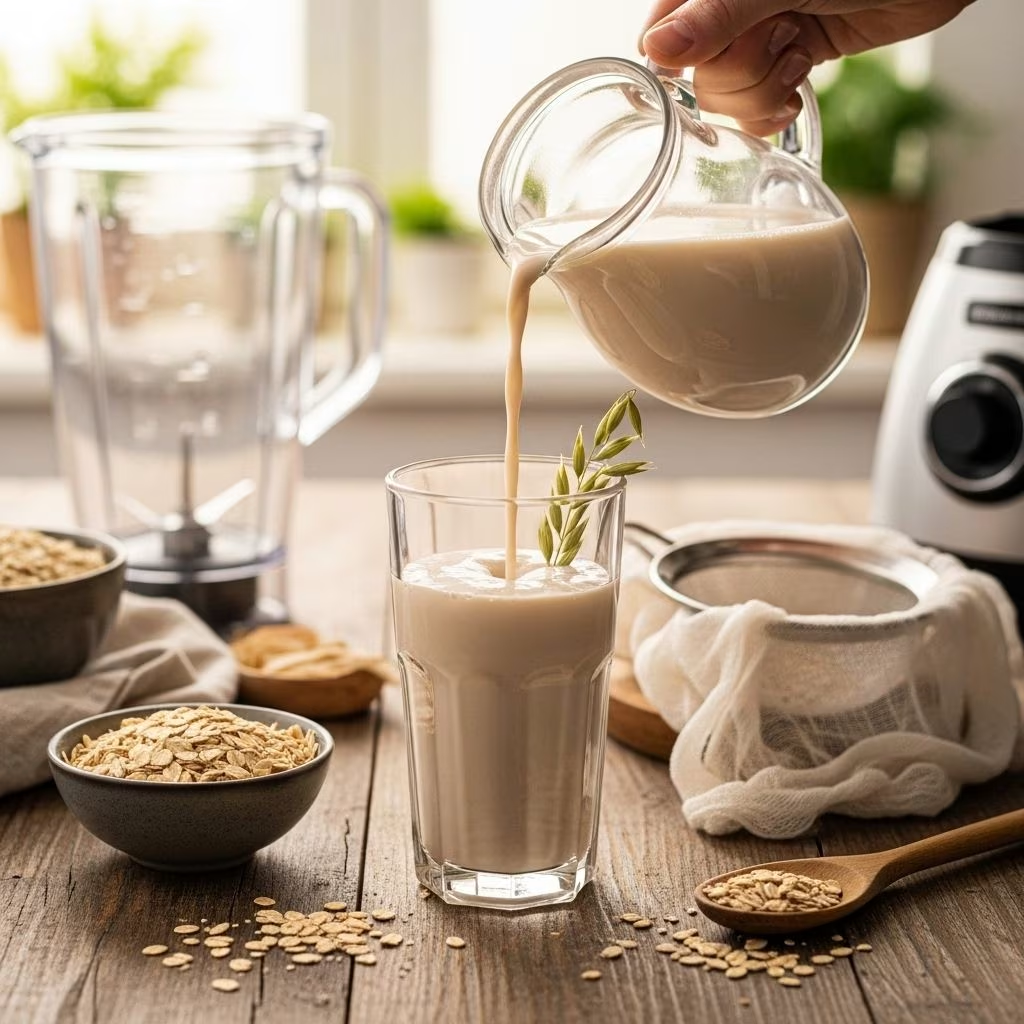
Oat milk is a non-dairy beverage made by blending oats and water, then straining the mixture to produce a creamy liquid. Compared to other plant-based milks, oat milk is celebrated for its mild, naturally sweet flavor, velvety texture, and versatility in both sweet and savory recipes. Plus, making oat milk at home allows you to control the ingredients and avoid unwanted thickeners or oils that are common in commercial brands.
Why Choose Homemade Oat Milk?
- Fresh flavor: No preservatives or stale aftertaste—just natural sweetness from whole oats.
- No unnecessary additives: Skip the added oils, gums, and stabilizers often found in store-bought oat milks.
- Cost-effective: A fraction of the price of prepackaged brands, especially when made in batches.
- Eco-friendly: Reduce waste by avoiding single-use cartons and packaging.
- Customizable: Easily adjust sweetness, flavorings, and thickness to your preference.
Homemade Oat Milk Recipe
Ingredients
- ½ cup whole rolled oats (use certified gluten-free oats if needed)
- 3 cups filtered water
- 2 teaspoons maple syrup (optional, for sweetness)
- ½ teaspoon vanilla extract (optional, for flavor)
- ⅛ teaspoon sea salt (optional, to enhance taste)
Instructions
- Combine oats, water, maple syrup, vanilla extract, and salt in a powerful blender.
- Blend for 30 seconds until the water looks creamy and opaque. Do not over-blend, as this can make the oat milk slimy.
- Strain the mixture through a fine mesh strainer or a thin cloth over a large bowl. Avoid pressing or squeezing the oat pulp, which keeps the milk from turning gummy or grainy. Let gravity do the work.
- (Optional) Strain again for extra smoothness. Discard oat pulp each time.
- Taste and adjust sweetness by adding more maple syrup, if desired.
- Chill the oat milk in a clean jar or bottle. For best flavor, refrigerate before serving. Don’t shake; instead, let any remaining oat particles settle and pour off the creamy milk from the top.
Tips for Perfect Oat Milk (Avoid Grit and Sliminess)
- Use cold, filtered water. Warm water increases sliminess.
- Do not over-blend. Stop at ~30 seconds or just until creamy.
- Avoid squeezing or wringing the strainer. Pressing forces excess starch into the milk, causing gumminess.
- Strain twice for ultra-smooth texture.
- Choose whole rolled oats. Instant or steel-cut oats yield a less desirable consistency.
Flavor Variations and Customizations
- Chocolate Oat Milk: Blend in 1–2 tablespoons unsweetened cocoa powder before straining, and increase sweetener if needed.
- Cinnamon Oat Milk: Add ½ teaspoon ground cinnamon for a cozy note—perfect over granola or fruit.
- Berry Oat Milk: Blend in a handful of fresh or frozen strawberries or blueberries; strain as usual.
- Unsweetened Oat Milk: Simply omit maple syrup and vanilla.
Oat Milk Nutrition & Health Benefits
- Low fat and calories: About 80–120 calories per cup, depending on add-ins.
- Naturally sweet: Oats impart mild sweetness. Many find they don’t need extra sugar.
- Low allergen risk: Free from nuts, dairy, and soy. Gluten-free if certified oats are used.
- Rich in fiber: Contains beta-glucans, which can support heart health and digestion.
- Environmentally friendly: Oats require less water and land than nut crops, making oat milk a more sustainable beverage.
How Does Oat Milk Compare to Other Plant Milks?
| Type | Texture | Flavor | Main Allergen | Best Uses |
|---|---|---|---|---|
| Oat Milk | Creamy, smooth | Mild, slightly sweet | Gluten (if not GF) | Coffee, cereal, baking |
| Almond Milk | Light, thin | Nuttier, mildly sweet | Nuts | Baking, cereal, smoothies |
| Soy Milk | Creamy | Earthy, bean-like | Soy | Coffee, cooking, cereal |
| Coconut Milk | Very creamy/fatty | Distinct coconut | Coconut | Baking, curries, desserts |
How to Store and Use Homemade Oat Milk
- Storage: Keep in a sealed glass jar or bottle in the refrigerator for up to 4–5 days. Shake gently before pouring, or let pulpy bits settle and pour off the top.
- Freezing: Avoid freezing, as oat milk may separate and change texture upon thawing.
- Troubleshooting: If your oat milk thickens or separates, simply stir gently or strain again for smoothness.
- Flavor tip: For best flavor, chill before enjoying. Add ice if drinking immediately after blending.
Ways to Use Homemade Oat Milk
- Foam for lattes, cappuccinos, or hot chocolate
- Poured over cereal, oatmeal, or granola
- In smoothies, shakes, and protein drinks
- As a dairy substitute in baking (cakes, muffins, pancakes)
- Blended into soups, sauces, or creamy curries
- Enjoyed straight from the fridge as a refreshing glass of cold oat milk
Frequently Asked Questions About Oat Milk
Why did my oat milk turn out slimy?
If you over-blend or press the mixture through the strainer, excess starch escapes into the milk, making it slimy. For best results, blend briefly and strain gently—never squeeze the pulp.
How long does homemade oat milk last?
It will keep refrigerated for 4–5 days. Always smell and taste before using—if sour or off-flavored, discard and make a fresh batch.
Is oat milk gluten-free?
Only if you use certified gluten-free oats. Regular oats may be cross-contaminated during processing, so always check packaging if gluten is a concern.
Can I sweeten it with something other than maple syrup?
Yes! Try honey, agave, dates, or even flavored stevia drops. Add to the blender with other ingredients before straining.
What can I do with leftover oat pulp?
Stir it into muffin or pancake batter, blend into smoothies for extra fiber, or bake into granola bars. Store oat pulp in the fridge and use within a few days.
Does homemade oat milk froth for coffee?
Homemade oat milk can be frothed with a steam wand or a handheld frother. For thicker foam, try blending in a tablespoon of neutral oil or a pinch of sunflower lecithin before straining.
Bonus Tips for Next-Level Oat Milk
- For a barista-style oat milk, blend in a small amount (1–2 teaspoons) of sunflower oil to mimic the creamy, café texture.
- Flavor your oat milk with a dash of cardamom, nutmeg, or a splash of strong espresso for a homemade latte base.
- For extra protein, blend in a tablespoon of hemp hearts, chia seeds, or silken tofu before straining.
- Always use fresh oats—old or rancid oats will impact both the flavor and the mouthfeel.
Oat Milk FAQs
Q: Is oat milk suitable for children?
A: Yes, oat milk is generally suitable for children, especially for those with nut, soy, or dairy allergies. However, note that homemade oat milk is not a complete infant formula substitute—check with a pediatrician for advice for those under 2 years old.
Q: Can I heat homemade oat milk?
A: Yes, but heat gently. High heat can cause homemade oat milk to thicken or separate due to the presence of starch. Stir frequently and avoid boiling.
Q: Can I use oat milk for savory recipes?
A: Absolutely! Oat milk’s neutral taste makes it ideal for soups, creamy sauces, and savory baking. For savory recipes, simply skip the vanilla and sweetener.
Q: Is oat milk healthier than dairy milk?
A: Oat milk is lower in saturated fat and contains fiber, but has less protein and may lack certain micronutrients found in cow’s milk. It can be a healthful choice within a balanced diet.
Summary: Why You’ll Love Homemade Oat Milk
- Smooth, creamy, and naturally sweet—even without added sugar
- Endlessly customizable to your tastes and health needs
- No unwanted oils or preservatives
- Ready in minutes with minimal equipment
- Reduces packaging waste and saves money
With this easy oat milk recipe and expert tips, making fresh, creamy, and customizable oat milk at home is fast, affordable, and delicious. Try it in your next coffee or smoothie, and taste the difference!