


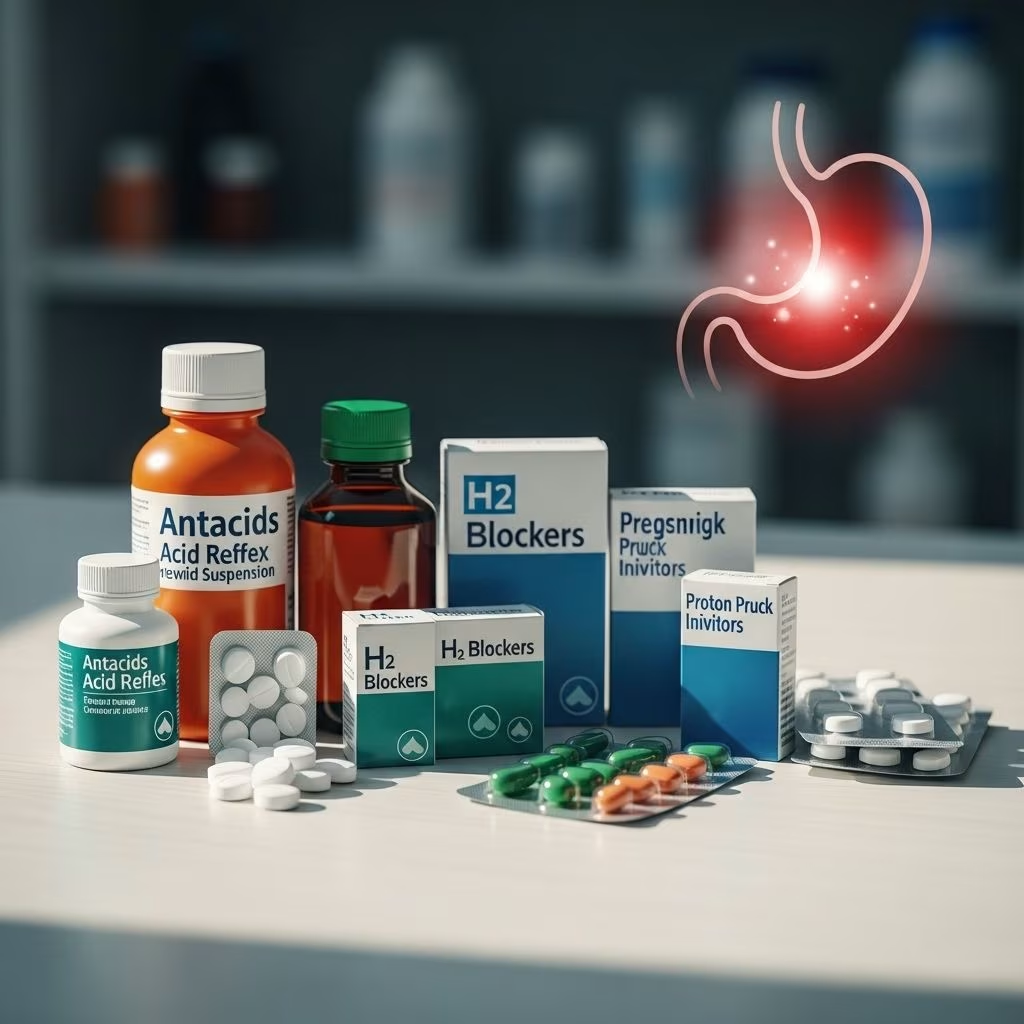
Acid reflux, also commonly referred to as heartburn, is a prevalent digestive condition affecting millions worldwide. For many, occasional episodes can be uncomfortable but manageable at home. Over-the-counter (OTC) remedies offer fast-acting and accessible relief, but choosing the right medication and using it safely is crucial for effective management. This guide provides an in-depth look at every aspect of OTC acid reflux remedies, from classic antacids to advanced proton pump inhibitors, explaining how each works, their benefits, potential risks, and best practices for use.
Understanding Acid Reflux
Acid reflux occurs when the acidic contents of the stomach move backward into the esophagus, resulting in a burning sensation known as heartburn. This happens most frequently due to a poorly functioning lower esophageal sphincter (LES), which acts as a valve between the stomach and esophagus. Recurrent acid reflux can progress to gastroesophageal reflux disease (GERD), which may cause long-term complications if not managed effectively.
Common symptoms include:
- Burning chest pain or discomfort (heartburn)
- Regurgitation of food or sour liquid
- Bloating and belching
- Difficulty swallowing (in more severe cases)
Triggers for acid reflux commonly involve fatty or fried foods, spicy meals, large portions, lying down soon after eating, alcohol, carbonated beverages, and some medications.
Types of Over-the-Counter Remedies
Many OTC products can alleviate acid reflux symptoms. These medications generally fall into three categories:
- Antacids: Neutralize stomach acid for rapid, short-term relief.
- Histamine-2 Receptor Antagonists (H2 Blockers): Reduce acid production, offering longer-lasting but slower relief.
- Proton Pump Inhibitors (PPIs): Profoundly suppress acid production for sustained control—especially in frequent sufferers.
Each class works differently, and choosing the right treatment depends on symptom frequency, severity, and individual patient needs.
OTC Remedy Comparison Table
| Type | Mode of Action | Brand Examples | Onset | Duration | Best For |
|---|---|---|---|---|---|
| Antacids | Neutralize existing stomach acid | Tums, Rolaids, Mylanta, Maalox, Alka-Seltzer, Gaviscon | Within minutes | 1–2 hours | Occasional, mild symptoms |
| H2 Blockers | Block histamine-driven acid production | Pepcid (famotidine), Tagamet (cimetidine), Zantac 360 (famotidine) | 30–60 minutes | 6–12 hours | Less frequent recurrence, symptom prevention |
| Proton Pump Inhibitors (PPIs) | Shut down acid pumps in stomach lining | Prilosec OTC (omeprazole), Nexium 24HR (esomeprazole), Prevacid 24HR (lansoprazole) | 1–4 days (peak effect) | Up to 24 hours per dose; greatest with consistent use | Frequent, persistent symptoms (GERD) |
Antacids: Fast Relief, Short Action
Antacids are widely available, affordable, and provide rapid (often within minutes) relief by directly neutralizing stomach acid.
Key formulations include:
- Magnesium-based antacids: Maalox, Mylanta. Rapid-acting, but may cause diarrhea with excessive use.
- Aluminum-based antacids: Amphojel. Can cause constipation if used frequently.
- Calcium-based antacids: Tums, Rolaids, Caltrate. Effective for fast relief, but may cause constipation and, at high doses, potentially high blood calcium levels.
- Sodium bicarbonate-based: Alka-Seltzer. Work quickly, but not suitable for people on sodium-restricted diets or with heart/kidney issues.
- Combination products: Gaviscon (aluminum and magnesium carbonate). Gaviscon forms a foamy raft on top of stomach contents to help block acid reflux in addition to neutralizing acid directly.
Antacids are suitable for mild, occasional heartburn but do not address the underlying cause, nor do they prevent future episodes. Chewable forms must be chewed thoroughly, and liquids often bring faster relief. The optimal time for antacid use is after meals or at the onset of symptoms.
Potential side effects are mild with short-term use but can include diarrhea (magnesium), constipation (calcium or aluminum), electrolyte imbalances (with overuse), and rarely, kidney stones or metabolic disturbances.
Limitations and Warnings
- Chronic/frequent use may mask more serious underlying conditions (such as GERD or even cardiac disease); users should seek medical advice if they are taking antacids regularly.
- Sodium bicarbonate antacids should not be used by people with high blood pressure, heart failure, or kidney disease due to high sodium content.
- Long-term or excessive use of calcium-based antacids can contribute to kidney stones or milk-alkali syndrome—a rare but serious condition involving alkalosis and elevated calcium levels.
H2 Blockers: Intermediate Control
H2 receptor antagonists (H2 blockers) are OTC medications that reduce acid production in the stomach by blocking histamine receptors on acid-producing cells (parietal cells). They do not offer the rapid relief provided by antacids but have a longer duration of action (6–12 hours).
Popular brands and active ingredients include:
- Famotidine: Pepcid, Zantac 360
- Cimetidine: Tagamet HB
- Nizatidine: Axid AR (less widely available as OTC)
H2 blockers are best suited for preventing heartburn when taken 30–60 minutes prior to eating or in anticipation of known triggers. They are also helpful for nighttime symptoms when taken before bed.
Although generally well-tolerated, side effects can include headache, dizziness, nausea, gastrointestinal upset, sore throat, and, rarely, confusion in older adults or drug interactions (notably cimetidine—a potent enzyme inhibitor).
Drawbacks and Tolerance
- With continued use, people may develop tolerance (tachyphylaxis), leading to decreased effectiveness over time.
- H2 blockers are less effective than PPIs for esophagitis or severe GERD.
Proton Pump Inhibitors (PPIs): Long-Term Efficacy
Proton pump inhibitors (PPIs) are considered the most effective OTC option for treating frequent heartburn (defined as symptoms occurring two or more days a week) and underlying GERD. They suppress gastric acid secretion at the source by inhibiting the enzyme system (H+/K+ ATPase) responsible for acid production in stomach lining cells.
Common OTC PPIs include:
- Omeprazole: Prilosec OTC
- Esomeprazole: Nexium 24HR
- Lansoprazole: Prevacid 24HR
PPIs exhibit their peak effect after a few days of regular use (not immediate relief) and maintain continuous acid suppression with once-daily dosing. Treatment is typically initiated as a 14-day course for OTC use.
PPIs are superior to antacids and H2 blockers for persistent, frequent heartburn and have been shown to resolve esophagitis in most patients.
Common side effects are generally mild but can include headache, gastrointestinal discomfort, and—in rare cases—nutrient malabsorption (e.g., vitamin B12, magnesium), bone density loss, and increased infection risk (e.g., Clostridioides difficile).
Best Practices and Limitations
- PPIs should be taken first thing in the morning, 30–60 minutes before a meal for maximal efficacy.
- OTC PPIs should not be used for longer than two weeks at a time without medical supervision.
- Long-term use should be reserved for those medically evaluated and monitored due to potential risks.
Combination and Specialty Products
- Gaviscon: Contains a mix of antacid compounds (e.g., aluminum and magnesium carbonate) and alginates, forming a protective foam barrier that helps block acid reflux. Especially beneficial in people troubled by nighttime regurgitation or symptoms soon after meals.
- Some antacid products combine ingredients to balance side effects (e.g., including both magnesium and aluminum to limit diarrhea or constipation).
- Other OTC agents—such as bismuth subsalicylate (Pepto-Bismol)—do not directly neutralize acid and are not standard for acid reflux, but may offer relief for indigestion or upset stomach.
Safe Usage and Potential Risks
While OTC medications for acid reflux are generally safe for short-term, occasional use, their misuse may result in adverse health effects or mask more serious conditions. Points to consider:
- Never exceed recommended dosages or duration of use for any OTC reflux medication.
- Chronic heartburn (more than twice weekly) may indicate GERD or another underlying problem requiring medical evaluation.
- Long-term, unsupervised use of PPIs or regular, high doses of antacids can result in complications, such as electrolyte disturbances, bone demineralization, kidney injury, or masking of gastrointestinal malignancies.
- Sodium-containing antacids may worsen hypertension or fluid retention.
- Always consult a healthcare provider if you have additional symptoms such as unexplained weight loss, difficulty swallowing, persistent nausea/vomiting, black stools, or chest pain.
Lifestyle Measures for Acid Reflux Prevention
Medications work best when combined with simple lifestyle and dietary modifications. Some effective strategies include:
- Eating smaller, more frequent meals
- Avoiding triggering foods (fatty, spicy, or acidic foods, chocolate, caffeine, alcohol)
- Losing excess weight, especially if obese
- Refraining from eating 2–3 hours before lying down or bedtime
- Elevating the head of the bed by 6–8 inches for nighttime symptoms
- Wearing loose-fitting clothes to minimize abdominal pressure
- Quitting smoking and reducing alcohol intake
Lifestyle changes are foundational and vital for long-term control of acid reflux, and may reduce reliance on medications.
When to Seek Medical Advice
- Symptoms occur more than twice per week for several weeks, or if OTC treatment is needed regularly
- New symptoms arise after age 50
- Alarm symptoms: difficulty or pain with swallowing, unintentional weight loss, persistent vomiting, black or bloody stool, anemia, or severe chest pain
- Symptoms do not improve with standard 14-day PPI course
- Need for continuous medication beyond recommended OTC duration
Timely evaluation is essential to rule out complications like esophagitis, strictures, Barrett’s esophagus, or underlying cardiac/gastrointestinal conditions.
Frequently Asked Questions (FAQs)
Q: What is the fastest OTC remedy for heartburn?
A: Chewable or liquid antacids (like Tums or Maalox) deliver the quickest relief—often within minutes—by neutralizing existing stomach acid.
Q: How do I choose between antacids, H2 blockers, or PPIs?
A: Select based on frequency and severity. Antacids are best for rare, mild heartburn. H2 blockers suit occasional or predictable symptoms (e.g., before a heavy meal). For frequent or persistent heartburn (two or more days per week), PPIs are most effective, but should be used only short-term unless advised by a healthcare professional.
Q: Can I use OTC medications for acid reflux long-term?
A: OTC medications are generally safe for short-term use. Long-term or frequent use may conceal a more serious condition and carries risks (e.g., nutrient deficiencies, kidney problems with PPIs; electrolyte disturbances with antacids). Consult a healthcare provider for persistent symptoms.
Q: Are there any natural remedies or non-medication alternatives?
A: Lifestyle modifications such as weight loss, dietary changes, and meal timing are proven strategies. Some find symptom relief with ginger, chamomile, or deglycyrrhizinated licorice (DGL), but scientific evidence for most herbal remedies is limited compared to standard OTC medications.
Q: When is heartburn a sign of something serious?
A: Heartburn accompanied by chest pain, difficulty swallowing, vomiting blood, black stools, or significant unintentional weight loss requires immediate medical attention.
References
- Review of pharmacological effects and efficacy of OTC heartburn drugs: J Am Assoc Nurse Pract. 2014 Jun;26(6):330-9.
- Harvard Health: Over-the-counter antacids for heartburn
- WebMD: OTC Heartburn Drugs for GERD
- University Hospitals: Is the long-term use of antacids safe?
- Pharmacy Times: Treating Acid Reflux With Over-the-Counter Medications
References
- https://pubmed.ncbi.nlm.nih.gov/24825071/
- https://www.health.harvard.edu/diseases-and-conditions/over-the-counter-antacids-for-heartburn
- https://www.webmd.com/heartburn-gerd/treating-heartburn-over-counter-medicine
- https://www.uhhospitals.org/blog/articles/2024/03/is-the-long-term-use-of-antacids-safe
- https://www.pharmacytimes.com/view/treating-acid-reflux-with-over-the-counter-medications
- https://www.fda.gov/drugs/understanding-over-counter-medicines/over-counter-otc-heartburn-treatment
- https://www.ncbi.nlm.nih.gov/books/NBK74589/
- https://www.goodrx.com/conditions/heartburn/otc-heartburn-meds
- https://my.clevelandclinic.org/health/diseases/17019-acid-reflux-gerd
- https://www.mayoclinic.org/diseases-conditions/gerd/diagnosis-treatment/drc-20361959


