


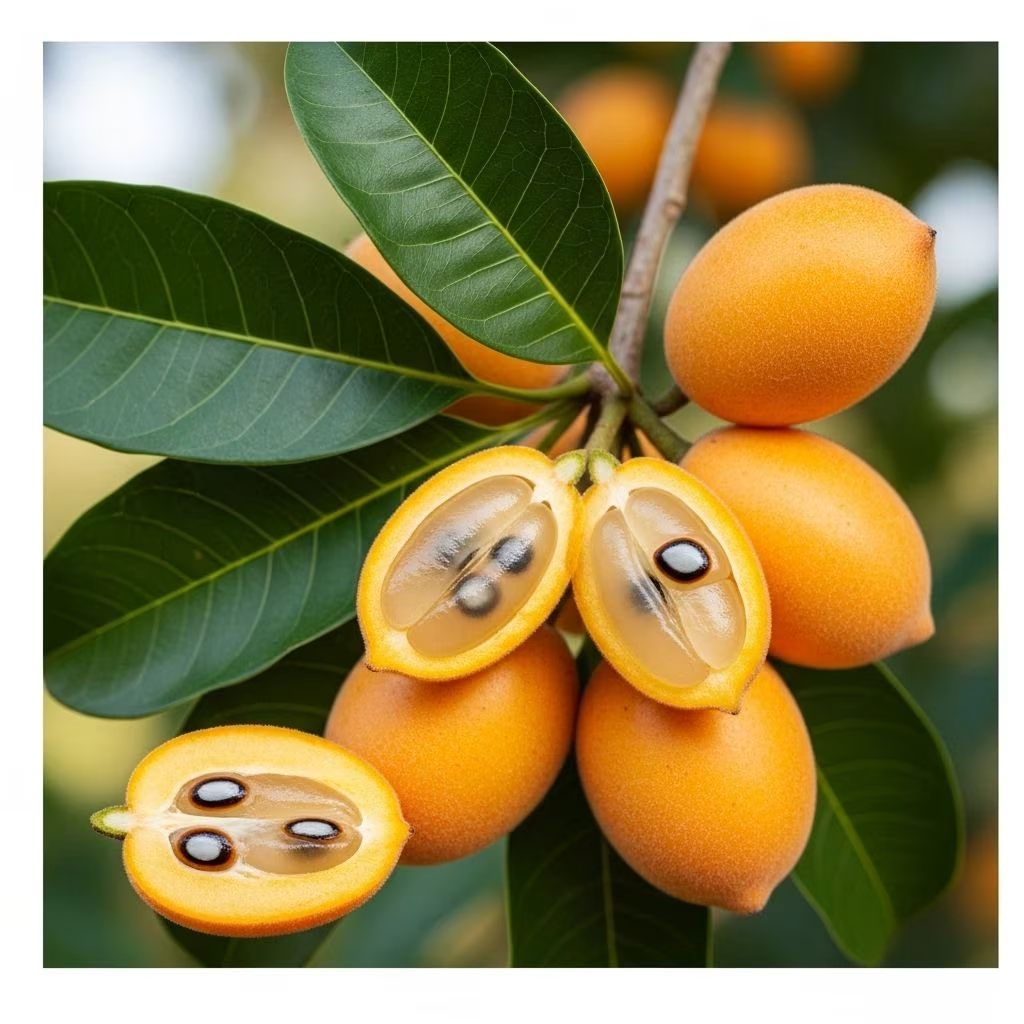
Native to Southeast Asia, wampee (Clausena lansium) is a prized fruit with a distinctive sweet-sour flavor, exceptional nutritional value, and centuries-old uses in wellness and cuisine. This guide covers everything you need to know about wampee, including its botanical features, nutritional content, health benefits, culinary uses, sensory experience, varietal differences, and frequently asked questions.
What Is Wampee?
Wampee (Clausena lansium) is a tropical- and subtropical-fruit-bearing tree native to Southeast Asia. It belongs to the Rutaceae family, the same family as citrus fruits such as oranges, lemons, and kumquats. Wampee trees are typically grown for their edible fruits but also have ornamental, culinary, and medicinal value.
Botanical Characteristics
- Height: Wampee trees reach heights of 3–12 meters.
- Leaves: Deep green, spirally arranged, pinnate with 7–15 leaflets; individual leaflets measure 10–30 cm long and vary from elliptic to ovate.
- Flowers: Globose (rounded), typically 14 mm in diameter; colors range white, green, and yellow.
- Fruit: Small berries/ovoid ellipsoid fruits (1.5–3 cm in length, 1–2 cm in diameter) with thin, smooth skin. The interior houses 1–5 vivid green seeds, surrounded by mucilaginous, succulent, acidic-sweet flesh.
Ecology and Distribution
- Grows primarily in China, Vietnam, Thailand, and Malaysia.
- Cultivated in home gardens, orchards, and along rural lanes.
- Adapted to humid and subtropical climates.
Nutritional Profile
Wampee is not just delicious, but also highly nutritious. It is low in calories and supplies a rich array of dietary fiber, vitamins, minerals, and bioactive compounds.
| Nutrient (per 100g pulp) | Amount |
|---|---|
| Water | 78.93–84.0 g |
| Carbohydrates | 9.9–14.1 g |
| Protein | 0.61–3.78 g |
| Dietary Fiber | Up to 4.58 g |
| Fat | 0.10–0.28 g |
| Ash | 0.9–2.6 g |
| Energy | 47 kcal |
- Wampee pulp is low in fat and sugar, making it an excellent fruit for low-calorie diets.
- The pleasant balance of soluble sugar and natural acids gives it a sweet-tart profile.
- Contains essential minerals and amino acids required for metabolic and repair activities.
Bioactive Compounds
- Phenolic compounds: Contribute to antioxidant activity.
- Alkaloids: Offer a spectrum of health-promoting effects.
- Essential oils: Unique aromatic profile, used in perfumery and wellness.
Health Benefits of Wampee
Wampee offers numerous health advantages, supported by both tradition and contemporary studies. Its nutritional and phytochemical makeup gives it a broad spectrum of beneficial effects:
- Antioxidant Properties: Wampee contains potent antioxidants that help neutralize free radicals, potentially contributing to disease prevention and slowing cellular aging.
- Anti-inflammatory Effects: The fruit’s bioactive compounds may help reduce inflammation and protect tissues against damage.
- Neuroprotective Activity: Research highlights possible neuroprotective attributes, which may assist cognitive health and memory preservation.
- Anticarcinogenic Benefits: Experimental evidence indicates anticancer properties due to its phenolic compounds and alkalids.
- Hepatoprotective Potential: Wampee might help shield the liver from toxins and oxidative stress.
- Antidiabetic Activity: Studies suggest wampee’s natural compounds may improve glucose metabolism and support healthy blood sugar levels.
- Antimicrobial Effects: Its extracts show efficacy against several pathogens, supporting immune health.
- Digestive Health: High fiber promotes regularity, supports healthy gut flora, and may relieve constipation.
Summary Table: Key Health Benefits
| Benefit | Main Compounds | Potential Impact |
|---|---|---|
| Antioxidant | Phenolic compounds, essential oils | Cellular protection, anti-aging |
| Neuroprotective | Alkaloids, phenolics | Cognitive health, memory |
| Anti-inflammatory | Essential oils, alkaloids | Reduced inflammation |
| Antidiabetic | Bioactive compounds | Supports glucose balance |
| Antimicrobial | Essential oils | Improved immunity |
Culinary Uses
Wampee is highly valued across Asian cuisines for its versatility and unique flavor. It’s employed in various forms and preparations:
- Fresh Consumption: Eaten as a snack, often whole (skin is thin and edible) or peeled and seeded.
- Juices & Beverages: Wampee juice is refreshing with a sweet-tart citrus flavor, often used in summer drinks.
- Preserves & Jams: Cooked with sugar into jams, jellies, conserves, or syrups.
- Pickles: Unripe wampee fruits are sometimes pickled with brine or vinegar, highlighting their acidic notes.
- Baking & Desserts: Added to cakes, pies, tarts, and ice creams for a unique citrus twist.
- Culinary Zest: Its aromatic leaves (curry-like scent when crushed) are used sparingly in some Southeast Asian dishes.
- Sauces & Marinades: Wampee’s punchy flavor enhances marinades and dipping sauces.
Comparison Table: Wampee vs Similar Fruits
| Fruit | Family | Seed Type | Texture | Taste |
|---|---|---|---|---|
| Wampee | Rutaceae (Citrus) | 1–5 medium seeds | Juicy, mucilaginous | Sweet-tart, resinous |
| Lychee | Sapindaceae | 1 large seed | Firm, juicy | Sweet, floral |
| Longan | Sapindaceae | 1 large seed | Firm, translucent | Delicately sweet |
| Kumquat | Rutaceae | Several small seeds | Firm skin, juicy | Tart, semi-bitter skin |
Taste Profile: How Does Wampee Taste?
Wampee’s flavor is both distinctive and complex:
- Main Notes: Sweet and tangy, with an acidic punch (especially in less ripe fruits).
- Resinous Undertones: The skin adds a slightly resinous, herbal taste with hints of spice or medicinal notes.
- Additional Flavors: Depending on the variety, you may detect subtle notes of licorice, fennel, coriander, and even coffee.
- Texture: The flesh is juicy, gelatinous, and somewhat chewy due to mucilage.
Wampee is often described as having elements of both citrus fruits and tropical berries, but with its own unique aromatic twist. Some liken the aftertaste to kumquat due to the presence of tiny oil glands in the skin.
Noteworthy Varieties and Regional Names
- Clausena lansium (Yellow Wampee): The classic variety, most common throughout southern China and Vietnam.
- Clausena excavata (Pink Wampee): Smaller, grape-like berries with pink to reddish translucent skin; slightly more resinous and with subtle undertones of spice and licorice.
- Other Regional Names:
- English: Wampi, Yellow skin fruit
- Chinese: 黄皮果 (Huáng pí guǒ)
- Vietnamese: Hồng bì
- Thai: มะไฟจีน (mafị cīn), ส้มมะไฟ (s̄̂m mafị)
- Malaysian: Cherek Hitam, Chemama, Kemantu Hitam (for Pink Wampee)
- Other English: Hollowed Clausena, Pink lime berry
Traditional Medicinal Uses
Wampee holds a respected place in folk medicine, especially in traditional Chinese and Vietnamese practices.
- Digestive Aid: Used to help relieve indigestion, stomach discomfort, and constipation.
- Liver Tonic: Suggested to protect liver health and stimulate detoxification.
- Cough and Cold Remedy: Wampee infusions utilized to soothe sore throats and alleviate cough.
- General Vitality Booster: Sometimes included in herbal tonics for overall health and vitality.
- Skin Health: Applied topically or consumed for clearer, healthier skin due to antioxidant properties.
- Essential Oils: Extracted from the leaves for use in aromatherapy, cosmetics, and perfumes.
Buying, Selecting, and Storing Wampee
- Season: In most Southeast Asian regions, wampee is harvested in mid-summer to early fall (June–September).
- Selection Tips:
- Look for firm, smooth-skinned fruits with a vivid yellow or pink hue (not overly shriveled).
- Avoid fruits with large dark spots or signs of decay.
- Slight wrinkling may occur naturally but should not be excessive.
- Storage:
- Store in a cool, dry place and consume within a few days for best flavor.
- Refrigerate for up to one week. Overripeness leads to loss of flavor and mushy texture.
- Can be frozen after deseeding or preserved for longer-term use.
Potential Side Effects and Considerations
- Seeds: Large seeds are best removed, as they are generally not consumed.
- Allergies: Rare, but possible, especially in individuals sensitive to citrus-type fruits.
- Moderation: Wampee is generally safe in food quantities; excessive consumption may lead to digestive upset due to high acidity and fiber.
Frequently Asked Questions (FAQs)
Can you eat wampee with the skin?
Yes, the skin of wampee is thin and edible. It provides additional resinous, medicinal flavor notes, similar to kumquat. Many people prefer to spit out the seeds.
Is wampee related to lychee or longan?
Wampee resembles lychee or longan in shape and texture but is actually in the citrus family. Lychee and longan are in the Sapindaceae family, while wampee is Rutaceae. All are juicy, but wampee often contains several medium seeds rather than a single large seed.
How do you use wampee in cooking?
Wampee can be eaten raw, juiced, made into jams, pickled, or incorporated into desserts and sauces. Its aromatic leaves can be used as a culinary accent in Southeast Asian cuisine.
What are the main health benefits of wampee?
Wampee is rich in antioxidants, fiber, and compounds with anti-inflammatory, antidiabetic, antimicrobial, and neuroprotective properties. It aids digestion and may contribute to disease prevention.
Does wampee have any medicinal uses?
Traditionally, wampee has been used for digestive health, liver support, respiratory ease, skin care, and general vitality. Some of these uses are supported by modern research into its bioactive compounds.
Conclusion
Wampee represents a fascinating intersection of nutrition, flavor, culinary versatility, and wellness. Its sweet-tart taste, rich bioactive composition, and ease of preparation make it a valuable addition to global kitchens and herbal apothecaries. Whether enjoyed fresh, preserved, or as part of herbal remedies, wampee continues its legacy as a fruit with both delicious and therapeutic appeal.
References
- https://www.herbs2000.com/herbs/herbs_wampee.htm
- https://specialtyproduce.com/produce/Pink_Wampee_13150.php
- https://www.diversivore.com/ingredient-pages/wampee/
- https://pmc.ncbi.nlm.nih.gov/articles/PMC10398868/
- https://en.wikipedia.org/wiki/Clausena_lansium
- https://miamifruit.org/blogs/news/what-in-the-world-is-wampee-1
- https://www.rhs.org.uk/plants/3900/clausena-lansium/details
- https://efloraofindia.com/efi/clausena-lansium/
- https://miamifruit.org/blogs/news/what-in-the-world-is-wampee


