


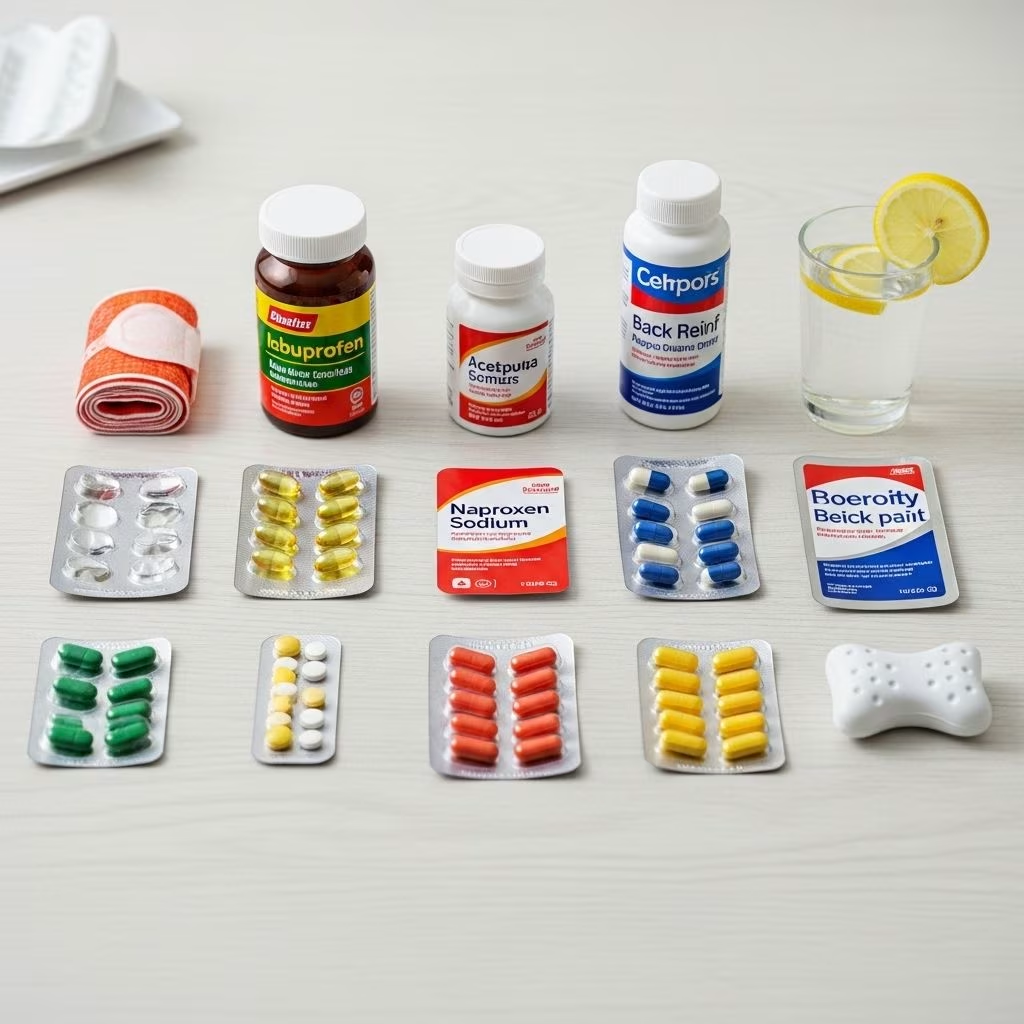
Comprehensive Guide to OTC Back Pain Remedies
Back pain is one of the most common health issues globally, affecting individuals of all ages and backgrounds. Whether it stems from poor posture, muscle strain, injury, or underlying chronic conditions, finding effective relief is essential for maintaining daily function and quality of life. Over-the-counter (OTC) remedies provide accessible, affordable initial options for managing both acute and chronic back pain. This article offers a thorough exploration of OTC back pain medicines, their mechanisms, dosing recommendations, potential risks, alternatives, and expert guidance on choosing the most appropriate solution for your needs.
Overview: Back Pain and Self-Management
Back pain can arise from short-term muscle strains or ligament sprains, episodic injuries, and chronic conditions such as herniated discs, spinal stenosis, or osteoarthritis. OTC remedies are widely adopted as first-line self-care measures, often before seeking prescription medication or non-pharmacological treatments. Managing pain quickly and safely is critical to prevent ongoing discomfort, decreased mobility, and impact on daily functioning.
- Acute back pain: Often sudden, related to injury or overexertion.
- Chronic back pain: Lasts longer than three months, may involve underlying structural or neurological factors.
Types of Over-the-Counter Remedies for Back Pain
Multiple categories of OTC remedies are available, with variable effectiveness depending on the pain type, severity, and underlying condition.
- Analgesics (pain relievers such as acetaminophen).
- Nonsteroidal anti-inflammatory drugs (NSAIDs) (such as ibuprofen and naproxen).
- Topical preparations (creams, gels, or patches containing lidocaine, capsaicin, or other agents).
- Muscle relaxant-like supplements (e.g., magnesium salicylate tetrahydrate).
- Non-pharmaceutical OTC solutions (TENS units, hot/cold packs).
Acetaminophen
Acetaminophen (brand name Tylenol) is a widely used analgesic and antipyretic medication for mild to moderate back pain without notable inflammation.
Mechanism of Action
Acetaminophen reduces pain and fever but does not act as an anti-inflammatory agent.
It is often considered safer for those unable to tolerate NSAIDs due to gastrointestinal issues, poor kidney function, or bleeding risk.
Dosing Guidelines
- Regular Strength: 325–650 mg every 4–6 hours
- Extra Strength: 500–1000 mg every 6 hours
- Extended Release: 650–1300 mg every 8 hours
- Max Daily Dose: 3000 mg for healthy adults (lower limit of 2000 mg for those with liver disease, alcohol use, or older age)
Pros and Cons
| Pros | Cons |
|---|---|
| Minimal stomach irritation Low bleeding risk Safe for most older adults Safe during pregnancy | No anti-inflammatory effect Potential liver damage, especially with excess use Less effective alone for acute low back pain |
Key Precautions
- Liver toxicity risk increases with high doses, chronic use, or combining with alcohol.
- Consult a healthcare provider if you have liver problems or regularly use other medications that affect the liver.
Nonsteroidal Anti-Inflammatory Drugs (NSAIDs)
NSAIDs are the preferred and most effective OTC options for back pain with an inflammatory component.
Common NSAIDs for Back Pain
- Ibuprofen (Advil, Motrin)
- Naproxen (Aleve)
- Magnesium salicylate tetrahydrate (Doan’s)
Mechanism of Action
NSAIDs inhibit cyclooxygenase enzymes, reducing inflammation, swelling, and pain.
Ibuprofen
- Dosage: 200 mg, 1–2 tablets/capsules every 4–6 hours; max 1200 mg/24 hours for OTC use.
- Onset: 20–30 minutes for action, shorter than naproxen.
- Duration: Lasts 4–6 hours.
Naproxen
- Dosage: 220–250 mg, 1 tablet/capsule twice daily; max 660 mg/24 hours for OTC use.
- Onset: 1 hour, longer onset than ibuprofen.
- Duration: Provides 8–12 hours of relief, suitable for sustained pain control.
Magnesium Salicylate Tetrahydrate
- Used primarily as a muscle relaxant and anti-inflammatory agent in OTC products like Doan’s.
- Dosage and efficacy vary; considered an option for muscle-related discomfort.
Pros and Cons of NSAIDs
| Pros | Cons |
|---|---|
| Strong anti-inflammatory effect Widely available Effective for acute and some chronic pain | Gastrointestinal irritation Bleeding risk Kidney effects Not suitable for long-term use in some cases |
Common Side Effects
- Stomach pain, nausea, indigestion
- Gastrointestinal ulcers, bleeding risk
- Increased blood pressure
- Reduced kidney function
- Skin rashes, headaches, dizziness
Precautions
- Avoid use if you have kidney disease, history of stomach ulcers, or bleeding disorders.
- Take with food and stay hydrated to decrease stomach irritation.
- Consult with a healthcare professional before combining with other blood-thinning or blood-pressure medications.
Topical OTC Solutions
Topical analgesics target pain at the site of discomfort, minimizing systemic exposure and risk of adverse effects.
- Lidocaine patches (5%): Safe and effective for chronic low back pain; minimal systemic absorption, low side effect risk.
- Capsaicin cream/patches: Derived from chili peppers, provides relief for chronic neuropathic pain and radiculopathies (nerve pain).
- Menthol-based creams or gels: Cooling sensation; may distract from pain and soothe aching muscles.
Pros and Cons of Topical Solutions
| Pros | Cons |
|---|---|
| Local pain relief Minimal systemic side effects Safe for those intolerant to oral meds | Less effective for severe/deep pain Skin irritation possible Requires frequent application |
Other OTC Remedies and Supplements
- Magnesium supplements: Occasionally recommended for muscle relaxation, but efficacy evidence remains minimal; magnesium salicylate in Doan’s offers more direct benefit as a pain reliever.
- Antidepressants and muscle relaxants are not typically available OTC, but some reviews reference their effectiveness in chronic pain management.
Choosing the Right OTC Medication
Selecting the optimal OTC pain remedy requires consideration of pain type, medical history, age, and concurrent conditions.
- For acute muscular pain with inflammation: Start with NSAIDs if not contraindicated.
- For mild pain or patients with gastrointestinal risks, advanced age, or pregnancy: Acetaminophen is safer.
- For chronic low back pain: Topical lidocaine or capsaicin may be best, especially in older adults.
- Combine acetaminophen and ibuprofen alternately for stronger pain episode management — this may optimize relief and limit side effects, but only under supervision.
Risks, Precautions, and Side Effects
No OTC remedy is completely free from side effects. Understanding and respecting these risks prevents unintended harm.
- Acetaminophen: Liver damage, especially with excessive use or alcohol ingestion.
- NSAIDs: Gastrointestinal ulcers, bleeding, kidney injury, increased blood pressure, and skin reactions.
- Topicals: Skin irritation or allergic reactions.
Always follow dosage guidelines and avoid mixing multiple products without consulting a healthcare professional.
Non-Drug OTC Back Pain Remedies
Non-pharmaceutical OTC interventions can supplement or, for some individuals, replace drug therapy.
- Thermal therapy: Heating pads or cold packs relieve muscle tension and acute discomfort.
- Transcutaneous electrical nerve stimulation (TENS) units: Provide localized pain relief via mild electrical impulses.
- Supportive devices: Braces and lumbar supports can improve posture and reduce strain.
These approaches work best in combination with OTC medicine for comprehensive pain management.
OTC Use for Chronic Back Pain: Guidelines
While OTC remedies can help manage chronic back pain, they should not replace comprehensive medical assessment and treatment.
- Limit long-term use of NSAIDs or acetaminophen; monitor for toxicity.
- Explore physical therapy, exercise, and ergonomic modifications to reduce reliance on medication.
- Discuss persistent pain with a healthcare provider to rule out serious underlying causes and consider safe long-term strategies.
Frequently Asked Questions (FAQs)
Q: Which OTC medication is most effective for acute back pain?
A: NSAIDs (especially ibuprofen and naproxen) are generally the most effective for acute pain due to both pain-relieving and anti-inflammatory effects. For sustained, all-day relief, naproxen is preferred due to its longer duration of action.
Q: Can I combine acetaminophen and ibuprofen?
A: Yes, alternating or combining acetaminophen and ibuprofen can optimize pain relief for some people. However, this should be done under medical supervision to prevent overlapping doses or increased side effects.
Q: Are topical remedies safe for everyone?
A: Topical lidocaine and capsaicin are well tolerated by most, but may cause skin irritation in sensitive individuals. They are especially useful for chronic and nerve-related pain.
Q: When should I seek medical help instead of using OTC remedies?
A: Consult a healthcare professional if your back pain lasts longer than a few weeks, worsens steadily, or is accompanied by symptoms such as fever, limb weakness, numbness, loss of bladder or bowel control, or a history of cancer or osteoporosis.
Q: What precautions should older adults take?
A: Older adults should avoid NSAIDs unless specifically approved due to increased gastrointestinal and kidney risks. Acetaminophen and topical options offer safer alternatives, but regular review with a healthcare provider is recommended.
Q: How long can I safely use OTC back pain remedies?
A: Ideally, use OTC medications at the lowest effective dose for the shortest duration. If pain persists, seek medical evaluation to establish a long-term management plan and avoid complications.
Q: Are any supplements effective for back pain?
A: Magnesium supplements are sometimes considered, but robust evidence supporting their efficacy for back pain is lacking. Magnesium salicylate in Doan’s may offer mild relief.
Q: Can lifestyle changes or physical therapy replace medication?
A: In many cases, exercise, physical therapy, weight management, and ergonomic modifications can reduce or eliminate the need for medication. They play a key role in long-term pain management.
Q: How do I decide between prescription and OTC remedies?
A: Start with OTC options for mild to moderate pain. If these are insufficient, or pain is severe or persistent, consult your physician about prescription treatments or additional therapies.
Conclusion
OTC back pain remedies offer effective short-term relief for most individuals. Choosing the right medication and following guidelines for use, dose, and duration ensures the best outcomes while minimizing risk. For chronic or complex pain, supplementing OTC options with lifestyle changes, topical agents, and professional guidance is vital to optimizing health and comfort.
References
- https://www.spine-health.com/blog/top-3-over-counter-remedies-back-pain-plus-fourth
- https://www.healthline.com/health/pain-medication-for-back
- https://pmc.ncbi.nlm.nih.gov/articles/PMC8119578/
- https://www.goodrx.com/conditions/pain/best-pain-reliever-for-back-pain
- https://www.health.harvard.edu/pain/the-best-meds-for-back-pain
- https://www.webmd.com/back-pain/home-relief-for-low-back-pain
- https://www.houstonmethodist.org/blog/articles/2025/may/how-to-get-back-pain-relief-when-medication-isnt-working/
- https://www.youtube.com/watch?v=js7WvbHFfWo
- https://www.goodpath.com/learn/otc-back-pain-pills
- https://www.mayoclinic.org/chronic-pain-medication-decisions/art-20360371


