


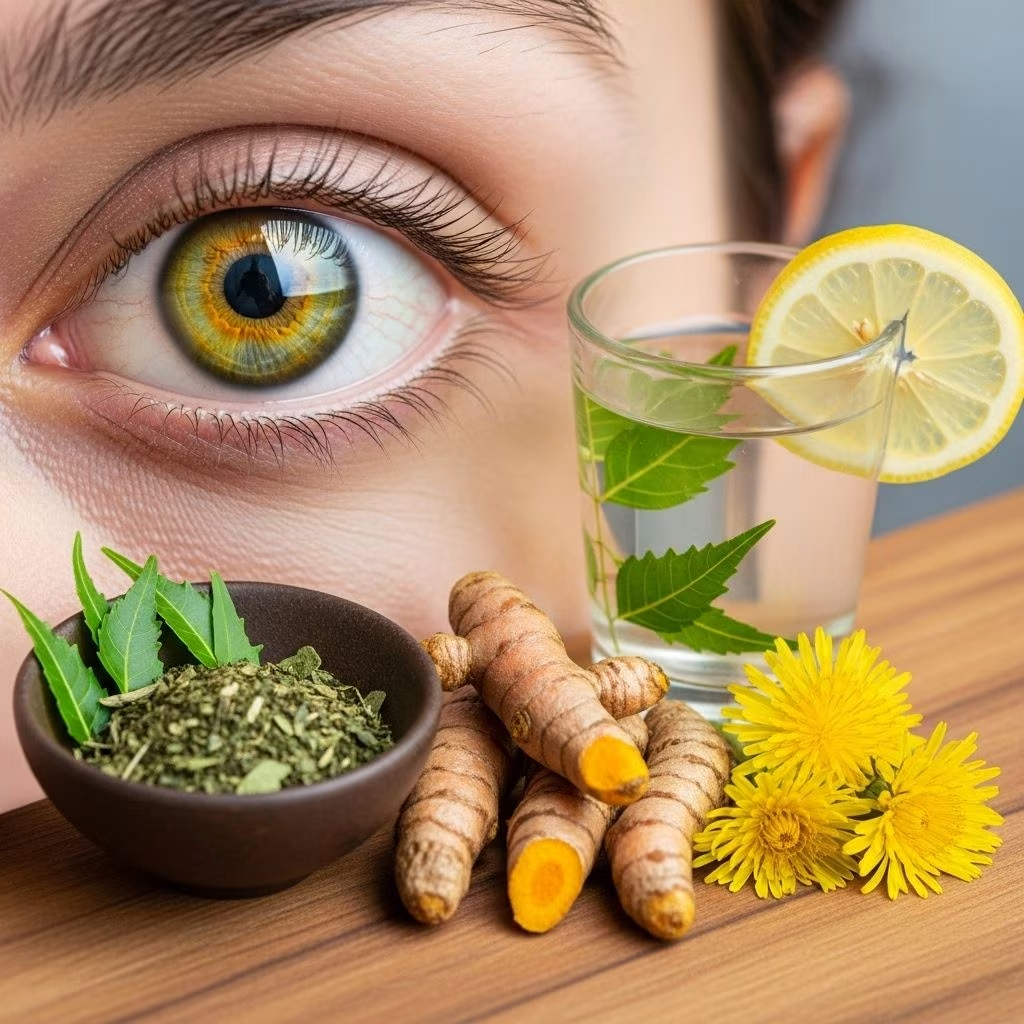
Understanding Yellow Eyes: Causes and Health Risks
The sclera, or whites of the eyes, should be clear and white. If they appear yellow, this could indicate an underlying health condition, most commonly jaundice. Jaundice is a symptom caused by elevated levels of bilirubin in the blood, often related to liver, gallbladder, or pancreas issues.
Yellowing can also reflect problems ranging from mild dehydration to more serious diseases affecting blood or bile ducts.
While natural remedies can help support recovery, it is crucial to determine and treat the underlying medical cause, as yellow eyes are not a condition in itself but a sign of another health issue.
Key Causes of Yellow Eyes
- Liver dysfunction (e.g., hepatitis, cirrhosis)
- Gallbladder disease (e.g., gallstones, bile duct obstruction)
- Pancreas disorders (e.g., inflammation, tumors)
- Blood disorders (e.g., hemolytic anemia, sickle cell anemia)
- Infections (e.g., malaria)
- Side effects of medications or toxins
Recognizing Symptoms Beyond Yellow Eyes
Early detection helps in timely intervention. Common symptoms accompanying yellow eyes include:
- Yellowish skin
- Dark urine and pale stools
- Fatigue and weakness
- Abdominal pain or swelling
- Nausea, vomiting, or weight loss
- Fever or flu-like symptoms
If you notice any of these signs in addition to yellow eyes, consult a healthcare professional immediately.
Medical Treatments and Professional Care
The first step in managing yellow eyes is to address the root cause. A doctor may order tests such as liver function panels, complete blood counts, or imaging studies to identify the underlying condition. Depending on the diagnosis, treatments may include:
- Liver disease – Medication, dietary changes, or even transplantation in severe cases
- Gallstones or bile duct obstruction – Surgery or endoscopic procedures
- Blood disorders – Iron supplements, transfusions, or specific medications
- Infections – Antibiotics or antiparasitic drugs
Always use natural remedies as adjuncts to professional treatment—not as replacements.
Natural Remedies to Support Recovery
Natural remedies focus on supporting liver function, improving digestion, and enhancing the body’s detoxification process. While scientific evidence is limited for some traditional practices, many are generally safe and may complement medical therapy.
Dietary Approaches
| Remedy | Potential Benefit | Preparation Tips |
|---|---|---|
| Sugarcane Juice | Helps boost liver function, potentially speeding recovery from jaundice | Drink fresh sugarcane juice with a few drops of lemon daily |
| Papaya Leaves | May help detoxify blood and support liver | Make a paste of fresh leaves, add honey, consume daily until symptoms improve |
| Amla (Indian Gooseberry) | Rich in Vitamin C, supports liver health | Blend 3–4 diced amlas with water and black salt, strain and drink fresh juice |
| Barley | Natural diuretic, helps detoxify liver and bloodstream | Boil a cup of barley in 3-4 liters of water, drink throughout the day |
| Mint (Pudina) | Traditionally used to boost digestion and relieve jaundice | Mix fresh mint juice with honey; drink daily |
| Black Cumin | May support liver health | Add to food or make a tea |
| Babul | Contains flavonoids and alkaloids that may assist liver health | Mix babul powder in water and drink |
| Basil (Tulsi) | Has antibacterial and antioxidant properties | Chew fresh basil leaves or make a tea |
| Tomato | Contains lycopene, an antioxidant that supports liver detoxification | Drink fresh tomato juice or eat raw tomatoes |
| Goat Milk | Contains antibodies easy to digest, may help fight jaundice | Switch from cow milk to goat milk if tolerated |
Hydration and Detoxification
- Drink plenty of water: Aim for at least 7–8 glasses per day to help flush toxins from the liver and bloodstream.
- Increase fiber intake: Soluble fiber from fruits, nuts, vegetables, and whole grains enhances bile movement and supports liver detoxification.
Sunlight Exposure
Natural sunlight exposure is commonly recommended for infants with jaundice, but adults may also benefit. Sunlight helps lower bilirubin levels by activating skin processes. Spend up to 2 hours outdoors daily, avoiding peak intensity hours to prevent sunburn.
Herbal and Lifestyle Remedies
- Chamomile tea: Traditionally believed to ease liver stress; brew and consume daily.
- Oregano infusion: Prepare by boiling oregano in water, cool and drink after straining.
- Lemon leaves infusion: Boil washed leaves, strain, and consume to support the liver.
Note: The effectiveness of herbal remedies isn’t fully supported by clinical trials. Use them alongside—not in place of—medical treatment.
Important Lifestyle Modifications
- Avoid alcohol: Alcohol strains the liver and worsens jaundice. Eliminate it from your diet until full recovery.
- Reduce fatty, fried, and processed foods: Such foods place extra burden on the liver.
- Use lubricating eye drops: These can help relieve discomfort and improve the appearance of the sclera, but will not treat the root cause.
- Limit unnecessary medications: Some drugs can exacerbate liver problems; consult your doctor before continuing or starting any new medication.
- Reduce screen time: Extended screen use strains eyes and may worsen discomfort.
Preventing Yellow Eyes
Focus on maintaining overall liver health to help prevent recurrence:
- Eat a balanced diet rich in fruits, vegetables, and whole grains
- Stay hydrated daily
- Avoid excessive alcohol and recreational drug use
- Limit exposure to environmental toxins
- Get regular exercise
- Manage chronic health conditions with professional medical help
When to Seek Medical Help
Yellow eyes are not a disease but a symptom. If you notice any of the following, consult a healthcare provider urgently:
- Rapid onset or worsening yellowing of eyes or skin
- Severe abdominal pain or persistent nausea/vomiting
- Dark urine, pale stools
- High fever
- Signs of confusion or drowsiness
Prompt treatment can prevent serious complications and speed effective recovery.
Frequently Asked Questions (FAQs)
Q: Can dehydration cause yellow eyes?
A: Yes, dehydration can impact liver function and contribute to excess bilirubin build-up, sometimes resulting in yellow eyes.
Q: Is it safe to use home remedies for yellow eyes?
A: Most home remedies are intended to support liver health. They can be used safely alongside medical treatment, but severe or sudden yellowing must always be assessed by a healthcare provider.
Q: How long does it take for natural remedies to work?
A: Improvement depends on the underlying cause and individual health status. Dietary and lifestyle changes may take several days to weeks to show results. Always follow up with your doctor for persistent symptoms.
Q: Can infants be treated with natural remedies?
A: Infants with jaundice often benefit from sunlight exposure and increased breastfeeding. Consult a pediatrician before trying any herbal remedy for infants.
Q: What foods should I avoid if I have yellow eyes?
A: Avoid alcohol, fatty, fried, processed foods, and any food or drink not recommended by your healthcare provider, as these can worsen liver stress.
Q: Are yellow eyes always caused by liver disease?
A: While liver dysfunction is the most common cause, yellow eyes can result from several conditions including blood disorders, gallbladder problems, and infections. Proper medical diagnosis is essential.
Summary Table: Natural Remedies for Yellow Eyes and Jaundice
| Natural Remedy | Main Benefit | Recommended Use |
|---|---|---|
| Sugarcane juice | Liver support | Drink daily, fresh juice |
| Papaya leaf paste | Detoxification | Paste with honey, consume daily |
| Amla juice | Vitamin C, liver support | Mix with water, drink fresh |
| Barley water | Diuretic, detox | Boil and drink throughout day |
| Mint tea | Digestive aid | Juice mixed with honey |
| Sunlight | Bilirubin reduction | Expose to morning sunlight daily |
| Basil leaves | Antioxidants | Chew or tea infusion |
| Tomato juice | Liver detoxification | Drink fresh tomato juice |
Conclusion
Yellow eyes signal a disturbance in your body’s bile or blood processing system, most commonly linked to liver function. While natural remedies may help support recovery and symptom relief, they are not substitutes for medical care. Addressing diet, hydration, and overall lifestyle plays an important role in maintaining liver health. For persistent or severe symptoms, professional medical evaluation is always essential.
References
- https://www.healthline.com/health/how-to-get-rid-of-yellow-eyes
- https://pharmeasy.in/blog/home-remedies-for-jaundice-by-dr-siddharth-gupta/
- https://diamondvision.com/how-to-get-rid-of-yellow-eyes/
- https://www.lybrate.com/topic/home-remedies-for-jaundice
- https://www.webmd.com/a-to-z-guides/causes-of-yellow-eyes
- https://www.allaboutvision.com/eye-care/vision-health/how-to-whiten-eyes/
- https://my.clevelandclinic.org/health/symptoms/15367-adult-jaundice
- https://prodiadigital.com/en/articles/yellow-eyes
- https://www.centreforsight.net/blog/yellow-eyes-causes-treatment


