


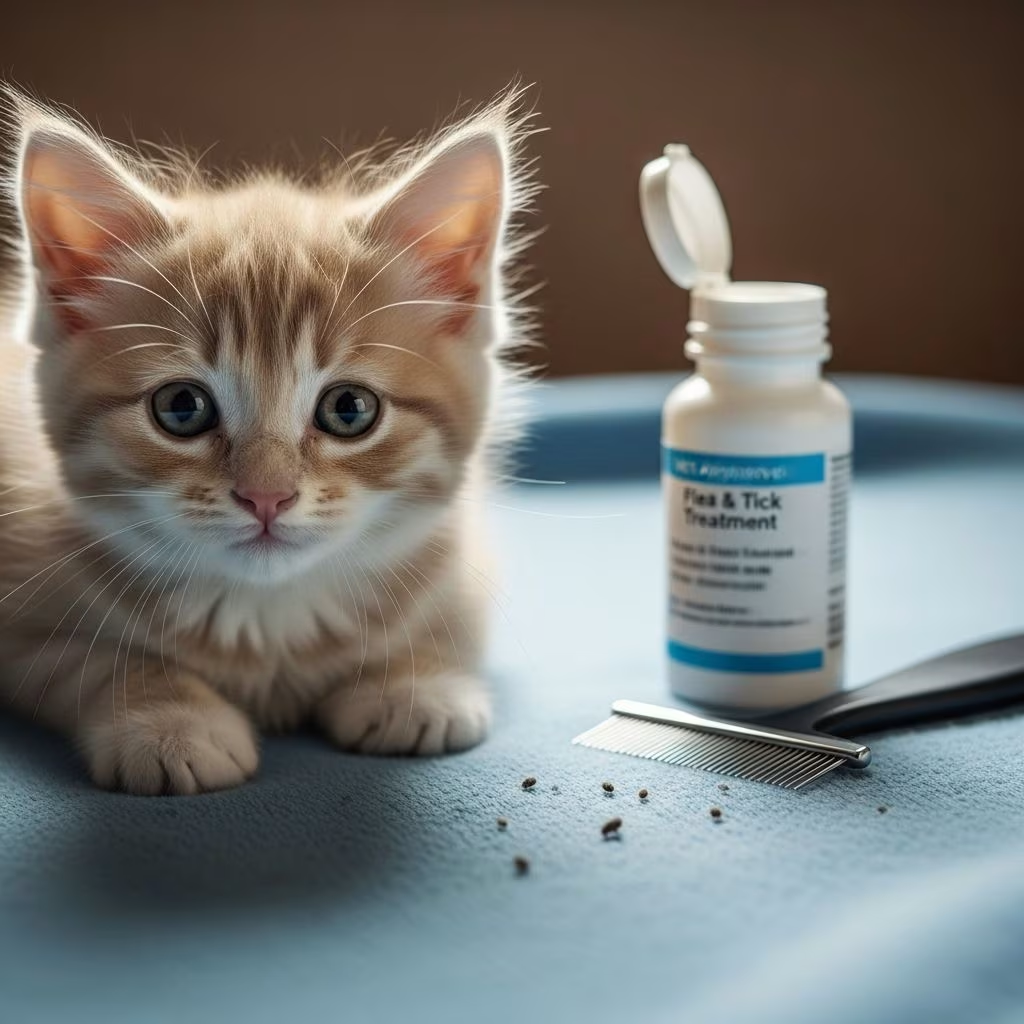
Fleas are one of the most common parasites affecting kittens, causing discomfort, irritation, anemia, and potentially transmitting diseases. Young kittens are particularly vulnerable because their developing immune systems and small size make them more susceptible to the dangers posed by both fleas and many chemical flea treatments. This makes effective and safe flea control essential. This comprehensive guide covers every aspect of kitten flea remedies, including safe home methods, natural remedies, when to use medications, environmental control, and answers to common questions about flea infestations in kittens.
Understanding Flea Infestations in Kittens
Fleas are tiny, fast-moving insects that feed on the blood of animals, including kittens. A single female flea can lay dozens of eggs a day, and without prompt intervention, an infestation can quickly spiral out of control. Kittens, with their small body mass, can suffer quickly from even a modest number of fleas, leading to significant health risks.
- Anemia: Fleas consume blood, and heavy infestations can cause kittens to become dangerously anemic.
- Skin Irritation: Flea bites lead to itching, scratching, and skin wounds, increasing infection risk.
- Tapeworms: Fleas can transmit tapeworms if ingested during grooming.
- Disease Transmission: Fleas can carry diseases, including Bartonella (cat scratch fever).
Why Safe Flea Treatment Matters for Kittens
Kittens are not simply small cats; their bodies handle medications and toxins differently. Many commercial flea treatments, while safe for adult cats, are toxic or even deadly to young kittens. For kittens under 8-12 weeks of age, chemical treatments are generally not recommended without veterinary supervision. Always err on the side of caution, and consult a veterinarian for kittens that are sick, very young, or showing signs of significant distress.
Signs & Symptoms: How to Detect Fleas on Kittens
- Persistent scratching, biting, or over-grooming
- Visible small, moving fleas (brown or black specks in the fur)
- Presence of “flea dirt” (black, pepper-like debris)
- Hair loss, redness, or scabs on the skin
- Lethargy, pale gums (suggesting anemia in severe cases)
Immediate Safe Action: What to Do First
Once you suspect or discover fleas on a kitten, respond with immediate but gentle action:
- Isolate the affected kitten from other pets to prevent widespread infestation.
- Assess your kitten’s overall health (eating, energy, signs of anemia) and call your vet if you have concerns.
- Begin safe, physical removal techniques – bathing and flea combing – and address the home environment.
Natural and Home Remedies for Kitten Fleas
For kittens younger than 8-12 weeks, chemical treatments should be avoided unless specifically prescribed by a veterinarian. The following natural approaches are both safe and effective for young kittens:
- Flea Comb: Specially designed fine-tooth combs physically remove fleas, flea dirt, and eggs. Dip the comb into a mixture of mild soap and water after each pass to kill trapped fleas.
- Soapy Water Bath: A gentle bath with warm water and unscented baby shampoo or dish soap kills and washes away adult fleas and larvae. Be careful to avoid over-bathing, as it can dry out delicate skin (no more than twice a week).
- Cleanliness: Keep kitten bedding, toys, and living areas meticulously clean. Wash fabrics and surfaces in hot water regularly to kill flea eggs and larvae.
- Apple Cider Vinegar: Some sources advocate a diluted apple cider vinegar rinse, but its effectiveness is limited, and some kittens may dislike the odor or taste. Always consult your vet before trying new remedies.
Manual Removal: Flea Combing
Flea combing is the cornerstone of non-chemical flea removal for kittens, especially for those under 8 weeks.
- Use a metal flea comb with tightly spaced teeth.
- Comb the kitten’s fur methodically, focusing on the head, neck, and base of the tail—areas where fleas tend to cluster.
- After each pass, dip the comb in a bowl of warm, soapy water to immobilize and kill fleas.
- Repeat the process daily during infestation, reducing to weekly once clear.
Bathing Kittens to Remove Fleas
Bathing is a quick and effective way to address an active flea infestation, but it must be done carefully to protect the kitten’s health.
- Preparation: Use lukewarm water and select a gentle, unscented dish soap or baby shampoo. Professional flea shampoos are not for kittens under 12 weeks old.
- Bath Process: Trim the kitten’s nails to prevent scratches. Create a ring of soap around the neck to prevent fleas from migrating to the face. Wash thoroughly from neck down, avoiding eyes, nose, and mouth, in less than 2 minutes. Never spray water directly; use a gentle pour or cup to rinse.
- Drying: Gently towel-dry the kitten. A blow dryer can be used on the lowest setting, kept at least two feet away, and constantly moved to avoid overheating. Place the kitten in a warm environment immediately.
- Limit Bathing: Avoid bathing kittens more than twice a week to prevent skin dryness and chilling.
Environmental and Household Flea Control
Targeting the kitten alone is not enough. Up to 95% of the flea life cycle occurs in the environment. For effective long-term control:
- Vacuum floors, rugs, and furniture regularly. Dispose of the vacuum bag immediately to prevent reinfestation.
- Wash all bedding, blankets, and fabrics the kitten has touched using hot water and detergent at least weekly.
- Clean cracks and crevices in floors and furniture where flea eggs and larvae can hide.
- Consider safe environmental flea sprays (consult your vet; many are not safe for kittens).
Flea Treatments and Products Suitable for Kittens
Once kittens are older (usually 8-12 weeks and over 2 pounds), certain flea treatments become safer to use. However, age, weight, and health status determine what is safe.
| Product | Age Requirement | Type | Notes |
|---|---|---|---|
| Revolution® (selamectin) | 8 weeks+ | Topical | Vet-prescribed; kills fleas, prevents reinfestation |
| Frontline®/Frontline Plus® | 8 weeks+ | Topical | Over-the-counter; apply directly to skin |
| Capstar® (nitenpyram) | 4 weeks+/2 lbs+ | Oral tablet | Kills adult fleas rapidly; use under vet guidance |
| Seresto® Collar | 10 weeks+ | Collar | Lasts up to 8 months; read label carefully |
Always follow veterinary directions and product labels. If the kitten is underweight, sick, or underage, consult your veterinarian before using any flea treatment.
What Not to Use: Dangerous Treatments for Kittens
- Essential oils: Many natural oils (including tea tree, peppermint, and others) are highly toxic to cats and kittens.
- Permethrin: Some products for dogs contain permethrin, which can kill kittens and should never be used.
- Flea shampoos: Most commercial flea shampoos are too harsh for kittens under 12 weeks.
- Homemade concoctions: Never use unproven home remedies, alcohol, raw garlic, or harsh chemicals.
- Double dosing: Do not use multiple treatments at once or combine products.
Prevention and Long-Term Flea Control
Once the immediate flea threat is under control, focus on long-term precautions:
- Regular environmental cleaning: Continue regular vacuuming and laundering bedding to disrupt the flea life cycle.
- Treat all pets: All household pets should be on appropriate flea prevention to prevent reinfestation.
- Monthly topicals/orals: For kittens old enough (8-12 weeks plus), monthly spot-on treatments or prescribed oral preventatives.
- Routine combing: Weekly combing with a flea comb as a monitoring tool.
Frequently Asked Questions (FAQs)
Q: Can I use flea medication on my kitten?
Many standard flea medications are unsafe for kittens under 8 weeks (and some 12 weeks). For young kittens, stick to combing and bathing—consult a vet for older kittens or severe infestations.
Q: Is it safe to use essential oils for flea control?
No, essential oils are toxic to kittens and cats and should never be used for flea control.
Q: Can fleas kill a kitten?
Yes, severe flea infestations can cause life-threatening anemia in kittens, especially if left untreated. Prompt gentle action is crucial.
Q: How often should I bathe or comb my kitten for fleas?
Daily combing is recommended during an active infestation; limit bathing to twice a week for sensitive skin.
Q: What makes kittens so sensitive to flea treatments?
Kittens have underdeveloped organs and small body mass, increasing their risk for toxicity and side effects from strong chemicals.
Q: What is flea “dirt”?
Flea dirt is flea feces—it appears as small black or reddish-brown specs and turns reddish when wet. Presence confirms flea infestation.
Q: Are flea collars safe for kittens?
Some flea collars are approved for kittens above a certain age and weight (usually 10 weeks or older). Always check the label and consult your vet.
Key Takeaways
- Early action: Physical removal and cleaning are first-line for young kittens.
- Natural methods like flea combing and gentle baths are safest for kittens under 8 weeks.
- Only use medications labeled safe for kittens of your pet’s age and weight, under veterinary guidance.
- Thorough environmental control prevents reinfestation.
- Avoid essential oils, permethrin, and adult cat/dog flea treatments.
Kittens require special care when it comes to flea control. By choosing safe, appropriate remedies and combining them with thorough environmental cleaning, you can free your kitten from fleas and support their healthy growth and comfort.
References
- https://www.petmd.com/cat/parasites/how-get-rid-fleas-kittens
- https://www.medicinenet.com/what_home_remedy_kills_fleas_on_kittens/article.htm
- http://www.kittenlady.org/fleas
- https://entomology.ca.uky.edu/ef602
- https://thevets.com/blog/fleas-on-kittens/
- https://vcahospitals.com/know-your-pet/flea-control-in-cats
- https://www.chewy.com/b/flea-tick-404
- https://www.petmd.com/cat/general-health/natural-flea-treatment-for-cats


