


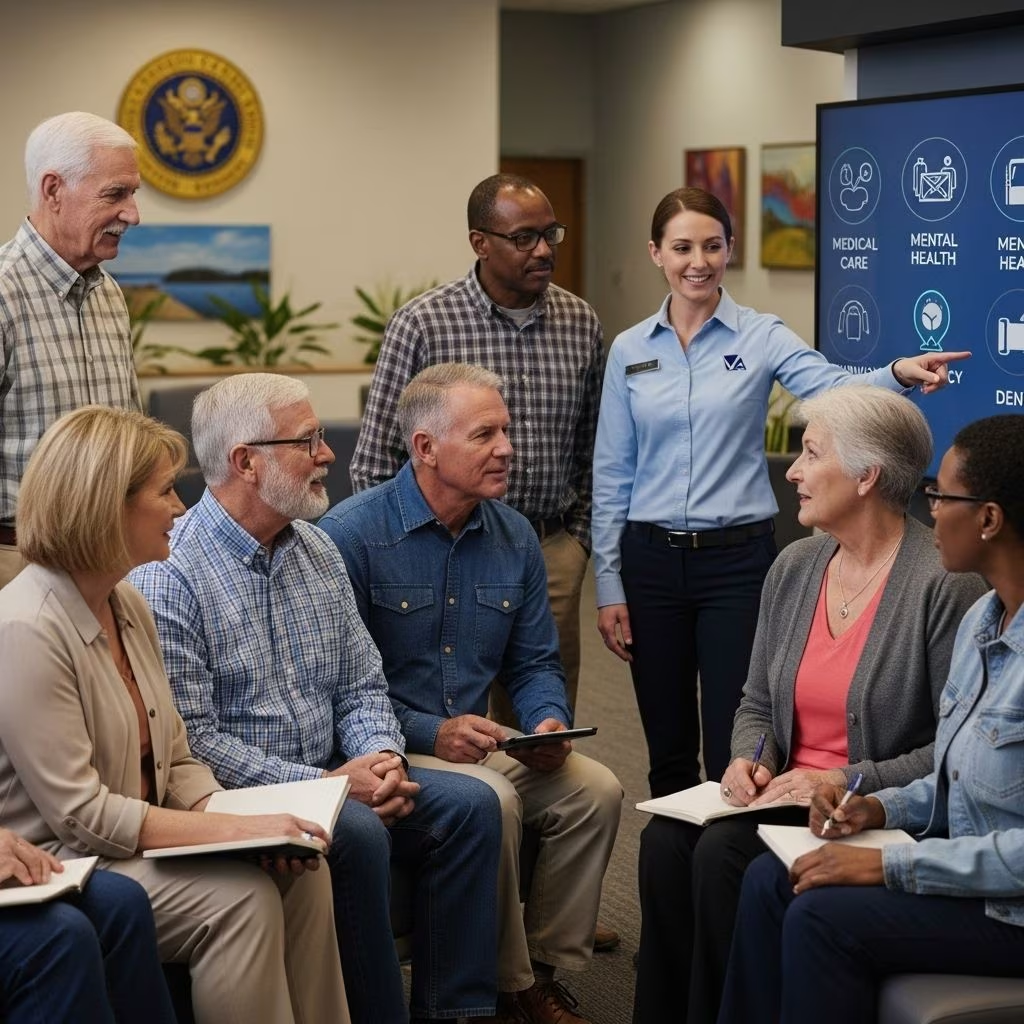
The VA healthcare system serves over 9 million enrolled veterans annually, providing a wide range of medical services from routine preventive care to specialized treatments for service-connected conditions. This comprehensive guide explores everything veterans need to know about VA health benefits, from eligibility requirements to enrollment processes and available services.
Understanding VA Health Benefits Overview
VA health benefits encompass a broad spectrum of healthcare services provided through the Veterans Health Administration (VHA), the largest integrated healthcare system in the United States. These benefits are designed to address both service-connected and non-service-connected medical conditions, ensuring veterans receive appropriate care regardless of their specific circumstances.
The VA healthcare system operates on a unique model that combines traditional medical care with specialized services tailored to veteran-specific health issues. This includes treatment for combat-related injuries, post-traumatic stress disorder (PTSD), traumatic brain injury (TBI), and other conditions commonly experienced by military personnel.
Veterans enrolled in VA healthcare gain access to a network of medical centers, community-based outpatient clinics, and specialized treatment facilities across the country. The system emphasizes continuity of care, preventive services, and evidence-based treatments to ensure optimal health outcomes for veteran patients.
Eligibility Requirements for VA Health Benefits
VA health benefit eligibility is primarily determined by military service history, discharge status, and specific circumstances surrounding a veteran’s service. Understanding these requirements is essential for veterans seeking to access VA healthcare services.
Basic Service Requirements
To be eligible for VA health benefits, veterans must have served in the active military, naval, or air service and been discharged or released under conditions other than dishonorable. The minimum service requirement varies depending on when the veteran served, with different standards for wartime and peacetime service periods.
Veterans who served during wartime periods may qualify with shorter service periods compared to peacetime veterans. Additionally, veterans with service-connected disabilities may be eligible regardless of their length of service, provided their discharge was not under dishonorable conditions.
Priority Groups and Enrollment
The VA assigns veterans to priority groups based on factors such as service-connected disabilities, income levels, and special circumstances. These priority groups determine the veteran’s eligibility for various services and any applicable copayments or fees.
Priority Group 1 includes veterans with service-connected disabilities rated 50% or higher, while subsequent groups encompass veterans with lower disability ratings, specific income thresholds, and other qualifying factors. Understanding your priority group helps determine what services you can access and at what cost.
Types of VA Health Coverage
VA health benefits encompass multiple types of coverage and services, each designed to address specific healthcare needs of veterans. This comprehensive approach ensures that veterans receive appropriate care across various medical specialties and treatment settings.
Primary Healthcare Services
Primary healthcare forms the foundation of VA health benefits, providing veterans with routine medical care, preventive services, and management of chronic conditions. These services include regular check-ups, vaccinations, health screenings, and coordination of care with specialists when needed.
VA primary care providers serve as the central point of contact for veterans’ healthcare needs, developing comprehensive treatment plans and ensuring continuity of care across different VA facilities and providers. This approach helps prevent gaps in care and ensures that all aspects of a veteran’s health are properly addressed.
Specialized Medical Services
The VA healthcare system offers extensive specialized medical services tailored to address both common and veteran-specific health conditions. These services include cardiology, oncology, mental health care, rehabilitation services, and treatment for conditions related to military service exposure.
Mental health services represent a particularly important component of VA healthcare, addressing conditions such as PTSD, depression, anxiety, and substance abuse disorders. The VA operates specialized mental health programs and facilities designed specifically for veterans, recognizing the unique psychological challenges faced by military personnel.
Emergency and Urgent Care
VA health benefits include coverage for emergency medical care and urgent care services, ensuring veterans can access critical healthcare services when needed. This includes emergency room visits at VA facilities and, in certain circumstances, emergency care at non-VA facilities.
The VA also provides urgent care services for non-emergency medical needs that require prompt attention. Veterans can access urgent care at VA facilities or through community providers under specific circumstances, ensuring timely treatment for acute medical conditions.
Enrollment Process and Requirements
Enrolling in VA healthcare requires completing specific steps and providing necessary documentation to establish eligibility and priority group assignment. Understanding this process helps veterans navigate the system efficiently and begin accessing benefits promptly.
Application Procedures
Veterans can apply for VA health benefits through multiple channels, including online applications, phone applications, or in-person enrollment at VA facilities. The application process requires providing military service records, discharge documentation, and financial information if applicable.
The VA uses the information provided during enrollment to verify eligibility, assign priority groups, and determine any applicable copayments or fees. Complete and accurate information submission helps expedite the enrollment process and ensures proper benefit assignment.
Required Documentation
Successful VA healthcare enrollment requires specific documentation, including military discharge papers (DD-214), service medical records if available, and financial information for income verification. Additional documentation may be required for veterans claiming service-connected disabilities or special circumstances.
Veterans should gather all necessary documentation before beginning the enrollment process to avoid delays or complications. The VA can assist veterans in obtaining missing military records when needed, though this may extend the enrollment timeline.
Service-Connected vs Non-Service-Connected Benefits
VA health benefits distinguish between service-connected and non-service-connected conditions, with different eligibility requirements, coverage levels, and cost structures for each category. Understanding this distinction is crucial for maximizing VA health benefits.
Service-Connected Conditions
Service-connected conditions are injuries or illnesses that occurred during military service or were aggravated by military service. Veterans with service-connected conditions receive priority access to VA healthcare and typically face no copayments for treatment related to these conditions.
The VA assigns disability ratings to service-connected conditions based on their severity and impact on the veteran’s daily life and work capacity. Higher disability ratings generally result in increased benefits and lower or eliminated copayments for healthcare services.
Non-Service-Connected Care
Non-service-connected care addresses medical conditions not directly related to military service. Veterans may still receive VA healthcare for these conditions, though eligibility and costs may vary based on factors such as income, priority group assignment, and available resources.
Veterans receiving non-service-connected care may be required to pay copayments for certain services, with amounts determined by their priority group and income level. However, VA healthcare costs are typically lower than private healthcare options, making VA care an attractive option even for non-service-connected conditions.
Mental Health and Specialized Care Services
Mental health services represent a cornerstone of VA health benefits, addressing the significant psychological and emotional challenges many veterans face following their military service. The VA has developed comprehensive mental health programs specifically designed for veteran populations.
PTSD and Trauma Treatment
Post-traumatic stress disorder (PTSD) treatment is a primary focus of VA mental health services, with specialized programs and providers trained in evidence-based treatments for combat-related trauma. These services include individual therapy, group therapy, medication management, and innovative treatment approaches such as prolonged exposure therapy and cognitive processing therapy.
The VA also addresses other forms of trauma that veterans may have experienced, including military sexual trauma (MST), which affects both male and female veterans. Specialized counseling and treatment services are available for MST survivors, with dedicated programs designed to address the unique aspects of this form of trauma.
Substance Abuse Treatment
Substance abuse treatment services are integrated into VA healthcare, recognizing the connection between military service, trauma, and addiction issues. The VA offers comprehensive addiction treatment programs, including detoxification, residential treatment, outpatient counseling, and ongoing recovery support services.
These programs address various forms of substance abuse, including alcohol, prescription medications, and illegal drugs. The VA takes a holistic approach to addiction treatment, addressing underlying mental health conditions and providing long-term recovery support to help veterans maintain sobriety.
Prescription Drug Coverage and Benefits
VA prescription drug benefits provide comprehensive coverage for medications needed to treat both service-connected and non-service-connected conditions. The VA operates its own pharmacy system and maintains a national formulary of covered medications.
Veterans enrolled in VA healthcare can access prescription medications through VA pharmacies, mail-order services, or approved community pharmacies. The VA’s pharmaceutical program negotiates competitive pricing for medications, often providing significant cost savings compared to private insurance or out-of-pocket purchases.
Copayments for prescription medications vary based on the veteran’s priority group and whether the medication treats a service-connected condition. Veterans with service-connected disabilities typically receive medications related to their disabilities at no cost, while other medications may require modest copayments.
Geographic Access and Community Care
Geographic access to VA healthcare has been enhanced through community care programs that allow veterans to receive care from non-VA providers when VA facilities are not readily accessible or when specialized services are not available within the VA system.
Community Care Programs
The VA Community Care program enables eligible veterans to receive healthcare services from community providers when certain criteria are met, such as distance from VA facilities, wait times for appointments, or unavailability of specific services. This program significantly expands access to care for veterans in rural or underserved areas.
Community care authorization requires approval from the VA, and services must meet VA standards for quality and appropriateness. Veterans receiving community care maintain their VA benefits and coordination of care with their VA healthcare team.
Telehealth Services
VA telehealth services have expanded dramatically, providing veterans with remote access to healthcare providers and specialist consultations. These services are particularly valuable for veterans in rural areas or those with mobility limitations that make travel to VA facilities challenging.
Telehealth options include video appointments with primary care providers, mental health counseling sessions, specialist consultations, and remote monitoring for chronic conditions. This technology-enabled care delivery ensures veterans can access necessary healthcare services regardless of their geographic location.
Costs and Copayments
Understanding the cost structure of VA health benefits helps veterans budget for healthcare expenses and make informed decisions about their care options. VA healthcare costs are generally lower than private healthcare alternatives, with many services available at no cost to eligible veterans.
Copayment amounts are determined by priority group assignment and income levels, with veterans in higher priority groups typically paying lower or no copayments. Service-connected disability treatments are generally provided at no cost to the veteran, regardless of their priority group.
The VA also offers financial hardship provisions for veterans who cannot afford copayments, ensuring that financial constraints do not prevent access to necessary healthcare services. Veterans experiencing financial difficulties should discuss options with VA financial counselors to explore available assistance programs.
Frequently Asked Questions
Q: Can I use both VA health benefits and private insurance?
A: Yes, veterans can use both VA health benefits and private insurance. VA benefits serve as a separate healthcare system, and having private insurance does not affect your VA benefit eligibility. Some veterans choose to use both systems to maximize their healthcare options.
Q: How long does it take to enroll in VA health benefits?
A: VA health benefit enrollment typically takes 2-4 weeks for processing, though it can vary based on the complexity of your case and required documentation. Veterans can begin using services once their enrollment is approved and they receive their VA identification card.
Q: Are family members covered under VA health benefits?
A: Spouses and dependents of veterans may be eligible for healthcare benefits under specific circumstances, such as through the Civilian Health and Medical Program of the Department of Veterans Affairs (CHAMPVA). However, standard VA health benefits are primarily for veterans themselves.
Q: Can I receive VA healthcare if I live far from a VA facility?
A: Yes, veterans living far from VA facilities may be eligible for community care services, allowing them to receive care from local providers at VA expense. Additionally, telehealth services provide remote access to VA healthcare providers for many types of appointments.
Q: Do VA health benefits cover dental care?
A: VA dental benefits are limited compared to medical benefits, primarily covering dental care related to service-connected conditions or for certain veteran populations. Most routine dental care is not covered, though veterans can purchase dental insurance through VA at competitive rates.
References
- https://www.cbcins.com/blogs/how-health-insurance-supports-large-group-workforce-success
- https://www.healthcare.gov/glossary/essential-health-benefits/
- https://comphc.org/wp-content/uploads/2024/11/Employee-Benefit-Summary-2.pdf
- https://www.kbibenefits.com/comprehensive-benefits-package
- https://www.healthinsurance.org/glossary/comprehensive-coverage/
- https://www.dol.gov/general/topic/health-plans
- https://hr.harvard.edu/health-benefits
- https://www.cms.gov/marketplace/technical-assistance-resources/summary-of-benefits-fast-facts.pdf


