


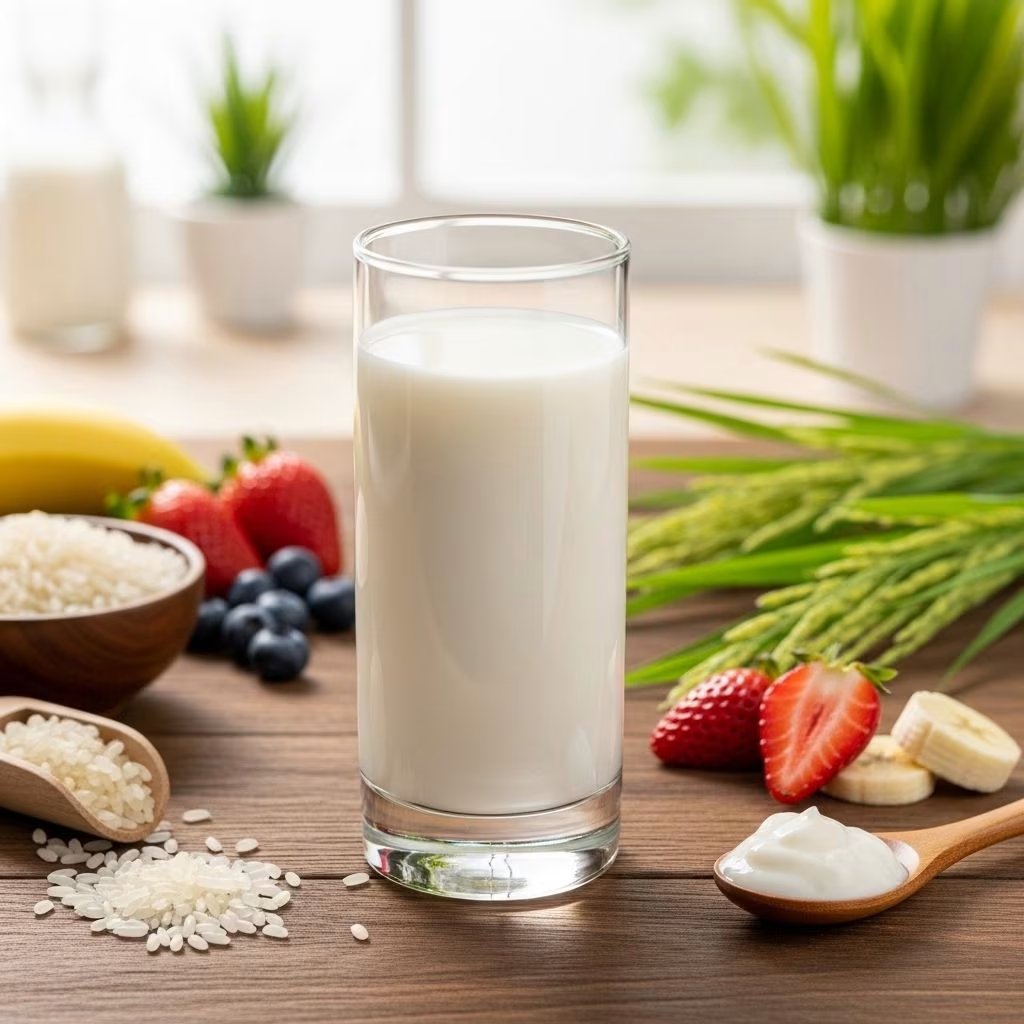
Rice milk has become one of the most widely enjoyed non-dairy milk alternatives. Its light flavor, allergen-friendly profile, and versatility in the kitchen make it popular among vegans, individuals with food allergies, and curious consumers alike. This guide offers an in-depth exploration into what rice milk is, its nutritional profile, unique health benefits, everyday uses, as well as how it tastes when compared to other plant-based and animal milks.
Rice Milk Overview: What Is It?
Rice milk is a plant-based beverage made primarily from rice and water. It is typically produced by blending milled rice (usually white or brown) with water, then straining to separate the liquid from the solids. Most commercial varieties are fortified with nutrients such as calcium, vitamin D, and vitamin B12 to resemble the nutritional content of cow’s milk.
Rice milk is naturally dairy-free, lactose-free, gluten-free, and nut-free, making it a leading choice for people with allergies or intolerances to common allergens found in other milks.
- Base ingredients: Rice (white or brown), water
- Common fortifications: Calcium, vitamin D, vitamin B12, vitamin A (in commercial versions)
- Primary attributes: Naturally sweet, thin consistency, hypoallergenic
- Typical shelf life: Unopened cartons can last several months; homemade lasts about 3-5 days refrigerated
Rice Milk Nutrition Facts
The nutrient profile of rice milk differs from cow’s milk and other plant-based drinks. Here is a summary based on unsweetened, fortified rice milk per 8-ounce (240 ml) serving:
| Nutrient | Rice Milk (Unsweetened, Fortified) | Whole Cow’s Milk | Soy Milk (Fortified) | Almond Milk (Unsweetened) |
|---|---|---|---|---|
| Calories | ~120 | ~150 | ~80-100 | ~30–50 |
| Protein (g) | <1 | 8 | 7 | 1 |
| Total Fat (g) | 2.5 | 8 | 4 | 2.5 |
| Saturated Fat (g) | 0 | 4.5 | 0.5 | 0.2 |
| Carbohydrate (g) | 23 | 12 | 4 | 2 |
| Sugar (g) | 10 | 12 | 6 | 0 |
| Calcium (mg) | 300 | 276 | 300 | 450 |
| Vitamin D (mcg) | 3.8 | 2.5 | 3 | 2.5 |
| Vitamin B12 (mcg) | 0.6 | 1 | 2.1 | 0.7 |
Key highlights:
- High carbohydrate, low protein: Rice milk contains more carbs but far less protein than cow’s milk or fortified soy milk. This can affect its suitability for people needing higher protein intake.
- Low in fat and saturated fat: Suitable for those wishing to lower fat or cholesterol intake. No cholesterol content.
- Naturally sweet: Even without added sugar, rice milk’s carbohydrate structure lends subtle sweetness.
- Fortified options: Commercial types are fortified with calcium and vitamins to match cow’s milk nutrient profile. Homemade rice milk offers less of these nutrients.
- Glycemic index: Rice milk has a high glycemic index (GI 79–85), much higher than cow’s milk or most other plant milks. This means it is absorbed quickly and can raise blood sugar rapidly.
Potential Health Benefits of Rice Milk
- Hypoallergenic: Contains no lactose, gluten, soy, or nuts, making it a safe milk alternative for people with multiple allergies.
- Dairy- and cholesterol-free: Suitable for vegan, vegetarian, and cholesterol-lowering diets.
- Low in saturated fat: Promotes heart health by providing no saturated fat and no cholesterol.
- Easily digestible: Its thin consistency and bland profile can be gentler on sensitive digestive systems.
- Often fortified to provide key micronutrients: Many brands offer calcium, vitamin D, and B12 in quantities similar to cow’s milk.
- Environmentally friendly: Producing rice milk tends to have lower environmental impacts compared to cow’s milk production, though water usage for rice cultivation is considerable.
Why Is Fortification Important?
Because rice milk is not naturally rich in calcium, vitamin B12, or vitamin D, fortification helps it serve as a more complete milk alternative, especially for plant-based diets or for children who might otherwise miss out on essential nutrients found in dairy.
Culinary Uses of Rice Milk
Rice milk can be used anywhere cow’s milk is suitable, depending on desired texture and nutrition. Its mild sweetness can slightly alter the flavor of final dishes, but many find it a suitable substitute in a wide variety of recipes:
- Breakfast: Pour over cereal, oats, granola, or in smoothies for subtle sweetness.
- Beverages: Blend into coffee, tea, hot cocoa, fruit shakes, or smoothies.
- Baking: Works as a direct substitute in cakes, muffins, quick breads, pancakes, and cookies.
- Sauces and soups: Use in creamy sauces, soups, and chowders where a neutral but slightly sweet base is desirable.
- Custards and puddings: Ideal when lactose-free, light dessert bases are needed.
- Frozen treats: Can be churned into basic ice cream or popsicle recipes.
Its thin and watery consistency makes it less ideal where creaminess and structure are crucial, such as in making whipped cream or custards with a dense set.
What Does Rice Milk Taste Like?
Rice milk is known for its naturally sweet taste, even in unsweetened versions, due to the carbohydrate content of rice breaking down into simple sugars during processing. Most find the flavor mild, neutral, somewhat watery, with a hint of sweetness.
- Neutral flavor: Less earthy or beany than soy milk, nutty like almond milk, or grassy like oat milk.
- Subtle natural sweetness: Often described as “light” or “refreshing.”
- Light texture: Thinner mouthfeel than cow’s milk, almond milk, or soy milk. Does not coat the palate like higher-fat options.
- Aftertaste: Little to none. Sometimes described as rice water with a touch of maltiness.
Summary: Rice milk’s taste rarely overwhelms recipes, which makes it ideal for dishes where you want a background sweetness but not much else in terms of flavor.
Rice Milk vs. Other Milks: Table Comparison
| Attribute | Rice Milk | Cow’s Milk | Soy Milk | Almond Milk | Oat Milk |
|---|---|---|---|---|---|
| Allergen-free | Yes (most brands) | No (lactose) | No (soy) | No (nuts) | No (gluten in some brands) |
| Protein | <1g | 8g | 7g | 1g | 3g |
| Calories (per 8 oz) | ~120 | 150 | 100 | 30–50 | 120 |
| Calcium (fortified) | ~300mg | ~276mg | ~300mg | ~450mg | ~350mg |
| Sugar (natural + added) | 10g | 12g (lactose) | 6g | 0g | 7g |
| Glycemic Index | 79-85 | 27–34 | 34 | 25–30 | 55–70 |
Risks & Considerations
- Low protein content: Rice milk has very little protein compared to cow’s or soy milk (<1g per serving), which may not be sufficient for growing children or those needing more dietary protein.
- High glycemic index: It is rapidly absorbed, which can lead to spikes in blood sugar. This makes rice milk less suitable for people with diabetes or those monitoring their carbohydrate intake.
- Arsenic content: Rice can absorb arsenic from soil and water; trace amounts may be present in rice milk. While generally considered safe for adults in moderation, children and pregnant women may need to limit intake and vary milk substitutes.
- Unfortified versions lack key micronutrients: Homemade or non-fortified brands are not sufficient sources of calcium, vitamin B12, or vitamin D.
Who Should Choose Rice Milk?
- Individuals with allergies to dairy, soy, or nuts.
- Vegans and vegetarians seeking a plant-based, cruelty-free milk alternative.
- Those who prefer naturally sweetened drinks with a lighter consistency.
- Anyone requiring lactose-free beverages who cannot tolerate cow’s milk or other plant milks due to allergies or intolerances.
Rice milk is generally not recommended as the sole beverage for infants or toddlers due to low protein and essential fat content.
How Is Rice Milk Made? Homemade vs. Store-Bought
Homemade Rice Milk
You can make rice milk at home using cooked rice and water. Homemade versions are usually less sweet and lack fortification, but allow customization. Here is a basic method:
- Blend 1 cup cooked rice with 3–4 cups water until smooth.
- Strain through cheesecloth or a fine mesh sieve if desired.
- Add optional flavorings (vanilla, cinnamon, sweetener).
- Refrigerate and consume within 3–5 days.
Commercial Rice Milk
- Manufactured using enzymatic treatment to break down rice starch into sugars, creating a naturally sweet flavor.
- Fortified with micronutrients to match or exceed the nutritional value of cow’s milk (e.g., calcium, vitamin D, vitamin B12, vitamin A).
- Usually ultra-pasteurized for longer shelf life in aseptic packaging.
- Available in unsweetened, sweetened, and flavored varieties (vanilla, chocolate).
Store-bought rice milk offers a consistently sweet taste and reliable nutrition due to fortification, but often contains stabilizers or added sugars. Homemade is free of additives but typically lacks nutritional enrichment.
Frequently Asked Questions (FAQs)
Q: Is rice milk safe for people with nut, soy, or dairy allergies?
A: Yes, rice milk is naturally free of dairy, soy, and nuts, making it suitable for most people with these allergies. Always check labels to confirm there is no cross-contamination in processing facilities.
Q: Can rice milk replace cow’s milk nutritionally?
A: Fortified rice milk can substitute cow’s milk for calcium and vitamins D and B12, but it is much lower in protein and fat, making it a poor replacement for children under 2 years old or anyone needing high protein intake.
Q: Is rice milk good for diabetics?
A: Due to its high glycemic index and carbohydrate content, rice milk is generally not recommended for people with diabetes or those closely monitoring blood sugar. Soy, almond, or other low-GI milks may be preferable.
Q: Can you heat/cook with rice milk?
A: Rice milk can be used in cooking and baking, but its watery texture limits creaminess in sauces or desserts that require a thick set. It is best in cereals, beverages, baking, and light soups.
Q: Does rice milk contain gluten?
A: Pure rice milk is gluten-free, but some flavored or processed brands may have gluten through additives. Always verify with manufacturers if you are highly sensitive or celiac.
Q: Are there environmental issues with rice milk?
A: While plant-based, rice cultivation requires substantial water and can contribute to methane emissions. It is still generally less resource-intensive than cow’s milk, but oat or soy milks may be more environmentally sustainable for some consumers.
Key Takeaways
- Rice milk is an accessible, mild-flavored, allergen-friendly plant milk, ideal for those avoiding dairy, soy, and nuts.
- High in carbohydrates, low in protein and fat. Not suitable as exclusive milk source for children under 2 years.
- Available in fortified forms to improve calcium and vitamin content, but watch for added sugars.
- Use it in beverages, cereals, or light cooking and baking, but note its thin, watery texture and mild, naturally sweet taste.
References
- https://edis.ifas.ufl.edu/publication/FS412
- https://foodstruct.com/food/rice-milk
- https://glycemic-index.net/rice-milk/
- https://www.nutritionvalue.org/Rice_milk_11360000_nutritional_value.html
- https://www.healthline.com/health/milk-almond-cow-soy-rice
- https://myhdiet.com/blogs/healthnews/everything-you-need-to-know-about-rice-milk


