


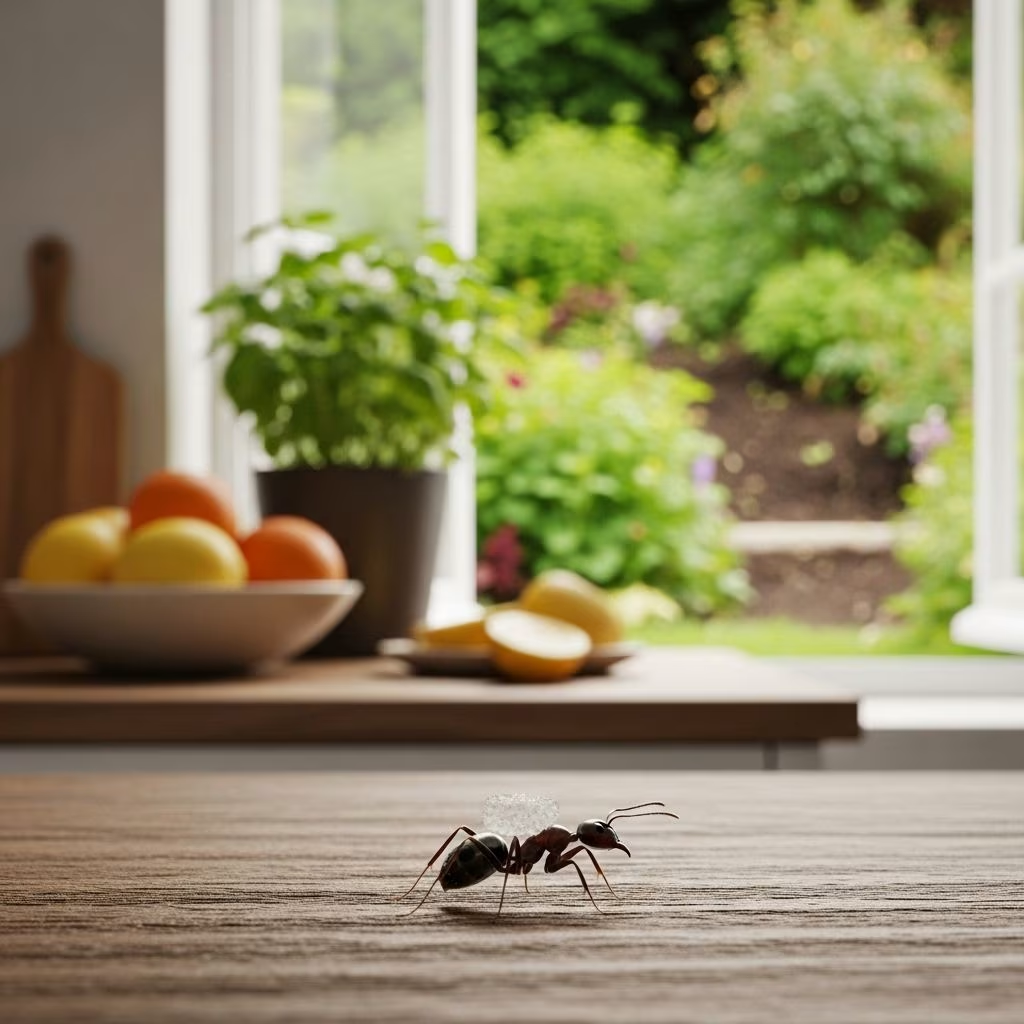
Ant infestations can disrupt the comfort and hygiene of any household. While professional treatments are available, numerous natural and safe home remedies can effectively repel or eliminate ants without relying on toxic chemicals. This guide will explore scientifically proven and practical remedies, explain how to use each solution, address safety concerns, and emphasize prevention strategies for long-term ant control.
Understanding Ant Behavior
Ants are social insects attracted to food, moisture, and shelter. They communicate by leaving pheromone trails that guide their colony members to reliable food sources. Recognizing how ants enter and establish themselves in homes is crucial for targeting both existing infestations and potential reentries.
- Common Entry Points: Cracks, window sills, door frames, plumbing, and utility lines.
- Food Sources: Sugary foods, crumbs, pet food, and even plant sap.
- Colony Structure: Most household ants live in colonies with a queen and many worker ants. Effective control often targets both workers and the queen.
Why Choose Natural Remedies?
Traditional chemical insecticides, while effective, may carry risks for children, pets, and beneficial wildlife. Natural remedies are preferred for those seeking low-toxicity, eco-friendly, and sustainable ant control, especially indoors. They often use common household items and plant-derived substances that disrupt ant behavior or eliminate them directly.
- Safety: Reduced exposure to harmful toxins.
- Ease of Use: Remedies require minimal equipment or technical expertise.
- Environmental Impact: Safer for the environment and non-target organisms.
Top Natural Home Remedies to Get Rid of Ants
1. White Vinegar Spray
How it works: Disrupts ant pheromone trails and repels ants through strong acidity and odor.
How to use:
- Mix equal parts white vinegar and water in a spray bottle.
- Spray directly onto surfaces where ants are active: countertops, floors, entry points, and ant trails.
- Repeat daily until ants are no longer visible.
This solution can also be used for general cleaning, doubling as a disinfectant.
Sources:
2. Essential Oils: Peppermint, Eucalyptus, Tea Tree, and Cinnamon
How it works: Intense aromas mask ant trails and repel ants. Certain compounds directly affect their nervous system.
- Add 10–15 drops of oil (e.g., peppermint, tea tree, cinnamon leaf, eucalyptus) to one cup water.
- Pour into a spray bottle. Shake thoroughly.
- Spray around doors, windows, under appliances, baseboards, and entry points.
- Soak cotton balls in undiluted oil and place in cupboards, behind appliances, or anywhere ants have been noticed.
Cinnamon leaf essential oil contains trans-cinnamaldehyde, which can kill and repel ants. Replace cotton balls weekly for continued effect.
Sources:
3. Diatomaceous Earth (Food-Grade)
How it works: Abrasive powder acts physically to dehydrate ants by damaging their exoskeleton.
- Sprinkle food-grade diatomaceous earth around: door and window sills, baseboards, foundation cracks, entry points, and ant bait trails.
- Keep the powder dry, as moisture reduces its effectiveness.
- Reapply after cleaning or if area becomes damp.
Safe for use near pets if not inhaled and when following package instructions.
Sources:
4. Borax and Boric Acid DIY Ant Baits
How it works: Acts as a slow-acting ant killer, targeting both workers and the queen when taken back to the nest.
- Mix 1/2 tsp borax, 8 tsp sugar, and 1 cup warm water to form a syrup.
- Saturate cotton balls or fill jar lids with the mixture. Place in areas frequented by ants (away from kids and pets).
- Alternatively, mix boric acid with sugar and water, soak cotton balls, and place at problem spots.
Ants are attracted to the sugar, carry the mixture back to the colony, and poison spreads.
Sources:
5. Baking Soda and Sugar Trap
How it works: Ants ingest the mix; baking soda reacts with acidic substances in their bodies, causing death.
- Mix equal parts baking soda and sugar.
- Sprinkle the mixture in ant-prone areas, near nests, or on visible trails.
Safer for homes with pets and children than borax, though results may be slower.
Sources:
6. Lemon Juice and Citrus Peels
How it works: Acids remove scent trails; citrus disrupts ant detection and communication.
- Squeeze fresh lemon juice and apply around entry points, windows, and doorways.
- Mix one part lemon juice with three parts water for spraying.
- Place orange or lemon peels in cupboards, behind appliances, or in corners.
Lemon juice works best in combination with other deterrents.
Sources:
7. Bay Leaves
How it works: Natural repellent for ants, cockroaches, and other pantry pests.
- Place whole bay leaves inside containers with dry foods (flour, rice, cereals).
- Crush leaves and sprinkle powder around entryways, kitchen cabinets, and problem spots.
Safe and effective for prevention of ants in pantries.
Sources:
8. Cornstarch
How it works: Smothers and suffocates groups of ants.
- Pour cornstarch liberally on a cluster of ants.
- Either add water (creating a paste that traps and kills ants) or vacuum them up and dispose of the bag outdoors.
Best used for visible, concentrated groups of ants outdoors or on hard surfaces.
Sources:
9. Boiling Water
How it works: Directly kills ants in anthills or nest openings.
- Boil a pot of water and carefully pour it into visible ant nest entrances near the house.
May not reach all deep colony members. Repeat for multiple nests.
Sources:
10. Neem Oil
How it works: Deters feeding, repels, and disrupts ant reproduction.
- Spray neem oil around garden plants and outdoor entry points where ants congregate.
- Can be applied directly to windowsills or cracks.
Particularly useful for outdoor areas and around other pests like aphids.
Sources:
Effectiveness & Practical Tips
| Remedy | Best Used For | Hazards | Speed of Results |
|---|---|---|---|
| White Vinegar | Trails, surfaces, entry points | Mild odor | Fast |
| Peppermint Oil | Repelling, entry points | Strong smell; avoid eye contact | Medium |
| Diatomaceous Earth | Perimeter, cracks, nests | Irritant if inhaled | Slow/Medium |
| Borax/Boric Acid | Destructive ant baits | Toxic to pets/kids | Slow/Medium |
| Lemon Juice | Entry points | Sticky residue possible | Medium |
| Bay Leaves | Pantries/prevention | None | Slow/Preventive |
| Cornstarch | Visible groups | Messy cleanup | Fast |
| Boiling Water | Outdoor nests | Scald risk | Fast for surface ants |
| Neem Oil | Gardens/outdoors | Not for foods | Medium |
Prevention: Long-Term Ant Control
- Seal entry points: Use caulk for cracks, gaps in windows/doors, and around pipes.
- Clean surfaces: Remove crumbs, spills, and pet food promptly.
- Store food safely: Keep dry foods in airtight containers.
- Fix leaks: Repair dripping faucets or water-damaged areas that attract ants for moisture.
- Remove ant trails: Clean known ant paths using vinegar or soapy water to break communication.
- Regular maintenance: Inspect foundations, baseboards, and outdoor spaces for new ant activity routinely.
Safety Considerations
- Borax, Boric Acid: Always place baits in inaccessible locations for children and pets.
- Diatomaceous Earth: Use food-grade versions only; avoid inhaling dust during application.
- Essential Oils: Some concentrated oils may irritate skin, eyes, or respiratory tract. Use diluted solutions for direct spraying or handling.
- Boiling Water: Exercise caution outdoors to avoid burns.
- Cinnamon Leaf Oil, Neem Oil: Avoid use near food preparation areas unless verified safe.
Frequently Asked Questions (FAQs)
Q: Which home remedy works fastest for indoor ant infestations?
Spraying white vinegar directly on ant trails will quickly disrupt pheromone communication and repel ants within hours. For killing individual ants, boiling water and cornstarch are immediate but best used for visible clusters only.
Q: Are natural ant baits safe for pets and children?
Borax and boric acid are not safe for pets and children when left in accessible areas. Baking soda and sugar traps are safer alternatives but still require supervision.
Q: Can essential oils alone permanently solve an ant problem?
Essential oils are best used as repellents and disruptors but rarely eliminate established colonies alone. For lasting results, combine oils with effective baiting and thorough cleaning procedures.
Q: How often should I repeat these remedies?
Repeat most remedies (sprays, powders, baits) daily for active infestations, then switch to weekly or biweekly for prevention, especially during spring and summer when ants are most active.
Q: Is diatomaceous earth safe for indoor use?
Food-grade diatomaceous earth is safe indoors if application avoids airborne dust. Only sprinkle lightly near ant trails and avoid excessive use near fans, heaters, or vents.
Q: What if natural remedies don’t work?
If an ant problem persists despite multiple remedies and prevention, it may indicate a large or deeply hidden colony. Contacting a licensed pest control professional is advised for safe and complete eradication.
Final Tips for Effective Ant Control
- Use multi-modal strategies: Combine repellents (vinegar, essential oils) with kill methods (borax, boiling water, diatomaceous earth) for most effective results.
- Maintain cleanliness: Regularly vacuum and mop, paying special attention to corners and under heavy appliances where crumbs collect.
- Monitor: Log ant sightings and activity patterns to optimize placement of remedies and traps.
- Outdoor control: Treat anthills, trim vegetation touching the house, remove debris, and address moisture problems around the home’s foundation.
With consistent care and practical application of these proven remedies, homeowners can achieve long-term control of ant infestations without resorting to harsh chemicals or expensive interventions. Start with the solutions best suited to your home’s needs, remain diligent, and adjust strategies as necessary for a pest-free environment.
References
- https://www.nativepestmanagement.com/blog/2025/february/10-solutions-to-get-rid-of-sugar-ants-naturally/
- https://www.kodiakpestcontrol.com/blog/home-remedies-for-getting-rid-of-ants-naturally/
- https://www.healthline.com/health/how-to-kill-ants
- https://www.pestex.ca/4-effective-home-remedies-prevent-ant-invasion/
- https://www.youtube.com/watch?v=vbjyuVDKvvA
- https://www.youtube.com/watch?v=TycvvVdvL_s


