


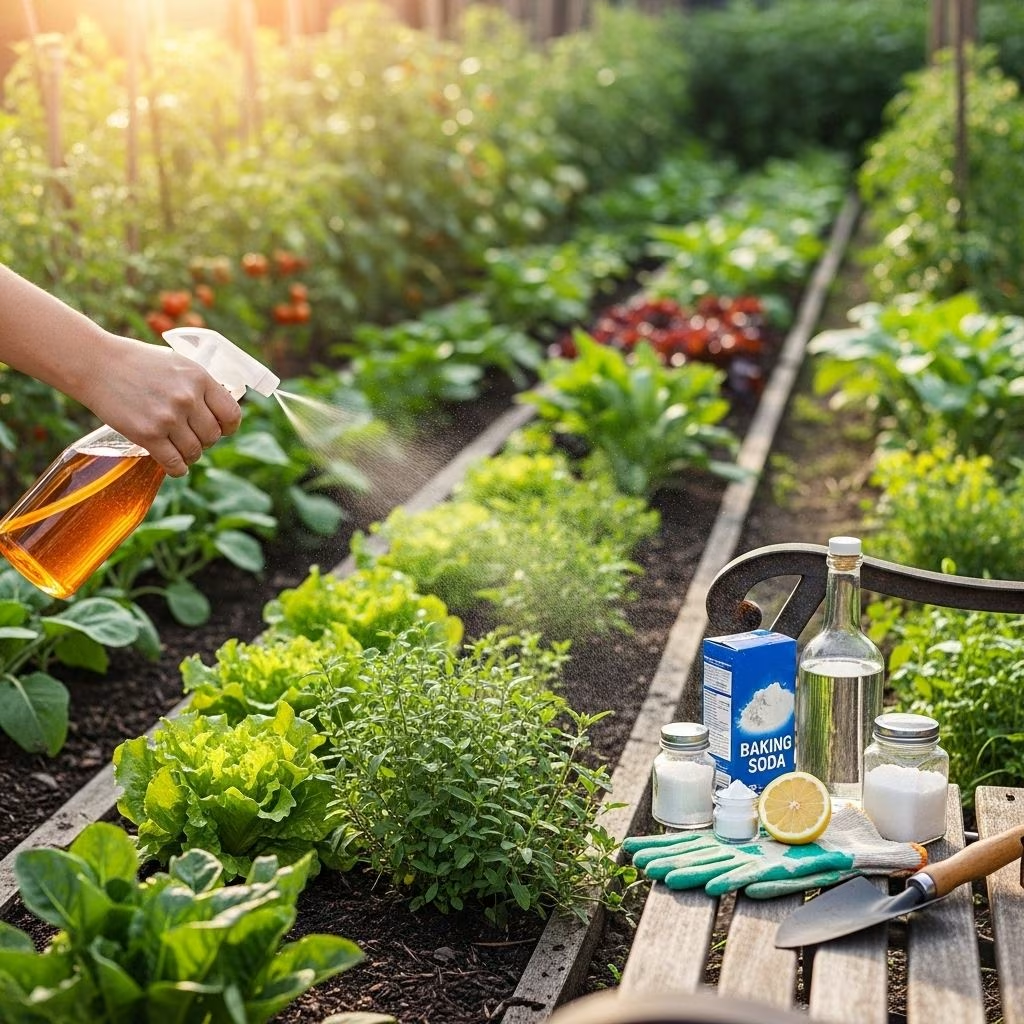
Home Remedies Weed Killer: The Complete Guide to Natural Weed Control
Weeds are a persistent challenge for gardeners and property owners, often threatening the vitality and aesthetics of lawns and flower beds. While commercial herbicides offer quick solutions, many contain harsh chemicals that pose risks to human health, pets, beneficial insects, and the environment. Fortunately, a range of home remedies for weed killer can provide effective, eco-friendly weed management using simple household ingredients. This comprehensive guide covers everything you need to know to prepare, apply, and maintain natural weed killers for a healthier garden.
Why Choose Home Remedies for Weed Killer?
Home remedies offer several compelling advantages over conventional herbicides:
- Eco-friendly: Natural ingredients minimize harm to soil, wildlife, and non-target plants, offering a safer solution for households with pets and children.
- Cost-effective: Most remedies use common, inexpensive kitchen supplies like vinegar, salt, and baking soda.
- Reduced chemical exposure: Avoids toxic residues and long-term buildup in the ecosystem.
- DIY flexibility: Recipes allow you to tailor concentrations and combinations for specific weed types and garden needs.
However, natural weed killers often require more careful application and may need repeated treatments for persistent or deep-rooted weeds. Understanding when and how to use these remedies is key to their effectiveness.
Natural Ingredients Used in Weed Killers
The most effective home remedies rely on certain household products renowned for their weed-killing properties. Here’s a breakdown of widely used ingredients and how they work:
- White Distilled Vinegar:
- Contains acetic acid, which dissolves weed tissues, causing rapid dehydration.
- Most effective on young or surface-level weeds.
- Table Salt (Sodium Chloride):
- Draws out moisture and disrupts cellular processes, leading to plant death.
- Can alter soil chemistry, so should be used cautiously and never on garden beds with desirable plants.
- Baking Soda:
- Alkaline compound disrupts weed cell integrity, effective for cracks and walkways.
- Liquid Dish Soap:
- Acts as a surfactant, helping solutions stick to leaves and penetrate plant tissues.
- Boiling Water:
- Extreme heat scalds and destroys weed foliage, best for hard surfaces without nearby plants.
- Lemon Juice:
- The citric acid burns plant tissues, useful for small weeds or cracks.
- Essential Oils:
- Oils such as cinnamon, citrus, clove, lavender, and peppermint have natural herbicidal action and add a pleasant scent.
- Newspaper/Cardboard:
- Physical barrier deprives weeds of light, air, and space, smothering growth.
- Borax:
- Common cleaning agent that can kill weeds when diluted and sprayed directly.
- Cornmeal/Corn Gluten Meal:
- Prevents weed seeds from germinating and growing.
Top Homemade Weed Killer Recipes
Below are the most popular home remedies, including step-by-step instructions for each method.
1. Vinegar & Dish Soap Weed Killer
- Ingredients: 1 part white vinegar, 1 part dish soap.
- Equipment: Spray bottle.
- Method:
- Mix vinegar and dish soap in spray bottle and shake gently.
- On a sunny day, spray directly on weed foliage, avoiding desirable plants.
- Repeat every few days until weeds wilt; effectiveness increases with direct sunlight.
2. Vinegar, Salt, & Dish Soap Combo
- Ingredients: 1 gallon white vinegar, 1 cup salt, 1 tablespoon dish soap.
- Method:
- Stir ingredients together thoroughly.
- Pour mixture into spray bottle for easy application.
- Spray generously on weeds, taking care to avoid plants you wish to keep.
3. Boiling Water
- Ingredients: Water.
- Method:
- Bring water to a rolling boil in a kettle or pot.
- Carefully pour boiling water directly on weeds, especially effective in driveways, walkways, and patios.
- Repeat applications as needed; well-suited for areas where no wanted plants grow nearby.
4. Baking Soda Weed Control
- Ingredients: Baking soda.
- Method: Sprinkle a generous amount directly onto weeds, focusing on stems and foliage.
- Apply especially in cracks or crevices where weeds sprout.
5. Lemon Juice Solution
- Ingredients: Fresh or bottled lemon juice (about five lemons).
- Method:
- Extract juice and pour or spray directly onto weed leaves.
- Citric acid burns and desiccates weeds; repeat if necessary.
6. Essential Oil Spray
- Ingredients: 20 drops essential oils (cinnamon, citrus, clove, etc.), 1 teaspoon dish soap, 1 quart water.
- Method:
- Combine all ingredients in spray bottle and mix well.
- Spray directly onto weed foliage; reapply every few days until wilted.
7. Salt Weed Killer
- Ingredients: 1 part table salt, 2-3 parts water.
- Method:
- Dissolve salt in water.
- Pour or spray solution on weeds found on non-soil surfaces (gravel, patios).
Note: Not recommended for beds or lawns—may render soil infertile for future planting.
8. Newspaper Mulch
- Ingredients: Wet newspaper.
- Method:
- Lay sheets over weed-infested areas.
- Cover with mulch or weights to prevent movement.
- Blocks sunlight and air, effectively smothering weeds.
Comparison Table: Key Home Remedies Weed Killers
| Remedy | Main Ingredients | Best For | Precautions |
|---|---|---|---|
| Vinegar + Soap | White vinegar, dish soap | Young weeds, sunny sites | May harm desired plants |
| Vinegar + Salt + Soap | White vinegar, salt, dish soap | Walkways, driveways | Avoid garden beds |
| Boiling Water | Water | Hard surfaces, cracks | May scald roots of wanted plants |
| Baking Soda | Baking soda | Cracks, patio joints | Can alter soil pH |
| Newspaper Mulch | Newspaper, water | Garden beds, large areas | N/A (avoids chemicals) |
| Lemon Juice | Lemon juice | Small infestations | May acidify soil |
| Essential Oils | Oils, dish soap, water | Minor outbreaks | May irritate skin |
| Salt Solution | Salt, water | Non-soil areas only | Long-term soil damage |
Application Methods and Tips
Effective weed control depends not only on choosing the right recipe but also on proper application. Follow these tips to maximize success:
- Use a clean spray bottle for liquid solutions to ensure uniform coverage.
- Apply treatments on warm, sunny days—sunlight accelerates absorption and dehydration, especially for vinegar-based remedies.
- Target the entire weed, particularly the leaves and growing tips; some remedies only affect surface growth.
- Protect neighboring plants using cardboard shields or by applying solutions with care around desirable vegetation.
- Repeat applications as needed for deep-rooted or stubborn weeds, particularly after rain or watering.
- For boiling water and salt, use localized pouring to prevent runoff or collateral damage.
Preventing Weed Growth Naturally
Once weeds are removed, prevention keeps your garden healthy and reduces future labor. Consider these non-toxic prevention techniques:
- Baking Soda: Sweep into cracks or sprinkle during early spring to block seed germination.
- Cornmeal (Corn Gluten Meal): Inhibits germination; apply in early spring and after removing mature weeds.
- Mulching: Spread organic mulches (pine straw, bark, compost) or a thick layer of newspapers/cardboard to deprive weeds of light.
- Regular Cultivation: Hoe and rake soil regularly to disrupt weed sprouts before they establish.
- Dense Planting: Grow desirable plants densely to shade out weed seedlings.
Best Practices and Safety Considerations
Natural does not always mean harmless. Keep these important safety and effectiveness tips in mind:
- Wear gloves when working with acidic substances (vinegar, lemon juice, essential oils).
- Avoid windy days for spraying to reduce drift onto beneficial plants or lawn grasses.
- Test remedies first in a small area to ensure no negative impact on wanted plants or soil.
- Take caution with salt and borax—excess salt can cause long-term damage to soil fertility, and borax can be toxic in high concentrations.
- Store homemade solutions away from children and pets, label bottles, and discard unused mixtures responsibly.
- Monitor treated areas for regrowth and intervene early with supplemental treatments if needed.
Troubleshooting Common Issues
- Solution does not kill weeds:
- Try increasing the concentration slightly or apply on a sunnier day.
- Ensure thorough coverage—dry, mature weeds require multiple treatments.
- Collateral damage to wanted plants:
- Shield desirable plants with cardboard or plastic while spraying.
- Apply using a sponge or targeted nozzle.
- Soil infertility or plant yellowing:
- If excessive salt, vinegar, or borax was used, flush area with water and organic compost to restore balance.
- Avoid future salt-based treatments on garden beds.
- Persistent weeds:
- Combine physical removal (digging, hoeing) with natural sprays for deep-rooted weeds.
- Apply borax or newspaper mulch for hard-to-kill perennial weeds.
Frequently Asked Questions (FAQs)
Q: Are home remedies weed killers safe for pets and children?
A: Most natural remedies are safer than chemical herbicides, but caution is always advised—avoid treating areas where pets or children play immediately afterward. Always store mixtures securely and rinse hands and equipment after use.
Q: Will vinegar kill grass as well as weeds?
A: Yes, vinegar is non-selective and can damage or kill grass if sprayed directly. Target only weed foliage and shield lawns during application.
Q: How long does it take for homemade weed killer to work?
A: Results typically appear within 1-3 days on young, tender weeds; mature or persistent weeds might require repeated applications over several weeks.
Q: Can I use home weed remedies on vegetable gardens?
A: Yes, but only with non-residual remedies like boiling water or targeted vinegar sprays. Avoid salt-based recipes and broad application of any solution that might alter soil chemistry.
Q: Is salt or borax safe for all areas?
A: No, avoid using salt or borax on garden beds, lawns, or anywhere future planting is desired; restrict use to pavements and driveways.
Conclusion
Natural weed killers offer safe, effective, and eco-friendly alternatives to commercial herbicides, allowing gardeners to protect their environment while maintaining beautiful green spaces. By choosing the right ingredients, following best practices, and incorporating prevention strategies, you can keep weeds at bay and foster a thriving, healthy garden without resorting to harsh chemicals.


