


Introduction
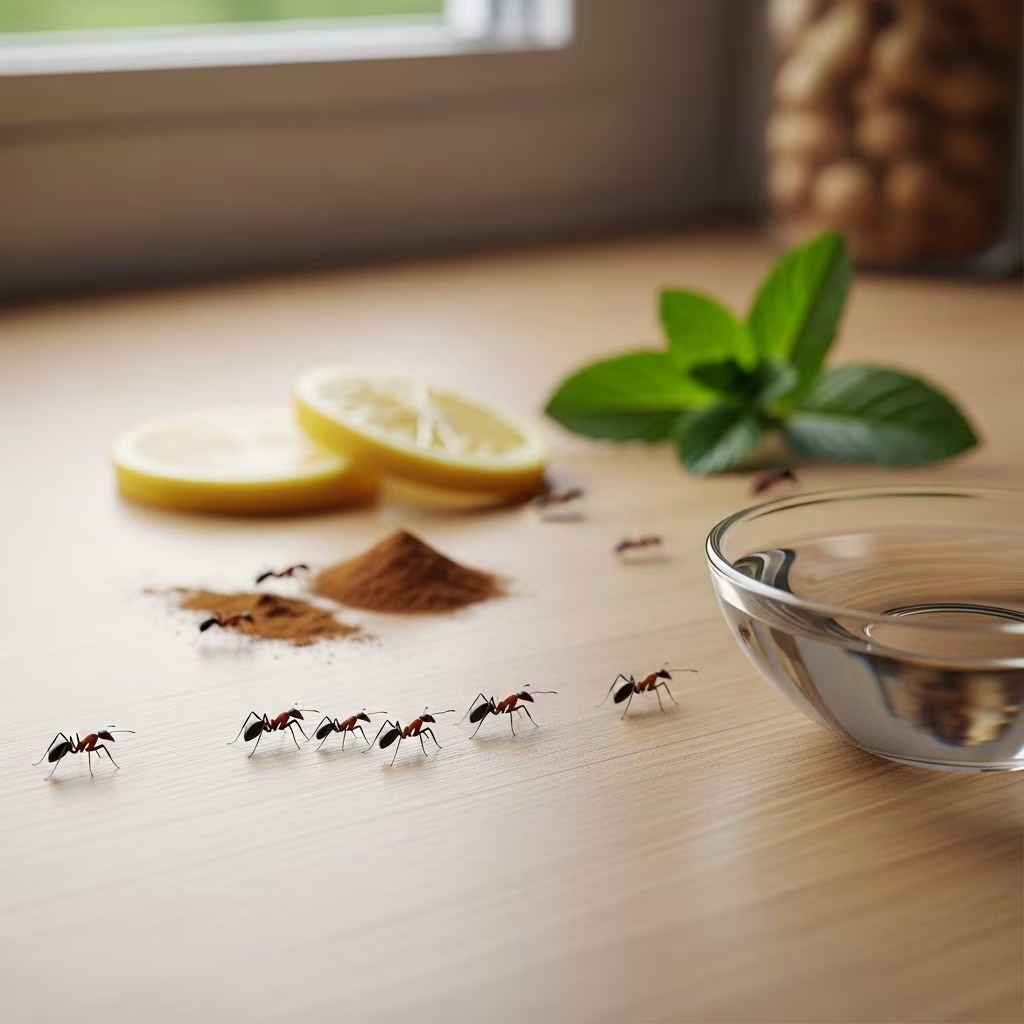
Ants are among the most persistent household pests, capable of invading kitchens, bathrooms, and gardens in search of food and water. While professional pest control is an option, it often involves harsh chemicals that can be hazardous to pets and children. Fortunately, a variety of natural home remedies exist that are safe, effective, and environmentally friendly for eliminating ant problems. In this comprehensive guide, you’ll discover science-backed and time-tested home solutions for repelling and killing ants, as well as tips for keeping them from coming back.
Understanding Ants in the Home
Common household ants include Argentine ants, odorous house ants, and carpenter ants, each attracted by food sources and moisture. Ants enter through cracks, crevices, and poorly sealed doors or windows, establishing trails to food spots and sometimes building nests inside walls or under floors.
Ants use chemical signals called pheromone trails to guide other colony members to food sources, which is why it’s crucial to not only kill ants but also disrupt their scent trails to prevent reinfestation.
Why Ants Invade Indoors
- Easy access to food, especially sweets or proteins.
- Moisture, such as sinks, bathrooms, and overwatered houseplants.
- Warmth and shelter from predators or weather.
Signs of Ant Infestation
- Visible ant trails leading to crumbs, spilled foods, or pet bowls
- Small piles of dirt or sand indoors, a sign of nest building
- Winged ants (swarmers) inside during spring or summer
- Rustling noises in walls, indicating nesting activity
- Sticky residues or stains from honeydew excreted by some species
Top Home Remedies to Kill and Repel Ants
The following remedies use household ingredients and are supported by scientific studies, pest control experts, and user experience. Each technique is explained with application instructions, effectiveness, and safety notes.
1. Vinegar Solutions
- Mix equal parts white vinegar and water in a spray bottle.
- Spray directly on ant trails, entry points, and surfaces in kitchens.
- Vinegar dissolves scent trails, confusing the colony and repelling future visitors.
Note: The scent fades quickly for humans but remains detectable to ants for hours.
2. Borax Ant Bait
- Borax (sodium tetraborate) disrupts ant digestion and kills them after ingestion.
- Mix 1/2 tsp borax, 8 tsp sugar, and 1 cup warm water. Saturate cotton balls and place in lids or shallow containers near ant trails, out of reach of pets and children.
Caution: Borax is toxic if ingested by pets or children. Use only in controlled locations.
3. Diatomaceous Earth
- Food-grade diatomaceous earth physically abrades and dries out ants’ exoskeletons, causing dehydration.
- Sprinkle in cracks, behind appliances, outside door thresholds, and along trail lines.
Safety: Avoid breathing the dust during application; use a mask if needed.
4. Lemon Juice and Citrus Peels
- Mix 1 part lemon juice with 3 parts water; spray on entryways and ant hotspots.
- Place fresh or dried citrus rinds (orange, lemon) in cupboards, corners, and trash areas.
- Acids disrupt scent trails and create an inhospitable environment for ants.
5. Essential Oils (Peppermint, Eucalyptus, Tea Tree, Cinnamon)
Strong-smelling oils block chemical signals, repel ants, and some can kill on contact.
- Peppermint oil: Mix 10 drops with 1 cup water; spray or use on cotton balls near infested areas.
- Cinnamon leaf oil: Saturate cotton balls and place near entry points.
- Eucalyptus and tea tree oils: Similar method; effective against aggressive ant species.
Research: Cinnamon essential oil contains compounds (trans-cinnamaldehyde) proven to kill and repel ants.
6. Baking Soda and Sugar Trap
- Mix equal parts baking soda and powdered sugar.
- Place in shallow containers along ant trails; ants are drawn to sugar and carry baking soda back to the nest.
- Baking soda reacts with the acid in the ants’ digestive systems, killing them.
This remedy is especially suitable for kitchens and food prep areas.
7. Cornstarch Smothering
- Pour cornstarch over groups of ants and add water; the mixture coats and suffocates them, making cleanup easy.
- Alternatively, sprinkle cornstarch over the ants and vacuum them up. Dispose sealed vacuum bag outdoors to prevent reinfestation.
8. Spices and Powders (Cinnamon, Black Pepper, Cayenne)
- Sprinkle ground spices in entryways, corners, and directly onto ant trails.
- Disrupts ant communication and can repel up to 98% of ants with compounds like caryophyllene in black pepper.
- Provides short-term relief and works well during peak infestation.
9. Boiling Water for Outdoor Anthills
- Pour boiling water directly into ant hills found outside, near foundations, or garden beds.
- Repeat several times for deep colonies. Boiling water kills ants on contact and destroys attached nests.
Caution: Avoid pouring near delicate plant roots; it can cause collateral damage.
10. Neem Oil Spray
- Apply full-strength neem oil around plants, infested soil, or ant trails. Neem reduces feeding, repels, and prevents reproduction in ants, especially those that farm aphids.
- Best used outdoors or around houseplants
Ingredient Guide: Safe and Effective Options
| Remedy | Main Ingredient | How It Works | Safety Notes |
|---|---|---|---|
| Vinegar spray | White vinegar, water | Kills ants and disrupts scent trails | Safe, mild odor |
| Borax bait | Borax, sugar, water | Kills ants after ingestion | Toxic – keep away from pets/children |
| Diatomaceous earth | Silicon dioxide (food-grade powder) | Dries out ants’ exoskeleton | Avoid breathing dust |
| Lemon juice | Lemon juice, citrus peels | Disrupts scent trails | Safe, natural |
| Essential oils | Peppermint, eucalyptus, cinnamon | Blocks signals, kills and repels ants | Test for allergies |
| Baking soda trap | Baking soda, sugar | Kills ants internally | Safe if used non-toxically |
| Cornstarch | Cornstarch powder | Suffocates and traps ants | Safe if cleaned promptly |
| Spices | Black pepper, cayenne, cinnamon | Repels/disrupts trails, temporary | Irritant if inhaled |
| Boiling water | Boiling water | Kills ants on contact | Risk of burns, damage to roots |
| Neem oil | Neem oil | Repels, kills, prevents reproduction | Avoid ingestion; use full strength outdoors |
Step-by-Step Application of Remedies
DIY Vinegar-Ant Deterrent Spray
- Combine equal parts white vinegar and water in a clean spray bottle.
- Spot spray along ant trails, baseboards, windowsills, and near food sources.
- Repeat daily or after cleaning floors and counters, as needed.
Borax-Sugar Ant Bait Recipe
- Dissolve 1/2 tsp borax and 8 tsp sugar in 1 cup warm water.
- Saturate cotton balls or pads with the mixture.
- Place in shallow dishes or lids near ant entry points. Monitor daily; reapply fresh baits weekly.
Applying Diatomaceous Earth
- Wear gloves and mask if desired for sensitive skin.
- Sprinkle a thin layer on cracks, along baseboards, under sinks, and outside entryways.
- Leave undisturbed for several days, then vacuum thoroughly. Reapply as needed after rains or deep cleaning.
Baking Soda and Powdered Sugar Trap
- Mix equal parts baking soda and powdered sugar in a small bowl.
- Fill shallow lids and place at the ends of ant trails or near nests.
- Monitor for decrease in ant numbers in 2-7 days. Replace with fresh bait every week if ants persist.
Ant Prevention: How to Stop Ants From Returning
- Seal cracks, crevices, and gaps around windows, doors, and pipes with caulk or weatherstripping.
- Store all pantry foods, sweets, and pet food in airtight containers.
- Clean up spilled crumbs and sugars immediately; wipe surfaces with vinegar after meals.
- Take out garbage and compost often; rinse containers thoroughly before recycling.
- Trim shrubs and trees away from house walls; keep firewood and yard debris off foundations.
- Fix leaky faucets, drains, and pipes to remove excess moisture indoors.
- Regularly inspect indoor plants for aphids, which attract ant colonies.
Safety Considerations
- Borax and commercial ant baits are toxic if ingested. Keep away from children and pets.
- Diatomaceous earth (food grade) is safe for household use but avoid inhaling dust; apply carefully.
- Essential oils and neem oil are potent and may cause irritation or allergic reactions—always spot test and use appropriate dilutions.
- Cinnamon leaf oil and other concentrated substances should be kept out of reach of pets.
Frequently Asked Questions (FAQs)
Q: Do home remedies actually kill entire ant colonies?
A: While remedies like borax baits, baking soda traps, and boiling water can kill a significant number of ants, fully eradicating colonies may require repeated applications and combining several methods. Deep colonies may persist unless the queen is affected.
Q: Are natural remedies safe for homes with pets and children?
A: Most remedies, including vinegar sprays, citrus peels, diatomaceous earth (food-grade), and baking soda bait are generally safe. However, avoid borax near children and pets, as it is toxic. Always place traps in inaccessible areas and supervise use.
Q: How quickly do these remedies work?
A: Vinegar spray and boiling water provide immediate results, repelling or killing ants on contact. Borax baits and baking soda traps may take several days to weeks for a noticeable reduction, as ants must carry the substance back to the colony.
Q: Can essential oils repel all types of ants?
A: Most strong oils—especially peppermint, cinnamon, and eucalyptus—are effective against common household ants, but some species are more resilient. Pairing oils with other methods, such as vinegar cleaning, improves effectiveness.
Q: Why do ants keep returning after treatment?
A: Persistent ants may have multiple hidden entry points or nests. Preventive measures—including sealing gaps, deep cleaning, and regular deterrent applications—are crucial for long-term control.
Conclusion
Combating ants in the home doesn’t require hazardous chemicals or expensive treatments. Strategic use of popular home remedies—such as vinegar spray, borax baits, diatomaceous earth, essential oils, and simple baking soda traps—can protect your living spaces while keeping pets and family safe. Understanding how ants communicate and locating entry points is key to sustained success. With preventive tactics and occasional spot treatment, you can keep your home ant-free using affordable and eco-friendly solutions.


