


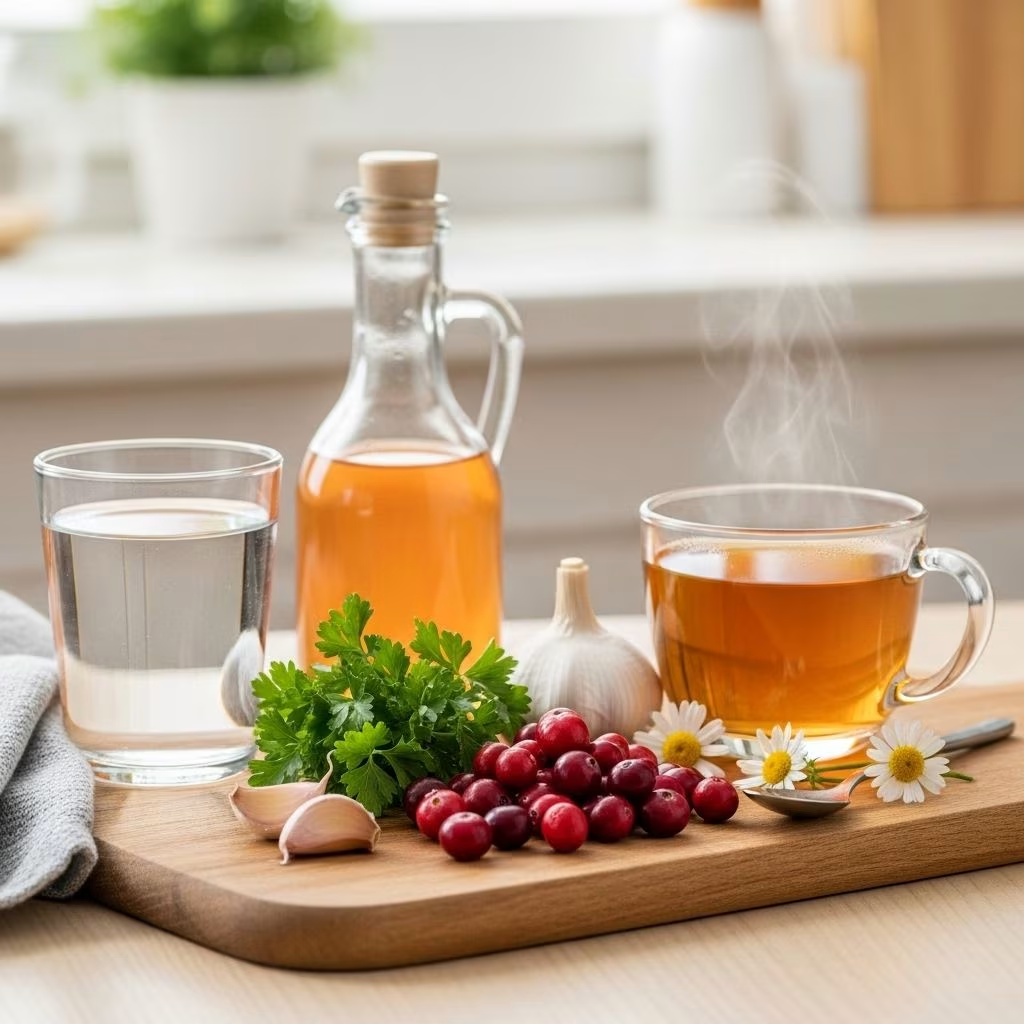
Bladder infections, medically referred to as cystitis, are among the most common types of urinary tract infections (UTIs), causing discomfort and disrupting daily life. While antibiotics remain the standard treatment for these infections, many people seek home remedies to alleviate symptoms, boost recovery, or prevent future episodes. This detailed guide explores research-backed home remedies, safety tips, prevention strategies, and when medical care is essential.
Understanding Bladder Infections
A bladder infection is caused by bacteria — most commonly Escherichia coli (E. coli) — entering and multiplying in the bladder. Bladder infections affect people of all ages and genders, but women are especially at risk due to anatomical differences, hormonal changes, and certain health behaviors.
Most bladder infections are mild, but some can become severe or lead to complications if left untreated. Early recognition and management are crucial for rapid recovery.
Symptoms and Diagnosis
Recognizing the signs of a bladder infection is critical for timely intervention. Common symptoms include:
- Frequent, urgent need to urinate, often with little output
- Burning sensation during urination
- Cloudy, strong-smelling, or bloody urine
- Pelvic discomfort or lower abdominal pressure
- Mild fever or chills (if infection is progressing)
If bladder infection is suspected, diagnosis is usually based on symptoms and a urine sample analyzed for bacteria or white blood cells. Severe cases, especially if accompanied by back pain, nausea, vomiting, or high fever, may require additional medical evaluation.
Best Home Remedies for Bladder Infections
It is important to note that while home remedies can help alleviate symptoms or reduce risk of future infections, they are not a substitute for antibiotics when an active infection is present. Home remedies are best used as complementary strategies for symptom relief or prevention. Below are the most researched and effective home remedies:
Hydration: The Most Important Step
Drinking plenty of water is the top recommendation for those dealing with a bladder infection. Increased fluid intake helps dilute urine, making it less painful to pass, and flushes bacteria out of the urinary tract more rapidly.
Tips for hydration:
- Aim for at least eight glasses of water per day, or more if tolerable.
- Include water-rich foods such as watermelon, oranges, lettuce, cucumbers, soups, or broths.
- Avoid heavy caffeine and alcohol, as these can irritate the bladder lining.
Urinate Frequently: Don’t ‘Hold It’
Regular urination prevents bacteria from multiplying inside the bladder. Delaying urination allows pathogens to colonize and worsen infection. Always empty your bladder when you feel the urge and avoid holding urine for long periods.
Cranberry Juice and Extracts
Unsweetened cranberry juice is a well-known home remedy. Cranberries contain compounds called proanthocyanidins, theorized to prevent bacterial adherence to bladder walls. While scientific evidence is mixed regarding its treatment effects, some studies indicate it may help reduce the risk of recurrent bladder infections.
Guidelines for using cranberry products:
- Choose unsweetened juice or pure cranberry supplements to avoid excess sugar, which can worsen infection.
- A typical dose is one to two cups of unsweetened juice daily. For extracts, follow manufacturer or healthcare professional instructions.
Probiotics
Maintaining a healthy balance of gut and urinary tract bacteria can prevent infections. Probiotics (“friendly bacteria” found in some yogurts, kefir, kombucha, or as supplements) may restore the body’s natural defenses after antibiotic use and lower the risk of future infections.
Popular options include:
- Lactobacillus species in probiotic capsules or yogurts
- Fermented foods: sauerkraut, kimchi, tempeh, and miso
While evidence is strongest for preventing recurrent infections, probiotics may also help rebalance beneficial bacteria during or after treatment.
Garlic and Garlic Extract
Garlic contains allicin, a compound with potential antibacterial effects. Some studies suggest that garlic extract may combat the bacteria responsible for bladder infections. Garlic can be consumed raw, cooked in meals, or as a standardized supplement, but it should never replace medical treatment for an active infection.
Caution: High doses of garlic, especially supplements, can cause gastrointestinal upset or interact with certain medications. Consult a healthcare professional before use.
Baking Soda Water (Traditional Remedy)
Some individuals report symptom relief by drinking water mixed with a small amount of baking soda (sodium bicarbonate), which may temporarily neutralize urine acidity and reduce burning. However, there is limited clinical evidence to support this remedy, and overuse can be unsafe, particularly for those with high blood pressure or kidney issues.
Never exceed 1/2 teaspoon per glass and do not use for more than one day without medical approval.
Diet and Lifestyle Tips to Support Healing
- Eat a diet rich in fruits and vegetables to support your immune system and overall health.
- Avoid spicy foods, caffeine, artificial sweeteners, and alcohol as these can further irritate the bladder lining.
- Good hygiene practices are vital: always wipe front to back, change underwear daily, and urinate before and after sexual activity.
- Wear loose, breathable cotton underwear and avoid tight clothing to reduce moisture and bacterial growth.
Supplements and Natural Products Often Suggested
| Remedy / Supplement | Suggested Benefit | Scientific Evidence |
|---|---|---|
| Cranberry Juice / Extract | May prevent recurrent infections | Mixed, some support for prevention, not cure |
| Probiotics (Lactobacillus) | Rebalances natural bacteria, prevents recurrence | Strong for prevention, limited for acute treatment |
| D-mannose | Prevents bacteria from adhering to bladder walls | Promising for prevention, studies ongoing |
| Vitamin C | Acidifies urine, boosting bladder defenses | Limited evidence; generally safe in moderate doses |
| Garlic (allicin) | Antibacterial properties | Preliminary lab data; not substitute for antibiotics |
| Apple cider vinegar | Traditional; alters urine pH | Insufficient evidence for prevention/treatment |
| Uva-ursi (bearberry) | Herbal, historically used for UTIs | Unproven effectiveness, possible toxicity if overused |
Always discuss new supplements with your healthcare professional, as they may interact with other medications or cause side effects.
Prevention Strategies for Bladder Infections
- Stay hydrated daily: A steady intake of water keeps urine diluted and flushes bacteria.
- Don’t delay urination: Empty your bladder soon after feeling the urge.
- Urinate before and after sex: This helps expel bacteria introduced during intercourse.
- Practice safe and gentle hygiene: Use non-irritating soaps and avoid douches or feminine sprays.
- Avoid spermicide-coated condoms or diaphragms if you are prone to UTIs, as these may increase risk.
- Incorporate probiotics and a balanced diet to maintain healthy bacteria flora.
Safety: When to Seek Medical Help
Home remedies may ease mild symptoms, but do NOT delay medical care if any of the following apply:
- Symptoms last longer than 2-3 days or worsen, even with adequate hydration or home care
- You develop a high fever, chills, or back/flank pain (could indicate kidney infection)
- You notice blood in the urine or severe pain
- You are pregnant, male, diabetic, have kidney disease, or a weakened immune system
Bladder infections are rarely dangerous if treated early, but delaying antibiotics can risk complications. Always consult your healthcare provider for proper diagnosis and treatment.
Frequently Asked Questions (FAQs)
Q: Can a bladder infection go away without antibiotics?
A: Some very mild bladder infections may resolve with aggressive hydration, but most require antibiotics for complete cure. Untreated infections risk worsening or spreading to the kidneys.
Q: Are there foods I should avoid during a bladder infection?
A: Yes. Spicy foods, caffeine, alcohol, and artificial sweeteners can all irritate the bladder and worsen symptoms. Focus on bland, hydrating foods.
Q: Is cranberry juice effective at curing bladder infections?
A: Evidence does not support cranberry juice as a cure, though it may help prevent future infections in some people. Unsweetened juice is best for prevention; antibiotics remain essential for treatment.
Q: Do natural remedies work for everyone?
A: Effectiveness varies. While many people find relief from certain home remedies, not all are supported by strong scientific evidence. What works for one person may not help another. Always monitor symptoms closely and seek medical advice if they persist.
Q: Are there prescription-free pain relievers I can use?
A: Yes. Over-the-counter pain medications like acetaminophen or ibuprofen may reduce discomfort. Phenazopyridine (sold as Azo or Uristat) can relieve urinary pain and urgency, but only for a short period and should not replace medical treatment.
Q: How can I prevent recurrent bladder infections?
A: Hydrate well, practice good personal hygiene, urinate after intercourse, avoid known triggers, and consider long-term prevention strategies after consulting your doctor, including probiotics or lifestyle changes.
Summary Table: Most Common Home Remedies
| Remedy | How It May Help | Evidence | Notes |
|---|---|---|---|
| Water (Hydration) | Flushes bacteria; reduces irritation | Strong | Drink throughout the day |
| Cranberry Juice | Reduces bacterial adhesion | Mixed | Only unsweetened for benefit |
| Probiotics | Balances gut and bladder bacteria | Good for prevention | Best post-antibiotics |
| Baking Soda Water | May neutralize urine acidity | Poor | Do not overuse; medical advice needed |
| Vitamin C | Potentially acidifies urine | Limited | Safe in moderation |
Conclusion
Bladder infections are common and can often be prevented or alleviated by simple home strategies such as drinking more water, using probiotics, or considering foods and supplements like garlic or cranberry. However, antibiotics remain the gold standard for curing active infections. Always discuss persistent symptoms or alternative treatments with your healthcare provider for the safest and most effective care.
References
- https://nafc.org/bhealth-blog/home-remedies-for-utis/
- https://www.goodrx.com/conditions/urinary-tract-infection/get-rid-of-uti-fast
- https://www.niddk.nih.gov/health-information/urologic-diseases/bladder-infection-uti-in-adults/treatment
- https://www.nebraskamed.com/womens-health/gynecology/9-home-remedies-for-utis-how-to-get-rid-of-bladder-infections
- https://www.mayoclinic.org/diseases-conditions/urinary-tract-infection/diagnosis-treatment/drc-20353453
- https://nhcancerclinics.com/blog/goodbye-utis-top-10-home-remedies-for-uti-treatments-that-works/
- https://www.youtube.com/watch?v=UL9Xr8obVeo
- https://my.clevelandclinic.org/health/diseases/9135-urinary-tract-infections


