


Introduction to Home Remedies for Flies
Houseflies are not just annoyances; they can also carry diseases and contaminate food. Traditional insecticides may provide quick relief but often come with risks to human health and the environment. Fortunately, there are many effective and safe home remedies to control fly infestations. These natural methods can be used indoors and outdoors, promoting a healthier living space.
Natural Remedies to Repel Flies
Natural remedies are a preferred choice for managing flies due to their safety and effectiveness. Here are some of the most effective natural methods:
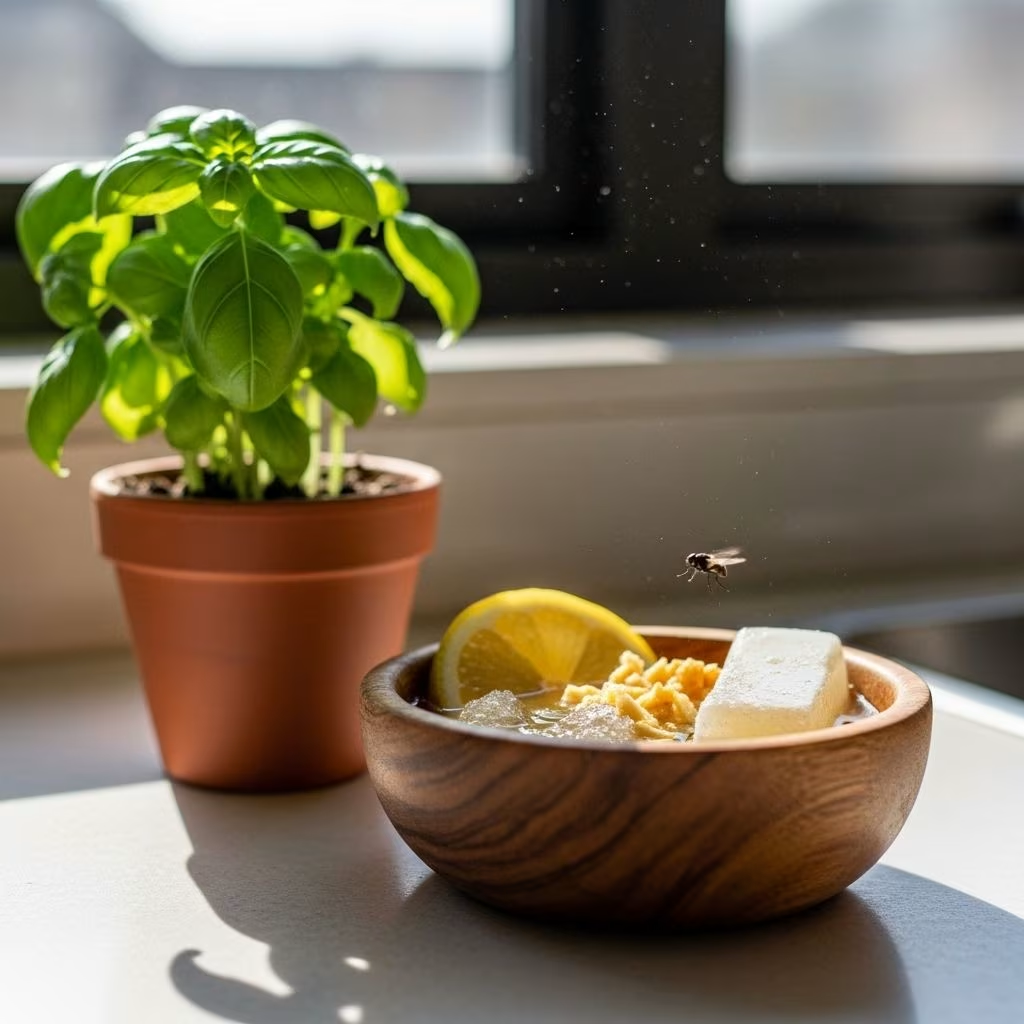
- Herbs and Flowers: Certain herbs and flowers, such as basil, marigold, lavender, and parsley, are known for their ability to repel flies. Planting these in your garden or placing them near windows can help keep flies away.
- Vinegar and Dish Soap: A mixture of equal parts water and vinegar with a few drops of dish soap can be used in a homemade trap. Flies are attracted to the vinegar but will sink and drown due to the soap.
- Venus Flytraps: These carnivorous plants naturally consume insects, including flies. They can be planted outside or used indoors with regular feeding.
- Natural Trap Bait: Using baits like sugar, wine, or fruit can effectively lure flies into homemade traps.
Homemade Fly Traps
Creating your own fly traps is a cost-effective and environmentally friendly way to manage fly populations. Here are a few DIY methods:
Mason Jar Trap
This simple trap uses a mason jar, apple cider vinegar, and dish soap. Here’s how to make it:
- Fill a mason jar with apple cider vinegar or honey.
- Add a few drops of dish soap.
- Use a hammer and nail to create small holes in the jar lid.
- Place the jar near the area where flies are a problem.
Soda Bottle Trap
This method repurposes a plastic soda bottle:
- Cut the bottle in half and fill the bottom with apple cider vinegar or another bait.
- Add a few drops of dish soap.
- Position the top half upside down inside the bottom, creating a funnel shape.
- Regularly empty the bottle and replace the bait.
Plastic Wrap Trap
This discreet method uses plastic wrap to trap flies:
- Pour apple cider vinegar into a mason jar.
- Cover the jar with plastic wrap and secure it with a rubber band.
- Poke small holes in the plastic wrap using a toothpick or fork.
- Place the jar near affected areas.
Paper Cone Trap
This method uses a paper cone to guide flies into a jar:
- Pour apple cider vinegar into a large mason jar.
- Add a piece of ripe fruit and a few drops of dish soap.
- Roll a piece of paper into a cone shape and place it in the jar.
- The narrow end of the cone should be above the liquid.
Commercial Products and Traps
While natural methods are preferred, there are situations where commercial products may be necessary. These include:
- Pyrethrin-Based Insecticides: These are effective for large infestations but should be used with caution and in well-ventilated areas.
- Light Traps: These traps use light to lure and either kill or capture flies.
- Sticky Traps: Strips of adhesive paper placed in strategic locations can catch flies.
Prevention Methods
Preventing fly infestations is crucial for maintaining a clean and healthy home environment. Here are some preventive measures:
- Regularly clean and dispose of trash properly.
- Ensure all windows and doors are sealed.
- Avoid leaving food or sugary drinks uncovered.
- Turn off outdoor lights when not needed, as they can attract flies.
Frequently Asked Questions (FAQs)
Q: Are homemade fly traps effective against all types of flies?
A: Homemade traps are generally more effective against fruit flies and houseflies but may not be as effective for larger or more persistent infestations.
Q: How long do homemade fly traps last?
A: The effectiveness of homemade traps can vary depending on the bait used and how often it is replaced. Regular maintenance is necessary to keep them effective.
Q: Are natural remedies safe for pets and children?
A: Most natural remedies mentioned here are safe for pets and children, but it’s always wise to keep them out of reach to avoid any potential risks.
Q: Can Venus flytraps be used indoors for fly control?
A: Yes, Venus flytraps can be used indoors, but they need regular feeding with flies to thrive, as they won’t catch enough flies indoors on their own.
Conclusion
Managing fly infestations naturally is not only safer but also more sustainable than relying on chemical insecticides. By combining homemade traps with preventive measures and understanding the natural methods outlined above, you can maintain a healthy and fly-free home environment without compromising your family’s well-being.


