


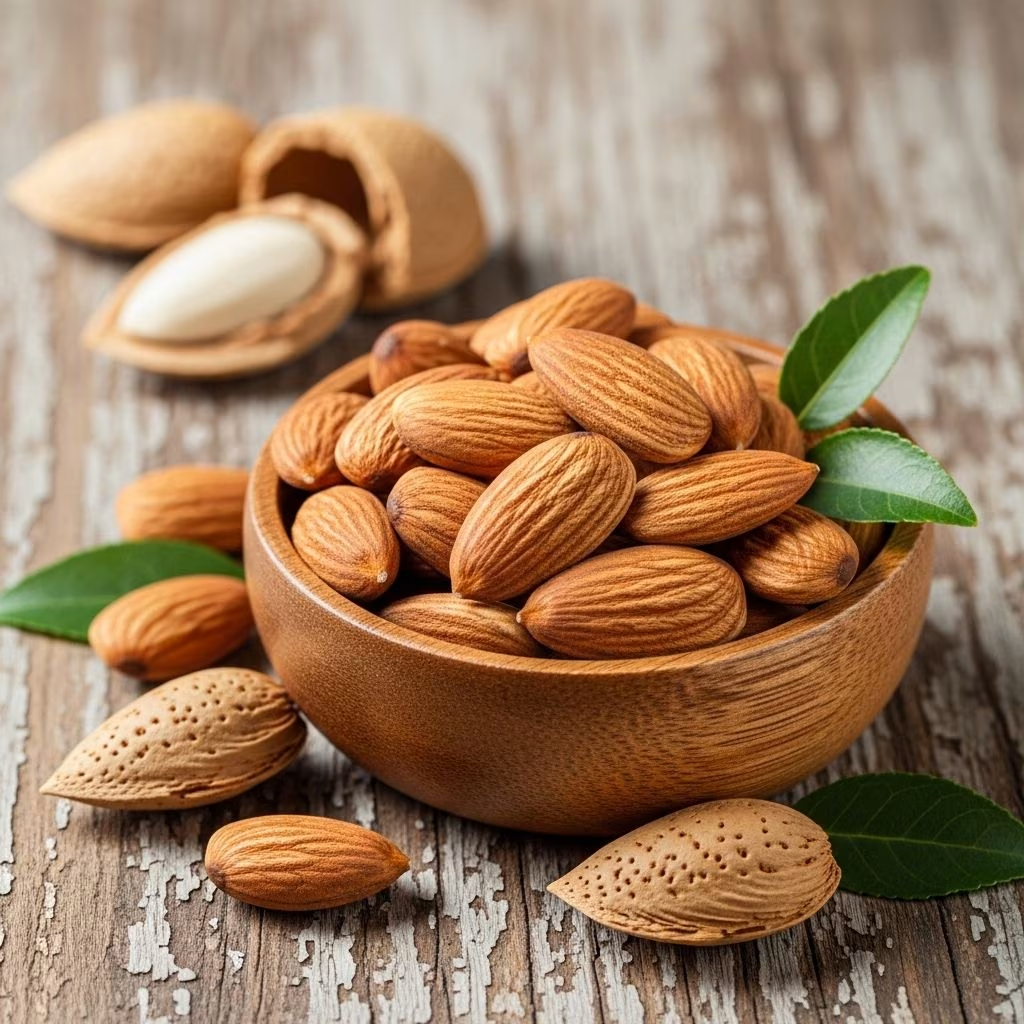
Introduction to Almonds
The almond stands out as one of the world’s most beloved and versatile foods. Known for their rich nutritional profile, subtle yet pleasant flavor, and adaptability in recipes, almonds are more than just a snack—they are a superfood and a staple of healthy eating. People from diverse cultures have enjoyed almonds for millennia, integrating them into everything from daily diets to festive traditions.
Botanical Overview and Cultivation
The almond originates from Prunus dulcis, a deciduous tree native to the Mediterranean region. It grows between 10 and 30 feet tall, developing a broad, symmetrical canopy and producing fragrant white-to-pale pink flowers before leaf emergence in early spring.
- Tree Structure: Almonds grow on trees that are deep-rooted and prefer sandy, well-drained soils with a pH of 6–7. Full sunlight and warm climates, typically found in Mediterranean areas, are optimal for growth.
- Growth Cycle: After planting, young trees undergo several distinct stages—seedling, young tree formation, flowering, fruit development, and maturity. Harvest occurs once the outer hull splits, revealing the hard shell and edible seed.
- Pollination: Almond trees require cross-pollination, often relying on honeybees in commercial orchards for optimal fruit set and yield.
- Fruit Anatomy: Although commonly referred to as a nut, the almond is technically a drupe—a fruit with a tough, leathery hull, enclosing a hard shell (endocarp), within which lies the edible seed.
Almond tree cultivation is a science, requiring careful management of soil, irrigation, pruning, disease control, and pest management to ensure robust harvests and healthy trees.
Almond Varieties
Multiple almond varieties exist, each with distinct characteristics regarding flavor, shell hardness, and oil content:
- Sweet Almonds: The most common edible type, widely used in food products.
- Bitter Almonds: Contains amygdalin, which can produce toxic substances if not processed properly. Used mainly in flavorings after detoxification.
- Hard-shell vs. Soft-shell: Varieties are classified by the thickness and toughness of the shell. Soft-shell (also known as paper-shell) almonds are easier to process for direct consumption.
Commercial almond production favors grafted cultivars for consistency in nut quality, yield, and disease resistance.
Nutritional Benefits of Almonds
Almonds are lauded for their dense nutritional profile. They are an excellent source of vitamins, minerals, protein, and healthy fats. Here is a breakdown of their nutritional components per 100 grams (approximately one serving):
| Nutrient | Amount per 100g | Key Benefit |
|---|---|---|
| Calories | 575 kcal | Energy and satiety |
| Protein | 21g | Muscle maintenance |
| Healthy Fats | 49g | Heart and brain health |
| Fiber | 12g | Digestive health |
| Vitamin E | 26mg | Antioxidant, skin health |
| Magnesium | 270mg | Muscle & nerve function |
| Calcium | 264mg | Bone health |
- Rich in Antioxidants: Almonds deliver a substantial amount of vitamin E, vital for protecting cell membranes from oxidative stress.
- High in Healthy Fats: The monounsaturated and polyunsaturated fats in almonds support cardiovascular and cognitive health.
- Complete Protein: Almonds provide all essential amino acids, making them an ideal plant protein source.
- Micronutrient Dense: They contain magnesium, calcium, iron, zinc, and potassium in significant amounts.
Health Advantages of Almonds
Almonds’ health benefits are backed by scientific research and centuries of traditional medicine. Regular almond consumption has been linked to a variety of positive health outcomes:
- Heart Health: Almonds can help reduce LDL (bad) cholesterol, preserve HDL (good) cholesterol, and support healthy blood vessel function due to their omega-9 fatty acid content and antioxidant action.
- Weight Management: Despite being energy-dense, consumption of almonds is connected to better appetite control and potentially lower overall calorie intake, as their fiber and protein promote satiety.
- Blood Sugar Regulation: Almonds’ low glycemic index and high magnesium content help stabilize blood glucose levels, beneficial for diabetes management.
- Bone Strength: High calcium, phosphorus, and magnesium contribute to stronger bones and better skeletal health.
- Skin and Hair Health: Vitamin E, biotin, and antioxidants in almonds aid in healthy skin regeneration and hair growth.
- Gut Health: The fiber content supports the growth of beneficial gut bacteria and enhances digestion.
Many studies highlight almonds’ role in reducing inflammation, oxidative stress, and chronic disease risk, making them a smart choice for daily nutrition.
Culinary Uses of Almonds
Almonds are among the most flexibly used nuts in food, adding texture, flavor, and nutritional punch to both sweet and savory dishes:
- Whole and Raw: Enjoyed as a snack or in trail mixes.
- Roasted: Roasting brings out a more pronounced flavor and crunch, ideal for snacking.
- Blanched: Skinned for a smoother texture in baking and confectionery.
- Flaked & Slivered: Commonly added to cereals, baked goods, and salads for texture.
- Almond Butter: A creamy spread, used like peanut butter or in sauces.
- Almond Milk: Plant-based alternative to dairy, favored for its mild sweetness and lower calorie content.
- Marzipan: A sweet confection made from ground almonds and sugar, central to European and Middle Eastern desserts.
- Ground/Flour: Almond flour (meal) is vital for gluten-free baking and thickening sauces.
- Almond Paste: Used in pastries, fillings, and desserts.
- Garnishes: Sliced or chopped for toppings on yogurt, oatmeal, roasted vegetables, and more.
The subtle, nutty flavor of almonds enhances both sweet and savory preparations and pairs especially well with honey, chocolate, citrus, dried fruits, and leafy greens.
Almond Oil & Related Products
Almond oil is pressed from sweet or bitter almonds. There are two major types—sweet almond oil for skin care and cooking, and bitter almond oil for flavorings (processed to remove natural toxins):
- Sweet Almond Oil: Widely used in skin and hair moisturizers, massage oils, and salad dressings for its mild taste and nourishing effect.
- Bitter Almond Oil: An essential oil ingredient in pastries, syrups, and liqueurs, strictly used after detoxification.
Beyond oil, the by-products of almond processing (such as skins, hulls, and shells) are used in livestock feed, compost, and energy generation, reflecting the sustainability and circular economy in modern almond farms.
Taste Profile of Almonds
The flavor of almonds is subtle, slightly sweet, and mildly nutty, with a delicate bitterness depending on variety. Their texture is characteristically firm and crunchy when raw, becoming softer when blanched or processed. Roasting enhances their toasty, savory notes and amplifies the pleasant aroma.
| Form | Taste Notes | Texture |
|---|---|---|
| Raw | Mild, sweet, slightly grassy | Crisp, firm |
| Roasted | Warm, nutty, slightly smoky | Crunchy |
| Almond Butter | Rich, creamy, earthy | Smooth |
| Almond Milk | Mild, slightly sweet, delicate | Fluid, creamy |
Bitterness is more pronounced in bitter almond varieties and almond skins; blanching removes much of this for a smoother, sweeter profile. Almonds’ mild taste makes them suitable for flavoring without overpowering other ingredients.
Storing and Selecting Almonds
To preserve almond quality:
- Storage: Keep almonds dry and in airtight containers. Refrigeration extends shelf life and prevents rancidity, especially for processed products such as butter and milk.
- Selection: Look for unblemished, uniform nuts with no signs of mold, insect damage, or off odors.
- Freshness: Purchase from reputable sources to guarantee freshness and proper handling. Whole raw almonds retain flavor longer than slivered or flaked forms.
Proper storage not only maintains flavor and nutrition but also prevents the growth of toxic molds (such as aflatoxins).
Growing, Harvesting, and Sustainability
Almond production involves careful balancing of environmental and agricultural factors:
- Soil and Irrigation: Almond trees require deep, fertile, well-drained soil and regular, deep watering throughout the growing season.
- Climate: Mediterranean climates with hot, dry summers and mild winters are ideal, though improved varieties are more adaptable.
- Fertilization: Balanced nutrition maximizes growth and crop yield; regular soil testing helps ensure proper mineral availability.
- Pest/Disease Management: Monitoring and organic pest management are crucial, especially in regions prone to aphids, mites, and fungal diseases.
- Harvesting: Almonds are typically harvested mechanically, shaking ripe nuts to the ground, where they are dried and collected for processing.
- Sustainability: Modern growers emphasize water conservation, soil health, and biodiversity. Almond by-products contribute to farm sustainability by providing animal feed and mulch.
Almond trees require attentive care year-round for optimal health and yield. They begin economic production in their third year and reach peak yield in five to six years.
Frequently Asked Questions (FAQs)
Q: Are almonds safe for people with nut allergies?
Almonds are considered tree nuts, a common allergen. Individuals with tree nut allergies should avoid them unless specifically cleared by an allergy specialist.
Q: What is the difference between sweet and bitter almonds?
Sweet almonds are edible and widely used in food; bitter almonds contain cyanide-producing compounds, making them toxic unless properly processed for flavor extracts.
Q: Can almonds be eaten raw?
Yes, almonds can be safely eaten raw. Some people prefer roasted or blanched varieties for flavor and texture.
Q: Is almond milk as nutritious as cow’s milk?
Unsweetened almond milk is lower in calories and fat than cow’s milk, but it contains less protein. Many commercial versions are fortified with vitamins and minerals.
Q: How long do almond trees produce nuts?
Mature almond trees can produce annually for several decades, with optimal harvests between 5 and 25 years depending on care and environmental factors.
Q: Are almonds good for weight loss?
Almonds promote satiety and can be part of a calorie-controlled diet, but portion control is essential due to their energy density.
Q: What’s the best way to store almonds?
Keep almonds in a cool, airtight container, refrigerate for extended freshness, and avoid exposure to moisture and sunlight.
Conclusion
Almonds embody nutrition, taste, and versatility. Whether eaten whole, blended into drinks, ground into flour, or transformed into luxurious oils and confections, they offer a bounty of health benefits, culinary possibilities, and sustainable growth. Integrating almonds into daily life—whether as a snack, ingredient, or beauty enhancer—can support well-being and culinary enjoyment for people of all ages.
References
- https://truecalifoods.com/blogs/news/growing-almond-trees-the-basics
- https://en.wikipedia.org/wiki/Almond
- https://www.cultifort.com/en/almendro-cultivo-material-vegetal-nutricion/
- https://www.gardeningknowhow.com/edible/nut-trees/almonds/growing-almond-nut-trees.htm
- https://www.tennesseewholesalenursery.com/blogs/tennessee-wholesale-nursery-blog/what-is-an-almond-tree
- https://www.uaex.uada.edu/yard-garden/resource-library/plant-week/Prunus-dulcis-Almond-08-02-2019.aspx
- https://ucanr.edu/site/fruit-nut-research-information-center/almond-climate-cultivars
- https://safergro.com/blogs/growing-for-the-future/safergro-s-homegrown-almond-guide


