


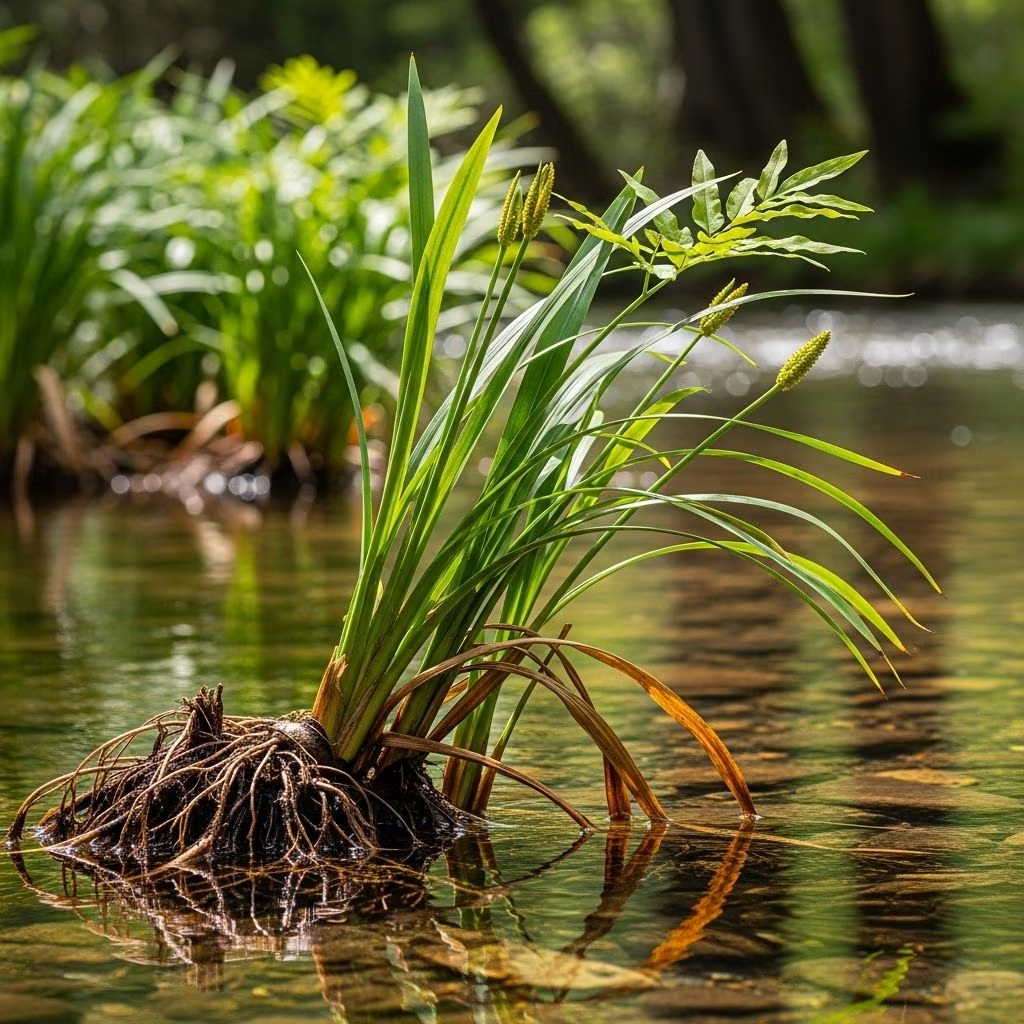
Sweet flag (Acorus calamus), also known as calamus, muskrat root, or beewort, is an ancient herbaceous plant revered across cultures for its aromatic properties, medicinal applications, and historical significance. Though best known for its distinct aroma and its presence in wetlands around the globe, sweet flag continues to capture the attention of herbalists, scientists, and culinary explorers.
Introduction
Sweet flag is a perennial wetland plant found across Europe, Asia, and North America. For centuries, it has been celebrated for its medicinal, culinary, and spiritual uses, often entwined with folklore and traditional healing systems. Its botanical intrigue and unique flavor profile continue to inspire scientific and cultural interest.
Botanical Background and Species
The genus Acorus is among the oldest of the monocot families, with genetic evidence identifying it as an ancient lineage of plants. The most well-known and studied species include:
- Acorus calamus: Native to Eurasia, commonly referred to as sweet flag. Introduced widely in North America.
- Acorus americanus: Native to North America; sometimes confused with A. calamus, but genetically distinct and often cited as the species used traditionally by Native Americans.
- Acorus gramineus: Native to Japan, Korea, and eastern Asia, popular as an ornamental groundcover.
Sword-shaped, aromatic leaves and a unique greenish-yellow spadix distinguish this plant from similar wetland species. Plants can grow up to 2 meters in height, with rhizomes (underground stems) that are prized for their fragrance and use.
| Species | Native Range | Distinct Feature | Common Use |
|---|---|---|---|
| Acorus calamus | Eurasia, Naturalized elsewhere | Introduced, sterile triploid (in NA), crimped leaf edges | Medicinal, aromatic, spiritual |
| Acorus americanus | North America | Native, fertile diploid, long use by indigenous people | Medicinal, ceremonial |
| Acorus gramineus | East Asia | Dwarf habit, grasslike, ornamental use | Garden groundcover, fragrance |
Identification Features
- Bright green, sword-shaped leaves (resembling iris or cattail).
- Pleasant, distinct fragrance when leaves are bruised or crushed.
- Greenish-yellow, cylindrical spadix containing tiny flowers, often blooming in late spring or early summer.
- Thick, branching rhizomes used medicinally and culinarily.
Traditional Uses Across Cultures
Sweet flag’s ancient history is mirrored in a patchwork of uses across continents and civilizations:
- Medicinal traditions: Used in Ayurveda, Chinese medicine, and by Native American tribes for treating digestive issues, pain, cough, fever, and even as a stimulant or nervine.
- Spiritual and ceremonial use: Incorporated into rituals to purify spaces, offer protection, and induce visions or altered states (as in shamanic practice).
- Aromatic and hygienic use: Lining floors of churches or homes for fragrance, added to bathwater, stuffed into sachets, or burned as incense.
- Trade and value: Traded by Native Americans and prized along trade routes in ancient Eurasia for its perceived healing powers.
The plant’s presence near ancient camp sites and villages is direct archaeological evidence of its valued status throughout human history.
Potential Health Benefits
Throughout history, sweet flag has been credited with a wide variety of therapeutic properties. It is important to note, however, that while traditional uses persist, modern clinical research is limited and regulatory authorities caution that some forms may be toxic or unsuitable for regular consumption.
Commonly Cited Traditional Benefits
- Digestive aid: Used to treat indigestion, flatulence, bloating, and to stimulate appetite.
- Pain relief: Root extracts applied externally for headaches, wounds, or sore muscles, or taken internally for general pain (especially stomach pains).
- Respiratory health: Chewed or brewed to soothe sore throats, coughs, and congestion.
- Cognitive support: Regarded in Ayurveda as a brain tonic for improving memory and focus.
- Calming/anxiolytic effects: Used against stress, anxiety, and insomnia in some traditional medicines.
Scientific Perspective and Safety
Modern scientific support for these uses is limited. Some laboratory studies suggest antimicrobial, anti-inflammatory, and digestive activity, but robust human trials are lacking.
Important: Some preparations of sweet flag contain beta-asarone, a compound linked to toxicity and potential carcinogenicity. FDA and other authorities have banned certain forms from food and medicinal use, especially those derived from Eurasian populations.
Modern Applications and Uses
Despite scientific caution, sweet flag remains a staple in certain herbal medicine traditions, as well as in perfumery and even limited culinary settings (under regulation and local guidelines).
- Herbal medicine: Still used in some herbal practices as a digestive or calming agent (especially non-Eurasian, beta-asarone-free varieties).
- Perfumery and fragrance industry: Rhizome oil valued for its spicy, earthy, and long-lasting scent; used in fine perfumes, incense, and potpourri.
- Gardening: Increasingly popular as an ornamental for water gardens, ponds, and as groundcover (notably A. gramineus).
- Aromatherapeutic uses: Essential oil (with safety caveats) used in baths or blends for relaxation.
Historical and Contemporary Culinary Use
Taste and aroma have led to limited—but fascinating—culinary use cases:
- Rhizomes, candied or powdered, were once used as flavoring agents in sweets and alcoholic beverages, especially in Europe and Asia.
- Use in bitters, herbal liqueurs, and traditional spiced wines.
- In North America, indigenous communities chewed the root for its medicinal and stimulating effects.
Warning: Most culinary uses are now banned or restricted in the United States and many countries, due to safety concerns with certain sweet flag varieties.
Taste Profile: What Does Sweet Flag Taste Like?
The taste and aroma of sweet flag set it apart among herbs:
- Strongly aromatic with a pleasing, spicy fragrance reminiscent of cinnamon, camphor, ginger, and citrus.
- Taste profile: Starts sweet, quickly turning to a strong, warm, and slightly bitter flavor with peppery and anise-like undertones, before leaving a lingering, cooling sensation in the mouth.
- Rhizome can taste pungent, astringent, with a medicinal and slightly earthy finish—not everyone finds it palatable without sweetening or dilution.
These qualities explain its historic popularity in candies, bitters, and as a breath freshener.
Growing and Harvesting Sweet Flag
Sweet flag is well suited for temperate wetlands—its natural habitat:
- Preferred conditions: Shallow water, mucky shorelines, and consistently moist to wet soils in full to partial sun.
- Propagation: Most easily grown from rhizome divisions in spring.
- Growth: Forms dense colonies that can skirt water edges or be grown in bog gardens and containers.
- Ornamental value: Features vibrant, sword-like foliage and fragrant presence, especially when planted in or near ponds.
Harvesting Rhizomes:
- Harvest in autumn after leaves fade for highest aroma and oil content.
- Roots are carefully cleaned, split, and dried for later use.
Note: Acorus gramineus is especially favored for ornamental groundcover owing to its small stature and bright leaves.
Safety, Risks, and Legal Status
Sweet flag is a subject of both admiration and caution in modern times.
- Toxicity Concerns: Eurasian varieties (notably Acorus calamus) may contain high levels of beta-asarone, a compound that animal studies indicate is potentially carcinogenic and toxic if ingested in sufficient quantity.
- Regulatory status: FDA and similar agencies ban sweet flag—especially A. calamus—as a food or food additive in many countries. A. americanus and other forms with little or no beta-asarone are regarded as safer, though still not widely permitted in food.
- External use, scented crafts, and ornamental planting remain accepted and safe where local regulations allow.
Best practice: Use only sweet flag products from reputable suppliers and avoid ingestion unless under professional guidance.
Frequently Asked Questions (FAQs)
Q: Is sweet flag safe to eat or use medicinally?
A: Sweet flag should not be ingested unless you are certain it is a low beta-asarone variety (like North American A. americanus) and you are guided by an expert. Many forms are banned or regulated due to potential toxicity and carcinogenic effects.
Q: What is sweet flag used for in traditional medicine?
A: Historically, it was used for digestive issues, as a pain reliever, and for respiratory complaints. In spiritual practice, it was used in cleansing rites and vision ceremonies.
Q: How does sweet flag differ from iris and cattail?
A: Although the leaves resemble those of iris or cattail, sweet flag has a distinctive fragrance when crushed, a cylindrical spadix instead of flowers, and unique rhizomes.
Q: Can I grow sweet flag at home?
A: Yes, especially varieties like Acorus gramineus for ornamental use in water gardens, ponds, or moist landscaping. The plant is low-maintenance and resilient when kept wet.
Conclusion
Sweet flag is a plant rich in history, aroma, and mystery. Embraced in ritual, medicine, and horticulture, its sword-shaped leaves and fragrant rhizomes continue to intrigue researchers and herbal enthusiasts. While some of its uses are now restricted due to safety and toxicity concerns, this unique wetland plant remains an enduring symbol of traditional herbal knowledge and the deep interconnection between plants and culture. Always consult up-to-date regulations and experts before using or ingesting sweet flag products.
References
- https://en.wikipedia.org/wiki/Acorus_calamus
- https://www.fs.usda.gov/wildflowers/plant-of-the-week/acorus_americanus.shtml
- https://www.friendsofeloisebutler.org/pages/plants/sweetflag.html
- https://plants.ces.ncsu.edu/plants/acorus-gramineus/
- https://www.missouribotanicalgarden.org/PlantFinder/PlantFinderDetails.aspx?taxonid=243354&isprofile=0
- https://fieldguide.mt.gov/?elcode=PMACO01010
- https://www.bloomindesigns.com/brands/Acorus.html
- https://plantmaster.com/plants/eplant.php?plantnum=14550


