


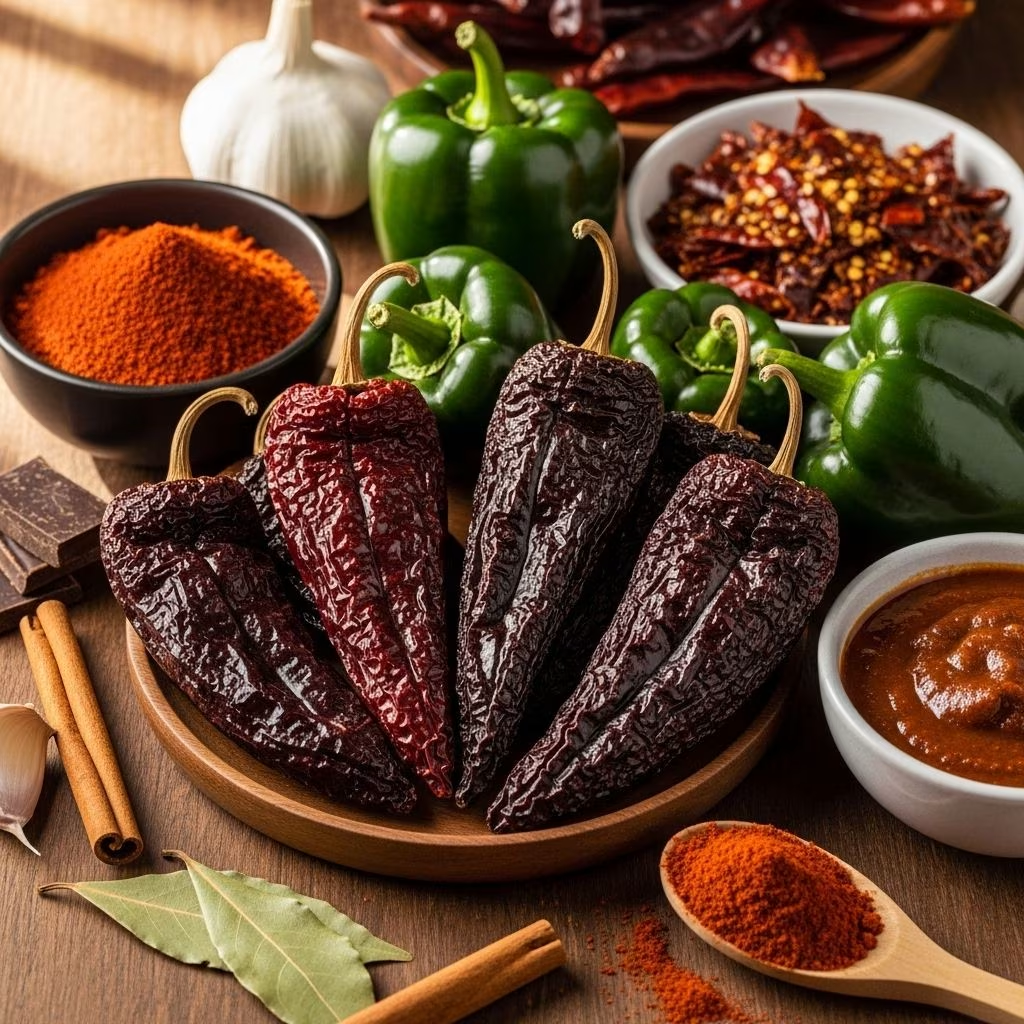
What is Ancho Chili?
Ancho chili is a cornerstone of Mexican cuisine, esteemed for its mild heat and deep, complex flavor. It is the dried form of the poblano pepper, one of the largest and most widely used chili peppers in Mexico. Unlike many chilies that are used fresh, the poblano is typically harvested when green for fresh dishes but is left to ripen to a rich red before drying to become the ancho. The name “ancho” means “wide” in Spanish, referencing the pepper’s broad, flat shape after drying.
The transformation from fresh poblano to dried ancho significantly changes the pepper’s flavor and culinary applications. As the poblano dries, it develops a wrinkled, dark reddish-brown skin, and its flavor intensifies, becoming a blend of sweetness, smokiness, and subtle raisin and coffee undertones. This makes ancho chili a favorite for both traditional and modern kitchens, particularly in sauces, stews, and spice blends.
Origins and History
Ancho chili peppers originate in Mexico, where they have been cultivated for centuries. The poblano pepper, from which ancho is made, is native to the Puebla region—a culinary hotspot known for its rich gastronomic traditions. While fresh poblanos are integral to iconic dishes like chiles rellenos, dried ancho chilies have become indispensable for their concentrated flavor and versatility.
In traditional Mexican culinary practice, drying was a method of preservation, allowing the flavors of summer’s harvest to be enjoyed year-round. Ancho chilies are a key member of the “holy trinity” of dried Mexican chilies, along with guajillo and pasilla, which are foundational to many classic Mexican sauces and moles.
Flavor Profile and Heat Level
| Characteristic | Details |
|---|---|
| Scoville Heat Units (SHU) | 1,000–1,500 (mild; up to 2,000 SHU in some sources) |
| Flavor Notes | Sweet, smoky, earthy, fruity, with raisin and coffee hints |
| Color | Deep reddish-brown to purple |
| Texture | Wrinkled, dry, leathery skin |
| Size | 4–6 inches long, 3–4 inches wide |
Ancho chili peppers are mild compared to many other chilies, ranking only 1,000–1,500 on the Scoville scale (occasionally up to 2,000 SHU). They are 2 to 8 times milder than the mildest jalapeño, making them accessible to those who prefer flavor over fire.
The flavor of ancho chili is layered and nuanced. It is predominantly sweet and smoky, with earthy undertones and subtle hints of raisin and coffee. This complex profile allows ancho to add depth without overwhelming the palate—ideal for both meat-based and vegetarian dishes.
Nutritional Value and Health Benefits
Ancho chili peppers are not just flavorful; they also offer several health benefits, thanks to their rich nutrient content. While exact nutritional data can vary, all chili peppers are known to contain beneficial compounds.
Key Nutritional Highlights
- Vitamins: High in vitamin A (as beta-carotene), which supports vision and immune health. Also a good source of vitamin C, which aids in collagen production and immune function.
- Antioxidants: Contains capsaicin (in mild amounts), flavonoids, and carotenoids, which combat oxidative stress and inflammation.
- Dietary Fiber: Provides fiber, which aids digestion and supports gut health.
- Minerals: Contains potassium, iron, and magnesium, which are essential for nerve and muscle function, as well as healthy blood pressure.
- Low Calories: Adds flavor without significant calorie contribution.
Health Benefits
- Anti-Inflammatory Properties: The capsaicin in ancho chili may help reduce inflammation and pain, though it is present in much lower amounts than in hotter chilies.
- Heart Health: The fiber and antioxidants help support cardiovascular health by reducing cholesterol and improving circulation.
- Metabolism Boost: Mild as it is, the capsaicin in ancho may help slightly increase metabolism and fat burning.
- Immune Support: High vitamin A and C content supports a healthy immune system.
- Digestive Health: Fiber aids digestion and helps maintain a healthy gut microbiome.
Culinary Uses
Ancho chili is prized for its versatility in both traditional and contemporary recipes. Its deep, complex flavor enhances a wide array of dishes, while its mild heat makes it suitable for a broad audience.
Traditional Uses
- Mole Sauces: Anchovies are essential in moles, especially mole poblano, one of Mexico’s most famous sauces.
- Stews and Soups: They add a rich, smoky base to pozole and menudo.
- Meat Rubs: Ground ancho makes an excellent rub for beef, pork, and chicken, imparting deep color and flavor.
- Vegetarian Dishes: These peppers are often used in vegetarian Mexican cuisine, adding umami and complexity to beans, grains, and vegetable-based stews.
- Salsas and Adobos: Rehydrated and blended, anchovies are the foundation of many salsas and marinades.
Modern Applications
- Spice Blends: Powdered ancho is included in commercial chili powders and homemade spice mixes.
- Meat Alternatives: It adds depth to plant-based burgers, tacos, and chili.
- Chocolate and Sweet Dishes: Its raisin and coffee notes pair exceptionally well with chocolate, as in mole poblano and some modern desserts.
Popular Recipes Featuring Ancho Chili
Here are some classic and contemporary recipes that showcase ancho chili’s flavor and versatility:
- Mole Poblano: Perhaps the most famous use of ancho chili, this rich, complex sauce also contains chocolate, nuts, and spices.
- Ancho Chili Rub: Combine ground ancho with garlic, cumin, salt, and olive oil for a versatile meat rub.
- Vegetable Chili: Use whole or powdered ancho as the base for a hearty, flavorful chili.
- Ancho Salsa: Blend rehydrated anchovies with tomatoes, onions, and garlic for a smoky salsa.
- Ancho-Infused Chocolate Truffles: Add a pinch of ground ancho to chocolate ganache for a surprising twist on dessert.
Buying, Storing, and Substituting
Buying
Ancho chili peppers are available whole or ground in Latin markets, specialty food stores, and online. Look for deep reddish-brown pods that are flexible, not brittle, with a rich aroma.
Storing
Store whole dried anchovies in an airtight container in a cool, dark place for up to a year. Ground ancho should be kept in an airtight container and used within a few months for maximum flavor.
Substitutes
- Mulato Chilies: Another dried poblano variety with a similar but sweeter, fruitier flavor.
- Pasilla Chilies: Dried chilaca peppers, less sweet and more smoky, but similar in texture.
- Chipotle Powder: For a smokier, hotter profile (use sparingly).
- Sweet Paprika + Cayenne: A mix can mimic the color and mild heat (adjust for sweetness).
Ancho vs. Other Dried Chilies
| Chili Type | Origin | Heat Level (SHU) | Flavor Profile | Common Uses |
|---|---|---|---|---|
| Ancho | Dried Poblano | 1,000–1,500 | Sweet, smoky, earthy, raisin | Moles, stews, rubs |
| Guajillo | Dried Mirasol | 2,500–5,000 | Tangy, berry-like, mildly fruity | Red sauces, soups |
| Pasilla | Dried Chilaca | 1,000–2,000 | Smoky, raisin, with a hint of licorice | Sauces, soups, poultry dishes |
| Mulato | Dried Poblano (brown) | 1,000–2,000 | Sweet, chocolatey, very smoky | Black mole, complex sauces |
Although ancho, mulato, and pasilla chilies are sometimes confused, each has a distinct flavor and preferred culinary application. Guajillo chilies, another staple, are significantly hotter and have a different flavor profile.
Cooking Tips and Tricks
- Rehydrating: Soak whole anchovies in hot water for 20–30 minutes before blending into sauces or salsas.
- Seeding: Remove stems and seeds for a milder taste; leave some seeds in for a hint of heat.
- Toasting: Lightly toast dried chilies in a dry skillet to deepen the smoky flavor.
- Grinding: For freshest flavor, grind dried anchovies in a spice grinder as needed.
- Balancing Flavors: Ancho pairs well with sweet (chocolate, fruit) and savory (onion, garlic, cumin) ingredients.
Frequently Asked Questions
Q: Is ancho chili spicy hot?
A: Ancho chili is mild, with a Scoville rating of 1,000–1,500 (sometimes up to 2,000). It is less spicy than a jalapeño, making it accessible for most palates.
Q: What is the difference between ancho chili and chipotle?
A: Ancho is a dried poblano; chipotle is a smoked, dried jalapeño. They differ in flavor, heat, and smoking process—ancho offers sweetness and mild heat, while chipotle is hotter and smoky-sweet.
Q: Can I substitute ancho chili with other dried peppers?
A: Yes, mulato and pasilla are closest substitutes, but guajillo or chipotle can be used as well if you adjust for flavor and heat.
Q: How do I store ancho chili peppers for maximum freshness?
A: Store whole dried anchovies in a cool, dark place in an airtight container; use ground ancho within a few months.
Q: Are anchovies gluten-free and vegan?
A: Yes, ancho chili peppers are naturally gluten-free and vegan, making them a versatile ingredient for many diets.
Q: What dishes are best with ancho chili?
A: Ancho chili works well in moles, stews, salsas, rubs, and even some desserts—especially those with chocolate.
References
- https://pepperscale.com/ancho-pepper/
- https://spice.alibaba.com/spice-basics/ancho-chili-pepper-what-is-this-mysterious-spice-that-everyone-s-talking-about
- https://www.tastingtable.com/1211584/what-is-an-ancho-chile-and-how-spicy-is-it/
- https://spicesinc.com/blogs/what-are-ancho-chiles
- https://www.diversivore.com/the-pantry/ancho-chilies/
- https://www.penzeys.com/online-catalog/ancho-chili-pepper-ground/c-24/p-896/pd-s
- https://www.isabeleats.com/ancho-chiles/


