


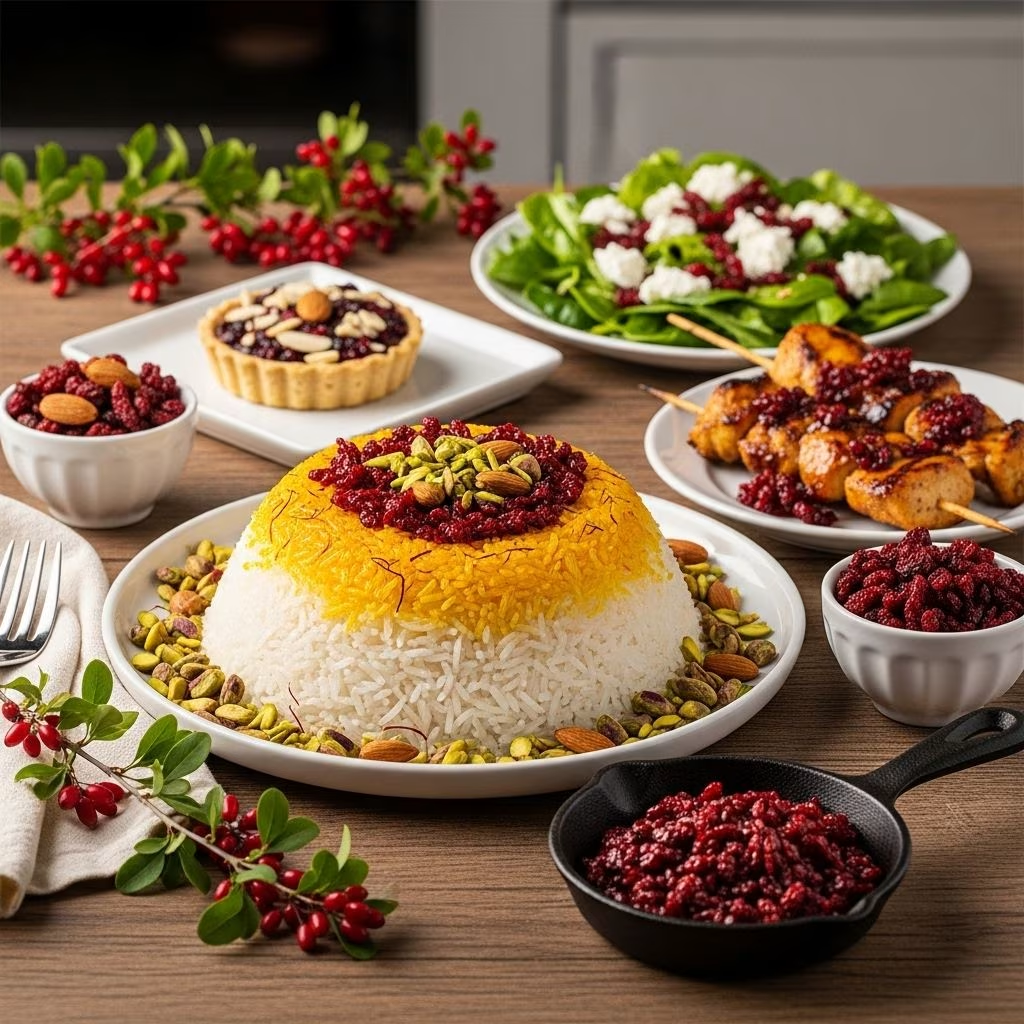
Barberries, also known as zereshk in Persian cuisine, are tiny, ruby-red berries renowned for their vibrant color and distinct tangy-sour flavor. Used widely in Middle Eastern cooking, especially Iranian dishes, barberries can transform rice, stews, salads, and even desserts. In this comprehensive guide, discover the best barberry recipes and expert advice on how to cook barberries perfectly for stunning taste and texture every time.
Introduction to Barberries: Origins, Taste, and Culinary Uses
Barberries (Berberis vulgaris) are tart, antioxidant-rich berries most commonly found in Iranian, Afghan, and Central Asian cuisines. Their sharp acidity and slight sweetness make them popular in savory rice dishes and more. Fresh barberries are rare outside their native regions; dried barberries are widely available and easy to use.
In Persian cuisine, barberries are beloved for their ability to enliven dishes with their vivid color and taste. They pair beautifully with saffron rice, poultry, nuts, fresh herbs, and even sweets. Whether you’re crafting a traditional meal or adding a gourmet flourish to modern recipes, barberries offer a delightful sensory experience.
How To Cook Barberries Perfectly: Essential Techniques
Barberries are delicate and require careful preparation to maximize their flavor and prevent bitterness. Here’s how to cook them to perfection:
- Always rinse dried barberries well in cold water to remove any dust or grit.
- Soak briefly (5–10 minutes in warm water) if you want them to plump up for certain dishes. Drain before use.
- Cook barberries gently in butter or oil over low heat for just 1–3 minutes. Overheating can make them bitter and tough.
- Add sugar or honey to taste during sautéing, especially for classic Persian recipes, to balance their tartness.
- Bloom saffron separately and add its golden liquid to barberries for a luxurious aroma and color boost.
Mastering these steps ensures your barberries stay vibrantly red, juicy, and perfectly sour-sweet, rather than shriveled or scorched.
Classic Barberry Recipes
Zereshk Polo (Persian Barberry Rice)
Zereshk Polo is the hallmark of Iranian festive cuisine—a fragrant rice dish enriched with barberries, saffron, and sometimes layered with crispy tahdig. Traditionally served alongside saffron chicken or beef, this recipe remains a centerpiece at celebrations and family gatherings.
Ingredients
- 2 cups long-grain Basmati rice
- 3/4 cup dried barberries
- 1/2 teaspoon ground saffron or generous pinch of saffron threads
- 2–3 tablespoons unsalted butter
- 2 tablespoons olive oil
- 2 tablespoons white sugar (adjust to taste)
- 2 teaspoons salt
- 6–8 cups water
- Slivered pistachios and/or almonds for garnish (optional)
Instructions
- Rinse the rice under cold water several times until the water runs clear. Soak in lightly salted water for at least 30 minutes.
- Rinse the barberries in plenty of cold water and drain. Set aside. Dissolve saffron in a few tablespoons of hot water; let steep.
- Bring a large pot of water to a boil. Add soaked rice and cook until al dente (about 10–12 minutes). Drain and rinse briefly with lukewarm water.
- To create tahdig (crispy rice crust), add oil to the bottom of the pot, layer with a thin coating of saffron rice, then carefully spoon in the rest of the rice, shaping it into a mound. Poke holes down to the bottom with a wooden spoon handle.
- Wrap the lid of the pot with a clean tea towel to absorb steam, place on the pot, and steam rice over low heat for about 45 minutes.
- Meanwhile, sauté barberries in butter with sugar and a drizzle of saffron water for 1–2 minutes, stirring constantly. Remove from heat.
- To serve, pile the fluffy rice on a platter. Mix some saffron water into a portion of the rice for a yellow garnish, then layer barberries on top, finishing with slivered nuts if desired. Break up the tahdig and serve separately.
Serving suggestions: Zereshk Polo pairs beautifully with saffron chicken, beef, or vegetarian stews.
Saffron and Barberry Chicken (Morgh-e Zereshk)
The classic accompaniment to Zereshk Polo, this vibrant dish highlights tender chicken marinated in saffron, yogurt, and spices, often oven-roasted or braised, then topped with a tangy-sweet barberry sauce.
Ingredients
- 4 chicken pieces (breast or thigh, skin on preferred)
- 1 medium onion, thinly sliced
- 1 tablespoon tomato paste
- 1 tablespoon Greek yogurt
- 2 tablespoons olive oil
- 1/2 teaspoon turmeric
- 1/8 teaspoon saffron (bloomed in hot water)
- Juice of half a lemon
- Salt and pepper
- Butter for cooking
Instructions
- Marinate chicken: Mix chicken with yogurt, onion, tomato paste, olive oil, turmeric, saffron water, lemon juice, salt and pepper. Marinate in the fridge for at least 8 hours, preferably overnight.
- Sear and cook: Heat butter and remaining oil in a large pan. Sear chicken pieces until golden, add remaining marinade, cover, and cook over low heat until chicken is fully cooked and juicy.
- Serve: Top the chicken with sautéed barberries (sugar, butter, saffron) before serving alongside Zereshk Polo.
Barberry in Stews and Pilafs
Barberries lend piquancy to Persian khoresh (stews), Afghan rice dishes, and other regional specialties. Try these variations:
- Barberries in vegetarian pilafs: Toss sautéed barberries with bulgur, freekeh, or quinoa, stir in chopped herbs, and finish with lemon zest.
- Chicken or lamb stew: Simmer meat with onions, turmeric, garlic, and a handful of barberries for a tart finish.
Modern & Creative Barberry Recipes
Beyond traditional fare, barberries can brighten contemporary menus with their lively flavor and color.
Barberry Salads
Barberries make a striking accent in salads, adding a tangy burst that rivals cranberries or pomegranate arils.
- Herb Salad with Barberries: Mix finely chopped parsley, mint, dill, scallions, arugula, feta, toasted walnuts, and a spoonful of plumped barberries. Dress with lemon juice and olive oil.
- Roasted Carrot and Barberry Salad: Toss roasted carrots with warm spices, barberries, pumpkin seeds, and a honey-cumin vinaigrette.
Barberry Desserts & Baking
Barberries’ sharpness shines in sweets, where their bright acidity contrasts with sugar and pastry.
- Barberry Shortbread: Incorporate finely chopped dried barberries into basic shortbread dough for a ruby-flecked cookie.
- Barberry Upside-Down Cake: Layer soaked barberries on the bottom of a cake pan, pour in vanilla batter, and bake for a tangy, jewel-toned dessert.
- Barberry-Studded Scones: Swap out currants for barberries in classic British scones; serve warm with clotted cream.
Barberry in Savory Snacks & Grain Bowls
- Barberry Grain Bowl: Add sautéed barberries to cooked grains, roasted vegetables, chickpeas, and a tahini-lemon drizzle for a wholesome lunch.
- Barberry Yogurt Dip: Stir chopped barberries into thick Greek yogurt, season with garlic, salt, and a drizzle of olive oil. Serve with warm flatbread.
Expert Tips & Common Mistakes with Barberries
- Don’t overcook barberries: Their vibrant color and flavor are best preserved with gentle, brief sauteeing.
- Balance tartness: Barberries are naturally sour—add sugar, honey, or sweet elements to create harmony in dishes.
- Saffron pairing: Saffron and barberries are a signature Persian combo, complementing each other’s aromas and hues.
- Use as garnish: Barberries keep their bold look when sprinkled fresh atop salads and grains just before serving.
- Store properly: Keep dried barberries in a cool, airtight container away from sunlight to prevent spoilage.
| Use | Preparation | Best Cooking Method | Typical Pairings |
|---|---|---|---|
| Pilafs & Rice | Rinse, briefly soak, sauté with a touch of sugar | Quick saute, topping or mixed in | Saffron, butter, nuts, poultry |
| Stews & Tagines | Rinse, add toward end of simmering | Braise, simmer | Lamb, chicken, onions, warm spices |
| Salads | No cooking required, or soak for plumper berries | Sprinkle fresh or lightly sauté | Herbs, cheese, olive oil, lemon |
| Baking & Sweets | Lightly soak or use dry, chop if desired | Mix into dough or batter prior to baking | Butter, almonds, orange zest |
Frequently Asked Questions about Barberry Recipes
Q: Where can I buy barberries?
A: Dried barberries are sold in Middle Eastern groceries, Persian markets, and online specialty food shops. Always choose plump, vibrant red berries—avoid ones that look dark or shriveled.
Q: Can I substitute other berries for barberries?
A: Dried cranberries (preferably unsweetened) or dried sour cherries can mimic barberries’ tart-sweet nature, but barberries have a uniquely piquant flavor and finer texture.
Q: Are barberries healthy?
A: Yes, barberries are rich in vitamin C, antioxidants, and beneficial plant compounds. They’ve been used in traditional medicine for centuries—though always enjoy as part of a balanced diet.
Q: How long do dried barberries last?
A: Stored in an airtight container away from heat and moisture, they’ll last up to one year. If they appear too dry, soak in warm water before use to refresh them.
Q: Can I use fresh barberries in recipes?
A: If you’re lucky to find fresh barberries, you can use them in place of dried. They may be more tart and have a juicier bite—adjust sugar or sweetener accordingly.
Conclusion
Barberries are a versatile, flavor-packed ingredient that instantly elevates staple dishes from the Middle East and beyond. Whether preparing a traditional Zereshk Polo or boldly reinventing contemporary recipes, mastering the art of cooking barberries will reward you with dazzling color, taste, and a healthy flourish. Remember: gentle handling, balanced tartness, and creative pairings unlock the best of these crimson gems.
References
- https://saffronandherbs.com/2021/01/29/zereshk-polo-ba-morgh/
- https://cookingwithayeh.com/zereshk-polo-persian-barberry-rice/
- https://thelemonapron.com/easy-saffron-and-barberry-rice/
- https://www.masterclass.com/articles/how-to-use-barberries-in-your-cooking
- https://www.exoticbazaar.com.au/blogs/recipes/how-to-use-barberry-zereshk-in-persian-cooking
- https://omgyummy.com/instant-pot-barberry-rice/


