


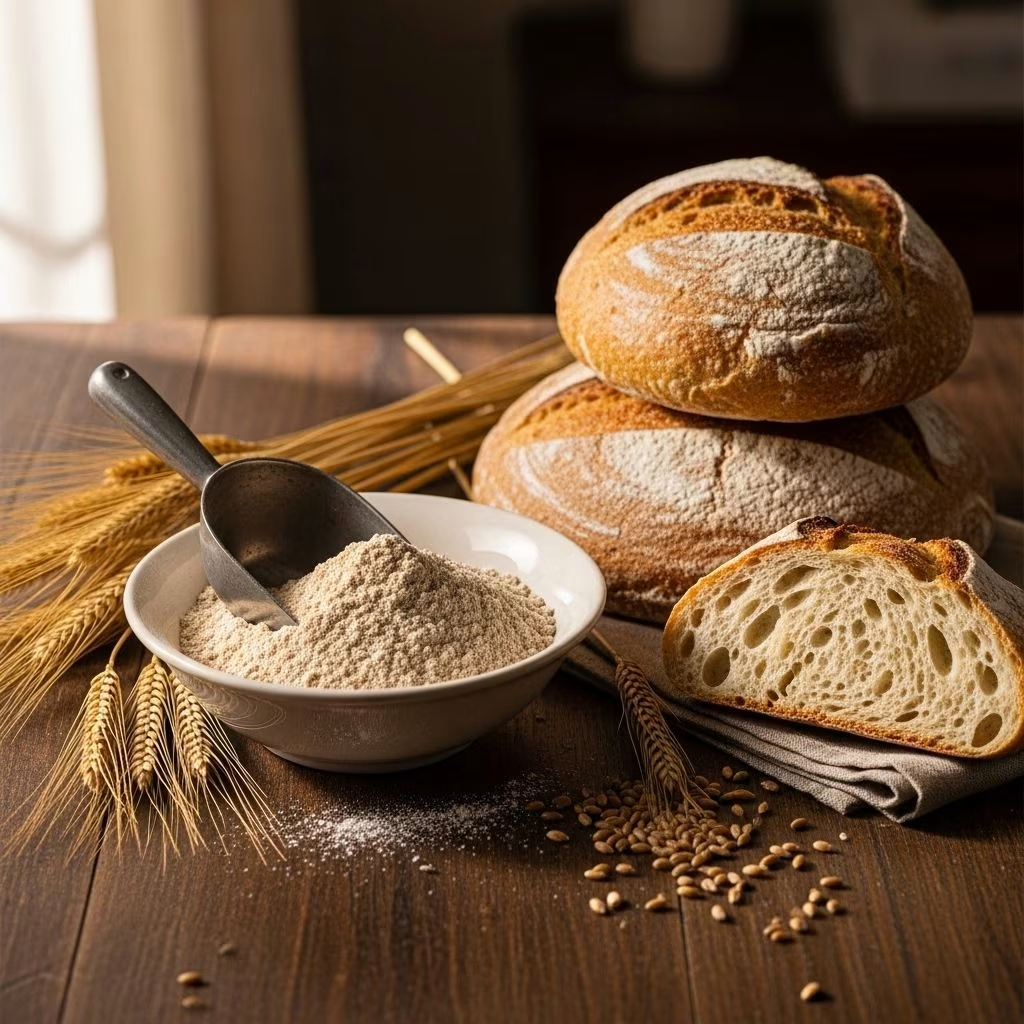
Triticale flour is a lesser-known yet highly versatile flour made from a hybrid grain—triticale—that combines the best qualities of wheat and rye. Increasingly popular among health-conscious bakers, triticale flour brings a unique set of flavors, nutritional benefits, and usability to the baking world. This comprehensive guide explores how to use triticale flour in a variety of baked goods, examines its nutritional profile, and provides effective substitution strategies.
What Is Triticale Flour?
Triticale (pronounced “trit-i-kay-lee”) is a man-made hybrid grain first developed in the late 19th century, created by crossing wheat (Triticum) and rye (Secale). The resulting grain combines the higher yield and baking qualities of wheat with the robust, earthy flavor and hardiness of rye. Triticale flour is produced by milling whole triticale grains, either using traditional stone grinding or more modern techniques, yielding a flour that is slightly sweet, nutty, and hearty in texture.
- Origin: Hybrid developed in Europe, now grown globally in regions suitable for both wheat and rye.
- Physical traits: Flour ranges from light brown to tan with a mild, nutty aroma.
- Gluten content: Moderate; lower than wheat but higher than rye, influencing its baking properties.
- Flavor profile: Subtly sweet, earthy, with a hint of rye spiciness.
Baking with Triticale Flour
Baking with triticale flour gives home bakers a way to incorporate both familiar and novel characteristics into breads and pastries. Triticale’s moderate gluten content means it can support structure while remaining tender and flavorful. Below are some key considerations and tips for success when baking with this hybrid flour:
- Bread baking: Because triticale flour contains less gluten than bread wheat, bread made exclusively with triticale is denser and may not rise as high. For the best texture in yeast breads, blend triticale flour with bread flour or whole wheat flour.
- Pastries & Quick Breads: Triticale flour works well in muffins, pancakes, waffles, and other quick-bake recipes where a light, tender crumb is desired.
- Flavor pairing: The mild nuttiness and slight sweetness of triticale pair beautifully with ingredients such as honey, brown sugar, seeds, citrus, and dried fruits.
- Hydration: Due to its higher fiber content, triticale flour may absorb more liquid than all-purpose flour. Adjust recipe hydration as needed.
Baking Tips:
- For a softer crumb and better rise, use 50–70% triticale flour blended with bread or all-purpose flour for yeast breads.
- Allow doughs to rest longer during fermentation to maximize gluten development.
- For added heartiness, toss in seeds such as sunflower or flax, or add sweet elements like orange zest or dried cranberries.
Popular Triticale Flour Recipes
Triticale flour brings depth, texture, and nutrition to a wide array of baked goods. These recipes highlight its versatility in both traditional and contemporary baking:
Bread Machine Hearty Triticale Loaf
| Ingredient | Amount |
|---|---|
| Triticale flour | 2 cups |
| Bread flour | 1 cup |
| Warm water | 1 1/4 cups |
| Olive oil | 2 tbsp |
| Apple cider vinegar | 1 tbsp |
| Salt | 1 1/2 tsp |
| Brown sugar | 1 tbsp |
| Instant yeast | 1 1/2 tsp |
Instructions:
- Add wet ingredients to a bread machine, then layer dry ingredients on top (keeping yeast separate initially).
- Use the basic or whole wheat setting and bake until golden and robustly flavored—perfect for sandwiches or toast.
Triticale Muffins
- Blend triticale flour with all-purpose or whole wheat flour for structure.
- Add wet ingredients such as oil, eggs, honey, and milk, then bake in a muffin tin for a quick, nutritious breakfast.
- Serve warm for best flavor.
Whole Grain Triticale Waffles
- Mix triticale flour with whole wheat flour and ground flax for added fiber.
- Add orange zest and pomegranate for freshness and a sweet-tart bite.
- Top with fruit and a drizzle of pure maple syrup.
Classic Triticale Yeast Bread
- Combine triticale flour, whole wheat flour, yeast, honey, and oil.
- Allow dough to rise until doubled, then shape into loaves and bake for 50–60 minutes at 350–375°F.
- Results in soft, aromatic, and hearty whole grain bread.
Nutrition of Triticale Flour
Triticale flour is prized for its nutritional profile, boasting a robust combination of macro- and micronutrients that contribute to its growing popularity.
| Nutrient | Approx. per 100g |
|---|---|
| Calories | 330 kcal |
| Protein | 13–15 g |
| Carbohydrates | 70 g |
| Dietary Fiber | 10 g |
| Fat | 1.5 g |
| Iron | 2.5–3 mg |
| Magnesium | 80–110 mg |
| Calcium | 30–40 mg |
| B Vitamins (e.g., B1, B2, B6) | Significant levels |
- Protein: Triticale flour is protein-rich, making it valuable for vegetarians and those seeking plant-based nutrition.
- Fiber: High dietary fiber content supports digestion and helps maintain stable blood sugar levels.
- Micronutrients: Good source of iron, magnesium, zinc, and B vitamins, supporting brain and metabolic health.
Compared to wheat, triticale generally contains more protein and dietary fiber. Its lower glycemic index makes it a favorable choice for sustained energy and satiety.
Health Benefits of Triticale
The unique hybridization of wheat and rye imparts several health benefits to triticale flour users:
- Improved Digestive Health: High fiber content aids regularity and gut health.
- Heart Health: The soluble fiber and micronutrient content support healthy cholesterol levels and blood pressure regulation.
- Sustained Energy: Moderate to low glycemic index and a balance of macronutrients provide slower, steadier energy release.
- Weight Management: Fiber promotes satiety and reduced calorie intake.
- Plant-Based Nutrition: High protein content supports muscle maintenance in vegetarian and vegan diets.
- Antioxidant Boost: Rye ancestry provides phytonutrients that may help combat oxidative stress.
Note: Triticale flour contains gluten and is NOT suitable for those with celiac disease or gluten intolerance.
Substituting Triticale Flour
If you run out of triticale flour or wish to adapt recipes, understanding how to substitute is crucial for baking success. The closest substitutes must consider flavor, structure, and nutritional profiles:
| Substitute | Comparison | Best Used In |
|---|---|---|
| Whole Wheat Flour | Similar gluten and nutrient level; flavor less earthy. | Breads, muffins, pancakes, waffles |
| Rye Flour | Earthier, lower gluten, denser crumb. Use blend for better rise. | Breads, crackers, hearty pancakes |
| Spelt Flour | Lighter, slightly sweet. Higher gluten than rye, lower than wheat. | Pastries, cakes, muffins |
| Oat Flour | Gluten-free, mild, absorbent. Lacks structure for breads. | Pancakes, cookies, some quick breads |
| All-Purpose Flour | Refined, neutral flavor, reliable rise. Lower fiber. | Most baking but loses whole grain nutrition |
- For yeast breads, substitute 1:1 with whole wheat or blend with rye for flavor and wheat for structure.
- In pancakes, muffins, or waffles, swapping triticale with a mix of rye and whole wheat flours often yields similar flavor and texture.
- Note gluten-free flours (like oat or buckwheat) will not provide the same structure—combine with a binder for best results.
Storage and Handling Tips
Properly storing triticale flour ensures maximum freshness and nutrient retention:
- Keep in an airtight container in a cool, dry place for up to 3 months.
- For longer storage, freeze in a sealed bag or container for up to 6–9 months.
- Check flour for any rancid or sour odor prior to use—discard if detected.
Triticale vs Other Grains
| Grain | Protein | Fiber | Primary Flavor | Primary Use |
|---|---|---|---|---|
| Triticale | 13-15g | 10g | Nutty, earthy | Bread, muffins, waffles, pancakes |
| Whole Wheat | 12-14g | 10g | Hearty, mild | Versatile |
| Rye | 9-11g | 15g | Earthy, tangy | Bread, crackers |
| Spelt | 14-15g | 7g | Sweet, nutty | Pastries, cakes |
- Triticale stands out for pairing rye’s complex flavor with wheat’s baking properties, making it highly adaptable for both dense and tender baked goods.
Frequently Asked Questions (FAQs)
Q: Can triticale flour be used alone for yeast bread?
A: Triticale flour can be used alone, but bread may be denser and not rise as high. Blending with bread flour or whole wheat flour improves structure and texture.
Q: Is triticale flour gluten-free?
A: No, triticale flour contains gluten and is not suitable for celiac disease or gluten sensitivity.
Q: What does triticale flour taste like?
A: It has a mild nuttiness with a subtle sweetness and earthy undertones, similar to a cross between wheat and rye.
Q: How do I substitute triticale flour in recipes?
A: Substitute 1:1 with whole wheat or a mix of rye and whole wheat. Adjust liquid as triticale absorbs more moisture.
Q: Does triticale flour work in cookies or cakes?
A: Yes, but use in recipes that can benefit from denser, heartier textures or blend with lighter flours for tenderness.
Conclusion
Triticale flour offers a compelling mix of nutrition, flavor, and versatility for bakers of all skill levels. With its unique balance between wheat and rye, it can be a powerful addition to your baking repertoire, adding both health benefits and complex taste to everyday breads, muffins, breakfast treats, and more. Whether used as a partial substitute in standard recipes or as the star ingredient in whole grain baking, triticale flour deserves a spot in every health-conscious baker’s pantry.
References
- https://earlybirdnc.com/mastering-bread-machine-baking/
- http://www.dvo.com/recipe_pages/deluxe/Triticale_Muffins.php
- https://rainydayfoods.com/content/triticale-bread-recipe/
- https://www.grainmillwagon.com/whole-grain-triticale-waffles-with-pomegranate-and-orange/
- https://sharonpalmer.com/how-to-cook-with-triticale-delicious-recipes-expert-cooking-tips/
- http://chefinyou.com/recipes/baking/triticale-bread-recipe/
- https://grainofloveco.com/wholegrain/triticale/cooking-with-triticale-101/
- https://nuts.com/recipes/old-fashioned-triticale-bread.html


