


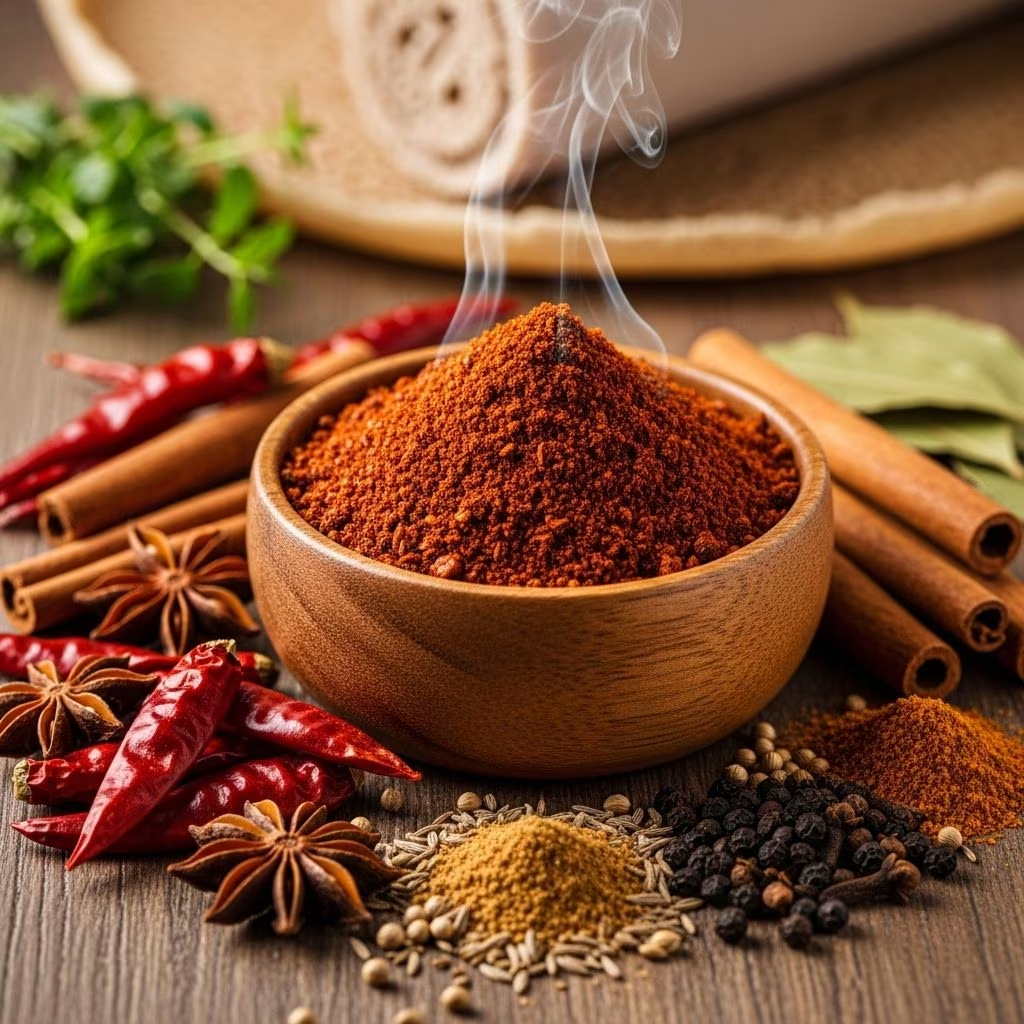
Berbere, a vibrant and fiery spice blend, is central to the culinary landscape of Ethiopia and Eritrea. This ancient mixture not only imparts deep flavor and color to dishes but also represents a complex intertwining of history, culture, and wellness. In this comprehensive guide, discover what berbere is, unravel its origins, understand its impressive health benefits, dive into its ubiquitous uses, and savor what sets its flavor apart from other spice blends.
What Is Berbere?
Berbere is a bold, intricately spiced seasoning blend originating from the Horn of Africa—mainly Ethiopia and Eritrea. The word derives from the Amharic term “barbare,” which translates to “hot,” referencing its chili pepper content and its ability to energize dishes with both heat and aroma. Traditionally, berbere is more than a blend—it’s an emblem of culinary identity, crafted in countless variations by regions and individual households.
The versatility of berbere ranges from a dry, ruby-red powder to a thick, aromatic paste (when mixed with oil, water, or vinegar), making it adaptable for rubs, marinades, and sauces. It is foundational to Ethiopian dishes, celebrated for its complexity, heat, and earthy undertones.
Origins and History of Berbere
The story of berbere is woven into the fabric of ancient trade routes and the rich history of the Ethiopian and Eritrean people. Its evolution spans centuries, carrying flavors influenced by distant lands and climatic diversity:
- Ancient Roots: Berbere is believed to have emerged as early as the 5th century, coinciding with the flourishing trade along the Silk Road. Through maritime and overland connections, Ethiopian traders accessed spices like pepper, ginger, and cinnamon from Asia and other regions. These found their way into local cooking traditions.
- Cultural Fusion: Berbere’s ever-changing nature reflects not only external influences but also Ethiopia’s internal mosaic—region, ethnicity, and family traditions all shaped unique berbere formulas passed down through generations.
- Symbol of Identity: In Ethiopian society, berbere is deeply significant, extending beyond flavor to symbolizing hospitality, celebration, and shared identity. Rituals around berbere’s preparation and use remain embedded in social and culinary customs.
Core Ingredients of Berbere Spice Blend
Berbere is celebrated for its complexity and flexibility. While there is no single, rigid recipe, most berbere blends combine a base of chili pepper with a symphony of warm, sweet, aromatic, and earthy spices. Its typical components include:
- Chili Pepper: Red chili is the dominant ingredient, delivering heat and vibrant color.
- Garlic and Ginger: These contribute sharp, aromatic notes and a background warmth.
- Warm Spices: Cinnamon, cloves, and nutmeg provide depth and subtle sweetness.
- Aromatic Seeds and Pods: Cardamom, coriander, cumin, and black peppercorn introduce citrusy, peppery, and slightly floral nuances.
- Fenugreek: Offers mild bitterness and rounds out the blend with a savory edge.
- Korarima (Ethiopian cardamom): Native to the region, imparts a distinctive herbal flavor found in authentic blends.
- Paprika, Turmeric, and Ajwain: These may appear for additional color, pungency, and digestive benefits.
- Dried Basil and Rue: Occasionally used, especially in family or regional blends.
Each family and region may modify the list, including unique touches like thyme, rosemary, allspice, or even African holy basil. Dried versions are most common, but berbere paste is prized for marinades and sauces.
Table: Common Spices in Berbere
| Spice | Flavor Contribution |
|---|---|
| Chili Pepper | Heat, color, pungency |
| Cinnamon | Sweet warmth |
| Cardamom | Citrusy, herbal notes |
| Cloves | Spicy, deep aroma |
| Fenugreek | Bitterness, savory depth |
| Coriander | Citrusy brightness |
| Black Pepper, Ginger, Garlic | Sharp, spicy warmth |
The Distinctive Taste Profile of Berbere
Berbere is famous for its multi-layered flavor profile—much more than just heat. The combination of chilies, warm spices, and aromatics creates:
- Spiciness: The chili’s bite varies by blend, ranging from mild to intensely hot, but heat is always present and balanced with other flavors.
- Richness & Earthiness: Spices like ginger, garlic, and fenugreek give berbere grounding, savory base notes.
- Sweetness: Cinnamon and nutmeg provide an underlying sweet warmth.
- Citrusy & Floral Notes: Cardamom, coriander, or ajwain introduce bright, ethereal nuances.
- Smokiness: Toasted spices and peppers often add an appealing smoky edge.
- Color & Aroma: Berbere’s brick-red hue is matched by a heady, enticing aroma that signals depth and excitement.
Despite the name, berbere is not defined by heat alone—it’s an exercise in complexity, balance, and harmony across the palate.
Health Benefits of Berbere
Berbere is not only prized for its culinary magic but also for its wellness contributions. Many of its spices confer health advantages:
- Antioxidants: Spices like cinnamon, turmeric, and chili pepper are rich in antioxidant compounds, helping protect cells from oxidative stress.
- Anti-inflammatory Properties: Ginger, garlic, and turmeric have natural anti-inflammatory effects beneficial for joint and overall health.
- Digestive Health: Coriander, cardamom, and ajwain are known to soothe digestion, reduce bloating, and enhance gut function.
- Immune-Boosting: Garlic, chili, and other spices support immune defenses and may have antimicrobial effects.
- Blood Sugar and Heart Health: Fenugreek and cinnamon may contribute to blood sugar stability and help lower cholesterol levels.
In its traditional role, berbere remains a low-calorie, nutrient-rich addition to any meal, bringing health benefits with every dash.
Culinary Uses of Berbere
Versatility is a defining aspect of berbere. It shines in the famed stews of Ethiopian and Eritrean cuisine but is equally at home in global kitchens willing to experiment:
- Traditional East African Dishes:
- Doro Wat: Ethiopia’s signature spicy chicken stew, deeply colored and flavored with berbere, often served with boiled eggs and injera (spongy flatbread).
- Tsebhi Zhigni: Eritrean-style beef or mutton stew.
- Shiro Wat: A chickpea stew that relies on berbere for its signature kick.
- Meat, Poultry, and Seafood: Used as a dry rub, marinade (especially as a paste), or seasoning for grilling, roasting, and braising.
- Vegetable Dishes: Adds vibrancy to lentils, beans, potatoes, and greens.
- Sauces & Dips: When blended with oil and wine, berbere forms awaze, a traditional Ethiopian dipping sauce—ideal for injera, bread, or grilled meats.
- Global Fusion: Innovative chefs sprinkle berbere over pizza, add it to scrambled eggs, toss it with popcorn, or blend it into yogurt for a zesty dip. Sweet fruits like pineapple or savory spreads like ricotta cheese are also enhanced with a dusting of berbere.
- Soups, Grains, and More: Stir into rice dishes, soups, or couscous for a surprising twist.
Because every blend carries individual character, berbere is a simple way to add complexity, color, and a touch of East African tradition to any dish.
How to Buy and Store Berbere
Berbere is increasingly available outside Ethiopia in spice shops, ethnic grocers, and even specialty supermarkets. When purchasing:
- Look for fresh, vibrant color and a strong, aromatic scent—these indicate quality.
- Choose all-natural versions with no additives or fillers.
Store berbere in an airtight container, away from heat and sunlight, to preserve its potency. Use within 6–12 months for peak freshness, grinding your spices just before mixing for the boldest flavor.
Making Berbere at Home: A Brief Guide
Homemade berbere allows for personalization of heat, aroma, and flavor. Here is a simplified outline:
- Toast whole spices (such as coriander, cumin, fenugreek, cardamom pods, peppercorns, cloves, cinnamon) over medium heat until fragrant.
- Cool and grind all spices to a fine powder.
- Add ground chili, paprika, ginger, garlic powder, nutmeg, and optional herbs like dried basil or thyme.
- Mix thoroughly and store in a dry, airtight container.
- For paste: Blend powder with a little oil or water to desired consistency.
This adaptability means homemade berbere can be as fiery, smoky, or sweet as personal preference demands.
Frequently Asked Questions (FAQs)
Q: How hot is berbere compared to other spice blends?
A: Berbere is typically hotter than most traditional Western blends, but the heat varies. Some family recipes use more chili for pronounced spiciness, while others focus on aromatic warmth. On average, it is comparable in heat to cayenne-based blends but is much more layered in flavor.
Q: Is berbere suitable for vegetarians and vegans?
A: Yes, berbere is plant-based and enhances the flavors of vegetarian and vegan dishes—especially lentil stews, roasted vegetables, and legumes.
Q: Are there any allergens in berbere?
A: Most berbere blends are free from common allergens, but always check labels for cross-contamination (such as nuts or gluten in processing) if you have sensitivities. Homemade blends offer full control over the ingredients.
Q: Can I adjust the spice level in homemade berbere?
A: Absolutely. Adjusting the amount and type of chili pepper lets you tailor the heat level. Some prefer milder, aromatic versions; others add extra chili for authentic Ethiopian heat.
Q: How does berbere differ from other global spice blends?
A: Berbere is unique for its combination of robust chili heat, sweet and warming spices, and indigenous Ethiopian ingredients, distinguishing it from blends like garam masala (Indian) or ras el hanout (North African).
Conclusion
Berbere is more than just a spice blend—it’s a story of trade, culture, and taste handed down through centuries. Its heat, complexity, and depth have defined Ethiopian and Eritrean cuisine and have begun to capture imaginations worldwide. Whether you seek bold new flavors or healthful, aromatic accents in your cooking, berbere belongs in every adventurous kitchen.
References
- https://pepperscale.com/what-is-berbere/
- https://www.tastingtable.com/1167977/the-5th-century-origins-of-berbere-spice/
- https://rawspicebar.com/blogs/spices-101/origins-and-cultural-significance-of-berbere-spice-blend-in-ethiopian-cuisine
- https://shabait.com/2020/03/04/berbere-king-of-all-spices/
- https://demandafrica.com/food/ethiopian-berbere-spice-a-history/
- https://en.wikipedia.org/wiki/Berbere
- https://www.rumispice.com/blogs/blog/history-of-berbere-spice-blend


