


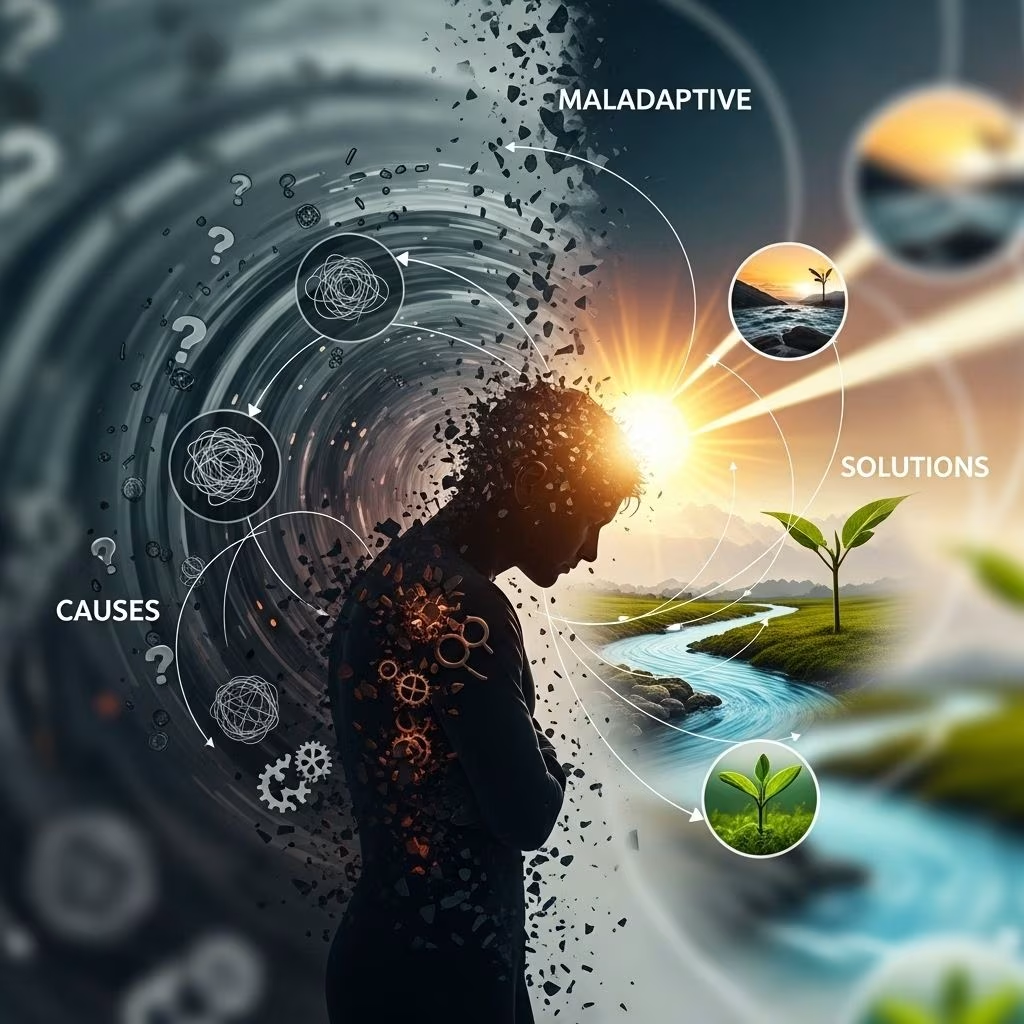
Behavior shapes every aspect of our daily lives, influencing how we adjust to challenges, relationships, and the demands placed upon us. In the field of psychology, maladaptive behaviors are a crucial concept because they represent patterns that actively hinder our ability to cope and thrive. This article explores the meaning of maladaptive behavior, how it differs from adaptive responses, common types, causes, consequences, and proven ways to foster lasting positive change.
What Does ‘Maladaptive’ Mean?
Maladaptive describes thoughts, feelings, or behaviors that—rather than helping a person adjust—make it harder to address challenges, recover from difficult experiences, or function in the world. These responses may provide short-term relief or comfort but ultimately exacerbate problems and block healthy adaptation.
Psychologists use the term to flag actions and coping mechanisms that keep people stuck, overwhelmed, or disconnected, even if at first they seem to offer protection or escape from stress.
Maladaptive vs. Adaptive Behavior
A useful framework for understanding maladaptive actions is to contrast them with adaptive behaviors. Adaptive behaviors are healthy strategies that help individuals solve problems, adjust to new circumstances, and meet their goals with minimal negative fallout.
| Feature | Adaptive Behavior | Maladaptive Behavior |
|---|---|---|
| Definition | Constructive responses that facilitate adjustment and personal growth | Counterproductive responses that inhibit functioning and adaptation |
| Example | Seeking support, problem-solving, healthy communication | Avoidance, outbursts, substance abuse |
| Outcome | Improved coping, lasting solutions, resilience | Short-term relief, long-term problems, increased distress |
In essence, adaptive behaviors help us grow and adjust, while maladaptive behaviors keep us stuck or make things worse in the long run.
Common Examples of Maladaptive Behavior
Maladaptive behaviors come in diverse forms. Some are easily visible, while others play out internally:
- Avoidance: Steering clear of situations, people, or tasks that trigger anxiety or discomfort, such as skipping social events or avoiding responsibilities.
- Angry Outbursts: Exploding verbally or physically in response to frustration or stress, rather than expressing feelings calmly.
- Substance Abuse: Turning to alcohol, drugs, or other substances as a way of coping with unpleasant emotions or situations.
- Binge Eating: Consuming large quantities of food in response to emotional distress rather than hunger.
- Passive-Aggressive Behavior: Expressing hostility or dissatisfaction indirectly, such as through sarcasm, procrastination, or deliberate inefficiency.
- Self-Isolation: Withdrawing from friends, family, or community life, often due to anxiety, depression, or fear of judgment.
- Hiding True Emotions: Suppressing or masking real feelings instead of expressing them constructively.
- Maladaptive Daydreaming: Retreating excessively into fantasies to escape reality, sometimes interfering with daily functioning.
These behaviors often serve as coping mechanisms for underlying emotional pain but prevent genuine resolution.
Maladaptive Behavior in Children
Children, too, can develop maladaptive behaviors, which can disrupt their learning, relationships, and development. Common maladaptive behaviors among children include:
- Aggression: Physical (hitting, biting) or verbal (teasing, name-calling) outbreaks that disrupt social interactions and safety.
- Temper Tantrums: Prolonged emotional meltdowns that extend well past the age where emotional regulation is expected.
- Oppositional Behavior: Defiant, noncompliant attitudes towards adults or authority figures, interrupting learning and cooperation.
- Withdrawal: Avoidance of social situations, reluctance to participate in group activities, or excessive shyness.
- Self-Injury: Actions such as head-banging, scratching, or cutting that may signal deeper emotional distress.
Such behaviors, especially when persistent, may point to underlying issues like anxiety, trauma, or mood disorders.
What Causes Maladaptive Behavior?
Maladaptive responses usually develop as an attempt to manage overwhelming emotions or situations, particularly when healthier coping mechanisms are unavailable or not well developed. Several contributing factors can shape these behaviors:
- Stress and Trauma: Major life changes, loss, abuse, neglect, or ongoing adversity can trigger maladaptive patterns.
- Mental Health Conditions: Disorders like depression, anxiety, post-traumatic stress disorder (PTSD), and some personality disorders often include maladaptive coping as a symptom.
- Learned Behaviors: Children or adults may adopt maladaptive behaviors modeled by parents, peers, or influential figures.
- Inadequate Coping Skills: Lacking education or resources for healthy coping can lead people to default to easier but ultimately damaging strategies.
- Environmental Factors: Dysfunctional family dynamics, social isolation, or high-pressure environments may encourage maladaptive responses.
Some maladaptive habits, such as avoidance or emotional suppression, often form early in life and can persist into adulthood unless consciously addressed.
Signs and Symptoms of Maladaptive Behavior
Recognizing maladaptive behavior is the first step toward change. Key warning signs include:
- Repeated use of the same unhelpful coping strategies despite mounting negative consequences
- Struggle to handle stress or new situations in healthy ways
- Damaged relationships, work difficulties, or social withdrawal
- Heightened anxiety, irritability, shame, or hopelessness
- Turning to substances, food, or fantasy as a frequent escape
If these behaviors interfere with everyday life or contribute to emotional suffering, support from a mental health professional can be transformative.
Risks and Consequences of Maladaptive Behavior
The persistent use of maladaptive behaviors risks entrenching a cycle where problems, rather than being solved, either persist or worsen. Common consequences include:
- Increased risk of mental health disorders like depression, anxiety, and substance dependence
- Social isolation and impaired relationships
- Reduced capacity to meet life’s responsibilities and pursue goals
- Chronic stress and diminished self-esteem
- Physical health drawbacks, such as poor sleep, overeating, or neglected medical needs
Over time, maladaptive habits can become self-reinforcing, making them more resistant to change as time passes.
Examples of Maladaptive Behaviors by Type
To further illustrate, here are several broad categories of maladaptive behaviors, with typical examples:
| Category | Example Behaviors |
|---|---|
| Avoidance | Skipping class, not opening bills, steering clear of anxiety triggers |
| Impulsivity | Outbursts, reckless spending, self-harm |
| Substance Use | Overusing alcohol or drugs as a main coping tool |
| Withdrawing | Refusing support, retreating from loved ones |
| Maladaptive Daydreaming | Escaping into fantasy for hours, losing touch with reality |
| Disordered Eating | Binge eating, skipping meals, eating to numb emotions |
| Passive Aggression | Giving the silent treatment, sabotaging efforts, sarcasm |
Why Are Maladaptive Behaviors Maintained?
Even when maladaptive habits cause distress, they tend to persist because they provide:
- Immediate Relief: Quick but temporary reduction in anxiety or pain (for example, procrastination delays a stressor).
- Lack of Alternatives: Without healthier strategies, people rely on the only coping methods they know.
- Negative Reinforcement: If avoiding a feared situation successfully reduces anxiety short-term, the avoidance is reinforced and likely to recur.
Breaking this cycle requires introducing adaptive behaviors that address the root problem without entrenched negative consequences.
Treatment and Healthy Alternatives
The good news is that maladaptive behaviors can be changed. The goal is not to suppress emotion or discomfort, but rather to develop resilient, adaptive responses. Cognitive-behavioral therapy (CBT) and other evidence-based treatments offer practical solutions:
- Acknowledgment: Clearly identify which behaviors are maladaptive and recognize their negative impact.
- Cognitive Restructuring: Learn to identify and challenge unhelpful thought patterns fueling maladaptive behaviors.
- Skill Building: Develop healthier coping mechanisms, such as problem-solving, assertive communication, and emotional regulation.
- Gradual Exposure: Safely face, rather than avoid, anxiety-provoking situations to build confidence and resilience.
- Support Systems: Connect with supportive friends, family, or groups to reduce isolation and foster encouragement.
- Professional Help: Engage a licensed mental health professional for structured therapies and guidance.
For children and adolescents, family involvement, positive discipline strategies, and creating predictable routines can be especially helpful.
Prevention and Self-Help Tips
Anyone can benefit from becoming more aware of their stress responses and practicing proactive skills:
- Practice mindful awareness to recognize early signs of stress or negative thinking
- Cultivate self-compassion and challenge self-critical thoughts
- Set realistic goals and break challenges into manageable steps
- Stay physically active and get enough sleep
- Engage in social support, whether family, friends, or professionals
Remember, struggling with maladaptive behavior is not a sign of weakness or personal failure—it signals the opportunity for positive intervention and growth.
Frequently Asked Questions (FAQs)
What is the difference between maladaptive and adaptive behavior?
Adaptive behaviors help us navigate challenges and reduce stress through constructive actions, while maladaptive behaviors provide short-term relief but block healthy coping and often lead to more problems down the road.
Can maladaptive behaviors be changed on your own?
Some people can disrupt maladaptive patterns with self-help techniques and increased awareness, while others may benefit from professional support to identify triggers and practice healthier skills.
Are maladaptive behaviors always linked to mental health disorders?
Maladaptive behaviors often occur alongside conditions like anxiety or depression, but they can also appear in anyone facing high stress or challenging life changes, regardless of diagnosis.
It’s just a phase—is that always true of maladaptive behaviors in children?
Many maladaptive behaviors in children, such as tantrums or withdrawal, are temporary, but if they persist, worsen, or cause impairment, early intervention with a specialist is recommended.
What are the first steps to overcoming a maladaptive habit?
Becoming aware of the specific behavior and its triggers, seeking support, and consistently practicing alternative, healthier coping strategies are all important first steps in overcoming maladaptive habits.
References
- https://www.betterhelp.com/advice/behavior/what-is-maladaptive-behavior-definition-and-symptoms/
- https://www.choosingtherapy.com/maladaptive-behavior/
- https://www.healthline.com/health/maladaptive-behavior
- https://thriveworks.com/help-with/behavioral-issues/maladaptive-behavior/
- https://pmc.ncbi.nlm.nih.gov/articles/PMC6920119/
- https://www.medicalnewstoday.com/articles/maladaptive-behavior


