


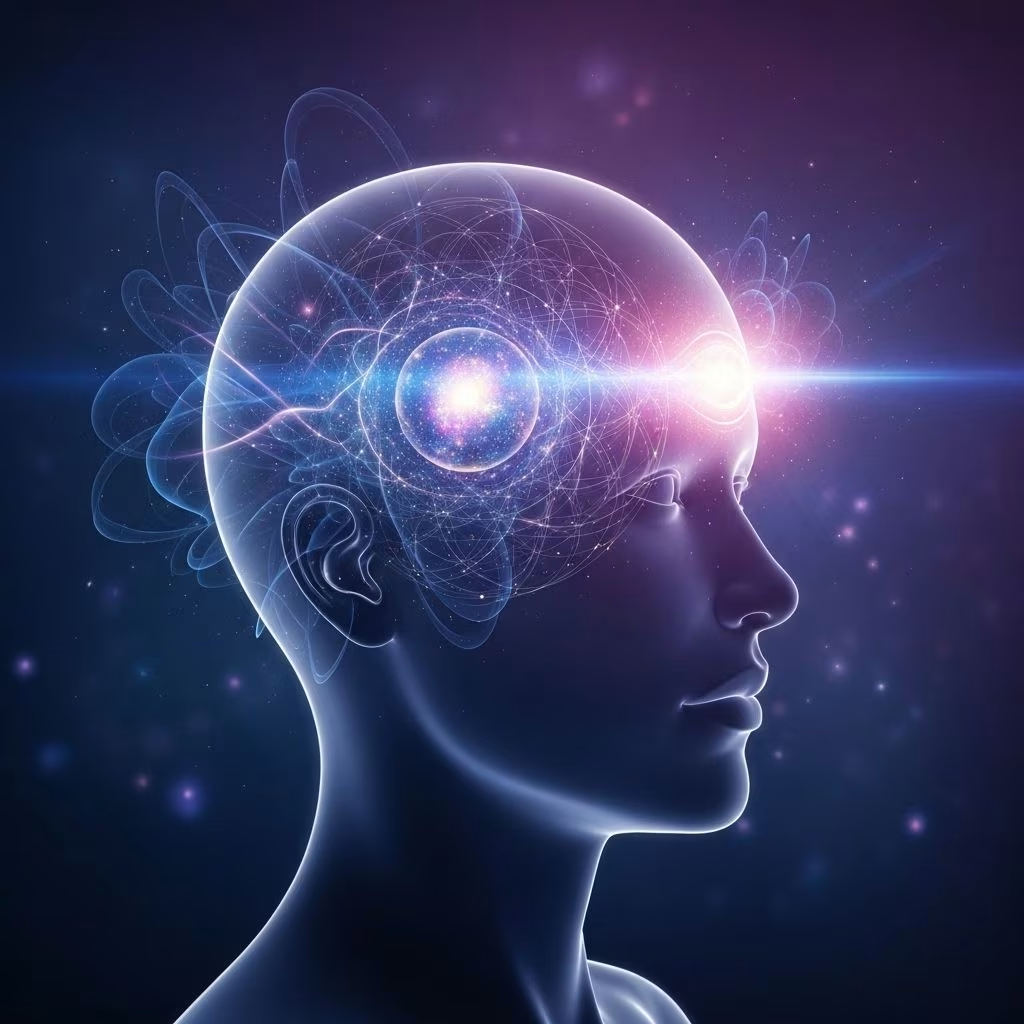
Opening Your Third Eye: Understanding, Practice, and Myths
The concept of the third eye—a mystical, intuitive center of perception—has captivated spiritual seekers, wellness practitioners, and the curious-minded for centuries. While images of enlightenment, inner vision, and even psychic powers often come to mind, understanding what the third eye truly represents, how it can be “opened,” and what one might experience forms a complex tapestry of tradition, philosophy, and modern exploration. This article delves into the core ideas behind the third eye, including practical methods, potential benefits, common misconceptions, and scientific perspectives.
What Is the Third Eye?
The third eye, traditionally known as the Ajna chakra in Sanskrit, occupies a significant place in yogic, Hindu, and esoteric philosophies. Situated just above the midpoint between the eyebrows, it is often depicted as the seat of intuition, insight, and higher consciousness.
- Ajna translates to “perceive” or “beyond wisdom,” signaling its connection with clairvoyance, self-awareness, and expanded perspective.
- Esteemed as the sixth chakra in the main energy system, it is referred to as the locus of the “sixth sense”—that is, inner knowing, observation, and connection to the subtle layers of reality.
- The third eye is said to govern not only understanding of self and world, but also foster imagination, creativity, lucid dreaming, and even moments of deep unity or oneness.
Philosophers and mystics have long asserted that when the third eye is open, a person transcends the binary, dualistic thinking of the ordinary mind—connecting not just with intellectual knowledge but with profound experiential insight. In many Eastern traditions, this is a key step in awakening or spiritual realization.
The Physical Correlate: The Pineal Gland
Some modern interpretations link the third eye to the pineal gland, a tiny endocrine gland located deep within the brain. Early philosophers such as René Descartes called the pineal gland the “seat of the soul,” and it remains a topic of fascination in both neuroscience and spirituality.
- The pineal gland produces melatonin, which regulates sleep cycles, and has been associated metaphorically with heightened perception.
- While scientific evidence does not support the literal existence of an energetic eye or psychic abilities, the pineal gland’s association with altered states of consciousness provides a compelling bridge between tradition and biology.
What Does It Mean to “Open” Your Third Eye?
To open your third eye means to awaken or activate this center of intuition and insight. In spiritual terms, opening the third eye is connecting with deeper levels of awareness, clarity, and internal wisdom.
- Heightened Perception: Enhancing the ability to see situations from multiple viewpoints, recognize underlying truths, and connect with intuition.
- Unification and Non-duality: The ability to see beyond separateness, fostering a sense of unity with others and with life as a whole.
- Inner Vision: Increased imagination, clearer dreams, and capacity for creative work or problem solving.
Opening the third eye is often described as a process—sometimes gradual—of peeling away layers of illusion or limited perception, much as a person might increase their self-awareness through reflection and personal growth.
Benefits of Opening the Third Eye
Advocates of third eye awakening describe a broad range of positive effects. The most commonly reported benefits include:
- Enhanced Intuition: Improved ability to trust your “gut,” make decisions, and detect the truth behind appearances.
- Greater Self-Awareness: Understanding your thoughts, motivations, and emotions with greater accuracy.
- Expanded Consciousness: The ability to hold multiple perspectives, foster empathy, and reduce self-centered or dualistic thinking.
- Increased Creativity: Richer imagination, conceptual thinking, and artistic inspiration.
- Deepened Spirituality: Experiences of interconnectedness, oneness, or moments of clarity about your life’s purpose.
- Clarity and Focus: Better concentration, improved problem-solving, and a sense of “seeing through” confusion or deception.
- Lucid Dreaming: Easier recall or control within dreams and an enriched dream life.
Practices to Open Your Third Eye
Many spiritual and mindfulness practices are said to stimulate or “open” the third eye. While approaches may vary by tradition, key methods frequently recommended include:
- Meditation: Stillness practices, especially those that focus on the breath, the space between the eyebrows, or cultivating present-moment awareness, are foundational.
- Visualization: Imagining light or energy at the third eye location stimulates concentration and inner vision.
- Chanting and Breathwork: The vibration and focus of reciting sacred sounds (such as the “Om” mantra) or engaging in rhythmic breathing may support awakening.
- Yoga: Especially poses and routines that open the forehead and increase self-awareness.
- Mindfulness Techniques: Regular practice of nonjudgmental awareness rooted in sensation, feeling, and observation builds the foundations for deeper insight.
- Journaling and Reflection: Writing about your thoughts, patterns, and dreams to explore your inner world.
- Dream Work: Paying attention to and interpreting dreams enhances subconscious communication and intuitive thinking.
- Shadow Work: Addressing unconscious patterns, repressed emotions, and limiting beliefs increases inner clarity and aligns awareness.
It is emphasized that while external guidance can be helpful, self-inquiry and honesty are crucial for authentic progress. Practices that enhance bodily awareness—learning to deeply feel sensations and emotions in the body—are often considered a foundational step.
Signs Your Third Eye Is Opening
Many report a range of physical, emotional, and perceptual experiences as they engage in practices aimed at third eye awakening. While individual experiences can vary, some common signs include:
- Heightened Sensitivity: Becoming more aware of subtle energy shifts in yourself or others.
- Intuitive Flashes: Sudden insights, ideas, or solutions that arrive “out of the blue.”
- Changes in Visual Perception: Seeing colors, lights, or changes in the brightness when meditating or in daily life.
- Physical Sensations: Pressure, tingling, or warmth in the forehead region.
- Vivid Dreams or Lucid Dreaming: Recall improves, and dreams feel more real or meaningful.
- Deepened Emotional Awareness: Recognizing feelings and motives more quickly or accurately in yourself and in others.
Note: Not everyone experiences dramatic effects. Some people may feel subtle shifts over time, while others may notice acute changes.
Potential Risks and Precautions
While the exploration of the third eye is generally seen as a growth-oriented practice, there are important cautions to consider:
- Destabilization: Excessive focus or forced attempts to “open” the third eye, especially without grounding and self-understanding, may lead to emotional or psychological imbalance.
- Fear or Discomfort: Unprocessed shadow material, suppressed memories, or strong emotional releases can arise, sometimes causing distress.
- Attachment to Supernatural Abilities: Over-identification with psychic powers or expectation of dramatic outcomes can distract from everyday well-being and meaning.
- Neglecting Psychological or Medical Needs: It’s important not to use spiritual work as a substitute for therapy, counseling, or medical interventions when appropriate.
Approach the process with patience, self-compassion, and discernment. If you notice ongoing emotional instability, confusion, or intrusive perceptions, seek support from a trained professional.
Common Myths About the Third Eye
| Myth | Reality |
|---|---|
| Opening your third eye gives you instant psychic powers. | Awakening intuition is often subtle and gradual; not everyone gains supernatural abilities. |
| The third eye is only for “spiritual” or “special” people. | Everyone can benefit from self-reflection, insight, and greater perspective. |
| You must use esoteric tools or supplements to open your third eye. | Simple, accessible mindfulness and self-awareness practices are effective and safe. |
| Opening your third eye is dangerous or will always create imbalance. | When approached carefully and holistically, enhancing awareness is a positive aspect of self-development. Problems arise mainly from obsession or neglect of other needs. |
| You can “force” open the third eye with willpower alone. | Genuine change is most often the result of consistent practice and openness, not aggressive “pushing.” |
Science and the Third Eye: Pineal Gland and Neuroscience
Although the third eye is primarily a spiritual or philosophical concept, biomedical research has identified the pineal gland as its anatomical counterpart in the human brain. The pineal gland is responsible for producing melatonin, a hormone that influences sleep and circadian rhythms. Some neuroscience perspectives suggest the pineal gland is involved in the body’s ability to perceive changes in light and day length, but no credible scientific evidence has confirmed supernatural powers or psychic phenomena.
- The metaphor of the third eye as “inner vision” aligns with certain understandings of intuition and subconscious processing, but should not be confused with literal sensory input.
- Many transformative experiences described as “third eye awakening” can be explained by psychological shifts, deep introspection, and positive neural rewiring through contemplative practices.
While engaging with the symbolic power of the third eye can be meaningful and transformative, it’s important to distinguish legend from established science.
Tips for Healthy Third Eye Exploration
- Balance Practice with Rest: Integrate spiritual exercises with grounding activities such as physical movement, time in nature, and social connection.
- Start with Simple Breath Awareness: Develop a foundation of mindfulness before engaging in advanced visualizations or energy work.
- Work with Guidance: Seek teachers or communities with a track record of care, ethics, and realism.
- Honor Individual Pace: There is no “right time” or universal timeline; respect your readiness and boundaries.
- Attend to Mental and Emotional Health: Seek professional support if practices trigger overwhelming or persistent distress.
Frequently Asked Questions (FAQs)
Q: What is the third eye and where is it located?
A: The third eye, also known as the Ajna chakra, is believed to be located between the eyebrows, slightly above the bridge of the nose. It represents intuition and inner vision.
Q: How do I know if my third eye is opening?
A: Common signs include increased intuition, heightened perception, pressure or tingling in the forehead, vivid dreams, and moments of deep insight or understanding.
Q: Is opening the third eye safe?
A: When approached via gradual, self-aware practices and balanced with other aspects of well-being, exploring the third eye is generally safe for most individuals. Risks can arise from obsessive focus or neglecting psychological needs.
Q: Do I need to use supplements or special tools?
A: No. Simple approaches such as meditation, mindfulness, breath awareness, and honest reflection are effective and safest. Supplements, if considered, should be approached with caution and medical guidance.
Q: Does science support the idea of the third eye?
A: The third eye as an energy center is not supported by science. The pineal gland, sometimes linked to the third eye, plays a biological role in regulating sleep cycles but does not confer supernatural abilities.
Summary: Third Eye in Everyday Life
Exploring the third eye does not require mystical leanings; it can be a practical metaphor for enhancing self-reflection, deepening awareness, and cultivating an expansive view of life. Whether approached as a spiritual quest or as part of personal development, the third eye offers a wide array of possibilities for those interested in personal insight, conscious living, and growth.


