


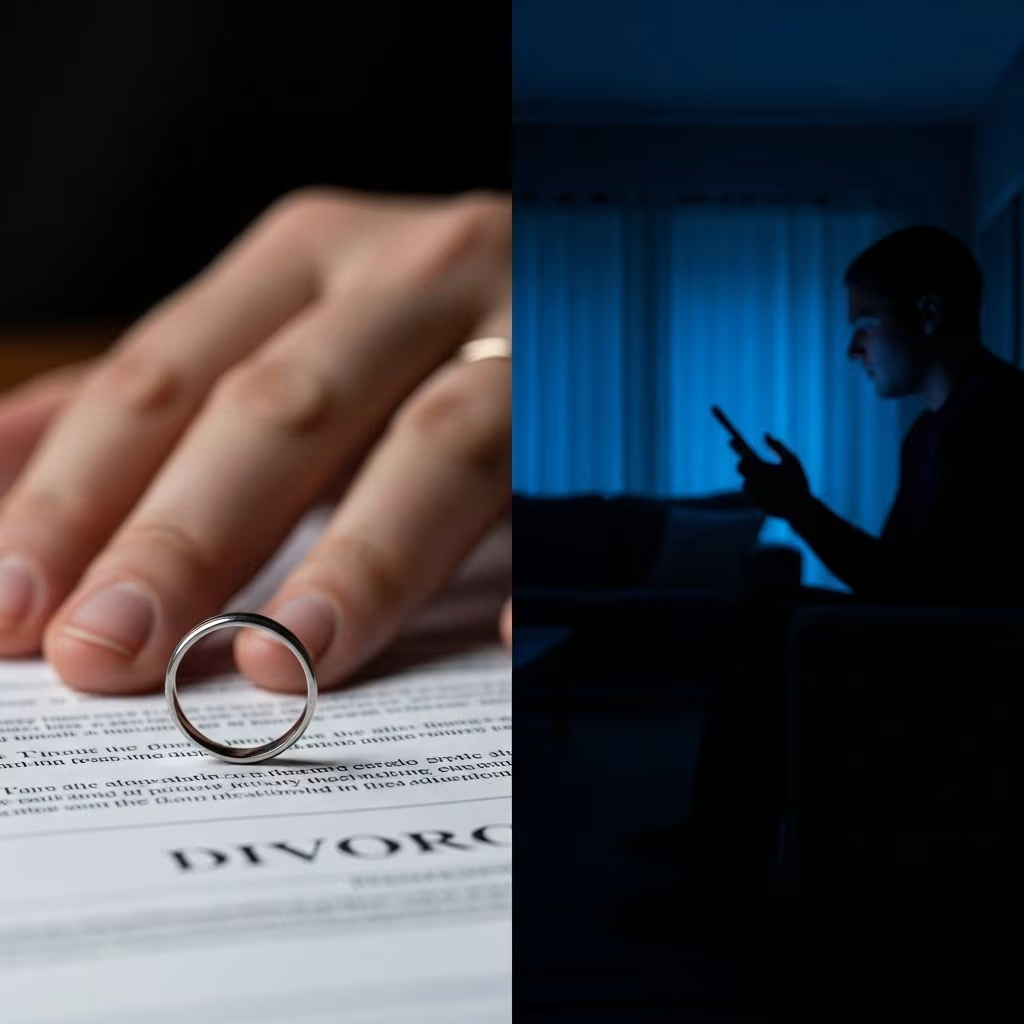
Warning Signs Your Spouse Might Be Cheating
Suspecting infidelity in a relationship is a deeply distressing experience. While one or two minor behavioral shifts may not be cause for alarm, a combination of red flags or sustained changes in a partner’s habits could indicate a cheating spouse. Understanding these warning signs—while remembering that none are definitive proof—can help you approach the situation with caution, awareness, and self-protection.
Why Recognizing Infidelity Matters
Infidelity can fundamentally undermine trust and emotional safety within a relationship. Early awareness allows for honest conversations, timely interventions, or personal decisions that safeguard your wellbeing and emotional health. While suspicion alone is not conclusive, repeated or escalating warning signs should not be ignored.
The Most Common Warning Signs of a Cheating Spouse
Cheating often brings about noticeable changes across several aspects of a spouse’s behavior, routines, communication, and emotional availability. Here are the most widely recognized warning signs:
- Changes in Phone or Computer Habits
- Partner is suddenly secretive with their phone or computer, puts up new passwords, deletes messages, or keeps devices out of sight.
- Unusual calls, texts, or social media activity, especially late at night or at odd hours.
- Reduced Sexual Intimacy
- Noticeable drop in affection, physical closeness, or sexual activity compared to previous relationship patterns.
- Spouse appears disinterested, distracted, or avoids intimate moments altogether.
- Sudden Attention to Appearance
- Partner starts dressing differently, purchases new clothes, changes hairstyles, or takes a sudden interest in personal grooming or working out.
- These efforts seem out of character, especially if not connected to health, work, or previous interests.
- Unexplained Schedule Changes
- Unusually frequent late nights at work, new social or leisure activities that exclude you, or frequent unexplained absences.
- Regular running of errands or spur-of-the-moment trips that don’t add up.
- Financial Irregularities
- Frequent ATM withdrawals, unfamiliar charges, or receipts for items you never see or benefit from.
- Unaccounted for hotel, dining, or travel expenses.
- Defensive or Evasive Communication
- Partner becomes hostile, shuts down, or refuses to answer questions about their time, spending, or activities.
- Subjects you to criticism, deflection, or reversed blame when concerns are raised.
- Emotional Distance or Lack of Interest
- Seems emotionally withdrawn, easily irritated, or uninterested in family or couple activities once enjoyed together.
- Changes in Friends or Social Circles
- New friends emerge, or existing friendships become secretive.
- Partner starts associating with people you barely know and acts vague about them.
- Unusual Guilt or Generosity
- Sudden displays of affection, kindness, or generosity for no clear reason can sometimes be attempts to compensate for guilt associated with infidelity.
Understanding the Motives and Patterns Behind Cheating
Infidelity can result from a variety of factors. While some motives are relational, others are deeply personal to the individual who cheats. Common reasons include:
- Desire for emotional or physical excitement missing from the relationship
- Low self-esteem seeking validation elsewhere
- Impulsivity and poor boundary control with co-workers or friends
- Desire for revenge or reaction to past hurt
- Changes in sexual desire or attraction
- Long-distance challenges or lack of meaningful connection
Emotional Affairs: A Hidden Threat
Not all infidelity is physical. Emotional infidelity—forming a deep emotional connection or secret relationship with someone outside the marriage—can be just as damaging. Warning signs include:
- Sharing intimate details and emotional support with someone besides your partner
- Escalating secrecy with digital communications or social media interactions
- Prioritizing someone else’s needs, emotions, or opinions above your spouse’s
- Frequent comparisons between your spouse and the other person, usually unfavorably
What To Do If You Suspect Your Spouse is Cheating
Recognizing several warning signs may prompt overwhelming emotions, but caution is essential. Here is a step-by-step approach:
- Document What You Notice
Keep a neutral, factual record of behaviors or discrepancies. Avoid jumping to conclusions but trust your intuition if contradictions persist.
- Communicate Openly
Find a calm time to express your observations without direct accusations. Use I statements: “I noticed you’ve been staying out late and being secretive with your phone, which makes me feel uneasy.”
- Seek Support
Talk to a licensed therapist, counselor, or trusted confidant. Support is vital for emotional processing, boundary setting, and constructive decision-making.
- Avoid Snooping or Retaliation
Invading your spouse’s privacy may feel justifiable, but it can erode trust further and foster conflict, especially if you are mistaken. Focus on honest communication and support.
- Consider Relationship Counseling
If both partners are open, counseling can address root problems, improve communication, and clarify paths forward—whether that is reconciliation, separation, or another outcome.
Red Flags vs. False Alarms
It is important to recognize that these warning signs are not proof of cheating on their own. Many issues, such as stress, depression, or work changes, can explain similar behaviors. Be mindful of the following considerations:
- Some personalities are naturally private or solitary.
- Temporary changes (such as changes in work schedule or fitness interest) may be healthy developments.
- Context and consistency are more telling than a single event or behavior change.
The Emotional Impact of Infidelity
Suspecting or discovering cheating in a relationship can be deeply traumatic. Reactions often include:
- Profound sense of violation or betrayal
- Heightened suspicion regarding partner’s future behavior
- Anxiety, depression, or loss of self-esteem
- Difficulty trusting others or forming new relationships
- Potential for trauma, especially if the betrayal is undisclosed or repeated
According to mental health experts, restoring trust after infidelity is one of the greatest relational challenges, often requiring time, counseling, and a strong commitment by both partners to rebuild and heal.
When to Walk Away After Infidelity
Not every relationship can (or should) survive the discovery of cheating. Some warning signs that reconciliation may be difficult or impossible include:
- Partner refuses to apologize or accept responsibility for their actions
- No commitment to couples’ counseling or meaningful communication
- Partner continues to maintain contact with the other party
- Ongoing lies, half-truths, or pattern of dishonesty, even about unrelated matters
- Blame-shifting: partner blames you or others for their infidelity
- Lack of willingness to put in effort to repair trust and the relationship
If these dynamics are present, it may be healthiest to consider moving forward independently, prioritizing your own healing and growth.
Frequently Asked Questions (FAQs)
Q: Are these signs always proof of cheating?
No single sign is definitive proof of infidelity. However, a persistent pattern of multiple changes, especially when combined with secrecy and defensiveness, should prompt concern.
Q: What should I do if I find evidence of cheating?
Approach the situation calmly. Consider seeking guidance from a mental health professional. Open, honest communication—while difficult—can be the starting point for important decisions about the future of your relationship.
Q: Can relationships survive infidelity?
Many couples have rebuilt trust and intimacy after cheating, but the process typically involves a high level of commitment, counseling, and honest, ongoing communication from both partners.
Q: What are some subtle signs of emotional affairs?
Emotional affairs often involve secret texting, sharing private details with a third party, hiding the friendship from your spouse, or putting someone else’s needs or opinions above your partner’s.
Q: How does trauma from infidelity manifest?
Betrayed partners may feel violated, develop deep mistrust, and experience anxiety or depression. Rebuilding self-esteem and trust often requires professional support and time.
Infidelity Warning Signs Checklist
| Behavior | Possible Warning |
|---|---|
| Sudden secrecy with devices | Passwords added, messages deleted, avoids letting you see screens |
| Decreased intimacy | Less affectionate, avoids sex, emotional detachment |
| Unexplained expenses | Frequent cash withdrawals, receipts for unshared purchases |
| Unusual schedule changes | Stays out late, ‘work trips’, new hobbies without inclusion |
| Excessive criticism or blame | Criticizes your habits, shifts blame for relationship issues |
| New focus on appearance | Dressing up more, frequenting gyms, personal grooming changes |
Final Thoughts on Addressing Suspected Infidelity
If you recognize many of these warning signs in your spouse, remain calm and avoid rash decisions or confrontations. Give yourself space for reflection and consider seeking guidance from a therapist or support network. While infidelity is deeply painful, understanding the signs—and acting thoughtfully in response—can empower you to reclaim your well-being, whether you choose healing together or apart.
References
- https://www.youtube.com/watch?v=Ivi83JRAEeA
- https://divorce.com/blog/when-to-walk-away-after-infidelity/
- https://www.deseret.com/family/2024/06/25/extramarital-affairs-cheating-unfaithful-friendships-work-friends/
- https://therapy-central.com/2023/12/12/i-cheated-on-my-boyfriend-moving-forward-steps/
- https://roamerstherapy.com/exploring-infidelity-as-a-trauma-understanding-its-psychological-impact/


