


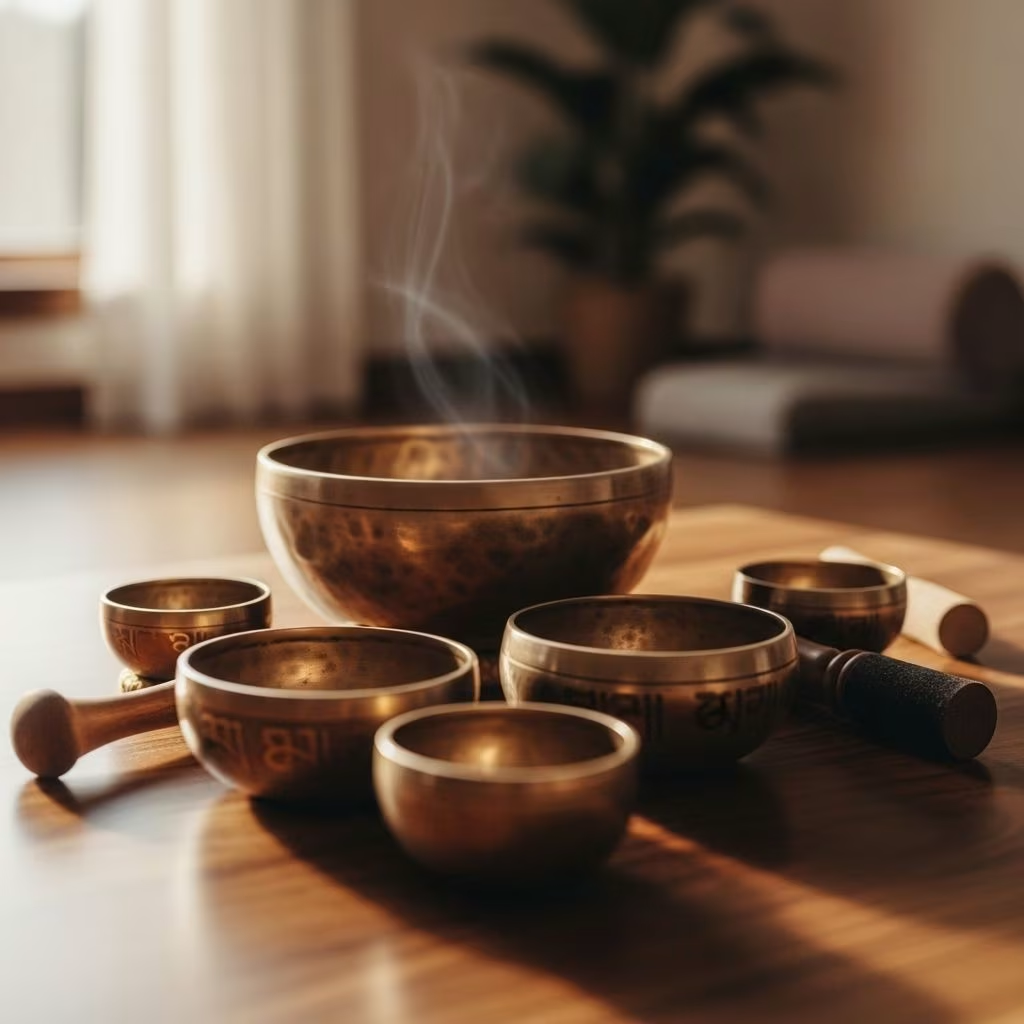
Sound Healing for Self-Care: Restoring Mind and Body Through Vibrational Therapy
Sound healing, an ancient practice rooted in diverse cultures, has recently gained momentum as a powerful self-care modality. By harnessing vibrations from musical instruments and the human voice, sound healing aims to recalibrate the body and mind, offering profound relaxation, emotional relief, and holistic well-being. This article explores the foundations, scientific evidence, benefits, and practical approaches to integrating sound healing into personal wellness routines.
What is Sound Healing?
Sound healing, also known as sound therapy, uses tonal frequencies, rhythms, and vibrations to balance and harmonize the body’s energetic and physiological systems. Practitioners employ a wide range of instruments, including singing bowls, gongs, drums, tuning forks, and the human voice, to induce a state of deep relaxation and activate the body’s innate healing mechanisms.
Unlike conventional meditation or therapies, sound healing immerses individuals in an auditory experience—sometimes called a sound bath. Participants lie down or sit comfortably while resonant sounds envelop them, promoting a sense of tranquility and restoration.
- Practiced Across Cultures: The use of sound and vibration for healing spans ancient traditions—Australian Aboriginals used the didgeridoo over 40,000 years ago, while Tibetan singing bowls remain integral to Himalayan spiritual rituals.
- Modern Adaptations: Today’s sound healing sessions often incorporate instruments tuned to specific frequencies that correspond to different chakras or energy centers in the body.
The Science Behind Sound Healing
Sound’s therapeutic impact is anchored in its dual effects on the body and mind. Physically, vibration-induced pressure changes interact with the ear and nervous system; psychologically, the brain interprets these sonic stimuli to provoke emotional and cognitive responses. The study of these effects, called psychoacoustics, reveals how frequencies can shift neural pathways, alter mood, and regulate stress responses.
Recent scientific research supports the efficacy of sound interventions for stress reduction, improved mood, and physiological healing.
- Physiological Effects: Sound vibrations activate the parasympathetic nervous system, triggering relaxation responses such as lowered blood pressure and decreased heart rate.
- Psychological Influences: Music and rhythmic sounds have been shown to increase spiritual well-being, improve energy, and reduce symptoms of anxiety, depression, and physical pain.
- Accessible Relaxation: Unlike other meditation practices, sound healing requires minimal training or experience, making it accessible for individuals new to wellness modalities.
How Does Sound Healing Work?
Sound healing capitalizes on the principle that everything in the universe—including the human body—vibrates at distinctive frequencies. When out of balance due to stress, illness, or emotional upheaval, these natural frequencies can be realigned or “retuned” through targeted sound therapy. Practitioners facilitate sessions using:
- Gongs: Generate powerful waves of resonance that deeply relax the nervous system and stimulate glandular and neurological responses.
- Tibetan and Crystal Singing Bowls: Produce layered harmonics believed to balance chakras and foster spiritual clarity.
- Tuning Forks: Emit precise frequencies used to target localized tension, pain, or energy blockages.
- Drums and Percussion: Employ rhythm to drive physical and emotional catharsis.
- Human Voice: Chanting, toning, or vocalization can influence mood, release stored emotion, and enhance meditative focus.
Typical Session Format
- Participants lie down comfortably, often using yoga mats, blankets, and eye masks.
- The practitioner performs a sequence of instruments, constructing a “soundscape” tailored for relaxation and healing.
- Sessions typically last 45-60 minutes, with time for silent integration afterward.
Benefits of Sound Healing
Extensive anecdotal and empirical evidence demonstrates sound healing’s multidimensional benefits, ranging from stress relief to improved physiological functioning.
- Deep Relaxation:
The enveloping sounds help participants disengage from daily stressors, ushering the brain into restful, restorative states comparable to deep meditation or sleep. - Emotional Clarity:
Sound therapy reduces symptoms of anxiety, depression, and anger, fostering a renewed sense of peace and mental balance. - Pain Relief:
Research and user reports consistently link rhythm and vibration to alleviated physical pain and muscle tension. - Improved Energy & Vitality:
Release of energetic blockages through sound can produce feelings of being more energized, clear, and grounded. - Enhanced Sleep:
Regular sound baths are associated with improved sleep quality and duration, thanks to parasympathetic activation and reduced mental arousal. - Lowered Blood Pressure and Heart Rate:
Studies confirm drops in cardiovascular markers post-sound bath, correlating with reduced stress and pain perception. - Spiritual Well-Being:
Many participants report greater connection, faith, and purpose following sound-based meditation.
Summary Table: Key Benefits of Sound Healing
| Benefit | Scientific Support | Common Instruments |
|---|---|---|
| Relaxation | Decreased tension, lowered stress markers | Singing bowls, gongs, drums |
| Mood Improvement | Reduced anxiety, anger, depression | Crystal bowls, voice, chimes |
| Pain Relief | Lowered pain and fatigue, especially with rhythm | Drumming, percussion |
| Improved Sleep | Reports of deeper, more restorative sleep | Singing bowls, wind instruments |
| Spiritual Well-Being | Increased sense of faith and connection | Gongs, bowls, chanting |
Common Types and Modalities of Sound Healing
- Sound Bath: Group or solo immersion in resonant frequencies from a blend of instruments.
- Singing Bowl Meditation: Tibetan or crystal bowls create deep harmonics used for chakra balancing and spiritual attunement.
- Voice Healing: Chanting, toning, or mantra recitation harnesses vibrational qualities of human speech.
- Tuning Fork Therapy: Specific forks are applied to pressure points or held near the body for localized vibrational therapy.
- Drumming Circles: Rhythmic drumming supports emotional release and fosters community bonding.
Scientific Research and Evidence
Peer-reviewed studies substantiate many therapeutic claims of sound healing:
- A crossover study demonstrated significant reductions in tension, anxiety, and depressive mood following Tibetan singing bowl meditations, especially for participants new to sound-based therapies.
- Rhythmic sound and vibration reliably induce parasympathetic relaxation responses, lowering heart rate and blood pressure.
- Research into sound interventions points to mechanisms such as modulation of the hypothalamic-pituitary-adrenal axis and autonomic nervous system, affecting emotional and physiological stress.
- Meta-analyses of music therapy highlight improvements in overall mood and reduced symptoms of chronic pain, insomnia, and mental health disorders.
Incorporating Sound Healing into Your Self-Care Routine
Sound healing is accessible for most individuals and requires minimal prior experience. Sessions may be enjoyed in group settings, private practice, or at home using recorded soundscapes and guided meditations. Here’s how to integrate sound healing into your wellness ritual:
- Attend a local sound bath or singing bowl meditation session led by a trained practitioner.
- Experiment with online resources and recordings using bowls, gongs, chants, or nature sounds.
- Invest in personal instruments—such as a Tibetan bowl, tuning fork, or drum—for regular self-guided practices.
- Combine sound healing with other modalities like yoga, breathwork, or aromatherapy for synergistic benefits.
- Make space for integration post-session, reflecting quietly on shifts in mood, energy, or physical sensations.
Choosing the Right Approach
- Personal Preferences: Some prefer percussive rhythms; others respond powerfully to pure tones or chanting. Experiment to discover which tools and styles resonate with you.
- Delivery Contexts: Sound healing may be delivered live or through high-quality recordings; both modalities offer therapeutic effects but may vary in intensity and immersion.
- Professional Guidance: Certified sound practitioners offer tailored approaches based on individual needs and goals.
Limitations, Considerations, and Safety
- Results and experiences are highly individual; not everyone finds sound baths relaxing or effective.
- Sound healing should complement—not replace—medical treatment for serious health conditions.
- People with certain neurological conditions, sensitivity to sound, or unique psychological histories should consult a qualified healthcare provider before engaging in intensive sound therapy.
Who Can Benefit?
Sound healing is generally safe and suitable for all age groups, from children to older adults. It may be especially helpful for people experiencing:
- Chronic stress or burnout
- Anxiety, depression, or mood imbalances
- Pain and muscle tension
- Difficulty sleeping or insomnia
- Looking for spiritual or emotional clarity
Expert Perspectives
Both practitioners and researchers highlight where sound healing excels:
- Accessible form of relaxation and stress management—even for novices.
- Supplement to mental health care, often used in integrative clinics and wellness centers.
- Creates supportive communal spaces, as seen in group sound baths and drumming circles.
Frequently Asked Questions (FAQs)
Q: What is a sound bath?
A: A sound bath is an immersive session where participants relax while practitioners play instruments like singing bowls, gongs, and chimes, enveloping listeners in healing frequencies to promote relaxation and well-being.
Q: How often should I attend sound healing sessions?
A: Frequency depends on personal preference and goals. Some individuals find weekly sound baths beneficial, while others enjoy occasional sessions for relaxation and stress relief.
Q: Is there scientific research supporting sound healing?
A: Yes, studies show sound interventions can reduce tension, anxiety, anger, and depressive mood while improving spiritual well-being and physical markers like heart rate and blood pressure.
Q: Can I practice sound healing at home?
A: Absolutely. Many people use singing bowls, tuning forks, or guided recordings in their personal routines. Apps and online resources make it easy to integrate sound healing into daily life.
Q: Are there any risks associated with sound healing?
A: Sound healing is generally safe; however, individuals with certain health conditions or sensitivities should consult a healthcare provider before participating, especially in intensive or prolonged sessions.
Conclusion
Sound healing stands at the intersection of ancient tradition and contemporary science, offering a diverse range of approaches for self-care. Whether seeking deep relaxation, emotional clarity, pain relief, or spiritual attunement, vibrational therapy provides accessible tools for restoring harmony to mind and body. As scientific interest grows, sound healing is poised to become an essential pillar in holistic well-being, inviting individuals of all backgrounds to tune in, relax, and heal.
References
- https://elitekingwood.com/the-benefits-of-sound-healing/
- https://pmc.ncbi.nlm.nih.gov/articles/PMC11240062/
- https://pmc.ncbi.nlm.nih.gov/articles/PMC5871151/
- https://www.psychologytoday.com/us/blog/less-stress-more-peace/202410/research-reveals-sound-and-frequency-reduce-stress
- https://www.aarp.org/health/healthy-living/sound-bath-benefits/


