


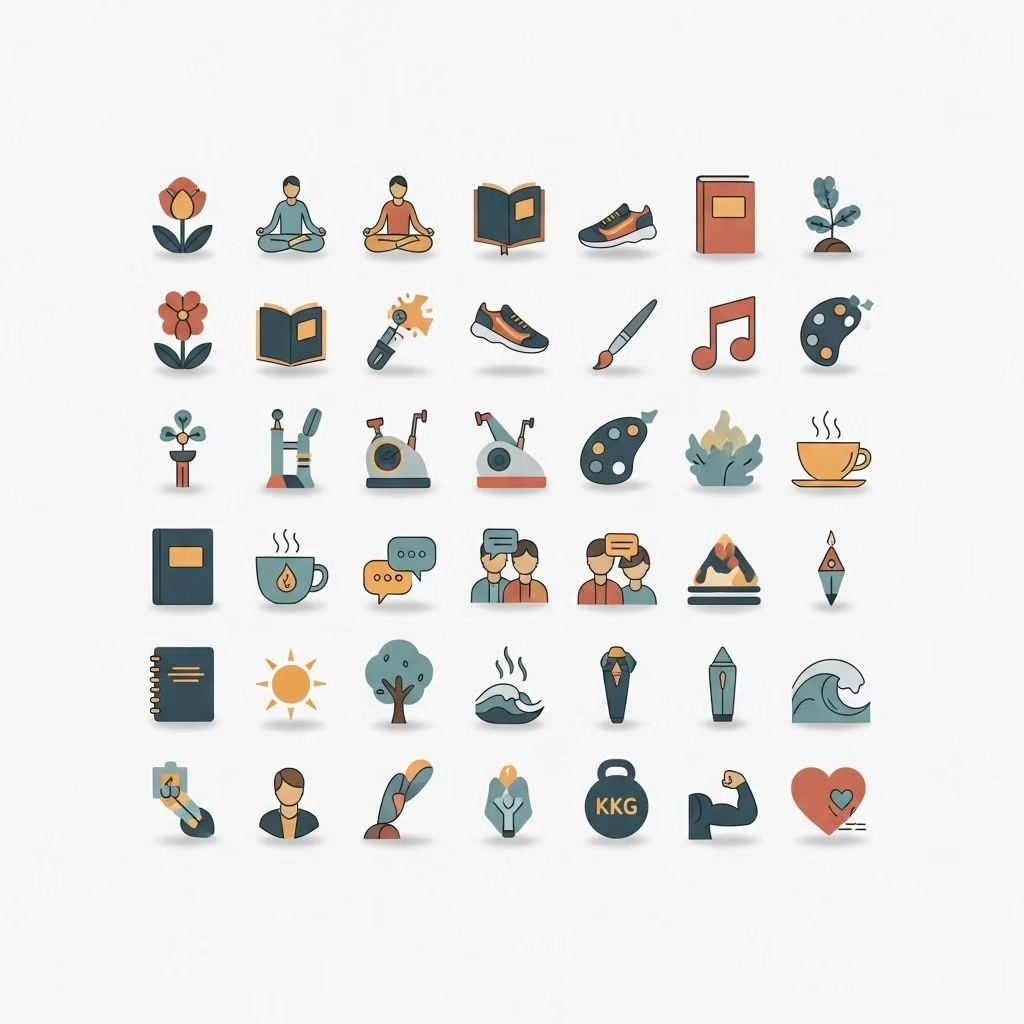
Forty Healthy Coping Skills: Practical Ways to Manage Stress
Stress and difficult emotions are an inevitable part of life, but how we respond to these challenges has a profound impact on our overall wellbeing. Coping skills are methods and strategies we use to deal with challenging situations, manage our emotional responses, and foster inner resilience. Developing healthy and effective coping skills can help reduce anxiety, lift mood, and enhance your ability to navigate life’s hurdles with confidence.
What Are Coping Skills?
Coping skills are actions, thoughts, or techniques that help people deal with stress, emotional distress, or adversity. These skills may be behavioral (such as exercise or socializing), cognitive (such as positive thinking or reframing), or emotional (such as self-compassion or acceptance). Coping methods are generally divided into two broad types:
- Problem-Focused Coping: Tackles the issue causing the stress, such as problem solving, planning, or seeking support.
- Emotion-Focused Coping: Manages emotional responses to stress, including relaxation, self-soothing, or distraction.
Both categories are important for a balanced approach to emotional wellness.
Why Healthy Coping Skills Matter
Developing healthy coping skills ensures that your responses to stress and life’s challenges promote long-term wellbeing, rather than contributing to further difficulties. Unhealthy coping might include excessive avoidance, substance use, or self-blame, which often worsen the underlying problem. By contrast, healthy strategies:
- Reduce anxiety and depressive symptoms
- Increase emotional regulation
- Build self-confidence and resilience
- Enhance relationships
Forty Healthy Coping Skills to Try
Below you’ll find forty evidence-based coping skills designed to help you manage stress, brighten your mood, and build emotional reserves. Try a combination of these strategies to find the mix that best works for you.
- Deep Breathing: Pause and focus on slow, deep breaths. Inhale for five counts, exhale for five counts. This activates the body’s relaxation response and reduces stress levels.
- Mindful Meditation: Dedicate a few minutes to mindful meditation or guided imagery. Practicing mindfulness can help you gain perspective and promote emotional balance.
- Progressive Muscle Relaxation: Tense and release major muscle groups, noticing differences in sensation to induce physical and mental calm.
- Journaling: Write down your thoughts, experiences, or emotions. Journaling is shown to enhance emotional processing and self-reflection.
- Physical Activity: Move your body with activities like walking, running, yoga, or dancing. Exercise releases endorphins, improving mood and stress resilience.
- Gratitude List: Reflect on and write a list of things you’re grateful for. Practicing gratitude can shift focus from stressors to positive aspects of life.
- Listening to Music: Play music that uplifts or soothes you. Musical engagement supports emotion regulation and self-expression.
- Connect with Nature: Spend time outdoors, go for a walk in a park, garden, or simply observe natural beauty.
- Social Connection: Call, text, or meet with a trusted friend or family member. Social support is one of the most powerful buffers against distress.
- Creative Expression: Engage in art, music, or crafts. Creativity offers an outlet for emotions and promotes self-discovery.
- Plan Something Fun: Schedule an activity or outing that you look forward to, which can boost your mood and motivation.
- Play and Humor: Watch a funny video, play a game, or read jokes. Laughter and play counteract stress and foster positive emotions.
- Positive Affirmations: Repeat uplifting phrases to yourself. Affirmations can help shift negative thinking and reinforce self-worth.
- Self-Compassion: Practice kindness toward yourself, especially during difficult moments. Treat yourself as you would a friend in need.
- Grounding Exercises: Try the 5-4-3-2-1 technique (identify: 5 things you see, 4 you feel, 3 you hear, 2 you smell, 1 you taste) to return your attention to the present moment.
- Stretching: Gentle stretching relaxes your body and mind, reducing the physical symptoms of tension and stress.
- Read for Pleasure: Escape into a good book, magazine, or inspirational quotes to distract and soothe your mind.
- Cook or Bake: Focus your attention on preparing a meal or trying a new recipe. Cooking is both sensory and creative.
- Take a Bath or Shower: Immersion in warm water can help you relax and unwind physically and emotionally.
- Light a Candle or Use Aromatherapy: Scents can evoke relaxation and positive memories. Choose a candle or essential oil you find soothing.
- Pet Therapy: Spend time with pets if you have them. The comfort of animals can lower anxiety and provide unconditional support.
- Self-Acceptance: Accept your emotions without judgment, recognizing that all feelings are valid.
- Problem Solving: Identify the issues at hand and brainstorm possible solutions. Engaging with the problem directly may reduce helplessness.
- Set Positive Intentions: Begin the day by stating positive intentions or goals, which helps direct focus and energy.
- Visualization: Imagine yourself in a calming and beautiful place, engaging all your senses to evoke peace and relaxation.
- Practice Saying No: Set healthy boundaries to avoid overwhelm and protect your time and energy.
- Volunteer: Help someone else or contribute to a community cause. Giving back creates perspective and purpose.
- Acceptance: Reflect on what you can and cannot control. Focus on actionable areas to reduce frustration and rumination.
- Cry When Needed: Allowing yourself to cry is a healthy emotional release and can relieve built-up tension.
- Organize or Clean: Tidying up your environment gives a sense of accomplishment and control.
- Compliment Others: Offering sincere compliments lifts both your own mood and those of others.
- Ask for Help: Reach out for assistance, advice, or simply support when you’re struggling. It is a sign of strength, not weakness.
- Practice Opposite Action: Do the opposite of your current urge when your emotions are unhelpful (e.g., go outside when you want to stay in bed).
- Take a Nap: A brief nap may help restore your mental energy and improve mood.
- Body Scanning: Notice sensations throughout your body, gently shifting attention and relaxing each area.
- Attend a Support Group: Joining a group for people with similar experiences creates shared understanding and validation.
- Laugh: Seek humor in everyday life—watch a comedy, share funny stories, or engage in playful banter.
- Help Someone Else: Doing something kind for another (small favors, volunteering) is strongly linked to increased happiness.
- Try a New Activity: Step outside your comfort zone by trying something new. Novelty fosters engagement and positive emotions.
- Positive Self-Talk: Redirect negative inner dialogue to supportive, compassionate statements.
- Create a Coping Skills Box: Fill a box with objects that comfort or ground you (e.g., favorite book, scented candle, affirmation cards).
Quick Table: Coping Skill Categories
| Category | Examples | Benefits |
|---|---|---|
| Relaxation | Deep breathing, meditation, progressive muscle relaxation | Reduces physiological stress, calms the mind |
| Cognitive | Gratitude list, positive affirmations, problem solving | Shifts thought patterns, improves mood |
| Behavioral | Exercise, cleaning, cooking, play | Distracts from stressors, boosts self-efficacy |
| Social | Connect with friends, volunteer, attend support group | Provides emotional support, reduces isolation |
| Creative/Expressive | Journaling, art, music, humor | Facilitates self-expression, emotional processing |
| Environmental | Nature walks, organizing, aromatherapy | Creates calming environment, increases comfort |
Tips for Choosing Coping Skills
- Identify your main sources of stress—are they external (work, relationships) or internal (anxiety, sadness)? This guides you toward either problem-focused or emotion-focused skills.
- Experiment and track—try out a few skills and note which ones are most helpful in different situations.
- Practice regularly—coping skills work best when used proactively, not just during a crisis.
- Combine strategies—layering several approaches often yields stronger results.
- Adapt over time—as your needs and circumstances change, be open to revising your toolkit.
Frequently Asked Questions (FAQs)
Q: How do I know which coping skill to use?
A: Start by noticing how you feel and what you need. If you’re overwhelmed and anxious, try calming techniques like breathing or meditation. If you feel isolated, connect with someone. The best coping skill is one that helps you move toward balance in the given moment.
Q: What if coping skills don’t seem to help?
A: If you try a skill and don’t notice relief, experiment with different strategies or combine several approaches. For ongoing distress, consider professional support from a counselor or therapist.
Q: Can I use coping skills preventively?
A: Yes, many coping skills are most effective when practiced regularly. For example, exercise, social connection, and mindfulness can build baseline resilience, reducing your vulnerability to stress.
Q: Are some coping skills unhealthy?
A: Yes, some strategies—like excessive avoidance, substance use, or self-blame—are counterproductive and may worsen problems over time. Focus on healthy, constructive techniques that genuinely support your wellbeing.
Additional Resources
- National Alliance on Mental Illness (NAMI): Offers education and resources for coping with mental health challenges.
- American Psychological Association: Guidance on building resilience and choosing adaptive coping strategies.
- Local support groups: Many communities have in-person or virtual groups that foster sharing and coping skill-building.
By integrating a range of healthy coping skills into your daily life, you can empower yourself to face challenges with increased confidence, flexibility, and emotional stability. Remember, it’s not about perfection—small steps lead to big change.
References
- https://www.sacredheart.edu/media/shu-media/counseling-center/101_Coping_Skills_ADA.pdf
- https://liferecovered.com/wp-content/uploads/2024/09/100-Healthy-Coping-SkillsPDF.pdf
- https://browngirltrauma.com/healthy-coping-skills/
- https://www.yourlifeyourvoice.org/JournalPages/99-Coping-Skills-Poster.pdf
- https://positivepsychology.com/coping/
- https://www.thepathway2success.com/100-coping-strategies-for-anger-anxiety-and-more/
- https://cfsslo.org/wp-content/uploads/2016/04/Seeking-Safety-Coping-Skills-Reprint-English.pdf


