


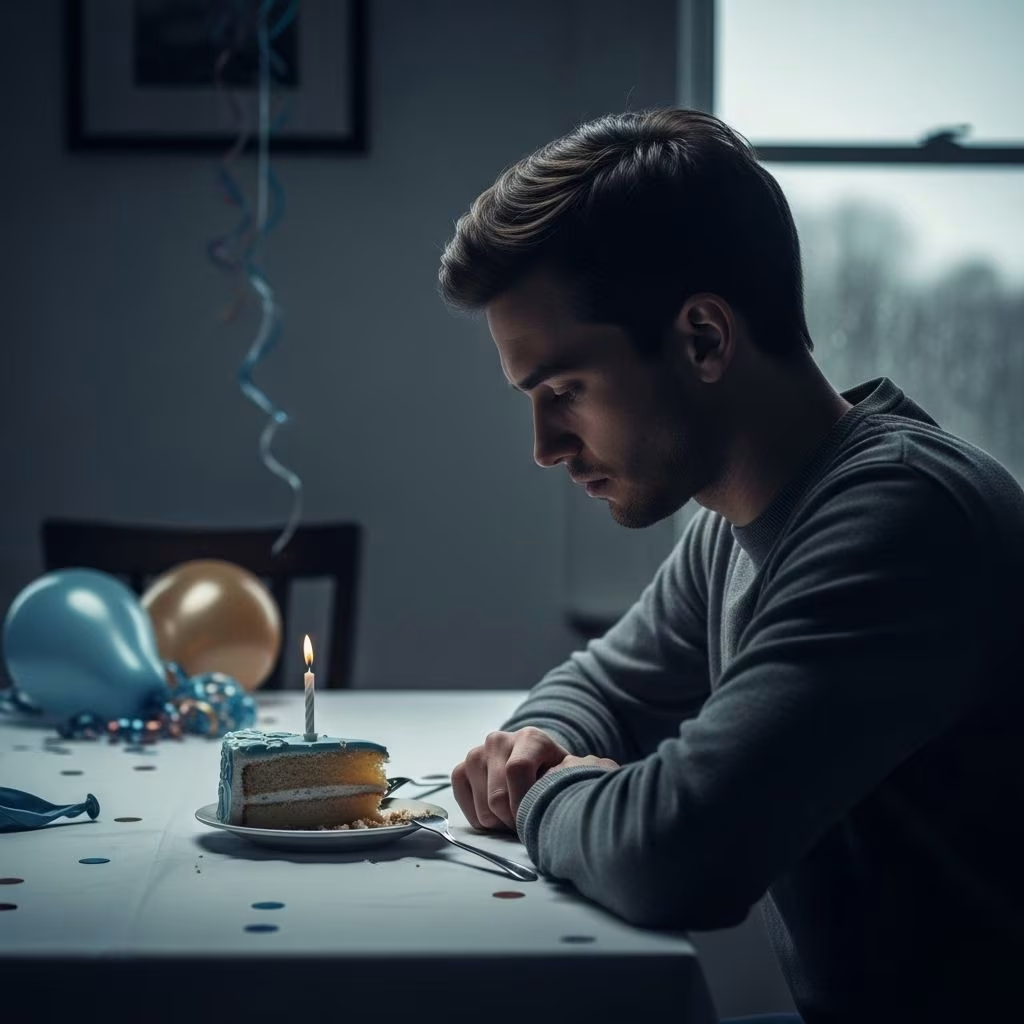
Birthday Depression: Why Do Some People Feel Sad on Their Birthdays?
Birthdays are often pictured as times of joy, celebration, and togetherness. But for many, the approach of a birthday brings not excitement, but sadness, anxiety, or apathy—a phenomenon commonly called birthday depression or the birthday blues. This article explores what birthday depression is, why it affects some people, how to recognize its signs, and—importantly—how to successfully cope with it.
What Is Birthday Depression?
Birthday depression refers to temporary episodes of sadness, irritability, or emotional distress that occur in the days or weeks leading up to and immediately following one’s birthday. Although not a clinical diagnosis, this phenomenon is widely recognized by mental health professionals and often impacts people in subtle, yet significant ways.
Unlike clinical depression, which persists for weeks or months and significantly impacts daily functioning, birthday depression is generally short-lived and linked specifically to the birthday period. While many assume birthdays are inherently joyful events, research and clinical experience reveal that negative emotions during this time are common and valid.
Common Signs and Symptoms
The symptoms of birthday depression can mimic those of other depressive episodes, differing mainly in their duration and temporal connection to the birthday. People experiencing the birthday blues may display some of the following symptoms:
- Persistent low mood or irritability for days surrounding the birthday
- Sadness, crying spells, or agitation
- Lack of interest or pleasure in social activities or celebrations
- Low energy, fatigue, or lack of motivation
- Disturbed sleep or appetite changes
- Desire to isolate; avoidance of birthday reminders, parties, or greetings
- Difficulty concentrating or preoccupation with past regrets and negative thoughts
- Self-criticism, rumination over missed goals or milestones
- Feelings of loneliness or abandonment
- Mild anxiety, paranoia, or physical symptoms like aches and pains (occasionally)
For most, these symptoms are temporary. In rare cases, particularly when pre-existing mental health conditions are present, these feelings may persist beyond the birthday window and warrant additional support.
Birthday Depression vs. Clinical Depression
| Feature | Birthday Depression | Clinical Depression (Major Depressive Disorder) |
|---|---|---|
| Duration | Short-term (days to a couple of weeks) Tied to birthday or surrounding period | Persistent (at least 2 weeks, often months; may be chronic) |
| Trigger | Specific: Occurs around birthday | No specific event required |
| Symptoms | Sadness, withdrawal, low energy, anxiety, rumination Not as severe or pervasive as clinical depression | Intense sadness or hopelessness, loss of interest in most activities, impaired daily function |
| Diagnostic Status | Not formally recognized as a disorder | Official diagnosis in DSM-5/medical guidelines |
| Response to Support | Often improves with coping strategies and support | Typically requires professional intervention |
Note: If low mood, loss of interest, or other symptoms last more than two weeks or interfere with daily living, seek help from a mental health professional to rule out clinical depression.
Why Do Some People Experience Birthday Depression?
Common Triggers and Risk Factors
The reasons people struggle around their birthdays are complex and often involve a mix of psychological, social, and cultural factors.
- Reflection on Milestones and Aging: Birthdays prompt self-reflection and comparisons to personal or societal expectations (“I thought I’d be married by now…”). This can trigger disappointment about missed goals or life status.
- Fear of Aging and Mortality: Especially as people grow older, birthdays are vivid reminders of the aging process, limited time, and mortality. Research shows many adults fear getting older, and birthdays reinforce this awareness.
- Negative Past Experiences or Memories: Traumatic or disappointing previous birthdays can create an expectation of sadness or avoidance. Anniversaries can resurface memories of loss, conflict, or family dysfunction.
- Isolation or Loneliness: Social support is a crucial protective factor for mental health. Birthdays can highlight a lack of close relationships or bring up painful reminders of absent loved ones.
- Social Pressure and Expectations: Cultural and social media portrayals of elaborate birthday celebrations can create anxiety or a feeling of inadequacy when reality falls short.
- Pre-existing Mental Health Conditions: People with anxiety, depression, or low self-esteem are more likely to struggle around their birthdays.
Major Causes of Birthday Blues
1. Cultural and Personal Expectations
Society often frames birthdays as major milestones that demand celebration and happiness. The pressure to experience joy, receive attention, or host a memorable event can create stress, especially for introverts or those who feel overlooked.
2. Comparison With Others
On birthdays, people may compare their life achievements, relationships, or circumstances to those of peers. Social media amplifies these comparisons by projecting unrealistic images of happiness and fulfillment, which can deepen dissatisfaction.
3. Time as a Reminder of Unmet Goals
Birthdays force a reckoning with another year passed. If important goals remain unmet—be it career, family, or personal growth—people may ruminate on perceived failures or the passage of time.
4. Grief and Loss
Anniversaries are powerful memory triggers. For those who have lost loved ones or experienced hardship around their birthday, the date can reopen old wounds.
5. Aging and Age-Related Anxiety
Fear of aging, physical decline, or not attaining the ‘right’ milestones in time is common. This fear can overshadow the positive aspects of celebrating another year of life.
When Is Birthday Sadness a Sign of Something More?
While birthday depression usually fades within days or weeks, it can sometimes overlap with, trigger, or worsen underlying mental health issues. If any of the following are present, consider seeking professional support:
- Sadness lasts more than two consecutive weeks
- Loss of interest in most activities, or inability to function at work, home, or school
- Withdrawal or detachment persists outside the birthday window
- Thoughts of death, self-harm, or suicide
- Persistent feelings of worthlessness or hopelessness
Clinical depression requires a different approach than the birthday blues. Reach out to a mental health professional for guidance and treatment options.
How to Cope With Birthday Depression
While birthday depression can be distressing, there are evidence-based strategies and simple lifestyle adjustments that can help manage and even prevent it.
Practical Tips for Managing the Birthday Blues
- Self-Compassion and Acceptance: Remind yourself that it is normal to have mixed or negative feelings about birthdays. Self-judgment increases stress—practice kindness toward yourself.
- Set Realistic Expectations: Avoid the pressure to have a ‘perfect’ day. Release rigid expectations about how you ‘should’ feel or celebrate.
- Connect With Supportive People: If loneliness is a trigger, reach out to friends or family, even virtually. Let your social network know how you’d like to be supported.
- Plan in Advance, But Stay Flexible: Decide ahead whether you want to celebrate, and organize something that feels comfortable—whether that means a party, a quiet day, or even ignoring the day entirely.
- Reframe the Occasion: Consider turning the day into an opportunity for personal reflection, gratitude, or helping others (e.g., volunteering).
- Limit Social Media Use: Reduce exposure to unrealistic or triggering posts, and avoid comparing your birthday to others’.
- Practice Mindfulness: Focus on the present moment, allowing all feelings to come and go without judgment. Techniques like deep breathing, meditation, or journaling can help.
- Ask for Help When Needed: If sadness is overwhelming or doesn’t resolve, seek support from a therapist, counselor, or support group.
Professional Support
If birthday depression routinely worsens or interacts with other mental health concerns, a mental health professional can help you process underlying issues, develop coping skills, and, where appropriate, offer therapy or medication for more persistent depression.
How to Support a Loved One Experiencing Birthday Depression
- Check In: Gently ask how they are feeling about their birthday and offer a listening ear without forcing celebration.
- Respect Their Wishes: Honor their preference for alone time or low-key acknowledgment.
- Provide Affirmation: Remind them of their value, accomplishments, and the importance of self-compassion.
- Offer Practical Support: Help with planning (or avoiding) social activities based on what feels best for them.
- Encourage Professional Help: If you notice signs of serious depression or ongoing distress, gently suggest seeking help from a mental health provider.
Frequently Asked Questions (FAQs)
What is birthday depression?
Birthday depression (or birthday blues) is a temporary feeling of sadness, anxiety, or disappointment that occurs before, during, or after your birthday. It differs from clinical depression in duration and intensity but is still valid and can be distressing.
Is it normal to feel sad on my birthday?
Yes, it is relatively common to feel low around your birthday. Various factors—ranging from unmet expectations to personal reflection—make sadness a normal, if often unspoken, reaction for many.
How can I avoid feeling depressed on my birthday?
Try managing expectations, seeking meaningful connections, limiting social media, and practicing self-compassion. Taking control of how you celebrate (or don’t) can help reduce negative feelings. If distress persists, seek support from a professional.
When should I seek help for birthday depression?
If sadness, lack of motivation, or withdrawal lasts more than two weeks, or if you experience thoughts of self-harm, hopelessness, or significant life disruption, reach out for professional mental health support.
Can children experience birthday depression?
Yes, although less common than in adults, children can also feel sad or anxious around their birthdays—especially if they’ve experienced disappointment, trauma, or family changes associated with the event.
Sources
- E-Counseling: Birthday Depression: How to Cope With the Birthday Blues
- Talkiatry: Birthday Depression: 5 Psychiatrist Tips to Overcome It
- Talkspace: Birthday Depression: Why You’re Sad & Feeling the Blues
- Medical News Today: What is birthday depression and ways to cope
References
- https://www.e-counseling.com/articles/birthday-depression/
- https://www.talkiatry.com/blog/birthday-depression
- https://www.talkspace.com/mental-health/conditions/articles/birthday-depression/
- https://www.medicalnewstoday.com/articles/321063
- https://www.samhsa.gov
- https://my.clevelandclinic.org/health/diseases/21131-atypical-depression
- https://www.nimh.nih.gov/health/publications/depression


