


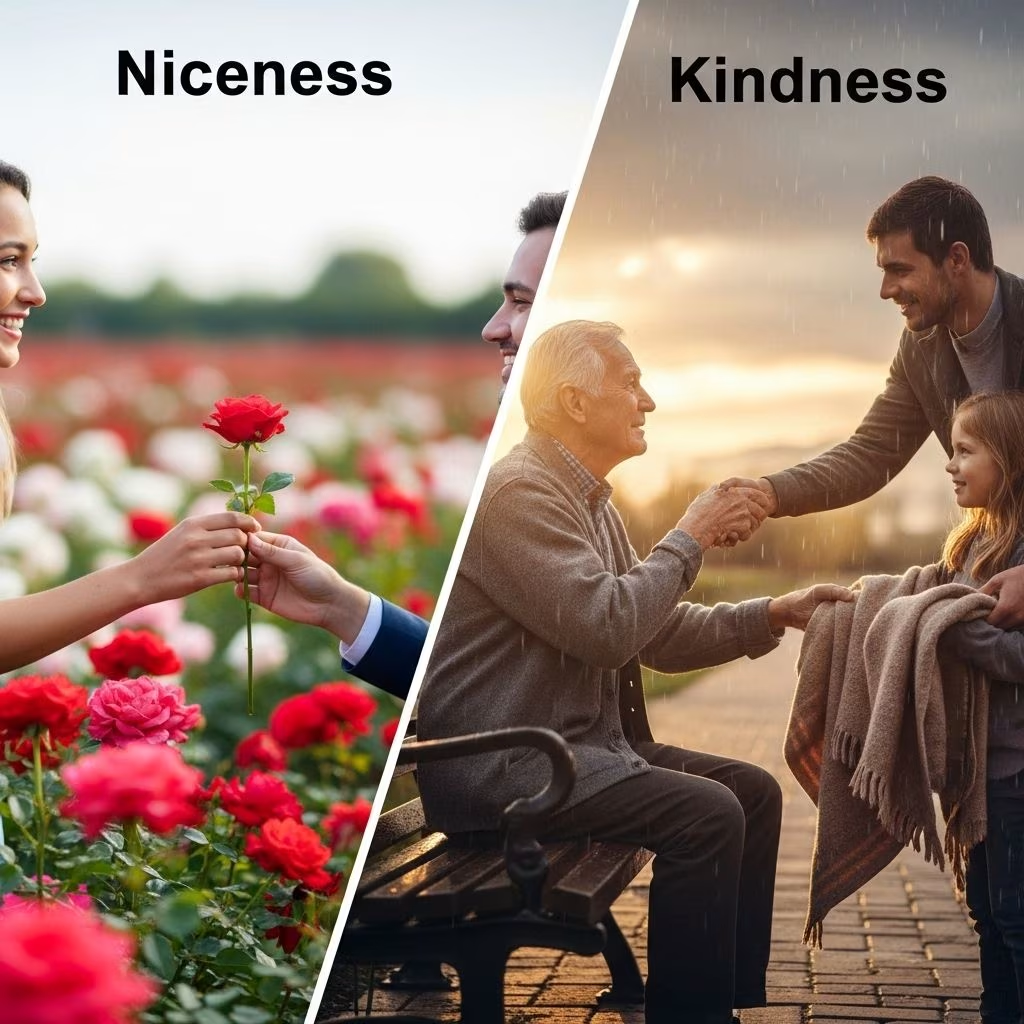
Niceness vs. Kindness: Understanding the Real Difference
In daily life, we frequently encounter moments where we describe someone as “nice” or “kind.” While these words may seem interchangeable, they carry distinct meanings and create different impacts on individuals and relationships. The subtleties between niceness and kindness are essential for personal growth, emotional health, and the cultivation of deeper human connections.
Defining Niceness and Kindness
| Aspect | Niceness | Kindness |
|---|---|---|
| Motivation | Driven by social expectation, desire to be liked, or avoidance of conflict. | Driven by empathy, compassion, and genuine care for others. |
| Authenticity | Can be surface-level; may mask true feelings. | Authentic and sincere; reflects true concern. |
| Impact | Often fleeting; maintains pleasant interactions. | Lasting and transformative; fosters connection and growth. |
| Boundaries | Avoids conflict or difficult conversations. | Includes setting healthy boundaries and honest communication. |
Core Differences Between Niceness and Kindness
- Motivation: Niceness revolves around meeting social norms and keeping peace, often prioritizing others’ perception over one’s true feelings. Kindness is motivated by a heart-felt urge to help, uplift, and nurture others, even when it means discomfort for oneself or others.
- Authenticity: Niceness may sometimes require hiding true thoughts to appear agreeable. Kindness, however, insists on honesty, empathy, and genuine emotion, often involving uncomfortable truths for the betterment of others.
- Impact: Acts of niceness maintain cordial relationships in the present but rarely deepen bonds. Acts of kindness, especially those rooted in empathy and vulnerability, create emotional resonance and long-term trust.
- Boundaries: Niceness can lead to avoidance of conflict, risking suppressed emotions and unaddressed problems. Kindness embraces honest feedback and difficult, yet constructive, conversations for growth.
Why the Difference Matters
Recognizing the nuances between niceness and kindness is essential for personal wellbeing and meaningful relationships. Understanding these differences allows you to foster a culture where authenticity, vulnerability, and trust flourish.
Niceness: Comfort Versus Connection
- Niceness maintains a façade that everything is fine, both for oneself and for others.
- It projects an image of stability, sometimes at the cost of suppressing emotions and avoiding vulnerabiliy.
- Conversations driven by niceness often default to positivity, leaving little room for emotional honesty or authentic sharing.
Kindness: Authenticity and Emotional Bonding
- Kindness accepts the reality of highs and lows, encouraging space for others to share vulnerable moments.
- It builds trust by allowing for honest exchanges, even if they include constructive or uncomfortable feedback.
- The warmth and genuine connection fostered by kindness surpass superficial social obligations.
Real-World Examples
| Situation | Nice Response | Kind Response |
|---|---|---|
| Friend asks for opinion on a project | “It’s great!” (avoids criticism to avoid hurting feelings) | “I think you did really well, and here’s one area you could improve.” (offers constructive feedback) |
| Colleague makes a mistake | Ignores the error to avoid confrontation | Addresses the mistake gently, helps correct it |
| Family member is upset | Changes the topic to keep things light | Listens, acknowledges feelings, offers real support |
The Psychology of Niceness and Kindness
Niceness commonly emerges from social pressure or the desire for personal comfort. People may act nicely to be perceived favorably or to avoid conflict, sometimes ignoring or suppressing their own needs and opinions. In contrast, kindness comes from deep empathy and compassion, with a focus on genuinely improving another’s wellbeing—even at the expense of personal comfort.
While niceness can create a temporary agreeable environment, it often lacks depth and sincerity. Kindness encourages vulnerability and authenticity, elements crucial for building an environment of trust and emotional safety.
Long-Term Impact on Relationships
- Superficial Interactions: Niceness often only supports surface-level relationships, as true emotions and feedback are withheld for the sake of keeping the peace.
- Authentic Bonds: Kindness, by facilitating honest communication, helps create connections built on trust, respect, and empathy. These are relationships that can weather life’s ups and downs.
- Conflict Resolution: Kindness allows for tough conversations and provides space for growth, resolving issues instead of burying them under politeness.
Kindness cultivates an atmosphere where personal growth is possible—for both you and those you interact with. In these relationships, feedback, both positive and negative, is exchanged constructively.
Common Misconceptions: Is It Bad to Be Too Nice?
Niceness isn’t inherently negative; courteous behavior is valuable in society. However, persistent niceness at the expense of your own needs can lead to emotional burnout, resentment, and shallow relationships. Neglecting disagreements or difficult truths will eventually create barriers to honest connection.
Kindness, meanwhile, leverages empathy to balance being supportive of others and true to oneself. By practicing kindness, you nurture both your emotional health and your relationships.
How to Cultivate Kindness Over Niceness
- Practice Empathy: Make an intentional effort to understand others’ feelings, experiences, and perspectives. This deep level of care is the root of genuine kindness.
- Be Honest, But Gentle: Offer feedback when needed, combining honesty with compassion. Do not hide your true feelings solely to avoid conflict.
- Set Healthy Boundaries: Saying “no” kindly is an act of self-respect and ultimately benefits others. Boundaries help maintain authenticity and trust.
- Encourage Vulnerability: Share your own struggles and successes. Create space for others to do the same, deepening the emotional connection.
- Take Action Without Expecting Anything: Engage in acts of kindness for their own sake, not for praise or reciprocal benefits.
The Personal and Social Benefits of Kindness
- Emotional Fulfillment: Kindness nourishes both giver and receiver by fostering feelings of worthiness, security, and connection.
- Builds Trust: Sincere acts of kindness form the foundation of trusting relationships, essential for emotional safety.
- Encourages Growth: Honest and thoughtful feedback helps individuals develop, learn, and thrive.
- Supports Mental Health: Authentic relationships and empathy lower stress and build resilience.
- Cultivates Community: In social contexts, kindness helps form communities based on mutual respect and genuine support.
Kindness vs. Niceness: At a Glance
| Quality | Niceness | Kindness |
|---|---|---|
| Social Motivation | Conforms to expectations; seeks approval | Internally motivated; seeks genuine wellbeing for others |
| Depth | Surface-level interactions | Facilitates deep connections |
| Emotional Impact | Creates pleasant feelings, limited trust | Builds lasting emotional security |
| Resilience | Vulnerable to stress and burnout | Fosters resilience and shared growth |
Practical Ways to Be Kind Instead of Just Nice
- Listen actively: Give others your full attention and validate their feelings.
- Offer help without being asked: Notice others’ needs and respond with genuine support.
- Give thoughtful compliments: Make your praise specific and sincere.
- Express gratitude: Regularly thank others with warmth and intention.
- Apologize sincerely: Acknowledge mistakes and express a real desire to make things right.
- Support others’ growth: Offer gentle, constructive feedback when appropriate.
Frequently Asked Questions (FAQs)
Q: Is it bad to be too nice?
A: Excessive niceness can lead to emotional exhaustion and resentment if it involves neglecting one’s own needs. Practicing self-care and honesty is crucial for healthy relationships.
Q: Can kindness be learned?
A: Yes. Kindness can be innate, but it can also be nurtured through intentional practice and empathy. Engaging in regular acts of kindness strengthens one’s ability to connect with others.
Q: How can I tell if my behavior is kind or just nice?
A: Kindness involves genuine care, honesty, and sometimes difficult conversations for the good of others. Niceness tends to avoid conflict and prioritize social approval, often at the expense of authenticity.
Q: What is an example of kindness in everyday life?
A: Offering honest feedback to help a friend improve, supporting someone during a tough time, or volunteering your time for those in need are typical acts of kindness.
Q: Does kindness mean being agreeable all the time?
A: No. Kindness allows for disagreement and honesty. It sometimes means having tough, but necessary, conversations for the benefit of others.
Key Takeaways
- Niceness is rooted in social expectation, surface-level pleasantness, and avoidance of conflict.
- Kindness is genuine, driven by empathy, and requires honest, sometimes difficult, action for others’ benefit.
- Acts of kindness lead to deeper trust, authentic relationships, and emotional fulfillment for all involved.
- Cultivating kindness means embracing vulnerability, offering real support, and nurturing others’ growth.
Conclusion
The distinction between niceness and kindness is subtle but powerful. While niceness enables polite and pleasant interactions, it often lacks the authenticity and depth necessary for transformative relationships and personal growth. Kindness, on the other hand, roots itself in genuine care, empathy, and honest communication, laying the groundwork for resilient, meaningful, and emotionally rich connections. By intentionally choosing kindness over mere niceness, we actively build a healthier and more compassionate world—starting with ourselves and extending to everyone we meet.
References
- https://www.mannerstogo.com/blog/what-is-the-difference-between-being-nice-and-kind
- https://shop.projecthappiness.org/blogs/project-happiness/the-difference-between-being-nice-and-being-kind
- https://bioneurix.com/blogs/blog/kindness-vs-niceness
- https://www.meditationmag.com/blog/nice-vs-kind/
- https://owenfitzpatrick.com/blog/difference-nice-kind/


