


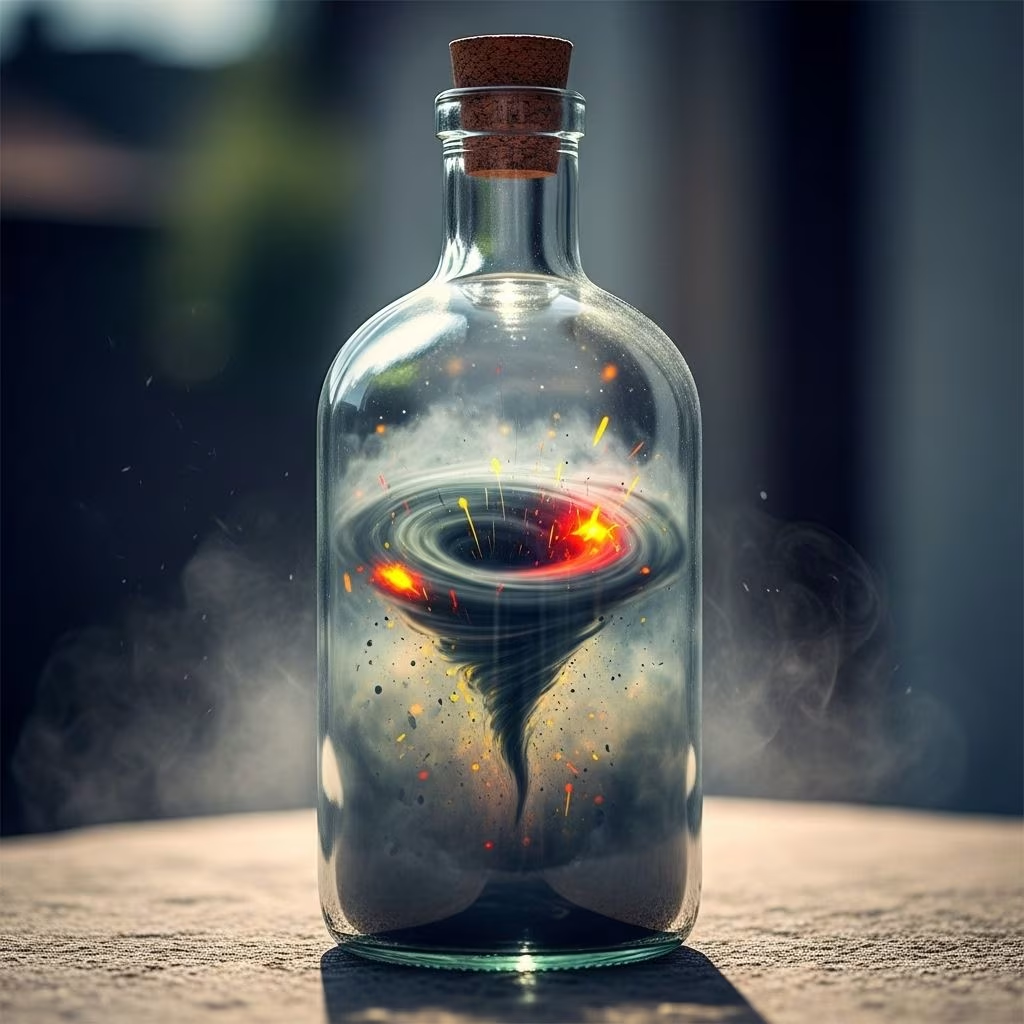
The Dangers of Bottling Up Emotions
Bottling up emotions—also known as emotional suppression—refers to the conscious or unconscious decision to hold back feelings rather than expressing them. For some, this is a method to avoid discomfort, vulnerability, or conflict, while for others, it may result from learned behaviors or societal expectations. However, research and clinical experience have repeatedly shown that suppressing emotions can have severe consequences for our mental, physical, and social well-being.
What Does “Bottling Up Emotions” Mean?
When someone bottles up emotions, they prevent themselves from showing, talking about, or acting upon their true feelings, whether positive or negative. This does not make the emotions disappear—they are simply buried, often only to resurface later in unhealthy ways. Bottling up emotions has been likened to keeping the lid on a boiling pot: pressure builds until it eventually spills over, often with damaging results.
Why Do People Bottle Up Emotions?
- Fear of vulnerability: Many individuals suppress emotions out of fear that showing true feelings will expose them to judgment, criticism, or hurt.
- Learned behavior: Childhood experiences, such as being discouraged from expressing emotion, can create patterns that persist into adulthood.
- Desire to avoid conflict: Some bottle up emotions to prevent arguments or uncomfortable exchanges.
- Perceived weakness: Cultural or social norms can contribute to the idea that showing emotion, especially negative ones, is a sign of weakness.
- Lack of support: In environments where emotional expression is not welcomed, people may feel safer keeping feelings to themselves.
While these motivations may offer a temporary feeling of safety or control, the long-term costs can outweigh the short-term relief.
The Effects of Bottling Up Emotions
The dangers of emotional suppression extend across psychological, physical, and social domains. Below, we break down the most common risks and consequences:
1. Mental Health Problems
- Anxiety and depression: Repressed emotions do not vanish. Instead, they often cause chronic worry, persistent sadness, and can exacerbate mood disorders.
Example: Suppressed concerns about work or relationships may manifest as constant tension, irritability, or hopelessness. - Increased aggression: Studies have shown that people who suppress negative feelings can become more irritable and aggressive over time.
Example: In research, participants who were required to suppress reactions to disturbing media were more likely to act out with aggression afterwards. - Difficulty forming relationships: Bottling up emotions limits openness, trust, and intimacy. Individuals may feel isolated or disconnected from others.
- Low self-esteem and guilt: Suppressing emotions, particularly in response to trauma or ongoing stress, can lead to feelings of guilt, shame, and reduced self-worth.
- Suicidal thoughts: Adolescents and adults who frequently suppress feelings are at increased risk for experiencing suicidal ideation or attempts, particularly in challenging life events.
2. Physical Health Risks
- Chronic stress: Suppressing feelings activates the body’s stress response, increasing cortisol and other stress hormones.
Result: Elevated stress hormones are linked to weakened immune function and greater susceptibility to illness. - Headaches and migraines: Emotional overload can manifest as recurrent tension headaches or migraines, impacting productivity and well-being.
- Disordered eating: Some people cope by overeating when stressed, while others lose appetite. Both extremes undermine physical health.
Eating your emotions can lead to weight gain, nutritional deficiencies, or eating disorders. - Cardiovascular risks: Research indicates that those with high emotional suppression scores are at significantly greater risk of death from cardiovascular diseases and cancers compared to those who express their emotions more freely. One study found a 70% higher risk of cancer/cardiovascular mortality over 12 years for high suppressors.
3. Social and Relationship Consequences
- Lower social support: Suppression predicts lower closeness to others and less satisfying relationships. Openness fosters intimacy, while emotional suppression leads to detachment.
- Isolation and loneliness: Those who routinely hide their feelings can feel alienated, misunderstood, and struggle to build trust.
Example: Chronic emotional suppression may cause someone to feel disconnected even in close relationships. - Poor communication skills: Struggling to articulate one’s emotions often leads to misunderstandings and conflict in relationships.
- Overreacting: Bottled-up feelings increase sensitivity. Individuals may misinterpret innocent comments as attacks, escalating minor disagreements into major outbursts.
Signs and Symptoms of Bottling Up Emotions
- Habitually saying “I’m fine” regardless of actual feelings
- Frequent headaches, stomach upsets, or unexplained physical ailments
- Feeling emotionally numb or disconnected
- Overreacting to minor setbacks
- Sudden, explosive emotional outbursts
- Trouble articulating or understanding own emotions
- Turning to unhealthy coping mechanisms, such as substance use
Long-Term Consequences of Emotional Suppression
While bottling up feelings may seem helpful for brief periods, the cumulative effects over months and years can be devastating. The physical toll includes increased risks for hypertension, chronic fatigue, weakened immunity, and higher rates of cardiovascular diseases. Psychological effects range from an increased onset and severity of depression to greater susceptibility to anxiety disorders, sleep disturbances, and in extreme cases, dissociative states or suicidal ideation.
Human beings possess an innate negativity bias—a tendency to pay more attention to negative experiences or threats, which evolved as a survival mechanism. Ignoring negative feelings disrupts the healthy balance required for mental wellness, making it harder to cope, adapt, and flourish.
Common Reasons People Suppress Emotions
| Reason | Potential Outcome |
|---|---|
| Fear of judgment | More anxious, less connected to others |
| Lack of emotional safety | Difficulty trusting and expressing needs |
| Social/cultural expectations | Perceived weakness; emotional isolation |
| Desire to avoid conflict | Pent-up resentment, sudden outbursts |
| Learned behavior/childhood modeling | Long-term suppression; chronic stress |
Unhealthy Coping Mechanisms Stemming from Suppression
- Substance abuse (alcohol, drugs)
- Self-harm
- Disordered eating (overeating or loss of appetite)
- Social withdrawal and isolation
- Explosive anger or aggression
- Risk-taking behaviors
These behaviors may offer temporary relief but ultimately deepen the underlying struggles, impairing both emotional and physical health.
Is Toxic Positivity Related?
Toxic positivity is another form of emotional suppression. This occurs when individuals pressure themselves to always “look on the bright side,” avoiding the acknowledgment or discussion of negative feelings. While optimism is healthy, denying problems or distress promotes emotional invalidation and perpetuates harmful suppression.
Healthy Alternatives: How to Process Emotions Effectively
While expressing every thought or feeling isn’t always appropriate, finding balance to prevent chronic suppression is crucial for well-being. Here are healthier strategies:
- Identify and acknowledge feelings: Regular self-reflection helps clarify what you feel and why. Journaling can be helpful.
- Healthy expression: Talk honestly with trusted friends or family members about your emotional experiences.
- Professional support: Therapy or counseling provides a safe space to explore difficult feelings and find effective coping mechanisms.
- Creative outlets: Art, music, and physical activity can help release pent-up emotions.
- Mindfulness and relaxation: Techniques such as meditation and breathing exercises promote self-awareness and emotional regulation.
- Set boundaries: Saying no and voicing needs reduces resentment and facilitates healthier communication.
- Allow time for vulnerability: Remember that it takes courage to be authentic. Practice showing vulnerability in safe situations.
Frequently Asked Questions (FAQs)
Q: How can I tell if I’m bottling up my emotions?
A: Common signs include feeling disconnected, frequent headaches, unexplained anxiety, difficulty expressing feelings, and habitual responses like “I’m fine” regardless of actual feelings.
Q: Can bottling up emotions cause physical sickness?
A: Yes. Chronic suppression activates stress hormones, weakens immunity, and elevates risk for heart disease, cancer, headaches, and eating problems.
Q: Does emotional suppression affect relationships?
A: Absolutely. Suppressing emotions prevents intimacy, erodes trust, can cause isolation, and makes communication difficult. Over time, relationships become less satisfying and more prone to conflict.
Q: Are some emotions better left unexpressed?
A: While not every emotion needs immediate or public expression, it’s important to process and acknowledge all feelings internally. Suppressing emotions long-term is harmful; healthy management is key.
Q: What should I do if I’m struggling to express my feelings?
A: Start by identifying your emotions through self-reflection or journaling. Seek out trusted support, consider therapy, and develop emotional vocabulary to articulate experiences. Mindfulness and relaxation techniques can also help.
Quick Facts Table: Emotional Suppression & Health
| Aspect | Impact |
|---|---|
| Mental Health | Higher rates of anxiety, depression, suicidal thoughts |
| Physical Health | Increased stress, weakened immunity, headaches, heart disease risk |
| Social Health | Decreased intimacy, trust, relationship satisfaction; increased isolation |
| Behavioral Effects | Substance abuse, eating changes, aggression, emotional numbness |
Conclusion
Bottling up emotions may feel safe in the short term, but it comes with considerable risks for mind, body, and relationships. By understanding the dangers of suppression and learning alternative ways to process and express our feelings, individuals can build resilience, improve well-being, and foster healthier connections with others.
Resources & Support
- Talk to a mental health professional if you’re persistently struggling with emotional expression.
- Practice mindfulness, journaling, and healthy communication.
- Consider joining support groups to share experiences and learn coping strategies.
References
- https://kentuckycounselingcenter.com/how-bottling-up-your-emotions-is-bad-for-you/
- https://www.amenclinics.com/blog/the-hidden-dangers-of-bottling-up-emotions/
- https://opthofpsychotherapy.com/the-dangers-of-bottling-up-our-emotions/
- https://caldaclinic.com/dangers-of-suppressing-emotions/
- https://www.psychologytoday.com/us/blog/the-truth-about-exercise-addiction/202212/suppressing-emotions-can-harm-you-heres-what-to-do


