


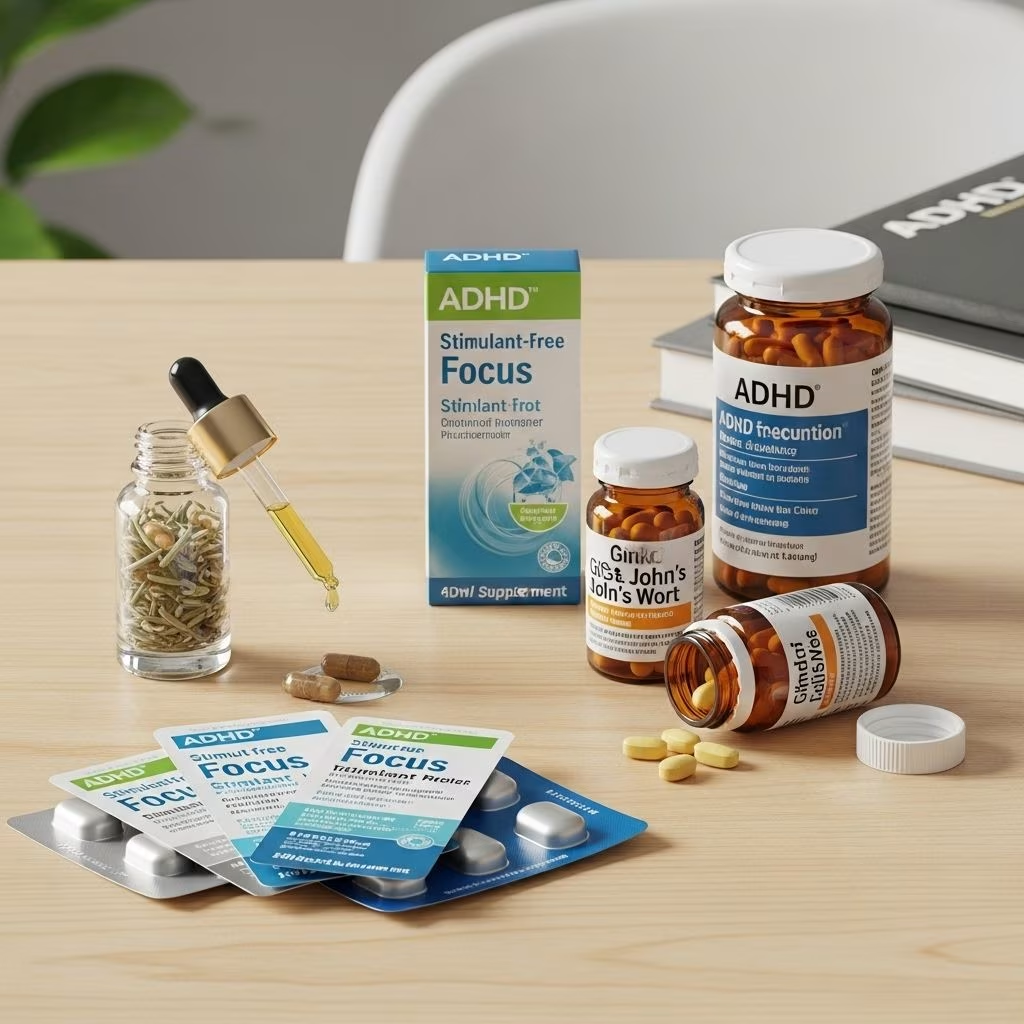
Over-the-Counter ADHD Medication and Non-Prescription Remedies: A Comprehensive Guide
Attention-deficit/hyperactivity disorder (ADHD) affects millions worldwide and is traditionally managed through prescription medications—predominantly stimulants. However, many individuals and families seek over-the-counter (OTC) and non-prescription remedies for a variety of reasons, including concerns about side effects, cost, accessibility, or personal preference. This comprehensive guide explores available OTC options, natural remedies, their efficacy and safety, and compares them to FDA-approved medications for ADHD.
Prescription Medications vs. OTC ADHD Remedies
FDA-approved prescription medications for ADHD, such as amphetamine salts (Adderall), methylphenidate (Ritalin), and non-stimulants like atomoxetine (Strattera), have been extensively researched and proven effective for many individuals. These medications primarily work by increasing levels of key neurotransmitters in the brain, resulting in improved attention, focus, and impulse control.
- Stimulants: Most commonly prescribed; fast-acting; high efficacy.
- Non-stimulants: Lower abuse potential; generally fewer side effects but sometimes less effective.
In contrast, OTC medications and non-prescription remedies typically lack extensive clinical evidence and are not regulated or approved by the FDA for treatment of ADHD. These approaches include supplements, dietary changes, exercise, behavioral interventions, and other lifestyle modifications.
Why Seek OTC or Non-Prescription Alternatives?
Individuals may consider OTC or natural remedies for ADHD due to:
- Concerns over prescription medication side effects such as appetite suppression, sleep problems, mood changes, or potential substance abuse.
- Desire for holistic or ‘natural’ treatment approaches.
- Accessibility issues: Difficulty obtaining prescription medications due to shortages, cost, or healthcare barriers.
- Managing mild symptoms or complementing other treatment strategies.
Common Over-the-Counter and Non-Prescription ADHD Remedies
It is important to note that no OTC medication is currently FDA-approved to treat ADHD symptoms. However, many supplements and interventions are marketed or considered for symptom relief. Below are some of the most common approaches:
1. Supplements and Vitamins
A number of supplements are believed to support brain health and cognitive function. Clinical evidence is limited for most, and quality control varies widely.
- Omega-3 fatty acids: Found in fish oil, may modestly improve attention and overall cognitive function in some children with ADHD.
- Zinc and Iron: Deficiencies have been linked to ADHD symptoms. Supplementation may be beneficial only when a deficiency is confirmed by a healthcare provider.
- Magnesium: Sometimes recommended for calming the nervous system; clinical benefits are unclear.
- Vitamin B6: Has a role in neurotransmitter production; evidence for direct benefit in ADHD is limited.
- N-acetylcysteine (NAC): An antioxidant suggested to improve behavioral symptoms; research is preliminary.
2. Herbal and Alternative Remedies
- Ginkgo biloba: Proposed to enhance cognitive function, but supporting data for ADHD is very limited.
- St. John’s Wort: Sometimes used for mood, with no substantial evidence for ADHD symptom control.
- Passionflower and Valerian: May offer calming effects but lack robust efficacy data for ADHD.
3. Other Non-Prescription Interventions
- Lithium orotate: Available OTC and sometimes suggested for mood stabilization, but safety data are lacking and use should only occur under medical supervision.
- Dietary changes: Elimination diets (removing artificial colors, flavors, preservatives) have shown benefit in a minority of children, especially those with sensitivities.
- Exercise: Regular physical activity can help with attention, impulsivity, and mood regulation.
- Behavioral therapy: Evidence-based, and often used in conjunction with other treatments. Includes cognitive behavioral therapy (CBT), organizational coaching, and parent training.
Non-Stimulant Prescription Alternatives to Stimulants
These medications require a prescription but are sometimes sought when stimulants are ineffective, not tolerated, or pose specific risks (e.g., for individuals with anxiety or substance abuse concerns):
- Atomoxetine (Strattera): A selective norepinephrine reuptake inhibitor; shown to be less likely than stimulants to provoke anxiety, lower risk for abuse, but less potent than stimulants. May take weeks for benefits to appear. Possible side effects include nausea, tiredness, mild appetite suppression, rare jaundice, and in very rare cases, suicidal thoughts among teens.
- Alpha-agonists: Guanfacine XR (Intuniv) and Clonidine XR (Kapvay). Originally for hypertension, now FDA-approved for ADHD treatment, especially in people with tics, sleep difficulties, or aggression. Fewer appetite consequences but can cause sleepiness, dizziness, irritability, and low blood pressure.
- Bupropion (Wellbutrin): An antidepressant effective for ADHD, especially when comorbid depression or anxiety are present. Side effects may include anxiety, insomnia, and increased seizure risk.
- Tricyclic antidepressants: Older medications; less commonly used due to side effects such as dry mouth, constipation, and heart rhythm changes.
- Monoamine oxidase inhibitors (MAOIs): Rarely used due to risk of dangerous drug and food interactions.
Safety and Effectiveness of Non-Prescription Remedies
Research on non-prescription interventions for ADHD is comparatively limited. Many natural products and supplements lack rigorous testing, and their effectiveness tends to be modest at best. Some risks associated with unregulated supplements include inconsistent dosing, contamination, and interactions with prescription medications.
- Consult a healthcare provider before starting any supplement or OTC product, especially for children or those on other medications.
- Beware of internet claims: Many marketed products lack evidence and are not supported by controlled studies.
- Behavioral and lifestyle strategies (diet, exercise, sleep hygiene) are safe adjuncts but not a substitute for medical evaluation in moderate or severe cases.
Comparing Stimulant and Non-Stimulant ADHD Medications
| Medication Type | Effectiveness | Onset | Common Side Effects | Abuse Potential |
|---|---|---|---|---|
| Stimulants (Adderall, Ritalin) | High (up to ~70-80%) | Quick (within hours) | Appetite suppression, insomnia, irritable mood | High |
| Atomoxetine (Strattera) | Moderate (~50-60%) | Slow (weeks) | Nausea, fatigue, rare liver issues | Low |
| Guanfacine/Clonidine XR | Moderate (~50-60%) | Slow (weeks) | Sleepiness, low blood pressure | Low |
| Bupropion, Antidepressants | Variable & lower | Varies | Anxiety, insomnia, dry mouth | Low |
| OTC/Natural Remedies | Limited/Unproven | Varies | Potential for GI upset, allergies, variable | Low/Unknown |
What to Consider Before Trying OTC or Non-Prescription Approaches
- Consult with a healthcare professional. Many ADHD-like symptoms can stem from other conditions.
- Confirm ADHD diagnosis. Treatments should be tailored to individual needs, and accurate diagnosis is essential.
- Discuss risks and benefits. Many non-prescription options are safe as supplements to medical care, but not as primary management for moderate or severe ADHD.
- Monitor for side effects and interactions. Even natural products can interact with prescription drugs, cause allergic reactions, or impact other medical conditions.
Frequently Asked Questions (FAQ)
Can I treat ADHD with over-the-counter medication?
There is no FDA-approved OTC medication for ADHD. Supplements and natural products may have mild benefits for some individuals, but should not replace medical evaluation and evidence-based treatment in moderate or severe cases.
Are non-prescription remedies effective for ADHD?
Most have limited supporting evidence. There is some benefit for certain supplements (like omega-3s, zinc), but few natural remedies provide meaningful symptom improvement for most people.
Can dietary changes help with ADHD?
For some, eliminating artificial colors, flavors, and preservatives can modestly improve symptoms, especially if underlying sensitivities are present. Benefits are not universal, and maintaining a balanced diet is crucial.
Are non-stimulant prescription medications safer than stimulants?
Non-stimulants, such as atomoxetine or guanfacine, are less likely to provoke side effects like insomnia or appetite suppression, and have lower abuse potential. However, they may be less effective for symptom management in some individuals.
What should I watch for when taking supplements for ADHD?
Always check for quality assurance, appropriate dosing, and potential interactions with other medications. Discuss with a healthcare provider before use, especially with children or people on other drugs.
How do behavioral interventions fit into ADHD management?
Behavioral therapy and organizational coaching are important, especially for children and families. They are most effective when combined with medication or other medical interventions, but can also provide benefits for mild symptoms or those unable to tolerate medications.
Key Takeaways for Managing ADHD Without Prescription Medication
- No OTC medication is FDA-approved for treatment of ADHD.
- Supplements and natural remedies may offer limited benefit and should be used with medical guidance.
- Non-stimulant prescription medications may be options for individuals who cannot tolerate stimulants.
- Diet, exercise, and sleep hygiene are essential for overall health and may modestly support symptom management.
- Professional diagnosis and ongoing support are essential for ADHD, regardless of the treatment choice.
Additional Resources
- American Academy of Pediatrics: Guidelines for diagnosis and treatment of ADHD.
- National Institutes of Health (NIH): Reports on alternative ADHD therapies.
- ADDitude Magazine: Recent reviews of ADHD supplements and coping strategies.
Important Notes
While non-prescription and natural remedies are widely marketed for ADHD symptom relief, their efficacy is modest and their safety must be evaluated case by case. Prescription medications, particularly stimulants, remain the most reliable and tested treatment. If symptoms are significant, speak with your healthcare provider to determine the best and safest strategy tailored to your needs.
References
- https://www.talkspace.com/blog/alternatives-to-adderall/
- https://www.healthychildren.org/English/health-issues/conditions/adhd/Pages/Non-Stimulant-Medications-Available-for-ADHD-Treatment.aspx
- https://www.webmd.com/add-adhd/adhd-nonstimulant-drugs-therapy
- https://my.clevelandclinic.org/health/treatments/11766-adhd-medication
- https://caringforkids.cps.ca/handouts/behavior-and-development/non-prescription-interventions-for-attention-deficit-hyperactivity-disorder
- https://www.psychologytoday.com/us/blog/open-gently/201710/four-non-prescription-remedies-adhd
- https://www.additudemag.com/vitamins-minerals-adhd-treatment-plan/
- https://www.adhdadult.uk/wp-content/uploads/2023/06/Medication.pdf
- https://www.goodrx.com/conditions/adhd/the-best-adhd-medication-treatment-guide-for-adults-and-children


