


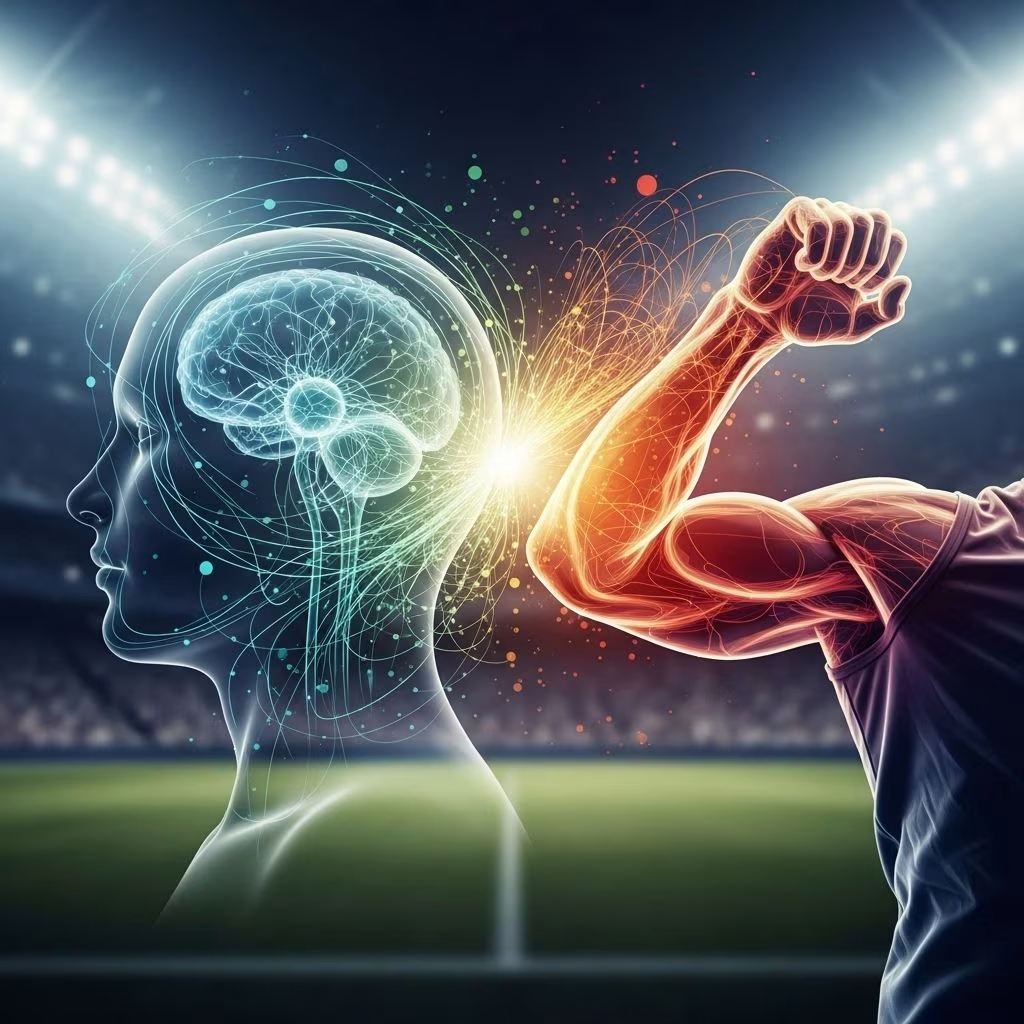
What Is Sports Psychology?
Sports psychology is a dynamic field dedicated to studying how psychological factors impact athletic performance, physical activity, and overall well-being. Sports psychologists investigate the thoughts, emotions, and behaviors that drive motivation, performance, recovery, and enjoyment in sports for both athletes and non-athletes.
Core Concept
Sports psychology bridges psychology and kinesiology by exploring how mental processes interact with the physical demands of sport. Practitioners help athletes and everyday exercisers apply strategies like visualization, mindfulness, and goal setting to optimize outcomes, manage stress, and foster healthy habits.
- Enhancing performance through psychological skills and mental training
- Promoting mental well-being by addressing stress, anxiety, and confidence
- Understanding motivation in sport and exercise
- Facilitating team dynamics and social affiliation
History and Development of Sports Psychology
Sports psychology is a relatively young discipline, gaining momentum in the 1960s and expanding rapidly into the 1980s. Initial research focused on basic psychological processes affecting performance, but the field has since evolved to encompass mental health, motivation, injury recovery, and group dynamics in sports settings.
| Era | Focus |
|---|---|
| 1960s | Emergence as an area blending psychology and sports science |
| 1980s | Research into mental training’s impact on performance |
| Current | Broad scope: mental health, motivation, rehabilitation, team-building |
Main Areas of Study in Sports Psychology
Key Focus Areas
- Mental Skills Training: Developing cognitive and emotional methods for optimal performance (e.g., visualization, self-talk)
- Motivation: Exploring what drives individuals to participate and succeed in sport, including intrinsic versus extrinsic motivation
- Performance Anxiety & Stress Management: Teaching athletes to control nervousness and stress before or during competition
- Team Dynamics: Examining social processes, leadership, communication, and cohesion within sports teams
- Injury and Rehabilitation: Supporting psychological resilience and recovery after injuries
- Coping with Transitions: Managing shifts such as career changes, retirement, or moving between levels of play
How Does Sports Psychology Work?
Sports psychologists use a range of evidence-based methods drawn from multiple subfields of psychology, including cognition, emotion, motivation, and social learning. The central goal is to help individuals achieve optimal mental health, improve athletic outcomes, and cultivate positive experiences in sport, exercise, or fitness activities.
- Cognitive-behavioral techniques – including goal-setting, relaxation, and focus
- Motivational interviewing – building lasting commitment and self-motivation
- Mindfulness training – fostering a present-focused attitude
- Support for injury, rehabilitation, and career transitions
- Enhancement of team communication and leadership skills
Major Psychological Factors Influencing Athletes
Several key psychological factors play a prominent role in athletic experiences:
- Confidence: A belief in one’s ability, crucial for peak performance
- Focus/Concentration: The ability to stay mentally present and block distractions
- Emotional Regulation: Controlling pre-competition anxiety and managing emotions during pressure situations
- Motivation: Both the desire to improve and the drive to achieve specific goals
- Resilience: Bouncing back from errors or setbacks
Techniques and Strategies Used in Sports Psychology
- Visualization: Imagining successful performance to build mental preparation and confidence
- Goal Setting: Creating clear, challenging, and attainable objectives
- Relaxation Techniques: Employing methods such as deep breathing, progressive muscle relaxation, or meditation
- Self-Talk: Using positive affirmations to enhance motivation and counter negative thoughts
- Mindfulness: Practicing present-moment awareness for improved focus and emotional control
Functions and Benefits of Sports Psychology
Sports psychology is valuable for not only professional athletes but also for:
- Recreational Athletes
- Coaches
- Fitness enthusiasts
- Non-athletes engaging in exercise
Benefits:
- Improved mental resilience and stress management
- Enhanced motivation and sustained participation
- Better focus and emotional regulation under pressure
- Greater team cohesion and communication
- More effective recovery from injuries and setbacks
Who Practices Sports Psychology?
Sports psychologists have specialized training in both psychology and sports sciences. They may work with:
- Athletes at all levels (professional, collegiate, youth, recreational)
- Coaches and sports staff
- Parents of athletes
- Organizations and teams
Some professionals focus on performance enhancement, while others may help athletes navigate mental health challenges, injury recovery, or educational transitions.
Applications of Sports Psychology
- Performance Enhancement: Helping athletes unlock their full potential through mental skills training and psychological support
- Well-Being Promotion: Supporting overall psychological health for athletes and non-athletes
- Team Building: Facilitating group cohesion, effective leadership, and productive communication within teams
- Injury Rehabilitation: Supporting the psychological aspects of physical recovery
- Life Transitions: Assisting athletes with retirement or adaptation to major changes
Examples of Real-World Situations:
- Professional athlete struggling with pressure before major competition
- Collegiate player recovering from injury using visualization and resilience training
- Youth team improving communication and group morale with guided activities
- Retired athlete adapting to a new career path with counseling support
Common Issues Addressed in Sports Psychology
- Performance Slumps: Sudden decrease in achievement; handled with targeted mental exercises
- Anxiety and Stress: Pre-game nerves and ongoing mental fatigue
- Loss of Motivation: Overtraining, burnout, or plateauing in progress
- Interpersonal Challenges: Adapting to team changes or leadership shifts
- Negative Self-Image: Athletes struggling with confidence and self-worth
- Coping with Injury: Mental recovery and return to play after setbacks
Key Theories in Sports Psychology
| Theory | Main Idea |
|---|---|
| Cognitive-Behavioral Theory | Emphasizes modifying thoughts and behaviors to impact emotions and performance |
| Motivation Theory | Explores intrinsic vs. extrinsic motivators, supporting sustained effort in sports |
| Social Identity Theory | Investigates how affiliation with teams impacts well-being and self-esteem |
| Self-Determination Theory | Focuses on the importance of autonomy, competence, and relatedness in motivation |
How to Become a Sports Psychologist
- Education: Graduate-level training in psychology, sport science, or a related field
- Certification: Completion of certification programs or specialized workshops
- Experience: Hands-on work with athletes, teams, and sports organizations
- Continuing Education: Ongoing learning about emerging theories and techniques
Many sports psychologists also contribute to research, education, or work within allied health teams such as athletic trainers, physiotherapists, and coaches.
Frequently Asked Questions (FAQs)
What techniques do sports psychologists use?
Common techniques include visualization, mindfulness training, goal setting, positive self-talk, relaxation strategies, and cognitive restructuring. These approaches help athletes build confidence, manage anxiety, sustain motivation, and improve performance.
Who can benefit from sports psychology?
Sports psychology benefits not only elite and professional athletes but also recreational participants, fitness enthusiasts, coaches, and anyone seeking to use physical activity to boost well-being and mental health.
Is sports psychology only for athletes?
No, sports psychology also helps exercisers, coaches, parents, and sports organizations to create healthier, more enjoyable, and effective environments.
How is sports psychology different from other branches of psychology?
Sports psychology uniquely combines knowledge of mental processes with the physical and social demands of sports and exercise, focusing on performance enhancement, motivation, team dynamics, and well-being.
Does sports psychology address mental health issues?
Yes, sports psychologists help athletes and non-athletes manage stress, anxiety, depression, and burnout, providing mental health support in the context of sport.
Summary of Sports Psychology’s Impact
- Enhances athletic performance through evidence-based mental training
- Improves psychological well-being and stress management
- Boosts motivation and self-confidence
- Promotes teamwork, positive group identification, and effective communication
- Aids injury recovery and adaptation to life changes
References
- https://www.ebsco.com/research-starters/psychology/sports-psychology
- https://www.psych.on.ca/Public/Blog/2023/what-is-sports-psychology
- https://en.wikipedia.org/wiki/Sport_psychology
- https://www.apadivisions.org/division-47/about/resources/what-is
- https://www.simplypsychology.org/sports-psychology.html
- https://pubmed.ncbi.nlm.nih.gov/38709945/
- https://www.faulkner.edu/news/what-does-a-sports-psychologist-do-understanding-this-exciting-career-field/


