


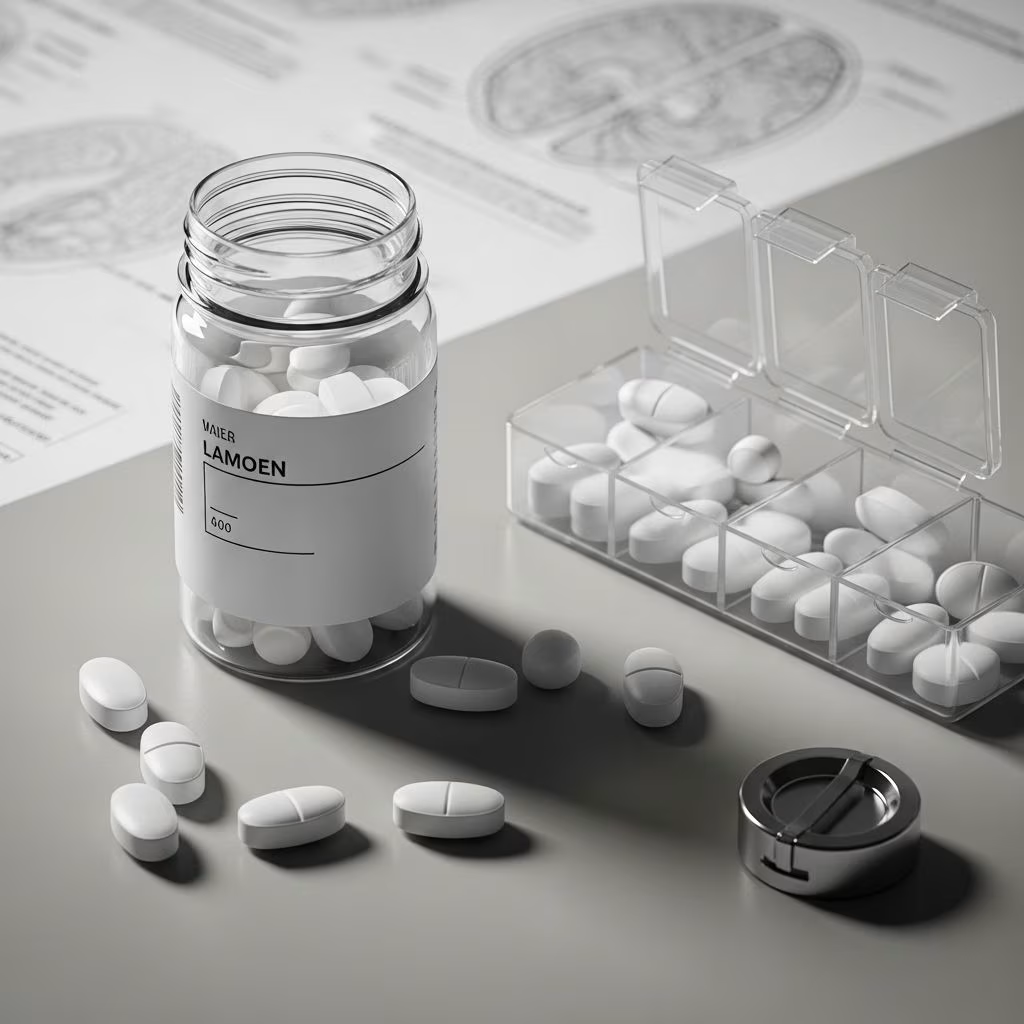
Generic Adderall, a combination of amphetamine and dextroamphetamine, is a widely prescribed central nervous system stimulant primarily used to treat attention deficit hyperactivity disorder (ADHD) and narcolepsy. Understanding how to use this medication properly, including dosage guidelines, possible side effects, risks, and necessary precautions, is crucial for both patients and healthcare providers.
What Is Generic Adderall?
Generic Adderall refers to medications containing the same active ingredients as the brand-name Adderall: amphetamine and dextroamphetamine. These are stimulant drugs that enhance activity in certain areas of the brain, resulting in improved focus, attention, and impulse control. The generic versions are available in both immediate-release (IR) and extended-release (XR) formulations, thus allowing healthcare providers to tailor treatment according to an individual’s needs.
- Type: CNS stimulant (amphetamine and dextroamphetamine)
- Main Uses: ADHD and narcolepsy treatment
- Forms: Immediate-release and extended-release capsules/tablets
Approved Uses of Generic Adderall
Generic Adderall is mainly prescribed for:
- Attention Deficit Hyperactivity Disorder (ADHD): Improves attention span, focus, and impulse control in both children and adults.
- Narcolepsy: Helps manage excessive daytime sleepiness and sudden sleep attacks associated with this condition.
Its use is strictly regulated due to its stimulant properties and potential for misuse or dependence.
How Does Generic Adderall Work?
Generic Adderall works by increasing levels of norepinephrine and dopamine in the brain. These neurotransmitters play critical roles in regulating attention, alertness, and executive functions. The result is typically an improvement in ADHD symptoms and a reduction in excessive daytime sleepiness in narcolepsy.
Dosage Guidelines
Proper dosing of generic Adderall depends on the individual’s age, diagnosis, and response to treatment. It is available in several strengths and formulations, with dosing often starting low and being gradually increased under medical supervision.
| Indication | Starting Dose | Usual Dosage Range | Frequency |
|---|---|---|---|
| ADHD (Children 6+ years) | 5 mg once or twice daily | 5–40 mg per day | Divided doses, morning and noon |
| ADHD (Adults) | 5–10 mg once or twice daily | 5–40 mg per day | Divided doses, morning and noon |
| Narcolepsy | 5–10 mg daily | 5–60 mg per day | Divided doses, as directed |
| Adderall XR | 10 mg once daily (children & adults) | 10–40 mg per day | Once daily (morning) |
Note: Dosages should always be adjusted and supervised by a healthcare provider, as misuse or self-adjustment can increase risks of side effects and dependence.
How to Take Generic Adderall
- Take the medication exactly as prescribed, usually in the morning and early afternoon to minimize insomnia.
- Adderall XR should be taken once daily, preferably in the morning.
- Swallow capsules or tablets whole; do not crush or chew extended-release forms.
- Follow all instructions regarding food intake, as some formulations can be taken with or without food.
- Never increase dosage or frequency without medical advice.
Potential Side Effects of Generic Adderall
Like all medications, generic Adderall may cause side effects. These can vary according to dosage, individual, and whether the medication is used as prescribed or misused.
Common Side Effects
- Loss of appetite
- Dry mouth
- Insomnia/trouble sleeping
- Headache
- Stomach pain
- Nausea or vomiting
- Constipation or diarrhea
- Weight loss
- Increased heart rate
- Nervousness, anxiety, or agitation
- Dizziness
- Blurred vision
Serious Side Effects
- High blood pressure and rapid heartbeat
- Heart attack or stroke (rare)
- Chest pain
- Hallucinations or delusions
- Mania or psychosis
- Seizures
- Severe allergic reaction (e.g., swelling, rash, difficulty breathing)
- Muscle breakdown (rare, known as rhabdomyolysis)
- Depression during withdrawal
- Growth suppression in some children
If you experience serious symptoms, seek immediate medical help. Always inform your healthcare provider about any side effects, especially if they are severe or persistent.
Long-Term Effects and Risks
Long-term use of generic Adderall, when taken at prescribed doses, is generally considered safe, though some side effects may persist for certain individuals. However, high doses or misuse increases risk for both physical and psychological dependence as well as adverse health consequences. Possible risks include:
- Decreased dopamine levels, potentially affecting mood and motivation
- Chronic insomnia, fatigue, and moodiness
- Weight loss and malnutrition
- Cardiovascular issues (e.g., hypertension, damage to heart tissue)
- Dependence and withdrawal symptoms upon discontinuation
Who Should Not Take Generic Adderall?
Generic Adderall may not be suitable for everyone. It is contraindicated or must be used with caution under certain conditions:
- History of heart problems (such as heart disease, high blood pressure, arrhythmias)
- Glaucoma (can increase intraocular pressure)
- Severe anxiety, agitation, bipolar disorder, or previous psychosis
- History of substance misuse or dependency
- Certain thyroid disorders
- Currently using or recently used monoamine oxidase inhibitors (MAOIs)
Consult your healthcare provider with a complete medical history before starting generic Adderall.
Drug Interactions
Drug interactions can alter the effectiveness or increase risk of side effects. Medications and substances that may interact with generic Adderall include:
- Monoamine oxidase inhibitors (MAOIs): Taken within 14 days can cause dangerous reactions.
- Other stimulants: Combined use may heighten stimulant effects and side effects.
- Certain antidepressants, antipsychotics, blood pressure medications, and antacids.
- Alcohol or recreational drugs increase the risk for adverse and unpredictable effects.
Warnings and Precautions
- Do not share your medication; Adderall is classified as a Schedule II controlled substance with high potential for misuse.
- Monitor children’s growth during prolonged use.
- Use caution with activities requiring alertness due to possible dizziness or blurred vision.
- Follow your doctor’s instructions regarding dose, timing, and monitoring.
Generic vs. Brand-Name Adderall
| Feature | Generic Adderall | Brand-Name Adderall |
|---|---|---|
| Active Ingredients | Same (amphetamine/dextroamphetamine) | Same (amphetamine/dextroamphetamine) |
| Price | Usually lower | Higher |
| Availability | Varies by manufacturer | Consistent |
| Formulations | Immediate and Extended Release | Immediate and Extended Release |
| Efficacy | Equivalent | Equivalent |
Summary Table: Common and Serious Side Effects
| Common Side Effects | Serious Side Effects |
|---|---|
| Loss of appetite | Heart attack or stroke |
| Insomnia | Hallucinations/psychosis |
| Stomach pain | Seizures |
| Weight loss | Severe allergic reaction |
| Anxiety | Muscle breakdown (rhabdomyolysis) |
Safe Use and Important Precautions
To reduce the risk of side effects and maximize benefit:
- Follow all dosing and timing guidelines exactly as prescribed.
- Inform your healthcare provider about any heart problems, psychiatric symptoms, or other major medical concerns.
- Inform doctors of all medicines (including over-the-counter drugs and supplements) you take.
- Read all medication guides and ask about possible interactions or warnings.
Never take more than the prescribed amount, do not stop abruptly without consulting your healthcare provider, and never share the medication with others.
Frequently Asked Questions (FAQs)
Is generic Adderall as effective as the brand-name version?
Yes. Generic Adderall is equivalent in efficacy, safety, and active ingredients to the brand-name medication when made by reputable manufacturers and approved by regulatory agencies.
Can Adderall be misused, and what are the risks?
Yes, misuse—including taking higher doses than prescribed or using without a prescription—can cause serious health problems such as heart complications, psychosis, or addiction. It is illegal and dangerous to use Adderall recreationally or for performance enhancement.
How long does it take for Adderall to work?
Immediate-release forms typically begin to work within 30 to 60 minutes. Extended-release versions may take slightly longer but last throughout the day.
Can children safely take generic Adderall?
Adderall is approved for use in children over age 6 for ADHD. However, doses must be carefully adjusted, and growth should be monitored regularly due to possible growth suppression.
What happens if I miss a dose?
If you miss a dose, take it as soon as you remember, unless it is late in the day, as this can cause insomnia. Do not double doses to make up for a missed one. Consult your healthcare provider for specific instructions.
Can I suddenly stop taking Adderall?
No. Sudden discontinuation, especially after long-term use, can cause withdrawal symptoms such as depression, fatigue, and sleep changes. Your doctor will provide a taper schedule if discontinuation is necessary.
Is Adderall safe during pregnancy or breastfeeding?
Adderall is generally not recommended during pregnancy or breastfeeding due to risks to the fetus or infant. Always discuss all risks and alternatives with your healthcare provider before use in these circumstances.
Conclusion
Generic Adderall is a clinically valuable medication for ADHD and narcolepsy when used responsibly under medical supervision. Understanding its uses, correct dosages, side effects, precautions, and the dangers of misuse is crucial. Engage in open communication with your healthcare provider to ensure safe and effective treatment.
References
- https://www.medicalnewstoday.com/articles/drugs-adderall
- https://www.additudemag.com/medication/adderall-xr/
- https://americanaddictioncenters.org/stimulants/amphetamine/adderall/side-effects
- https://www.healthline.com/health/drugs/adderall
- https://www.webmd.com/drugs/2/drug-63163/adderall-oral/details
- https://www.mayoclinic.org/drugs-supplements/dextroamphetamine-and-amphetamine-oral-route/description/drg-20071758
- https://medlineplus.gov/druginfo/meds/a601234.html
- https://www.accessdata.fda.gov/drugsatfda_docs/label/2007/021303s015lbl.pdf


