
 Living Well
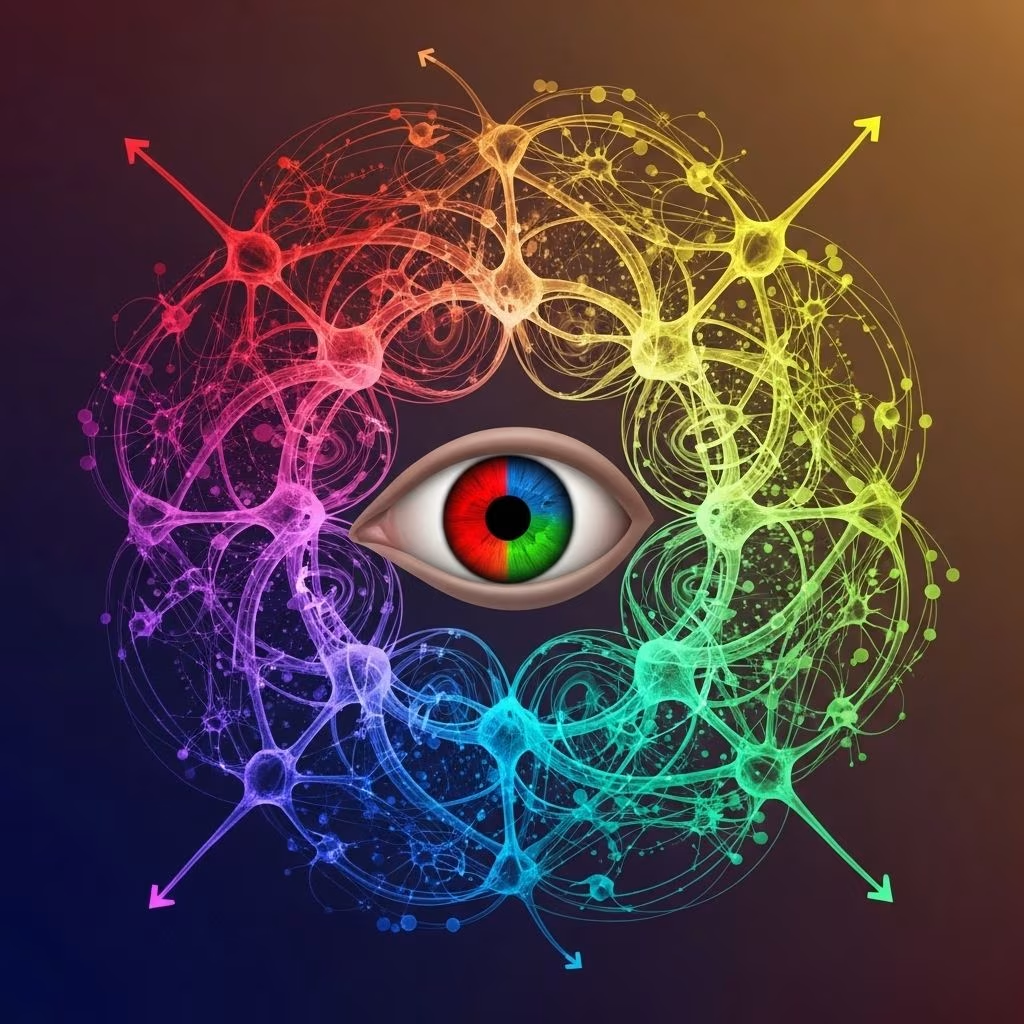
 Opponent Process Theory of Color Vision Explained
The opponent process theory explains color vision through opposing channels: red-green, blue-yellow, and black-white. It helps account for…
 Living Well
 The opponent process theory explains color vision through opposing channels: red-green, blue-yellow, and black-white. It helps account for…
 Living Well
 Idealization and devaluation are common relationship patterns in borderline personality disorder, often driven by splitting and fear of…
 Living Well
 Flow is a psychological state of deep absorption where focus, enjoyment, and challenge align. Often called “being in…
 Living Well
 The unconscious mind includes thoughts, memories, and impulses outside conscious awareness that still influence behavior, emotions, and decisions.…
 Living Well
 Double texting means sending a follow-up message before receiving a reply, and it can be helpful or harmful…
 Living Well
 Music preferences can reflect key personality traits, from openness and extraversion to conscientiousness and agreeableness. Research also shows…
 Living Well
 Attention-seeking behavior can stem from low self-esteem, trauma, loneliness, or unmet emotional needs. This guide explains common signs,…
 Living Well
 Gender roles have changed dramatically, reshaping how couples communicate, share responsibilities, and handle conflict. This article explores the…
 Living Well
 Self-hatred can shape how you think, feel, and relate to others, but it is not your identity. This…
 Living Well
 Anterograde amnesia is a memory disorder that prevents the brain from forming new long-term memories after an injury…