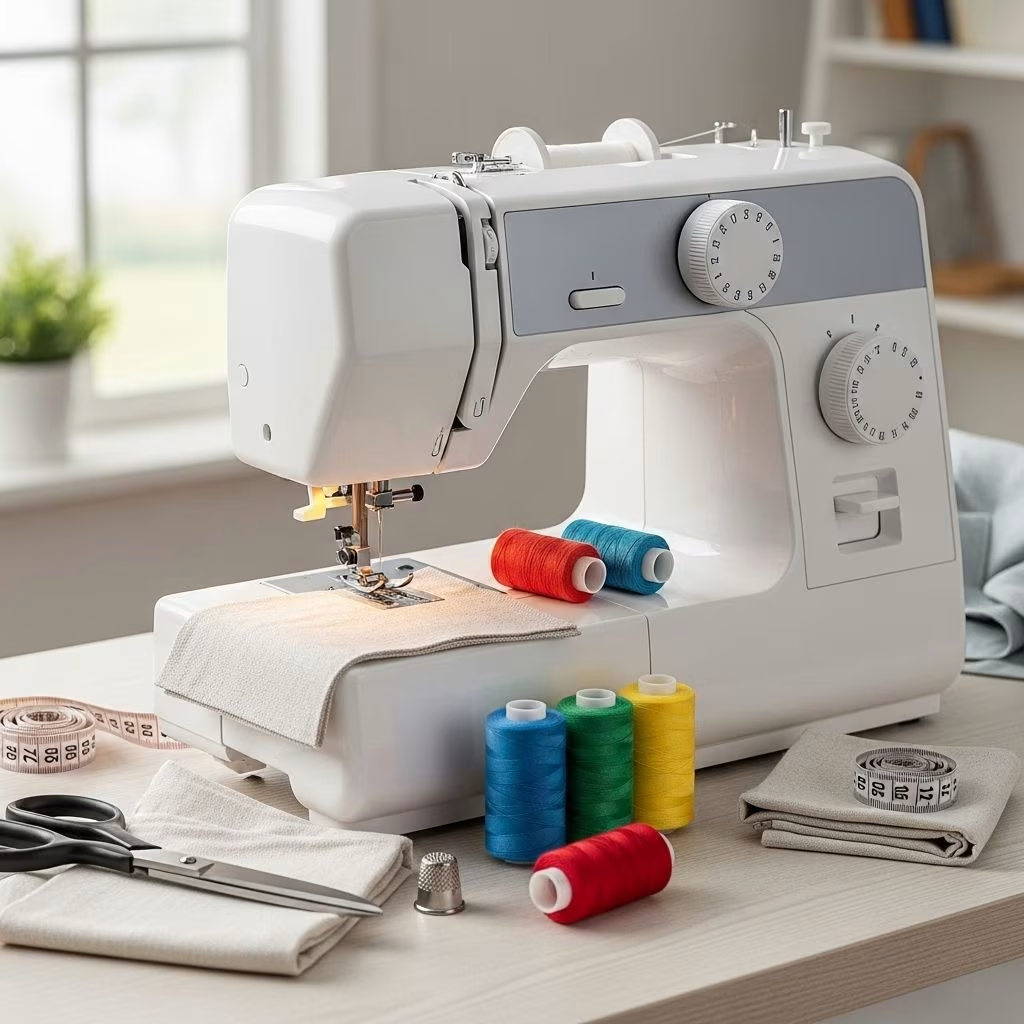
Learning to sew is an exciting and rewarding endeavor. Whether you’re hoping to hem jeans, make your own clothing, or simply explore a new creative hobby, choosing the right sewing machine as a beginner is crucial. The variety of features, functions, and price points can be overwhelming, but don’t worry—this comprehensive guide covers the best sewing machines for beginners, what to look for, and how to get started with confidence.
Why Trust This Guide?
Our recommendations come from hands-on experience and extensive research, reflecting insights from seasoned sewists and credible expert resources. Whether you want a machine for fashion projects, home décor, or exploring new crafts, you’ll find options for all budgets and needs below.
Top 10 Sewing Machines for Beginners
We’ve gathered the most reliable and user-friendly machines for beginners, each with standout features. These options are praised for value, ease of use, and versatility, ensuring you’ll start your sewing journey on the right foot.
- Brother CS7000X Sewing and Quilting Machine
- SINGER Simple 3337 Sewing Machine
- Janome 2222 Sewing Machine
- Brother XR3774 Full-Featured Sewing and Quilting Machine
- Janome HD3000 Heavy Duty Sewing Machine
- Brother CS5055 Computerized Sewing Machine
- Brother SE700 Sewing & Embroidery Machine
- SINGER Heavy Duty 4423 Sewing Machine
- SINGER M1500 Sewing Machine
- Brother CS6000i Computerized Sewing Machine
How to Choose the Right Beginner Sewing Machine
Selecting your first sewing machine may seem daunting, but by focusing on a few key points, you can narrow down the perfect model for your needs.
- Simplicity: Beginners should look for machines with clear controls and an intuitive setup, avoiding overwhelming options and functions.
- Essential Features: Automatic needle threader, easy bobbin winding, adjustable stitch length, and a free arm for tubular projects like sleeves or pant legs.
- Affordability: Quality beginner models are available in the $150-$350 range; spending more often means extra features you may not need right away.
- Portability: If you plan to move your machine, consider a lightweight design.
- Expandability: Machines that accommodate extra presser feet and accessories allow skills to grow with your experience.
Features Every Beginner Sewing Machine Should Have
- Easy stitch selection (either dial or button-based)
- Automatic needle threader
- Built-in stitches: A selection of utility and decorative options
- Drop-in bobbin system
- Free arm for cuffs, sleeves, and small items
- Adjustable stitch length and width
- Reverse lever for locking stitches at the beginning and end
- Bonus: Automatic buttonhole function, speed control, and included accessory feet
Best Beginner Sewing Machines: Detailed Reviews
1. Brother CS7000X Sewing and Quilting Machine
This is one of the highest-rated options for beginners, balancing versatility and ease of use. The 70 built-in stitches, automatic needle threader, and adjustable speed control make it ideal for both basic garment making and quilting.
- Pros: LCD screen, start/stop button for foot-free operation, wide table for quilts
- Cons: Slightly higher price point, but worth the investment as your skills grow
2. SINGER Simple 3337 Sewing Machine
Lightweight, budget-friendly, and reliable, the SINGER Simple 3337 is perfect for absolute beginners. It boasts 29 stitches, an automatic needle threader, and a one-step buttonhole function.
- Pros: Compact, simple controls, free arm for small projects
- Cons: Not suited for heavy fabrics
3. Janome 2222 Sewing Machine
An excellent mechanical machine for starters, the Janome 2222 is easy to maintain and straightforward to use. With 22 built-in stitches and a sturdy metal frame, it’s crafted for durability and everyday tasks.
- Pros: Mechanical simplicity, free arm, smooth operation
- Cons: Fewer decorative stitches, no speed control
4. Brother XR3774 Full-Featured Sewing and Quilting Machine
This model is celebrated for its 37 built-in stitches, eight presser feet, and extra-wide table—an ideal choice for those interested in quilting alongside garment making.
- Pros: Great for quilting, includes walking foot and quilting feet, easy navigation
- Cons: Can feel bulky for very small workspaces
5. Janome HD3000 Heavy Duty Sewing Machine
Perfect for sewing thicker fabrics and even basic bag making, the Janome HD3000 combines reliability and a tough build. It comes with 18 stitches and easy-to-use mechanical controls.
- Pros: Heavy-duty power, simple setup, wide range of fabrics
- Cons: Heavier and pricier than some alternatives
6. Brother CS5055 Computerized Sewing Machine
Packed with 60 built-in stitches and a bright LED work area, the CS5055 is user-friendly and highly praised for its clear instructional guides and automatic functions.
- Pros: Computerized stitch selection, adjustable speed, excellent instruction manuals
- Cons: Limited quilting space
7. Brother SE700 Sewing & Embroidery Machine
For beginners hoping to try both sewing and entry-level machine embroidery, the SE700 is the way to go. The color touchscreen and easy embroidery function set it apart.
- Pros: 4-inch embroidery hoop, 103 built-in stitches, ten buttonhole styles
- Cons: Pricier for full features, mostly suited for those interested in embroidery projects
8. SINGER Heavy Duty 4423 Sewing Machine
This robust model tackles thick fabrics and multiple layers with ease, making it ideal for craft enthusiasts aiming to work with denim, canvas, and more.
- Pros: High-speed stitching, strong motor, simple controls
- Cons: Fewer decorative stitch options
9. SINGER M1500 Sewing Machine
A very accessible, basic model for absolute beginners or occasional repair work. It offers essential stitches, compact size, and a wallet-friendly price tag.
- Pros: Lightweight, affordable, quick to thread
- Cons: Limited functionality, not suitable for advanced sewing
10. Brother CS6000i Computerized Sewing Machine
This predecessor to the CS7000X remains a solid choice with 60 built-in stitches, automatic needle threader, and included accessories like a hard case and extension table.
- Pros: Value-packed, flexible functions, easy to grow with
- Cons: Discontinued in some regions, but still widely available
Comparison Table: Top Picks for Different Needs
| Model | Best For | Key Features | Price Range |
|---|---|---|---|
| Brother CS7000X | Overall Beginners | 70 stitches, LCD, Start/Stop | $$ |
| SINGER Simple 3337 | Absolute Beginners | 29 stitches, Auto-threader | $ |
| Janome HD3000 | Heavy Duty/Thick Fabrics | 18 stitches, Metal frame | $$$ |
| Brother XR3774 | Quilting | 37 stitches, Wide table | $$ |
| Brother SE700 | Sewing+Embroidery | 103 stitches, 4″ hoop | $$$ |
Expert Tips for Buying Your First Sewing Machine
- Prioritize quality and comfort over features: A smooth, jam-free experience will keep you enthusiastic and learning.
- Try before you buy, if possible: Many sewing shops offer demo models. Getting a feel for threading, tension, and controls is invaluable.
- Read reviews and ask for recommendations: Online reviews and sewing communities are great resources to spot consistent praises or concerns.
- Start with simple projects: Tote bags, pillowcases, and basic hems are ideal to practice with any beginner machine.
- Budget for accessories: Additional presser feet, needles, and bobbins are must-have extras for getting the most from your machine.
Frequently Asked Questions (FAQs)
How much should I spend on my first sewing machine?
Most beginners will find an excellent new machine between $150–$350. Very budget options exist under $100, but machines in that price bracket may frustrate with limited features or durability.
What features are absolute must-haves for a beginner sewing machine?
Focus on easy threading, an automatic needle threader, adjustable stitch length, and a free arm. Built-in stitches, one-step buttonhole, and speed control are welcome but not essential for very basic projects.
Are computerized sewing machines better for beginners?
Computerized options offer convenience and a broader stitch selection, with intuitive controls. Mechanical machines are easier to maintain and less prone to technical issues, preferred by some absolute beginners and those who value simplicity.
Can an entry-level machine handle thick fabrics like denim or leather?
Only some beginner machines (such as the Janome HD3000 or SINGER Heavy Duty 4423) are up to the task. Always use the right needle and go slow on thick seams.
How do I maintain my sewing machine?
Regular cleaning (removing lint, oiling as per instructions, and changing needles) ensures smooth operation. Schedule annual professional cleanings for optimal longevity.
What accessories should I buy with my first sewing machine?
- Extra universal and specialty needles
- Bobbins (specific to your machine model)
- Seam ripper and fabric scissors
- Presser feet for zippers, buttonholes, and more
- Hard or soft machine cover for dust protection
Getting Started: Tips for Beginner Sewists
Your first sewing projects should build confidence, teach core skills, and keep things fun. Always read your machine’s manual and watch setup videos if possible. Start simple, and embrace mistakes as part of the learning process!
- Practice threading the machine and winding the bobbin multiple times until it’s second nature
- Sew straight lines on scrap fabric to develop steady speed and tension control
- Experiment with different stitches, adjusting the length and width to understand their effects
- Begin with fabric scraps before moving on to garments or home décor items
Resources for Beginners
Consider joining local or online sewing communities for support. Many brands also offer free tutorials and simple project guides tailored specifically for beginners. YouTube is full of visual walkthroughs for every mainstream machine model.
- Official brand websites (Brother, SINGER, Janome) feature downloadable manuals and troubleshooting guides
- Independent sewing blogs and forums can offer real-world advice and project inspiration
- YouTube channels like “SewCanShe” and tech reviewers for visual learners
Final Thoughts
A beginner sewing machine should empower you to try new creative projects, learn new skills, and enjoy the process—not overwhelm you with complicated features or inadequate performance. Each model listed here has earned its reputation as a user-friendly favorite among sewists just starting out. Prioritize your must-have features, stay within your budget, and get ready to explore a world of creative possibilities!
References
- https://www.applegreencottage.com/best-sewing-machine-for-beginners/
- https://www.singer.com/collections/beginner-sewing-machines
- https://sewcanshe.com/7-best-sewing-machines-for-a-beginner/
- https://www.youtube.com/watch?v=Ur9dXdKL5mA
- https://www.techgearlab.com/topics/electronics/best-sewing-machine