How to Get Rid of Milia: Your Dermatologist-Backed Guide
Milia are small, hard, white bumps that often appear on the face, especially around the eyes. Unlike pimples, milia are not filled with pus and cannot be popped at home without risking skin damage. If you’ve noticed stubborn white bumps that won’t budge, it’s important to understand what causes milia, how they can be safely removed, and crucial strategies for prevention based on dermatologist recommendations.
What Are Milia and Why Do They Appear?
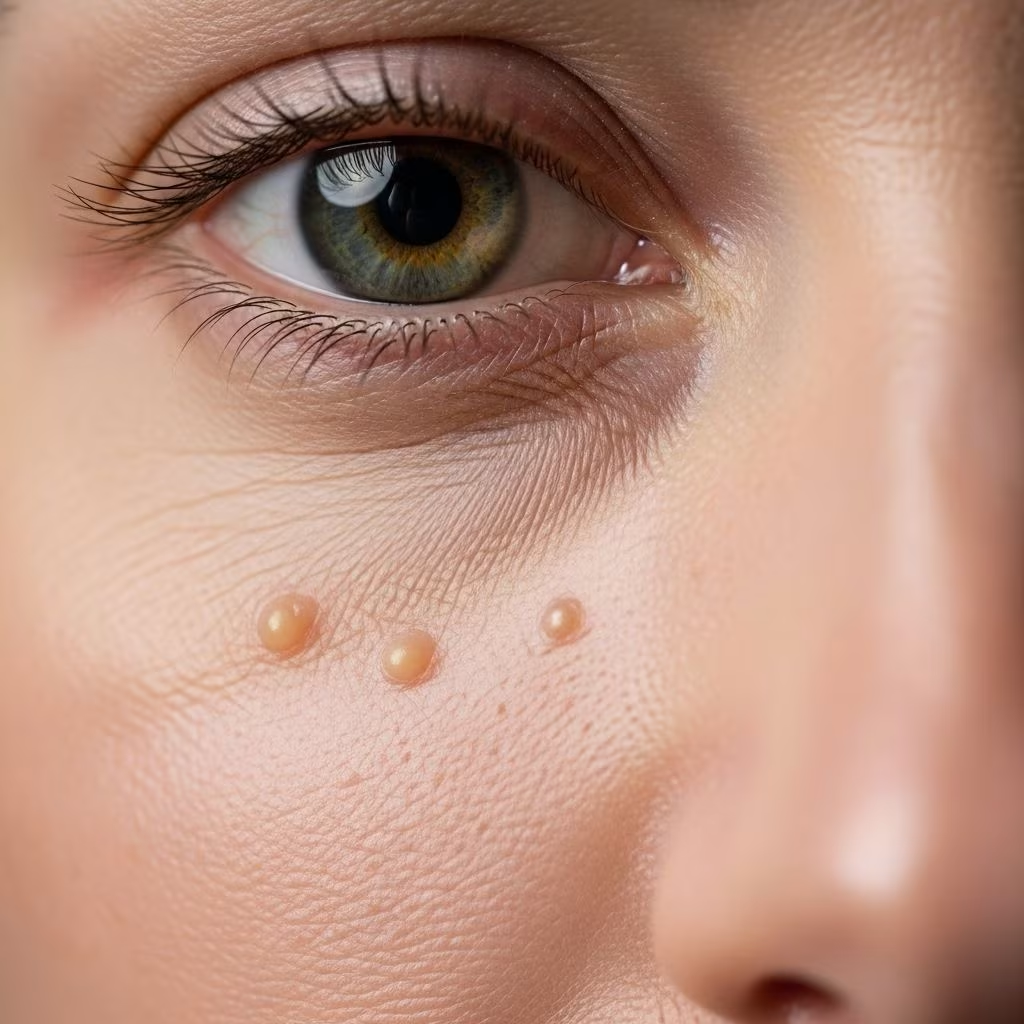
Milia are tiny, benign cysts formed when dead skin cells (keratin) get trapped just beneath the surface of the skin. These bumps often resemble white sesame seeds and most commonly develop on the face, particularly around the eyes, cheeks, and nose. Anyone can get milia, from infants to adults, and while they’re medically harmless, many people seek removal for cosmetic reasons.
- Appearance: Small (1–2 mm), hard, white or yellowish bumps; often found around eyes and cheeks.
- Causes: Trapped keratin beneath the skin, skin trauma (like after laser treatments), sun damage, heavy skin care products, or genetic factors.
- Types: Primary (spontaneous) or Secondary (after injury or skin trauma).
Are Milia Harmful? Do They Require Treatment?
Milia are harmless and solely an aesthetic concern. They do not cause pain, itching, or health problems. However, those wishing to remove milia for cosmetic reasons can pursue a variety of safe and effective treatment options.
Will Milia Go Away on Their Own?
Yes, milia can resolve by themselves, but this process may be slow and can take anywhere from six weeks to over three months. However, persistent milia may require active intervention or a dermatologist’s extraction to remove them faster and safer.
How to Remove Milia Safely: Professional and At-Home Methods
Can You Pop or Remove Milia at Home?
No. Milia are encased by a tough shell that makes them resistant to ‘popping’ or squeezing. Dermatologists strongly advise against attempting at-home extraction, as this can:
- Cause skin injury and bleeding
- Lead to scarring or post-inflammatory hyperpigmentation
- Increase risk of infection
If milia bumps are bothersome, booking an appointment with a board-certified dermatologist is the safest way to remove them.
Professional Milia Removal: How Dermatologists Do It
- Sterile Extraction: The dermatologist cleans the area, punctures the milia with a sterile needle, and uses a comedone extractor to gently remove the contents.
- Electrodesiccation: For small lesions, a fine electric current may be used to dry out the bump.
- Dermatologist Advice: Professional extraction minimizes the risk of complications, and the dermatologist can properly diagnose the type and reason for recurring milia.
At-Home Preventive Care and Gentle Improvement Strategies
While physical extraction is best left to professionals, certain home care routines may help prevent or gradually improve existing milia:
- Gentle Exfoliation: Use mild chemical exfoliants (alpha hydroxy acids like glycolic or lactic acid, and beta hydroxy acids like salicylic acid). This helps remove dead skin cells and may prevent new milia from forming.
- Warm Compresses: Applying a warm, wet compress to the skin two or three times per week supports the skin’s natural shedding process.
- Topical Retinoids: Incorporate gentle, over-the-counter retinol or prescription retinoids as advised by your dermatologist. These speed up cell turnover and prevent blocked pores.
- Moisturizing Wisely: Avoid heavy or comedogenic (pore-clogging) moisturizers if you are prone to milia. Choose lightweight, non-comedogenic formulas.
- Gentle Cleansing: Wash your skin regularly and gently, especially in delicate areas like around the eyes.
- Honey Masks: Manuka honey’s natural anti-inflammatory and antibacterial properties may soothe red or inflamed milia and support healing.
| Method | Purpose | Recommended By |
|---|---|---|
| Sterile Extraction (Dermatologist) | Fastest, safest removal of stubborn milia | Dermatologists |
| Chemical Exfoliation (AHAs/BHAs) | Prevention, gradual improvement of mild milia | Dermatologists |
| Warm Compress | Works with exfoliation for mild cases | Dermatologists |
| Topical Retinoids | Encourages cell turnover, helps prevent buildup | Dermatologists |
| Honey Mask/Rose Water | Soothing, anti-inflammatory to calm irritation | Dermatologists, anecdotal evidence |
Key Causes of Milia Formation
Milia can be triggered or exacerbated by several factors. Understanding these can help you minimize your risk:
- Heavy Skincare Products: Thick creams or oils may contribute to pore blockage.
- Skin Trauma: Physical abrasion, sunburn, or post-procedure healing (e.g., after lasers or peels).
- Sun Damage: Chronic exposure can result in yellow-toned milia.
- Genetic Factors: Some people are more predisposed to developing milia.
How to Prevent Milia: Expert Skincare Tips
Consistent, gentle skincare practices can reduce your risk of developing milia and support healthy, smooth skin:
- Use lightweight, non-comedogenic moisturizers and sunscreens.
- Keep your skin clean with twice-daily washing, especially after sweating or makeup use.
- Exfoliate weekly with gentle AHAs or BHAs suited to your skin’s sensitivity.
- Soften and carefully remove eye makeup, since aggressive rubbing can create trauma.
- Wear sunscreen daily to protect against sun damage, a known milia risk.
- Avoid picking, squeezing, or scraping bumps—this worsens irritation and increases risk of scarring.
| Do | Don’t |
|---|---|
| Use mild chemical exfoliants regularly | Over-exfoliate or scrub harshly |
| Choose lightweight skincare products | Apply heavy oils or thick creams frequently |
| Follow dermatologist advice for persistent bumps | Attempt to squeeze or lance at home |
| Protect skin from sun exposure | Ignore new bumps or ongoing irritation |
Expert Advice and Recommendations
Meet the Experts:
- Dr. Naana Boakye, MD: Board-certified dermatologist and author.
- Dr. Rina Allawh, MD: Board-certified dermatologist in Pennsylvania.
- Dr. Lily Talakoub, MD: Founder of Derm to Door.
- Dr. Marnie Nussbaum, MD: Clinical instructor, Weill Cornell Medical College.
The consensus among dermatologists is clear: leave milia extraction to the pros, stick with gentle skincare routines, and be patient with your skin. Proper diagnosis and tailored treatment are key if you experience repetitive or particularly stubborn milia.
Frequently Asked Questions (FAQs) About Milia
Q: Can milia be popped like pimples?
A: No. Milia have a tough shell and cannot be popped. Squeezing can injure the skin and lead to scarring or infection.
Q: How quickly do milia go away?
A: Most milia resolve naturally in 6–8 weeks, though some can persist for three months or longer. Extraction by a dermatologist is the quickest route.
Q: What ingredients help prevent milia?
A: Gentle exfoliating products with glycolic acid, lactic acid, salicylic acid, or topical retinoids promote cell turnover and help prevent milia formation.
Q: Is milia contagious?
A: No, milia are non-infectious cysts and cannot spread between individuals.
Q: Does diet affect milia?
A: No direct dietary link is established, but a balanced diet and overall healthy skin habits may reduce risk for blocked pores or skin issues.
Q: Are babies more likely to get milia?
A: Yes, newborns often experience milia, but bumps usually resolve within weeks without intervention. In adults, milia often persists longer and may require targeted care.
Summary Table: Milia Treatments and Prevention
| Method | Effective For | Risks/Notes |
|---|---|---|
| Sterile Dermatologist Extraction | Immediate removal | Low risk; should only be done professionally |
| Chemical Exfoliation (AHAs/BHAs) | Gradual reduction, prevention | May cause irritation; avoid overuse |
| Retinoids | Prevention, mild improvement | Skin sensitivity; always wear sunscreen |
| Warm Compress/Steam | Helps loosen keratin | Combine with exfoliation; not a cure-all |
| Manuka Honey, Rose Water | Calming, anti-inflammatory | Supports healing; not a primary treatment |
| Home Extraction | Not recommended | High risk of damage, scarring, infection |
Key Takeaways for Healthier, Milia-Free Skin
- Be gentle: Avoid aggressive scrubbing, squeezing, or abrasive treatments.
- Stay consistent: Gentle exfoliation, regular cleansing, and lightweight skincare can keep milia at bay.
- Seek expert help: If milia are persistent or bothersome, rely on board-certified dermatologists for safe removal and expert-guided prevention strategies.
- Protect your skin: Sun protection and non-irritating skincare are crucial to prevent future breakouts.
Need Professional Help?
If home remedies aren’t effective or if you’re dealing with stubborn, recurring milia, consult a dermatologist. Professional extraction is quick, safe, and dramatically reduces the risk of complications so you can return to smooth, clear skin faster.
References
- https://www.ipsy.com/blog/how-to-get-rid-of-milia
- https://www.cosmopolitan.com/style-beauty/beauty/g39708108/how-to-get-rid-of-milia/
- https://www.ascpskincare.com/updates/blog-posts/estheticians-guide-milia
- https://wellconnected.murad.com/how-to-get-rid-of-milia-on-your-face-and-under-eyes/
- https://www.youtube.com/watch?v=iNPcYjIp1F8
- https://www.youtube.com/watch?v=OAqKhGXgm5c