


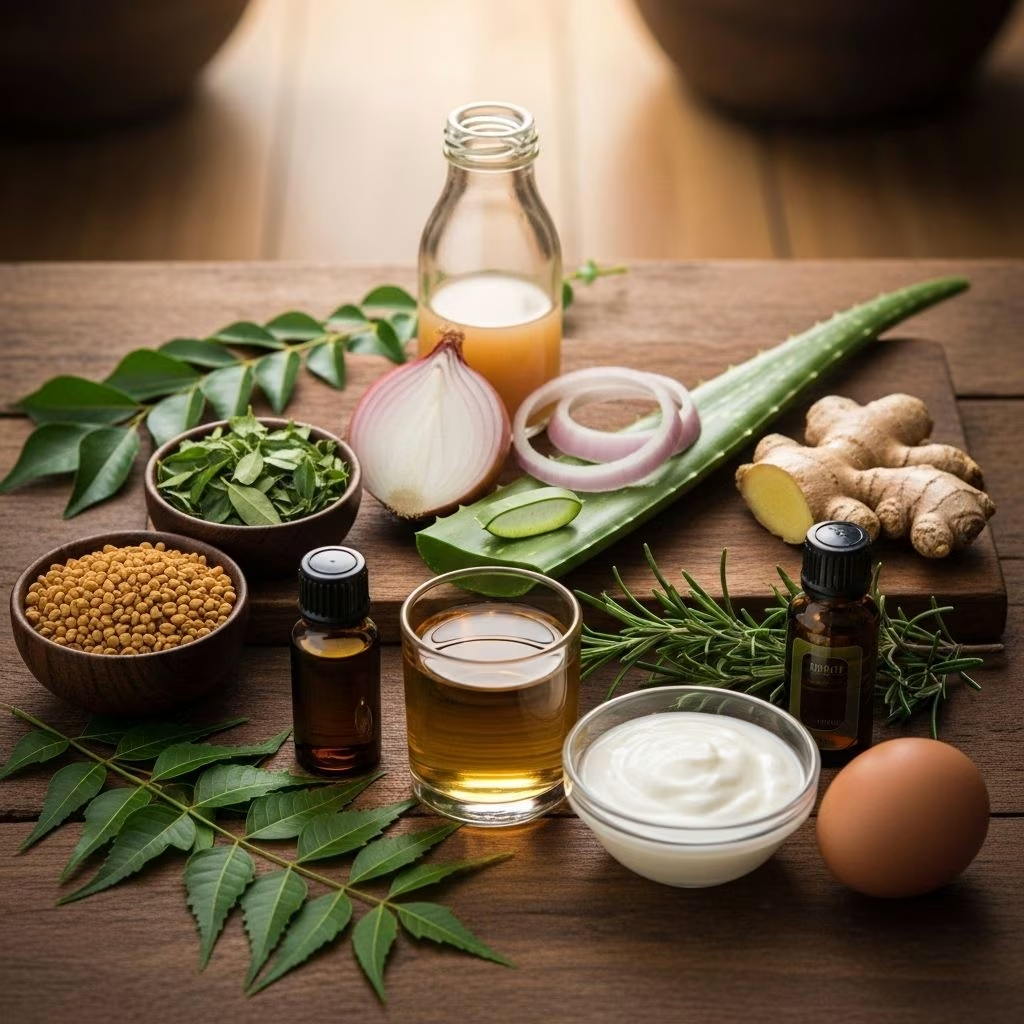
Hair fall is a common concern that affects millions of people worldwide, impacting not just physical appearance but also self-confidence and emotional well-being. While genetics, hormonal imbalances, stress, and nutritional deficiencies can all contribute to hair loss, nature offers powerful solutions that can help restore your hair’s health and vitality. These natural remedies work by nourishing the scalp, strengthening hair follicles, and promoting an optimal environment for hair growth.
Understanding the root causes of hair fall is essential before embarking on any treatment journey. Whether you’re experiencing mild shedding or more significant hair loss, incorporating natural remedies into your hair care routine can provide gentle yet effective results without the harsh side effects often associated with chemical treatments. This comprehensive guide explores ten proven natural remedies that can help you combat hair fall and achieve the luscious locks you’ve always desired.
1. Scalp Massage: Stimulating Growth from the Roots
Scalp massage stands as one of the most accessible and effective natural remedies for hair fall. This simple technique works by stimulating blood circulation to the hair follicles, ensuring they receive adequate oxygen and essential nutrients needed for healthy growth. When performed regularly, scalp massage can significantly improve hair thickness, reduce shedding, and create a healthier scalp environment conducive to hair growth.
The mechanical action of massaging your scalp helps to strengthen the hair roots and can even extend the anagen phase of the hair growth cycle. To perform an effective scalp massage, use your fingertips to apply gentle pressure in circular motions across your entire scalp for at least five to ten minutes daily. You can enhance the benefits by incorporating essential oils like peppermint or rosemary, which provide additional stimulation and nourishment. The best time to perform scalp massage is before washing your hair or during your shower routine, making it easy to integrate into your existing hair care regimen.
2. Aloe Vera: Nature’s Soothing Miracle
Aloe vera has earned its reputation as a powerhouse ingredient in hair care due to its remarkable soothing and hydrating properties. This succulent plant contains proteolytic enzymes that repair dead skin cells on the scalp, promoting a healthy environment for hair growth. Aloe vera effectively balances the scalp’s pH levels, reduces inflammation, and provides deep conditioning that improves hair texture and appearance.
The gel extracted from aloe vera leaves is rich in vitamins, minerals, and amino acids that nourish hair follicles and strengthen hair strands from within. To use aloe vera for hair fall control, extract fresh gel from an aloe leaf and apply it directly to your scalp and hair. Gently massage it in and leave it on for 30 minutes to an hour before rinsing thoroughly with lukewarm water. For optimal results, incorporate this treatment into your routine two to three times weekly. Aloe vera is generally safe for topical application, though it’s advisable to perform a patch test first to ensure you don’t have any allergic reactions.
3. Coconut Oil: Deep Nourishment and Protection
Coconut oil has been treasured for centuries as one of the most effective natural remedies for hair health and growth. Its unique molecular structure allows it to penetrate deep into the hair shaft, providing intensive nourishment and addressing multiple hair concerns simultaneously. Rich in lauric acid and medium-chain fatty acids, coconut oil strengthens hair proteins, reduces protein loss, and protects hair from environmental damage.
Regular application of warm coconut oil can dramatically reduce hair breakage, prevent split ends, and improve overall hair texture. The oil creates a protective barrier around each hair strand, locking in moisture and preventing damage from heat styling and chemical treatments. To maximize benefits, warm the coconut oil slightly and massage it thoroughly into your scalp and through the length of your hair. Leave it on for at least 30 minutes or overnight for deep conditioning, then wash with a gentle shampoo. This treatment works exceptionally well when performed once or twice weekly as part of your comprehensive hair care routine.
4. Onion Juice: Sulfur-Rich Growth Booster
While it might sound unconventional, onion juice has demonstrated promising results in reducing hair fall and promoting new growth. Onions are naturally rich in sulfur, a mineral essential for producing keratin, the protein that forms the structure of hair. This sulfur content helps increase hair density, stimulates follicles, and can even aid in hair regeneration in areas experiencing thinning.
Clinical studies have shown that individuals using onion juice as a treatment experienced increased signs of hair growth compared to control groups. The antibacterial properties of onion juice also help maintain scalp health by combating infections and dandruff. To prepare this remedy, extract juice from fresh onions using a blender or juicer, then apply it directly to your scalp using cotton balls or your fingertips. Massage gently and leave it on for 15 to 30 minutes before washing thoroughly with a mild shampoo. Due to the strong odor, it’s best to apply this treatment before bedtime, ensuring you shower in the morning to remove any lingering smell.
5. Rosemary Oil: Herbal Hair Revitalizer
Rosemary oil has rapidly gained popularity as a natural treatment for hair loss, backed by both traditional use and scientific research. This essential oil possesses powerful antibacterial, antifungal, and anti-inflammatory properties that promote scalp health and stimulate hair growth. Rosemary oil works by improving circulation to the scalp, which enhances nutrient delivery to hair follicles and encourages the growth of stronger, healthier hair.
Research has shown that rosemary oil can be as effective as conventional treatments for certain types of hair loss, including alopecia areata. The oil helps soothe itchy and infected scalps, reducing irritation that can lead to further hair damage through scratching. To use rosemary oil, dilute 4-5 drops in a carrier oil such as coconut, jojoba, or olive oil, then massage the mixture into your scalp. Leave it on for at least 10 minutes before rinsing, or incorporate a few drops into your regular shampoo. Daily application can yield significant improvements in hair thickness and density over time.
6. Olive Oil: Ancient Remedy for Modern Hair
Olive oil has served as a cornerstone of hair care for nearly 3,000 years, dating back to ancient Greek and Roman civilizations. This time-tested remedy remains popular today due to its high content of fatty acids and potent antifungal properties that are vital for maintaining healthy hair. Olive oil excels at treating dry scalp, split ends, and itchiness, all of which can contribute to increased hair fall when left unaddressed.
While olive oil may not regrow hair in areas already experiencing pattern baldness, it performs exceptionally well at maintaining hair density and preserving the health of existing follicles. The oil provides deep conditioning that strengthens hair strands, reduces breakage, and adds natural shine and luster. To treat your hair with olive oil, pour approximately 10ml into a small dish, warm it slightly, then massage it thoroughly into your scalp and hair. Allow the treatment to penetrate for 15 to 20 minutes before washing it out with a gentle shampoo. Regular use of olive oil can transform dry, brittle hair into soft, manageable locks.
7. Amla (Indian Gooseberry): Vitamin C Powerhouse
Amla, also known as Indian gooseberry, stands out as one of the most nutrient-dense natural remedies for hair fall. This small fruit contains exceptionally high levels of vitamin C, antioxidants, and essential fatty acids that work together to strengthen hair follicles, promote growth, and prevent premature graying. Amla nourishes the scalp, improves circulation, and helps maintain the natural color and texture of hair.
The antioxidants in amla protect hair from oxidative stress and free radical damage, which can contribute to hair aging and loss. Amla also helps balance scalp pH levels and reduces inflammation that may impede healthy hair growth. You can use amla in various forms: apply fresh amla juice directly to your scalp, use amla powder mixed with water to create a paste, or incorporate amla-infused hair oils into your routine. For best results, apply amla treatments regularly and follow with a quality conditioner to lock in moisture and nutrients. Consistent use of amla can lead to visibly thicker, stronger, and more vibrant hair.
8. Pumpkin Seed Oil: DHT-Blocking Natural Solution
Pumpkin seed oil has emerged as a particularly promising natural remedy for combating male pattern baldness and hormonal hair loss. Research suggests that this oil may help block the formation of dihydrotestosterone (DHT), the hormone primarily responsible for androgenetic alopecia. By inhibiting DHT, pumpkin seed oil can slow hair loss and potentially reverse some thinning in affected areas.
Beyond its DHT-blocking properties, pumpkin seed oil delivers vital nutrients to the scalp, including zinc, omega-3 fatty acids, and vitamins that stimulate hair follicles and reduce shedding. The oil can be used in two ways: through oral supplementation, which is generally more affordable, or as a topical treatment applied directly to the scalp. For topical application, massage a small amount of pumpkin seed oil into your scalp and leave it on for at least 30 minutes before washing. Oral supplements should be taken according to package directions or healthcare provider recommendations. This dual-action remedy offers hope for those struggling with hormonal hair loss patterns.
9. Green Tea: Antioxidant-Rich Hair Tonic
Green tea contains powerful antioxidants and polyphenols that can stimulate hair follicles, reduce inflammation, and significantly improve overall scalp health. The epigallocatechin gallate (EGCG) found in green tea has been shown to promote hair growth by extending the anagen phase of the hair cycle and reducing follicle damage. Green tea’s anti-inflammatory properties also help soothe scalp conditions that may contribute to hair loss.
Using green tea as a hair treatment can strengthen hair roots, reduce excessive shedding, and add natural shine to your locks. The catechins in green tea work to protect hair follicles from oxidative stress and may even help reactivate dormant follicles. To prepare a green tea hair rinse, brew 2-3 tea bags in hot water, allow the mixture to cool completely, then use it as a final rinse after shampooing your hair. Alternatively, you can massage cooled green tea directly into your scalp and leave it on for 30 minutes before rinsing. Incorporating green tea extracts into your hair care products provides continuous benefits with each use.
10. Ginseng: Herbal Hair Strengthener
Ginseng, a revered medicinal herb used in traditional medicine for centuries, offers significant benefits for hair health and growth. This powerful adaptogen contains active compounds called ginsenosides that promote hair growth, improve hair density, and strengthen hair follicles. Ginseng works by enhancing scalp circulation, increasing the proliferation of dermal papilla cells, and protecting hair follicles from damage.
Research suggests that ginseng can extend the anagen phase of hair growth while delaying the telogen phase, resulting in longer, stronger hair with reduced shedding. Ginseng also helps manage stress-related hair loss by regulating cortisol levels and supporting overall body balance. You can incorporate ginseng into your hair care routine through supplements taken orally or by using hair products containing ginseng extracts. When taking supplements, always follow dosage recommendations and consult with a healthcare provider, especially if you’re taking other medications, as ginseng can interact with certain drugs. Topical ginseng treatments can be applied directly to the scalp for localized benefits.
Creating Your Natural Hair Care Routine
Successfully combating hair fall requires consistency and patience when using natural remedies. While these treatments are generally safe and effective, results don’t appear overnight. Most natural remedies require 4-8 weeks of regular use before visible improvements become apparent. The key to success lies in selecting remedies that align with your specific hair concerns and incorporating them systematically into your routine.
Start by identifying the primary cause of your hair fall, whether it’s nutritional deficiency, hormonal imbalance, stress, or scalp conditions. Then choose 2-3 natural remedies from this list that target your specific concerns. For example, if you have a dry, itchy scalp, combine aloe vera and olive oil treatments. If hormonal hair loss is your concern, focus on pumpkin seed oil and ginseng. Create a weekly schedule that allows adequate time between treatments, ensuring your scalp isn’t overwhelmed with multiple products.
Remember to maintain overall hair health by following good hair care practices: use gentle, sulfate-free shampoos, avoid excessive heat styling, protect your hair from sun damage, and maintain a balanced diet rich in proteins, vitamins, and minerals. Adequate hydration, stress management, and sufficient sleep also play crucial roles in supporting healthy hair growth. If hair loss persists despite consistent use of natural remedies, consult a healthcare professional or dermatologist to rule out underlying medical conditions that may require specialized treatment.
Frequently Asked Questions
Q: How long does it take to see results from natural hair fall remedies?
A: Most natural remedies require consistent use for 4-8 weeks before visible improvements appear. Hair growth cycles are slow, so patience is essential. Some people may notice reduced shedding within 2-3 weeks, while significant growth improvements typically take 2-3 months of regular application.
Q: Can I use multiple natural remedies together?
A: Yes, you can combine natural remedies, but it’s best to start with one or two treatments to assess how your scalp responds. Avoid overwhelming your scalp with too many products simultaneously. You can alternate different treatments on different days or combine complementary remedies like coconut oil with rosemary essential oil.
Q: Are natural remedies safe for all hair types?
A: Most natural remedies are safe for all hair types, but individual sensitivities can vary. Always perform a patch test before applying any new treatment to your scalp. If you have sensitive skin, allergies, or existing scalp conditions, consult a healthcare provider before starting new treatments.
Q: Will natural remedies work for genetic hair loss?
A: Natural remedies can help slow genetic hair loss and improve the health of existing hair, but they may not completely reverse hereditary pattern baldness. Treatments like pumpkin seed oil that block DHT formation may be more effective for genetic hair loss. For advanced cases, medical intervention may be necessary.
Q: How often should I apply these natural remedies?
A: Application frequency varies by remedy. Scalp massage can be done daily, while oil treatments are typically most effective 2-3 times per week. Onion juice can be used 2-3 times weekly, and essential oils like rosemary can be applied daily when properly diluted. Follow specific instructions for each treatment and adjust based on your hair’s response.
References
- https://www.medicalnewstoday.com/articles/how-to-stop-hair-loss
- https://www.harleystreethairtransplant.co.uk/8-natural-remedies-for-hair-loss/
- https://www.youtube.com/watch?v=5GVa1QHyCls
- https://www.healthline.com/health/hair-loss-prevention
- https://draxe.com/beauty/hair-loss-remedies/
- https://www.myfreebird.com/blogs/health/natural-remedies-hair-loss
- https://www.osheaherbals.com/blogs/blog/how-to-stop-hair-fall-immediately-natural-remedies
- https://abcnews.go.com/GMA/Wellness/6-natural-remedies-hair-loss/story?id=104253823
- https://continentalhospitals.com/blog/top-10-natural-remedies-for-hair-loss-you-can-try-at-home/


