


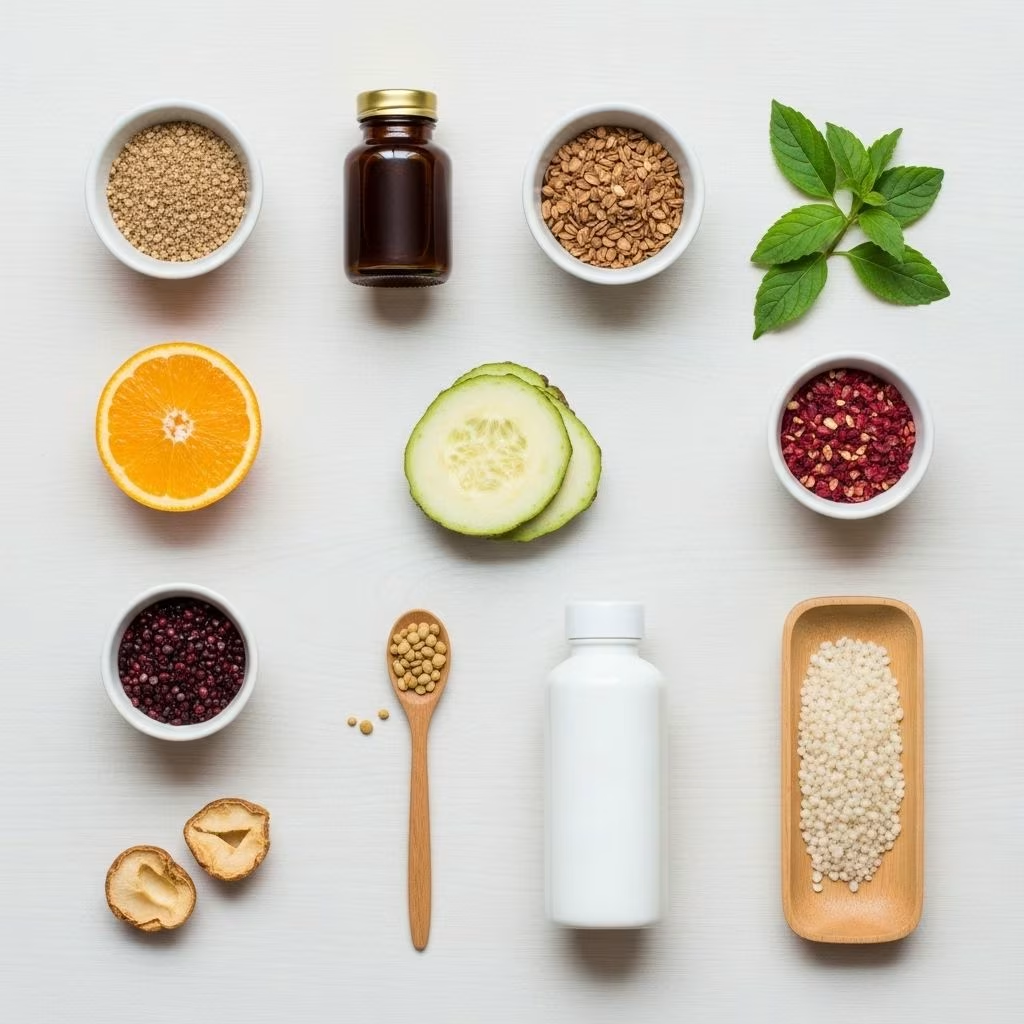
Understanding Staph Infections
Staph infections are caused by Staphylococcus bacteria, which are commonly found on the skin. These infections can range from mild to severe and may require medical attention if symptoms worsen. Some strains, like MRSA, are resistant to antibiotics, making natural remedies an attractive alternative for complementary care.
Symptoms of Staph Infections
Common symptoms include skin rashes, blistering, and redness. In severe cases, symptoms can extend to fever, joint pain, and in rare instances, infections of the internal organs.
Natural Remedies for Staph Infections
- Turmeric: Known for its anti-inflammatory and antibacterial properties, turmeric can be used as a paste or tonic to help combat staph infections. Curcumin, the active compound in turmeric, has been shown effective against MRSA and MSSA.
- Coconut Oil: Offers soothing relief and has antibacterial properties that can help reduce infection and promote healing. It may also serve as an immune modulator.
- Castor Oil: Provides anti-inflammatory and antimicrobial benefits, aiding in the drainage of pus and alleviating pain when applied topically.
- Basil: Known for its immune-boosting properties, basil can be consumed in tea form or applied topically to reduce redness and itching.
- Witch Hazel: Acts as an astringent and antibacterial agent, helping to reduce swelling and prevent further infection.
- Ginger and Manuka Honey: A combination of crushed ginger and manuka honey can inhibit bacterial growth and accelerate healing.
Applying Natural Remedies
When using these remedies, it’s crucial to maintain good hygiene practices, such as regularly washing hands and keeping the affected area clean. Natural remedies can complement medical treatment but should not replace it, especially for severe infections.
Home Care for Staph Infections
Beyond natural remedies, home care involves using warm compresses to alleviate pain and draw out pus. Elevating affected areas can reduce swelling, and loose, breathable clothing can help prevent irritation.
Prevention Strategies
Preventing staph infections involves maintaining good hygiene, avoiding close contact with infected individuals, and ensuring that shared facilities are regularly disinfected.
Frequently Asked Questions (FAQs)
Q: Are natural remedies effective against MRSA?
A: Yes, several natural remedies like turmeric, coconut oil, and manuka honey have shown effectiveness against MRSA and MSSA, though they should be used alongside medical treatment for best results.
Q: What is the best natural remedy for staph infections?
A: Different remedies work best for different people, but turmeric and manuka honey are commonly recommended for their antibiotic and anti-inflammatory effects.
Q: Can I use natural remedies as a substitute for antibiotics?
A: While natural remedies can be beneficial, they should not replace medical treatment. For severe infections, antibiotics are usually necessary, and natural remedies can be used to complement this treatment.
References
- https://www.medindia.net/health/homeremedies/staph-infection.htm
- https://docsmedicalgroup.com/docsurgentcare/how-to-care-for-a-staph-infection-at-home-before-visiting-urgent-care-in-stamford-ct/
- https://draxe.com/health/staph-infection/
- https://medlineplus.gov/ency/patientinstructions/000686.htm
- https://my.clevelandclinic.org/health/diseases/21165-staph-infection-staphylococcus-infection
- https://www.nature.com/articles/s41598-020-78407-x
- https://pmc.ncbi.nlm.nih.gov/articles/PMC4441159/
- https://shop.mcdowellsherbal.com/golden-staph-external-oil.html
- https://www.mayoclinic.org/diseases-conditions/staph-infections/diagnosis-treatment/drc-20356227


