


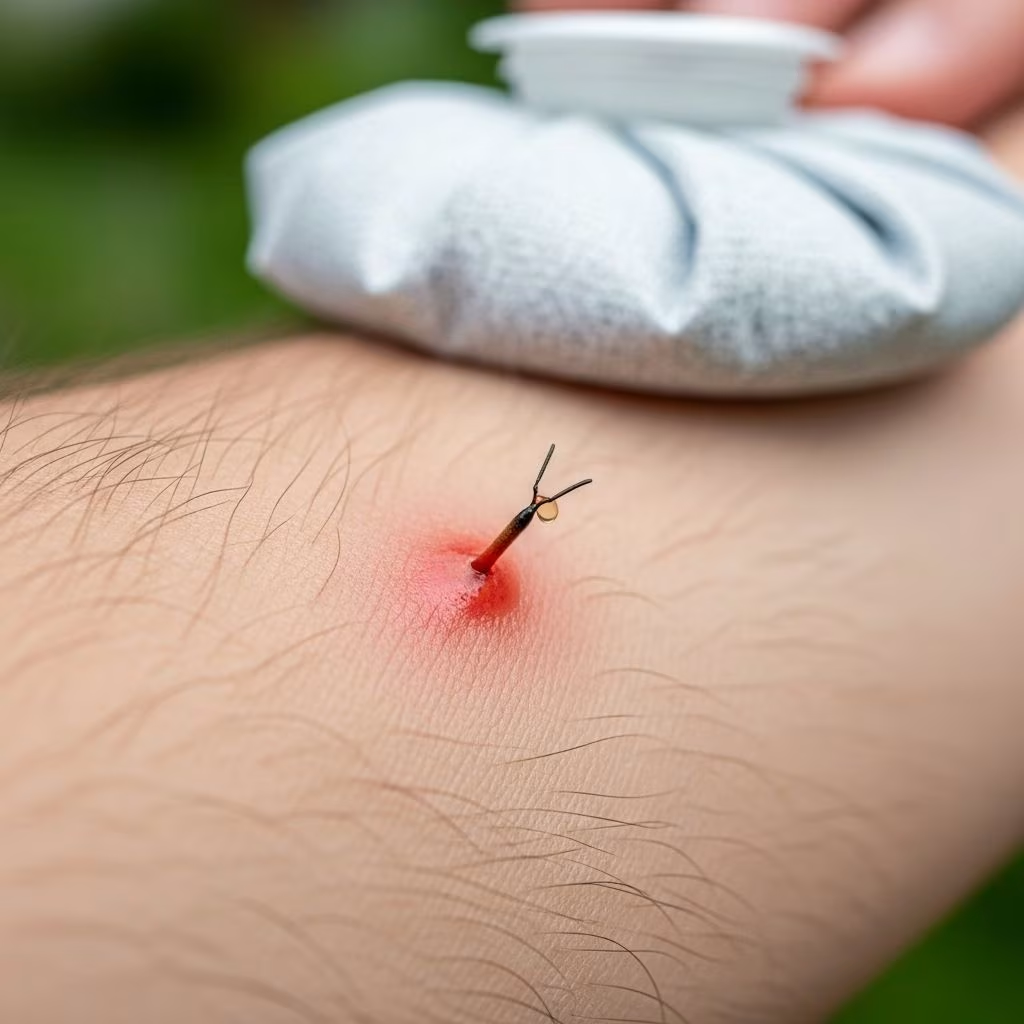
Quick Bee Sting Relief: Effective Remedies and First Aid
Bee stings are a common outdoor hazard, often causing pain, swelling, and itching. Most stings are mild and can be treated at home with simple, effective remedies. This detailed guide covers everything from immediate first aid, home treatments, natural remedies, and what to watch for if a reaction becomes severe.
Understanding Bee Stings
Bee stings occur when a bee injects its venom into the skin through its stinger. The venom triggers local reactions such as redness, swelling, and pain. While most people only experience minor discomfort, some may develop more serious allergic reactions that require immediate medical attention.
Immediate First Aid for Bee Stings
- Remove the stinger promptly: The bee’s stinger continues to release venom while stuck in your skin. Scrape the stinger out using a fingernail, the edge of a credit card, or a blunt knife. Avoid using tweezers, as squeezing may inject more venom into the wound.
Source: American Academy of Dermatology - Wash the area thoroughly: Clean the sting site with soap and water to prevent infection. Pat dry with a clean towel.
- Apply a cold compress: Use a wrapped ice pack or cold washcloth to reduce pain and swelling. Do not apply ice directly to skin.
- Monitor for signs of allergic reaction: Severe reactions may include difficulty breathing, swelling of the face or throat, dizziness, or hives. Call emergency services immediately if any of these occur.
Recognizing Allergic Reactions
Most reactions to bee stings are mild and localized. However, watch for these severe symptoms:
- Facial or throat swelling
- Shortness of breath, wheezing, or chest tightness
- Widespread hives or skin rash
- Loss of consciousness
If any of these occur, seek emergency medical assistance immediately as they indicate anaphylaxis.
Home Remedies for Bee Stings
After basic first aid, several home remedies may help soothe discomfort and promote healing. These remedies are best for mild stings with no signs of severe allergy.
- Baking Soda Paste: Mix baking soda with water to form a thick paste. Apply directly to the sting site and cover with a bandage for 15 minutes. This may help neutralize bee venom and reduce pain, itching, and swelling.
Source: Oakbrook Allergists - Toothpaste: Many people claim that applying alkaline toothpaste (especially those with mint or high pH) can neutralize the acidic venom and provide a soothing effect. Dab a small amount onto the area and rinse off after several minutes. Note: Effectiveness is anecdotal and mostly applies to honeybee stings.
Source: Oakbrook Allergists, Healthline - Apple Cider Vinegar: Dilute apple cider vinegar and soak the sting site or apply with a cloth for several minutes. This may help neutralize venom and reduce swelling and pain. Discontinue if irritation occurs.
Source: Healthline - Aloe Vera Gel: Aloe vera has anti-inflammatory and wound healing properties. Use pure aloe gel or extract from a fresh leaf; apply directly to the affected area. Can be reapplied as needed to soothe pain and inflammation.
Source: Healthline - Honey: Honey’s natural antibacterial properties may promote healing and prevent infection. Apply a small amount to the sting site and cover gently with a bandage.
Source: Healthline - Witch Hazel: Witch hazel is a natural astringent and antiseptic believed to reduce swelling and pain. Dab onto the sting with a cotton ball.
Source: Healthline - Calamine Lotion: This over-the-counter lotion soothes itchy skin and alleviates discomfort from bee stings. Apply a thin layer to the affected area and cover if necessary.
Source: Oakbrook Allergists, Mayo Clinic - Ice Pack or Cold Compress: Apply for 10-15 minutes every hour as needed to decrease swelling and pain.
Source: Cedars-Sinai [10] - Over-the-Counter Pain Medication: Acetaminophen (Tylenol) or ibuprofen (Advil/Motrin) can help relieve pain and reduce inflammation.
Source: American Academy of Dermatology, Cleveland Clinic - Antihistamines: Oral antihistamines such as Benadryl (diphenhydramine) or Zyrtec can relieve itching and swelling, especially if skin reactions occur.
Source: Healthline, Cleveland Clinic - Hydrocortisone Cream: Use 1% hydrocortisone cream to further ease itching and swelling. Apply up to four times per day.
Source: Mayo Clinic, Seattle Children’s Hospital - Essential Oils: Some suggest diluted essential oils (lavender, tea tree) may help, but these should not be applied without patch testing for sensitivity.
Source: Medical News Today
Comparison Table: Popular Bee Sting Remedies
| Remedy | Main Effect | Method | Scientific Support |
|---|---|---|---|
| Baking Soda | Neutralizes venom, reduces swelling | Paste applied for 15 min | Some anecdotal evidence |
| Toothpaste | Soothes, may neutralize acid venom | Dab and rinse after several min | Anecdotal only |
| Apple Cider Vinegar | Reduces swelling, pain | Soak or dab for several min | Limited scientific support |
| Aloe Vera | Soothes, promotes healing | Apply gel as needed | Supported for skin irritation |
| Honey | Antibacterial, healing | Apply and cover | Supported for wound healing |
| Witch Hazel | Astringent, antiseptic, reduces swelling | Dab with cotton ball | Traditional use, limited evidence |
| Calamine Lotion | Soothes itching | Thin layer, cover as needed | Widely recommended |
| Over-the-counter Medications | Pain relief, reduce inflammation | Oral tablets as directed | Proven effect |
| Ice Pack | Reduces swelling/pain | 10-15 min every hour | Proven effect |
| Antihistamines | Relieve itching/swelling | Oral tablets as directed | Proven effect |
| Corticosteroid Cream | Reduces skin inflammation | Apply up to 4 times daily | Proven effect |
Precautions and What to Avoid
- Do not use tweezers to remove the stinger: Can inject more venom.
- Avoid scratching: Increases risk of infection and delays healing.
- Avoid unproven folk remedies: Only use remedies with known safety profiles.
Children and Bee Stings
Children are especially vulnerable to bee stings. Always supervise remedy application and monitor for signs of allergy. Mild stings are rarely dangerous, but seek medical help if swelling spreads or systemic symptoms appear.
When to Seek Medical Attention
While most bee stings resolve with home treatment, seek immediate medical help if:
- You or the individual has difficulty breathing, swallowing, or speaking
- There is rapid spreading of swelling, hives, or rash
- Stings occur near the eye, inside the mouth, or if multiple stings are sustained
- Sting victim has a known allergy to insect venom
Bee Sting Prevention Tips
- Wear closed shoes and long sleeves outdoors in areas with bee activity.
- Avoid scented lotions, perfumes, or brightly colored clothing that attracts bees.
- Keep food and drinks covered while outside.
- Stay calm and move slowly if a bee approaches—avoid swatting.
Frequently Asked Questions (FAQs)
Q: Is it better to scrape than pull out a bee stinger?
A: Yes. Scraping with a fingernail or card reduces the risk of squeezing additional venom into your skin compared to pinching with tweezers.
Q: Are home remedies like toothpaste, baking soda, and apple cider vinegar scientifically proven?
A: Most are supported by tradition and anecdotal evidence; few have been rigorously studied. Still, many people report symptom relief and these remedies are generally considered safe for mild stings.
Q: Can I use essential oils on a bee sting?
A: Only use diluted essential oils and patch test first. Lavender and tea tree oil may help, but can irritate sensitive skin.
Q: When should I seek emergency medical care for a bee sting?
A: Seek help immediately for difficulty breathing, swelling of the lips/tongue/throat, dizziness, fainting, or if the sting site worsens rapidly over hours. These may indicate anaphylaxis.
Q: Should I use ice or heat for a bee sting?
A: Use ice or cold packs within the first 24-48 hours to reduce pain and swelling. Avoid heat, which can increase inflammation.
Summary of the Best Bee Sting Relief Strategies
- Always remove the stinger immediately using gentle scraping.
- Wash the area and use ice or a cold compress.
- Try home remedies such as baking soda paste, apple cider vinegar, aloe vera, or calamine lotion to soothe symptoms.
- Monitor closely for allergic reactions, especially in children and sensitive individuals.
- If in doubt or if severe symptoms develop, seek professional medical advice.
Resources & Further Reading
- American Academy of Dermatology
- Healthline: Bee Sting Treatment and Home Remedies
- Mayo Clinic: Bee Sting Diagnosis and Treatment
- Cleveland Clinic: Bee Sting Symptoms, Treatment & Prevention
References
- https://www.healthline.com/health/outdoor-health/home-remedies-for-bee-stings
- https://www.oakbrookallergists.com/2021/02/26/home-remedies-to-help-treat-a-bee-sting-reaction/
- https://www.aad.org/public/everyday-care/injured-skin/bites/treat-bee-sting
- https://www.mayoclinic.org/diseases-conditions/bee-stings/diagnosis-treatment/drc-20353874
- https://my.clevelandclinic.org/health/diseases/25093-bee-sting
- https://www.medicalnewstoday.com/articles/322907
- https://www.mosquitosquad.com/blog/all-natural/natural-wasp-and-bee-sting-treatment-methods-to-try-at-home/
- https://www.seattlechildrens.org/conditions/a-z/bee-or-yellow-jacket-sting/
- https://www.webmd.com/first-aid/bee-and-wasp-stings-treatment
- https://www.cedars-sinai.org/blog/treat-bee-sting.html


