Natural Remedies for Allergy Relief: What to Try Before Medication
Seasonal allergies can be frustrating, impacting your comfort, health, and ability to enjoy the outdoors. While medications offer relief, many people seek natural alternatives to soothe symptoms and decrease exposure to allergens. This comprehensive guide explores a range of safe, evidence-based natural remedies for allergy relief, from foods to lifestyle changes, water-based solutions, and environmental modifications.
Why Consider Natural Allergy Remedies?
Natural allergy solutions are often safe, cost-effective, and easily accessible. They typically have fewer side effects than prescription drugs and can be tailored to the individual’s needs. Many are suitable for use alongside conventional therapies for added support during allergy season or periods of high allergen exposure.
- Can help with a wide range of allergies, including seasonal and respiratory allergies.
- Often work by managing inflammation naturally or supporting the body’s immune response.
- Can reduce reliance on medicines, minimizing potential adverse effects.
Understanding Allergies: How They Affect the Body
When you encounter an allergen, such as pollen, dust mites, or pet dander, your immune system releases antibodies and histamine. This chemical response leads to common symptoms:
- Runny or congested nose
- Watery or itchy eyes
- Sneezing
- Coughing
- Itchy throat or skin
The severity and duration of symptoms depend on your sensitivity and exposure level. Managing allergies often means reducing your body’s histamine response and limiting exposure to triggers.
Top Natural Remedies for Allergy Relief
Below are some of the most effective and widely recommended natural remedies supported by experts and clinical studies:
1. Local Raw Honey
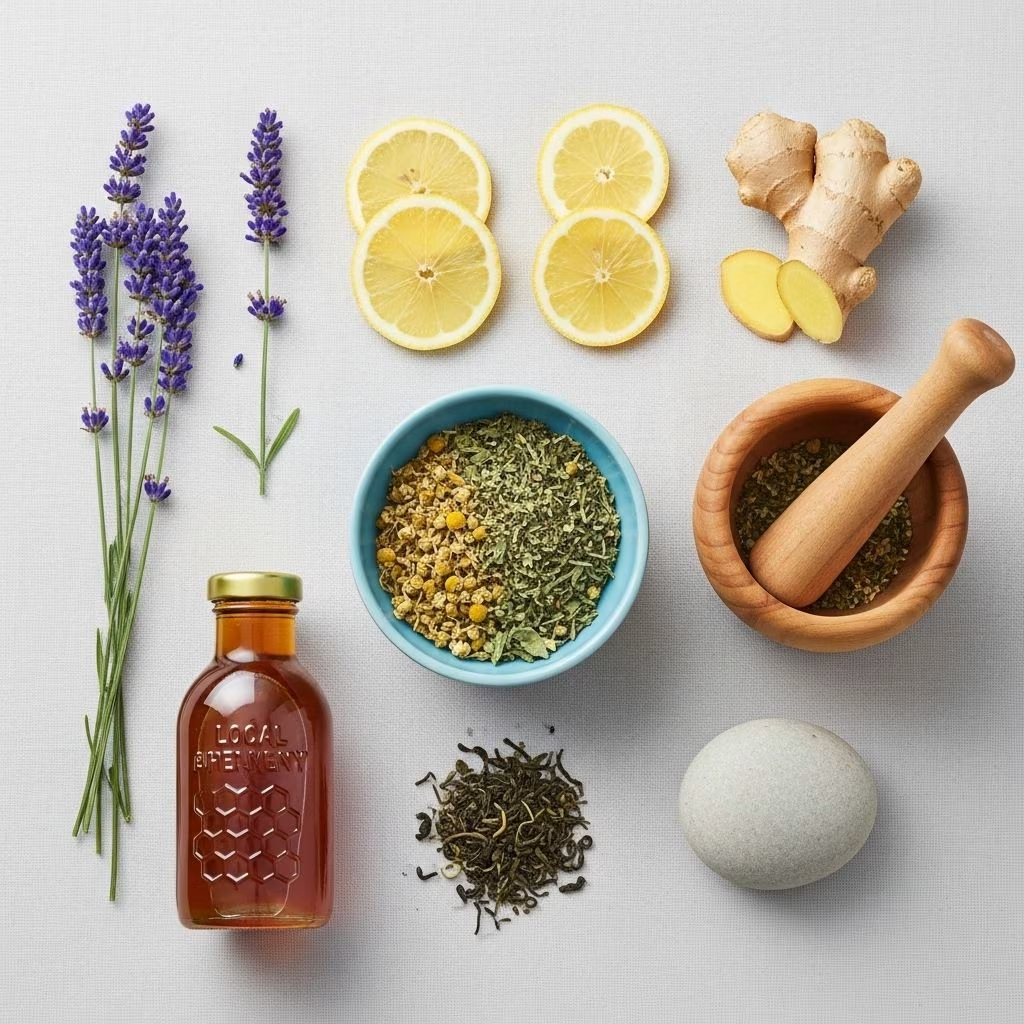
Many natural health practitioners recommend local raw honey for seasonal allergy relief. The theory behind this home remedy is that local honey contains trace amounts of pollen from your area. Regularly ingesting these small amounts may help “train” your immune system to tolerate allergens, reducing your reactivity over time.
- Aim for a teaspoon daily, stirred into tea, smoothies, or eaten directly.
- Best for: Seasonal allergies caused by local pollen.
- Note: Scientific evidence is mixed, but many individuals report positive effects.
2. Saline Nasal Irrigation
Saline nasal rinses—using a neti pot or nasal spray—are highly effective at clearing pollen, dust, and other irritants from the nasal passages. This method flushes out mucus and allergens, significantly reducing congestion and inflammation.
- How to use: Fill a neti pot with warm saline water (distilled or boiled water recommended), tilt your head, and gently pour into each nostril.
- Best for: Congestion, postnasal drip, nasal irritation.
- Frequency: Can be done daily during high-allergen seasons or after outdoor exposure.
3. Steam Therapy
Inhaling steam helps open nasal passages, loosen mucus, and soothe sinus congestion. For enhanced effect, add a few drops of essential oils like eucalyptus or peppermint to hot water. This method provides gentle, quick relief when allergy symptoms strike.
- Best for: Sinus congestion, blocked nasal passages.
- Tip: Always keep steam at a safe distance to avoid burns.
4. Essential Oils
Some essential oils have anti-inflammatory and decongestant properties. Popular choices include:
- Peppermint oil: Opens airways, soothes coughs.
- Eucalyptus oil: Relieves sinus pressure, clears nasal passages.
- Lavender oil: Calms inflammation.
Methods of use:
- Add drops to a diffuser, or inhale with steam
- Combine with a carrier oil and apply to your chest (patch test first)
5. Quercetin-Rich Foods
Quercetin is a natural flavonoid that stabilizes mast cells and blocks histamine release. This regulates your immune system’s response, easing allergy symptoms. Foods high in quercetin include:
- Apples
- Onions
- Broccoli
- Berries
- Green tea
Regular inclusion of these foods supports your body’s natural antihistamine defense.
6. Probiotics for Gut Health
The connection between gut health and immunity is well-established. Probiotics (live beneficial bacteria) help balance your immune response and may reduce inflammation. Everyday sources include:
- Yogurt with live cultures
- Kefir
- Kimchi
- Sauerkraut
- Probiotic supplements (choose trusted brands with adequate CFU counts)
Best for: Strengthening overall immune defense, managing inflammatory response.
7. Vitamin C
Vitamin C is a natural antihistamine with antioxidant properties. Studies show it can decrease the frequency and severity of allergy symptoms.
- Sources: Citrus fruits, bell peppers, strawberries, broccoli.
- Supplements: 500–1000 mg/day, but check with your physician before starting a new supplement regimen.
8. Herbal Remedies
Various herbs offer anti-inflammatory and immune-supporting benefits:
- Butterbur: Research highlights its efficacy for reducing allergic rhinitis symptoms and improving nasal comfort, without causing drowsiness.
- Nettle leaf: Traditionally used for its natural antihistamine effect. Steep in hot water for a soothing tea.
- Peppermint and chamomile: Relieve itchiness and inflammation; best enjoyed as an infusion.
9. Bromelain
Bromelain, an enzyme found in pineapple, is often recommended to reduce inflammation in respiratory tissues, making breathing easier during allergy flare-ups.
- Available as a supplement or fresh pineapple intake.
- Best for: Reducing swelling and easing breathing.
10. Acupuncture
Acupuncture is gaining recognition for allergy relief, particularly for hay fever and nasal allergies. Treatments are low-risk when administered by licensed practitioners, and some clinical studies suggest benefits for both acute and long-term symptom management.
11. High-Efficiency Particulate Air (HEPA) Filters
Environmental control is essential for managing allergy symptoms. HEPA filters help capture airborne particles such as pollen, dust, and pet dander, resulting in reduced overall allergen load at home.
- Regularly vacuum using HEPA filter-equipped appliances.
- Consider HEPA air purifiers in living spaces and bedrooms.
12. Natural Cleaning Practices
Many cleaning products contain strong chemicals or fragrances that could aggravate allergies. Opt for plant-based or unscented cleaners and clean surfaces frequently to minimize allergens.
13. Spicy Foods
If you enjoy spice, cayenne pepper and garlic can provide temporary relief from congestion due to their ability to thin mucus and reduce inflammation.
- Cayenne pepper contains capsaicin, which can improve sinus drainage.
- Garlic contains allicin, a powerful anti-inflammatory agent.
14. Dietary Changes
Some nutrition recommendations for allergy prevention include:
- Eating a diet high in complex carbohydrates and low in processed fats (e.g., beans, whole grains, vegetables).
- Staying hydrated—water is essential for thinning mucus and keeping airways clear.
Natural Remedy Comparison Table
| Remedy | Main Benefit | Best Use | Evidence Level |
|---|---|---|---|
| Local Honey | Immunotherapy effect, symptom reduction | Seasonal pollen allergies | Anectodal, limited scientific support |
| Saline Rinse | Reduces congestion, flushes out allergens | Allergic rhinitis, sinus congestion | Strong; widely recommended |
| Essential Oils | Decongests, anti-inflammatory | Respiratory allergy relief | Traditional, moderate support |
| Quercetin | Natural antihistamine, anti-inflammatory | Food-based allergy control | Increasing research support |
| Probiotics | Improves immune response | Systemic allergy prevention | Emerging evidence |
| Vitamin C | Natural antihistamine, antioxidant | Allergy symptom reduction | Strong |
| Butterbur | Eases hay fever symptoms | Allergic rhinitis | Growing clinical support |
| Bromelain | Reduces swelling/inflammation | Respiratory allergies | Traditional, clinical support |
Frequently Asked Questions (FAQs)
Q: Are natural remedies safe for children?
A: Many natural remedies, such as saline rinses and probiotics, are generally safe for children when used appropriately. Always consult your pediatrician before starting new supplements or herbal treatments.
Q: Can natural remedies replace prescription allergy medicines?
A: Natural remedies can complement—rather than replace—prescription treatments for severe allergies. They may offer relief for mild symptoms or as preventive measures but consult your physician for chronic or severe allergies.
Q: How quickly do natural remedies work?
A: Some remedies, such as steam inhalation or saline rinses, can provide immediate relief. Others, like probiotics or honey, require consistent use over weeks to months for noticeable effects.
Q: Are there any side effects or risks with home remedies?
A: Most remedies are safe, but always check for allergies (e.g., bee products, herbs), follow dosage guidelines, and consult a healthcare provider before trying new supplements, especially if you have chronic health conditions.
Q: What dietary changes help manage allergies?
A: Increase intake of anti-inflammatory foods and natural antihistamines, such as berries, onions, citrus fruits, and leafy greens. Avoid processed foods when possible and stay well hydrated.
Tips for Maximizing Natural Allergy Relief
- Monitor pollen counts and limit outdoor activity during peak periods.
- Shower and change clothes after spending time outside.
- Keep windows closed during high pollen seasons; use air conditioning if needed.
- Wash bedding frequently in hot water to remove allergen buildup.
- Use hypoallergenic pillow and mattress covers.
- Clean your home regularly with natural, fragrance-free products.
- Stay hydrated; water supports mucus thinning and overall wellness.
When to Seek Professional Care
If you experience severe symptoms (difficulty breathing, facial swelling, anaphylaxis, persistent high fever) or your symptoms persist despite home interventions, seek medical attention. Natural remedies can safely complement clinical care but are not substitutes for life-threatening or chronic allergy management.
Conclusion
Allergies are common, but you don’t have to rely solely on medicine for relief. By incorporating safe, natural remedies and smart environmental practices, you can minimize symptoms and enjoy a higher quality of life. Always work with your healthcare provider to create a comprehensive allergy management plan.
References
- https://cureallergyclinic.com/effective-natural-remedies-for-allergy-relief/
- https://www.beckerentandallergy.com/blog/allergy-home-remedies
- https://blog.ochsner.org/articles/8-natural-ways-to-beat-spring-allergies/
- https://www.healthline.com/health/home-remedies-for-allergies
- https://www.cigna.com/knowledge-center/natural-remedies-for-seasonal-allergies
- https://www.sutterhealth.org/health/holistic-help-for-allergies
- https://www.zyrtec.com/allergy-guide/understanding-allergies/treatment/what-helps-with-allergies-at-home
- https://www.mayoclinic.org/diseases-conditions/hay-fever/in-depth/seasonal-allergies/art-20048343
- https://www.youtube.com/watch?v=H2DIcKgpKoE
- https://www.medicalnewstoday.com/articles/321500