Keeping your heart healthy is a lifelong commitment. While the fundamentals remain unchanged—eating nutritious foods, regular physical activity, and quitting smoking—many look to natural remedies and supplements for an additional edge in cardiovascular health. With an increasing number of products promising everything from lowering cholesterol to unblocking arteries, it’s important to separate proven approaches from hopeful hype.
Understanding Natural Remedies for the Heart
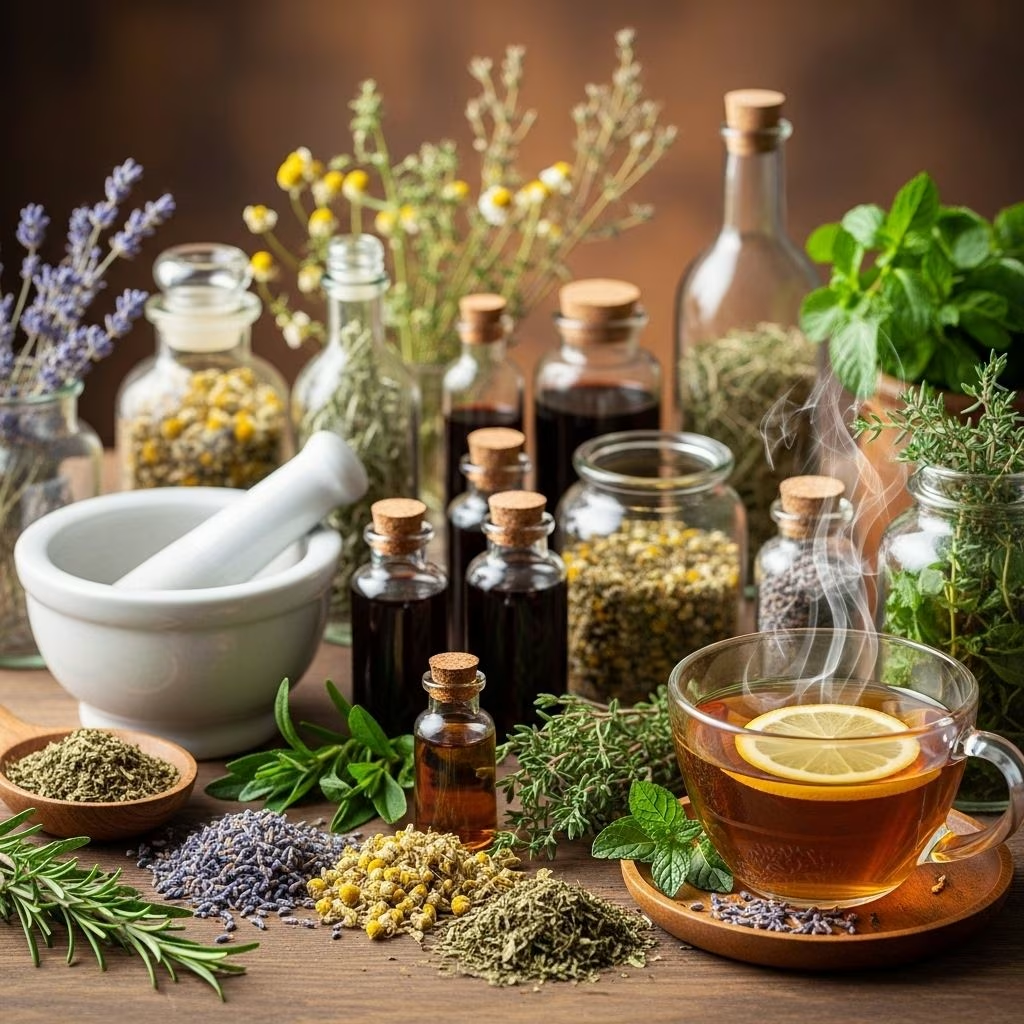
Countless advertisements tout the benefits of herbal supplements and natural remedies for cardiovascular wellness. But how reliable are these claims, and what does scientific research say? A panel of cardiologists and pharmacists weighs in on common remedies, discussing both their potential benefits and the risks that may not be so obvious.
Garlic: An Age-Old Remedy Under Scrutiny
Garlic (Allium sativum) has a long history in traditional medicine. The strong aroma and sharp flavor are due to allicin, a sulfur compound released when cloves are crushed. Advocates believe garlic:
- Lowers cholesterol levels
- Reduces blood pressure
- Decreases inflammation in the arteries
- Supports overall cardiovascular function
David Foreman, RPh, author of 4 Pillars of Health: Heart Disease, highlights studies showing garlic’s combined effects may help reduce risks for heart attacks and strokes by improving arterial flexibility and blood flow. However, some cardiologists, including Dr. Thomas Boyden, Jr., challenge the strength of this evidence. A comprehensive 2012 Cochrane review concluded that while garlic may modestly affect blood pressure, evidence is insufficient to confidently say it lowers the risk of heart-related death, particularly in those with high blood pressure.
Clinical Tips:
- Prefer fresh garlic over supplements for potential benefits.
- Consult your physician if you are on blood thinners or have bleeding disorders, as garlic can increase bleeding risk.
Coenzyme Q-10 (CoQ10): Cellular Energy for Cardiovascular Health
CoQ10 is an antioxidant present in nearly every body tissue, particularly abundant in the heart. It plays a crucial role in helping cells generate energy. Some research indicates CoQ10 may offer benefits such as:
- Lowering blood pressure
- Improving blood vessel flexibility
- Reducing muscle pain caused by statin medications
Clinical lipidologist Dr. Daniel Soffer notes that while some studies have shown benefit, overall results are mixed—many people experience benefits similar to a placebo effect. However, research such as a 2015 PLOS One study showed elderly participants taking CoQ10 with selenium for four years had a cut risk of heart-related deaths by half.
Clinical Tips:
- Discuss CoQ10 supplementation with your healthcare provider, especially if you are taking statins for cholesterol or have chronic heart health concerns.
- No major safety concerns, but effectiveness may vary between individuals.
Red Yeast Rice: Nature’s Statin Alternative
Red yeast rice is a fermented product made by culturing rice with specific types of yeast. It has been used in traditional Asian medicine and contains compounds similar to statin medications. Cardiologists like Dr. Boyden recommend it as a “naturopathic statin,” noting that it was the foundation for one of the first pharmaceutical statins.
Research supports red yeast rice’s ability to lower cholesterol levels. It can:
- Reduce LDL (“bad”) cholesterol
- Provide alternatives for those who cannot tolerate prescription statins due to muscle pain
Caution: Sources differ on the regulation and content of monacolin K (the active ingredient paralleling lovastatin) in U.S. supplements. Always consult your doctor before using, especially if you are already taking statins or cholesterol-lowering medications.
Flaxseed: Dietary Fiber, Omega-3, and Heart Benefits
Flaxseed is an increasingly popular natural supplement, rich in:
- Omega-3 fatty acids (an essential fat known to support heart health)
- Lignans (a plant compound shown to reduce cholesterol and help prevent plaque buildup)
- Dietary fiber (supports healthy cholesterol and blood pressure levels)
While flaxseed may aid cholesterol management, Dr. Foreman cautions that it should not replace prescribed medications for those at high risk. For optimal benefit, use ground, milled, or freshly crushed seeds, not flaxseed oil or whole seeds (which pass undigested through your system).
Vitamin K2: Guarding Against Arterial Calcification
Vitamin K2, often found in leafy green vegetables or certain fermented foods, has been associated with a reduced risk of heart disease. A notable 2014 study found that higher dietary intake of vitamin K was linked to lower risk of death from heart problems, particularly in populations at high cardiovascular risk.
Key benefits include:
- Prevents calcium buildup in arteries and blood vessels, supporting vessel flexibility
- May reduce age-related arterial stiffness
- Promotes bone health by keeping calcium in bones
Some experts suspect that those deficient in K2 develop more arterial plaque and calcification. Ongoing studies are evaluating whether K2 supplementation can directly reduce risks of heart attack and stroke.
Other Notable Natural Supplements and Botanicals
In the quest for heart health, several other remedies have gained popularity. Scientific support varies, so it’s vital to approach them with care and informed skepticism.
Omega-3 Fatty Acids
- Found in fish oil, walnuts, chia seeds, and flaxseed.
- Associated with lower triglyceride levels, reduced inflammation, and improved heart rhythm.
- Preferred by many experts as a dietary (not supplemental) source.
Policosanol
- Produced from sugar cane or beeswax.
- Some studies (mainly outside the U.S.) suggest LDL cholesterol reduction, but U.S.-available forms (from beeswax) lack evidence of efficacy.
Guggulipid
- Extracted from the mukul myrrh tree, traditionally used in Indian medicine.
- Mixed evidence for cholesterol benefit; more rigorous studies are needed.
Herbs and Spices
- Includes ginger, turmeric, rosemary, fenugreek, artichoke leaf, and holy basil.
- Early-stage research suggests possible cholesterol-lowering and anti-inflammatory effects.
Common Herbal Supplements for Blood Pressure: Fact or Fiction?
Beyond heart-specific remedies, several herbal supplements are promoted for blood pressure management. Here’s what evidence says about some popular options:
Vitamin C
- Deficiency is a risk for high blood pressure.
- Supplementation helps reduce systolic blood pressure (the top number), especially in certain groups like the elderly.
- Acts through antioxidant activity and enhanced nitric oxide production to help relax arteries.
Hibiscus sabdariffa
- Contains polyphenols and diuretic compounds.
- Research shows hibiscus tea can modestly lower both systolic and diastolic blood pressure in adults with mild hypertension or type 2 diabetes.
Olive Leaf Extract
- Contains antioxidants and compounds beneficial to blood vessels.
- Clinical studies show daily intake may reduce coronary heart disease risk by up to 14% and lower systolic blood pressure in people with high blood pressure.
Plant-Based Diet and Lifestyle: The Foundation for Heart Health
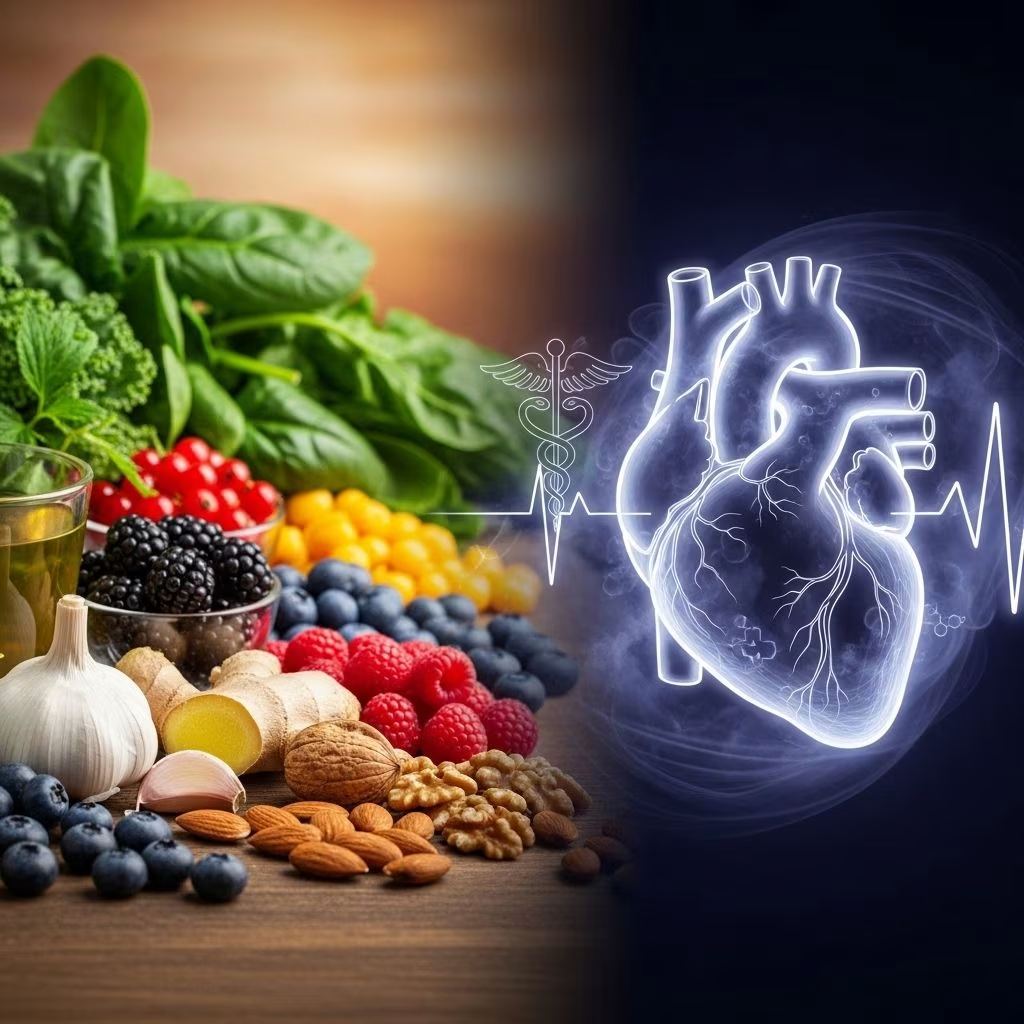
Despite the potential of certain supplements, experts universally agree that lifestyle changes have the greatest impact on heart health:
- Focus on a plant-based diet rich in vegetables, fruits, whole grains, and healthy fats
- Limit processed meats, sugary drinks, and sodium intake
- Maintain regular physical activity (at least 150 minutes of moderate exercise per week)
- Avoid smoking and limit alcohol consumption
- Reduce chronic stress with relaxation techniques, mindfulness, or social connection
Important Safety Considerations When Using Natural Remedies
Before starting any supplement regimen, it’s essential to recognize limitations and risks:
- Many “natural” products interact with prescription medications or other supplements.
- Dosage, purity, and effectiveness can vary widely between brands.
- Some remedies increase bleeding risk, especially in combination with blood thinners.
- Supplements are not subject to the same rigorous safety and efficacy requirements as prescription drugs.
- Consult your healthcare provider before adding a supplement, especially if you have chronic health conditions or are on medication.
Table: Comparison of Popular Heart Health Supplements
| Remedy | Main Claimed Benefit | Level of Evidence | Notable Risks |
|---|---|---|---|
| Garlic | Lowers BP & cholesterol | Mixed (modest benefits in some studies) | Bleeding, especially with blood thinners |
| CoQ10 | Supports energy, lowers BP | Mixed (may help with statin-induced muscle pain) | Generally safe |
| Red Yeast Rice | Lowers cholesterol | Strong (similar to statins) | Liver issues, drug interactions |
| Flaxseed | Lowers cholesterol, anti-inflammatory | Moderate (best evidence for ground seeds) | No major risks for most; can affect absorption of other meds |
| Vitamin K2 | Reduces arterial calcification | Moderate, ongoing clinical trials | Interactions with anticoagulants |
| Omega-3 (Fish Oil) | Reduces triglycerides | Strong for diet; supplements less so | Increased bleeding risk in large doses |
| Hibiscus tea | Lowers BP | Good for mild hypertension | Possible liver irritation with high doses |
| Olive Leaf Extract | Lowers BP, reduces inflammation | Moderate, supported by clinical trials | Rare allergic reactions |
Frequently Asked Questions (FAQs)
Q: Is it safe to use natural remedies alongside prescription heart medications?
A: Many natural supplements can interact with prescription medications, altering their effectiveness or increasing side effect risk. Always consult your doctor before starting any new supplement regimen.
Q: Can natural remedies replace my prescribed cholesterol or blood pressure medication?
A: No, especially if you are at high risk for heart disease. While some remedies can help, most cannot substitute the effectiveness or predictability of prescription medications.
Q: Which is better: getting nutrients from food or from supplements?
A: Experts recommend getting antioxidants, omega-3s, fiber, and vitamins from a varied, heart-healthy diet. Supplements may help fill gaps but should not be your main source.
Q: How should I choose a heart health supplement?
A: Look for products from reputable manufacturers, preferably with third-party testing. Discuss the need and dosage with your healthcare provider before starting.
Final Takeaway
Natural remedies and supplements may offer adjunctive benefits for heart health, but they are not a substitute for fundamental lifestyle changes or medical therapy. Always approach new remedies with caution and rely on evidence-based advice from qualified health professionals.
References
- https://www.webmd.com/heart-disease/features/natural-remedies-for-heart-health-help-or-harm
- https://www.webmd.com/heart-disease/ss/slideshow-foods-to-save-your-heart
- https://www.webmd.com/heart-disease/ss/best-ways-to-nourish-your-heart
- https://www.webmd.com/hypertension-high-blood-pressure/what-to-know-about-herbal-supplements-and-blood-pressure
- https://www.webmd.com/balance/ss/slideshow-home-remedies
- https://www.webmd.com/vitamins-and-supplements/supplements-heart-healthy
- https://www.webmd.com/heart-disease/guide/plant-based-diet-for-heart-health
- https://www.webmd.com/heart-disease/heart-disease-eat-right
- https://www.webmd.com/cholesterol-management/high-cholesterol-alternative-therapies
- https://www.webmd.com/heart-disease/reduce-stress-heart-health