


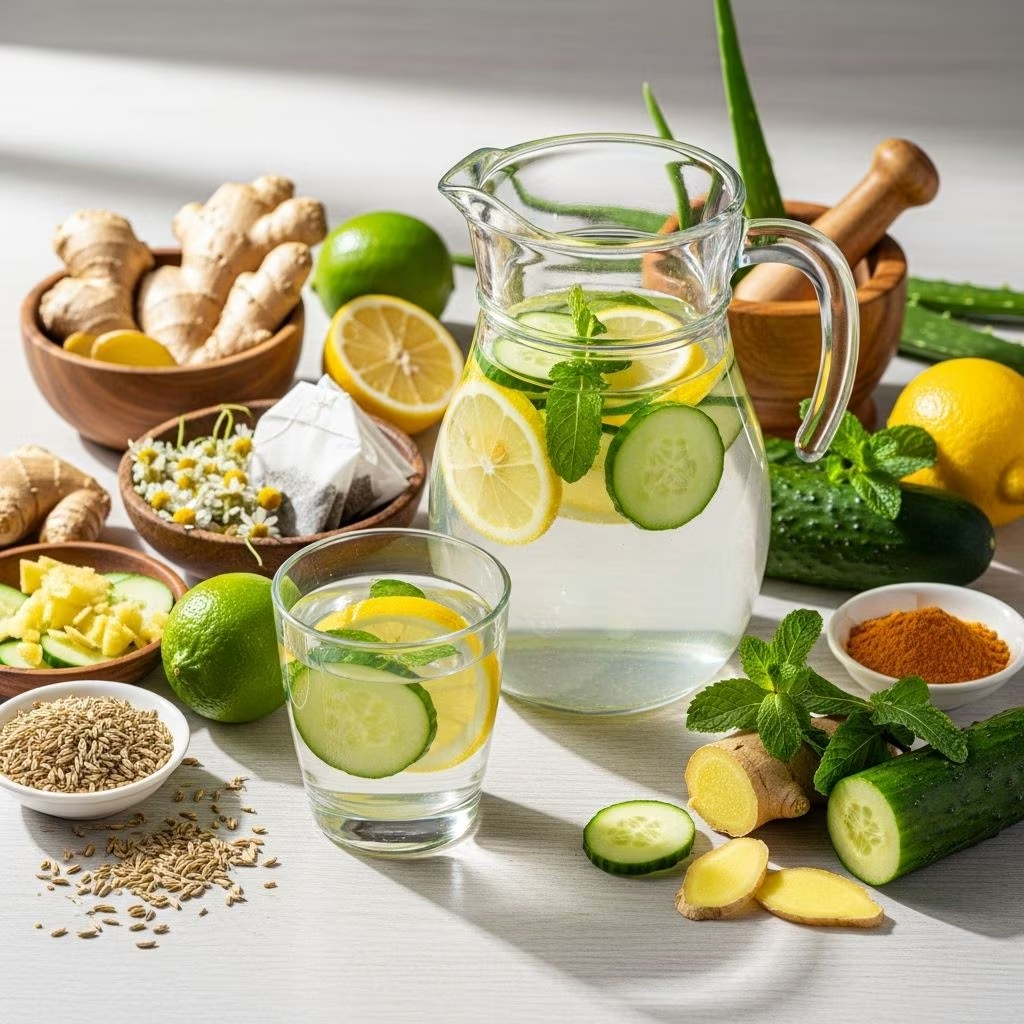
19 Natural Home Remedies for Bloating Relief
Bloating can turn even the simplest day into a frustrating ordeal, leaving you feeling uncomfortable, sluggish, and self-conscious. Women are especially prone to bloating throughout the month, but this common digestive issue can affect anyone at any time. Fortunately, natural home remedies and lifestyle tweaks can make an enormous difference in beating the bloat and restoring comfort to your daily life. Dive into these 19 expert-backed remedies to find what works best for you.
Understanding Bloating: What Causes It?
Bloating is a build-up of gas, fluid, or digestive contents that causes your abdomen to feel full, tight, or distended. Common causes include:
- Poor digestion or constipation
- Overconsumption of salty or processed foods
- Eating too rapidly or swallowing air
- Hormonal fluctuations (especially in women)
- Food intolerances or sensitivity to certain ingredients
- Imbalances in gut bacteria
- Excess alcohol or carbonated beverage intake
While occasional bloating is normal, chronic discomfort shouldn’t be ignored. The remedies below help tackle both immediate symptoms and underlying causes for long-term relief.
1. Eat Your Way to Less Bloat: Foods That Reduce Bloating
The right foods can flush excess water, improve digestion, and reduce water retention. Consider incorporating the following food groups into your diet for natural bloat relief:
Fiber-Rich Foods
Increasing fiber intake gradually keeps your bowels moving, reduces constipation, and prevents bloating. Sudden increases in fiber may initially worsen symptoms, so add new high-fiber foods slowly.
- Broccoli
- Lentils
- Avocados
- Oatmeal
- Blackberries
- Pears
Prebiotics and Probiotics
Feed your gut with probiotics (beneficial bacteria) and prebiotics (fibers that nourish the good bacteria). This combination supports healthier digestion and less bloating.
- Unpasteurized yogurt
- Bananas
- Onions
- Raw garlic
- Asparagus
- Dark chocolate (in moderation)
- Sauerkraut
- Kombucha
Diuretic Foods
Naturally diuretic foods boost urine output, helping the body shed excess water and reduce bloating caused by fluid retention.
- Lemon
- Apple cider vinegar
- Celery
- Oats
- Ginger
- Cranberry juice
- Eggplant
- Tomatoes
- Cucumber
- Watermelon
Magnesium-Rich Foods
Magnesium relaxes intestinal muscles and neutralizes stomach acid, relieving bloat from constipation and indigestion.
- Spinach
- Chard
- Bananas
- Figs
- Dark chocolate
- Almonds
- Avocado
- Black beans
- Pumpkin seeds
Potassium-Rich Foods
Potassium works against sodium by helping flush out excess fluid, reducing both water retention and bloat.
- Bananas
- Avocados
- Sweet potatoes
- Spinach
- Salmon
- Acorn squash
- Pomegranate
- White beans
Anti-Inflammatory Foods
Chronic inflammation from highly processed foods, sugar, and additives worsens digestive distress. Include these foods to calm inflammation:
- Green leafy vegetables
- Celery
- Beets
- Broccoli
- Blueberries
- Pineapple
- Salmon
- Walnuts
- Chia seeds
- Coconut oil
2. Drink Smart: Beverages for Bloat Relief
Staying hydrated flushes excess sodium and stimulates digestion; however, not all drinks are created equal when battling bloat. Choose these smart options:
- Water: Drink at least 64oz daily; aim for 16oz thirty minutes before meals to prevent post-meal bloating.
- Peppermint tea: Helps soothe inflammation in the digestive tract and supports smoother digestion.
- Lemon water: A glass of water with fresh lemon first thing in the morning may jumpstart digestion and reduce bloating.
- Apple cider vinegar: Add 1-2 tablespoons to water before meals for digestive support.
3. What to Avoid: Foods and Habits That Trigger Bloating
Some foods and behaviors are frequent culprits behind stubborn bloating. Steer clear of or limit:
- Salty foods: Excess sodium encourages water retention and overwhelming your kidneys, making you look and feel puffy. Opt for Himalayan pink salt in moderation for its lower sodium and added minerals.
- Refined carbohydrates: Foods with white sugar, corn syrup, and white flour spike insulin, encourage sodium retention, and promote bloat.
- Carbonated drinks: Sodas and sparkling waters introduce excess gas into your system, causing visible and physical bloating.
- Chewing gum: Tends to trap and swallow more air, leading to increased belching and bloating.
- Artificial sweeteners: “Sugar-free” foods often contain sugar alcohols, which can ferment in the gut and cause intense bloating.
4. Move More: Physical Activity to Beat Bloating
Regular movement helps your gut stay healthy, improves digestion, and relieves built-up gas. Try these techniques:
- Go for a walk: A brisk 10–15-minute walk, especially after meals, supports the movement of food and gas through your digestive tract for almost immediate relief.
- Yoga poses: Child’s Pose, Happy Baby Pose, and gentle squats help naturally release trapped gas and soothe your abdomen.
- Exercise regularly: Activities such as running, swimming, biking, and yoga have all been shown to help relieve symptoms of irritable bowel syndrome (IBS) which often include bloating.
5. Try Herbal and Over-the-Counter Remedies
- Peppermint capsules: Effective for relaxing intestinal muscles and encouraging gastric motility; consult your doctor if you have frequent heartburn or GERD.
- Anise: This aromatic herb may relieve symptoms for those with digestive disorders like IBS.
- Gas-relief capsules: Over-the-counter products such as simethicone (e.g., Gas-X) help break up gas bubbles and ease abdominal pressure.
- Alpha-galactosidase: Enzyme products (e.g., Beano) support digestion of gas-producing carbohydrates, especially those found in beans and cruciferous vegetables.
Always use supplements and medications as directed, and discuss with your healthcare provider if you have underlying digestive conditions.
6. Gentle Massage and Relaxation Techniques for Bloating
Intentional relaxation can help your abdominal muscles at ease and promote normal digestive transit:
- Abdominal massage: Massage in a clockwise, circular motion following the path of the large intestine—from the lower right, moving up toward the ribcage, across to the left, and then down. This can encourage trapped gas and stool to move more freely; stop if you feel any pain.
- Warm bath: Soaking in a warm tub relieves tension and may help expel built-up gas by relaxing the gut.
7. Minimize Stress: The Mind-Gut Connection
Stress and anxiety are increasingly recognized as powerful triggers for digestive issues like bloating. To keep stress-induced bloating at bay:
- Practice mindful eating—slow down, chew thoroughly, and avoid distractions at mealtime.
- Explore stress-reducing activities such as deep breathing, meditation, yoga, or walks outdoors.
8. Lifestyle Habits That Improve Digestive Health
- Eat mindfully: Eating slowly and chewing thoroughly minimizes the amount of air swallowed and lets your digestive enzymes do their job.
- Don’t overeat: Pay attention to your body’s satiety signals to avoid stretching your stomach with one big meal.
- Avoid eating right before bed: Give your body time to digest before lying down, which can help prevent overnight bloating.
9. Foods to Limit for Bloating-Prone Individuals
Some healthy foods may trigger bloating in sensitive individuals. Consider reducing:
- Beans and lentils (try soaking thoroughly or using enzyme supplements)
- Broccoli, cabbage, cauliflower (known as cruciferous veggies)
- Dairy, if you are lactose intolerant
- High-fructose fruits like apples, pears, and watermelon
- Onions and garlic (inulin fiber can cause problems for some people)
Quick Reference Table: Remedies and Their Actions
| Remedy | Primary Benefit | Example |
|---|---|---|
| Fiber | Reduces constipation-related bloating | Oatmeal, lentils, pears |
| Probiotics/Prebiotics | Supports good gut bacteria | Yogurt, sauerkraut, bananas |
| Diuretic foods | Reduces water retention | Lemon, cucumber, watermelon |
| Magnesium | Relaxes intestinal muscles | Spinach, almonds, avocado |
| Peppermint (tea/capsules) | Relieves digestive inflammation | Peppermint tea, capsules |
| Physical activity | Speeds up digestion, relieves trapped gas | Walking, yoga |
| Abdominal massage | Encourages gas and stool movement | Gentle circular massage |
| Warm bath | Relaxes muscles; eases pain | Soak in hot water |
Frequently Asked Questions (FAQs)
Q: What is the quickest way to relieve abdominal bloating?
A: Try a short walk, gentle yoga poses, or a cup of peppermint tea to stimulate digestion and quickly expel trapped gas.
Q: Are there foods that always cause bloating?
A: Certain foods like beans, cruciferous vegetables, carbonated drinks, and foods with artificial sweeteners commonly cause bloating, but tolerance varies among individuals.
Q: How much water should I drink to help with bloating?
A: At least 64 ounces (about 8 cups) per day is typically recommended, with extra hydration 30 minutes before meals to further aid digestion.
Q: Can exercise really help prevent or relieve bloating?
A: Regular exercise, including walking and specific yoga poses, has been shown to stimulate the digestive system and can provide almost immediate relief from bloating.
Q: When should I see a doctor for bloating?
A: If you experience severe, chronic, or painful bloating accompanied by other symptoms such as weight loss, blood in stool, or persistent vomiting, consult a healthcare provider.
Key Takeaways
- Beat bloating naturally with fiber, prebiotics, diuretics, sufficient hydration, and strategic lifestyle choices.
- Avoid trigger foods (salty, processed, carbonated, and artificial sweeteners) and eat mindfully to minimize air intake.
- Incorporate gentle physical activity and relaxation routines to keep your digestive tract functioning smoothly.
- Listen to your body and adjust your habits as needed.
Bloating can be uncomfortable, but with these home remedies, dietary changes, and lifestyle enhancements, you can reclaim digestive comfort and enjoy day-to-day life without the burden of a distended belly. Always consult with a healthcare professional before starting new supplements or if you suspect a more serious condition.
References
- https://myhealthkc.com/blog/19-home-remedies-for-bloating
- https://www.health.harvard.edu/staying-healthy/how-to-get-rid-of-bloating-tips-for-relief
- https://www.medicalnewstoday.com/articles/322525
- https://myhealthkc.com/blog
- https://www.uclahealth.org/news/article/6-things-you-can-do-prevent-bloating
- https://pmc.ncbi.nlm.nih.gov/articles/PMC3816178/
- https://newsnetwork.mayoclinic.org/discussion/mayo-clinic-q-and-a-food-to-reduce-bloating/
- https://mydoctor.kaiserpermanente.org/mas/news/how-to-get-rid-of-bloating-9-expert-tips-for-gut-health-2118990


