


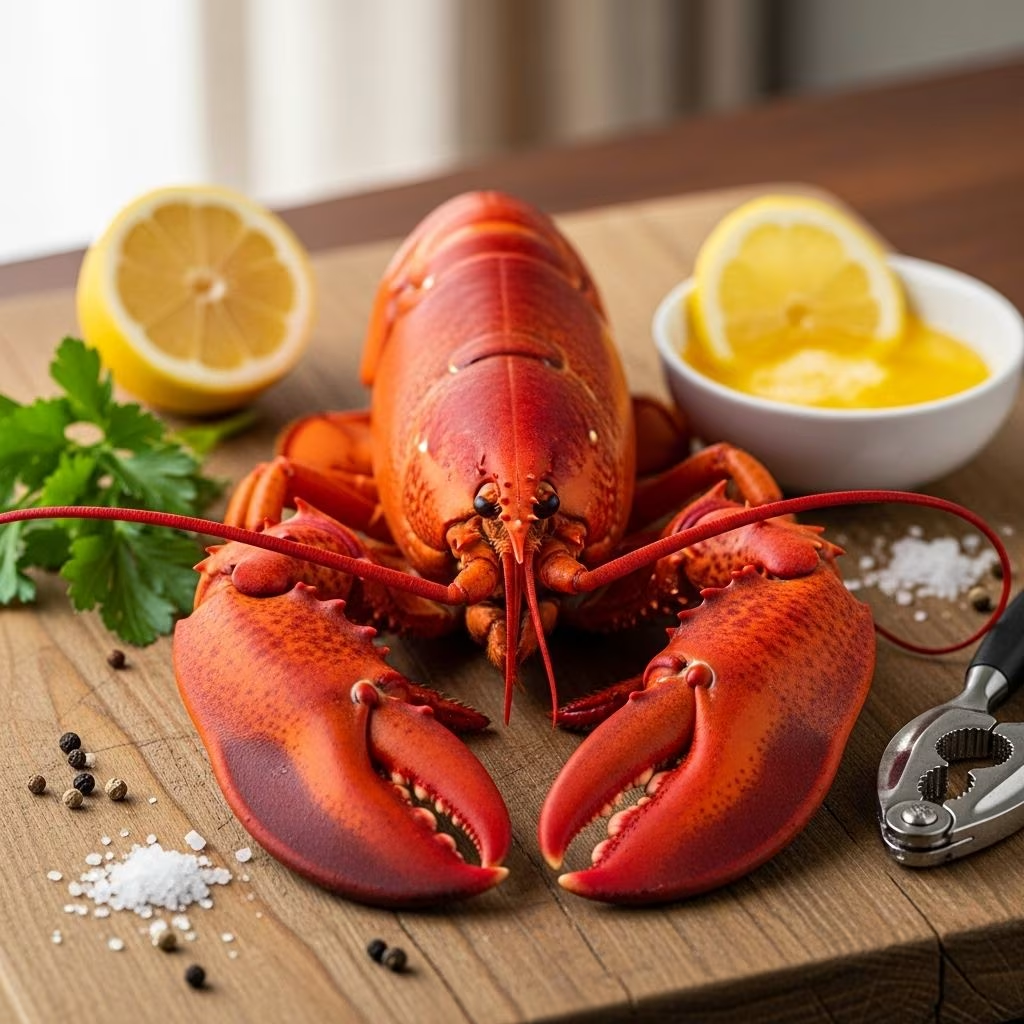
Lobster stands as one of the most iconic and sought-after delicacies in global cuisine, admired for its rich texture, distinct sweetness, and remarkable versatility. This guide explores what a lobster is, the wide range of species, its health benefits, popular culinary uses, and the sensory experience that defines its taste—all supported by scientific and culinary insights.
Introduction: What Is a Lobster?
Lobster refers to a group of crustaceans belonging primarily to the families Nephropidae (or Homaridae), which are true lobsters, and Palinuridae, known as spiny or rock lobsters. Characterized by thick exoskeletons and, in some species, prominent claws, lobsters are marine inhabitants found in oceans worldwide. Their history in human cuisine stretches back centuries, prized for their firm, sweet, and succulent meat.
Types of Lobster
Lobsters can be divided into two main categories: clawed lobsters and spiny (rock) lobsters. Each type brings unique flavors and textures, shaped by their habitats and biology.
Clawed Lobsters (Family: Nephropidae/Homaridae)
- American Lobster (Homarus americanus): Often called Maine lobster, found on the Atlantic coast of North America. Known for large claws and a delicate, sweet flavor. Meat is prized for its tenderness and is most often featured in traditional dishes such as lobster rolls and bisques.
Shell is mottled dark brown or greenish, turning bright red when cooked. - European Lobster (Homarus gammarus): Native to eastern Atlantic and Mediterranean, slightly smaller and a deeper blue hue before cooking, with a firm, briny, and rich-tasting meat.
- French Blue Lobster: Sourced mainly from Brittany, Ireland, and Scotland, this lobster is renowned for its deep blue shell and firm, salty-sweet meat, reflective of its shallow-water habitat.
Spiny and Rock Lobsters (Family: Palinuridae)
- Caribbean Spiny Lobster (Panulirus argus): No large claws, found in warmer Atlantic, Caribbean, and Gulf coastal regions. Characterized by muscular tails with meat that is sweet and slightly firmer.
- California Spiny Lobster (Panulirus interruptus): Harvested in the Pacific, especially off California, it boasts a creamy, nutty flavor and delicate texture. Can grow over 24 inches; primarily exported to Asia.
- Australian Lobster (Various Jasus and Panulirus species): Red and green-hued shells, with flesh considered smooth, delicate, and slightly salty or fishy, making it highly versatile in cooking.
- New Zealand Lobster (Jasus edwardsii): From South Pacific, famous for sweet, smooth meat and a scarlet shell. Both spiny and packhorse lobster types exist here.
- South African Lobster (Palinurus gilchristi): Unique as a cold-water species without claws, known for high-quality muscular tail meat sold mainly as frozen tails.
- Tristan Lobster (Jasus tristani): One of the world’s most expensive and rare lobsters, caught off Tristan da Cunha. Has very sweet, clean-tasting, low-fat meat and small flakes.
- Chinese Spiny Lobster (Panulirus stimpsoni): Found off East Asian coasts, tends to be smaller, with sweet meat often prepared in stir-fried dishes in Chinese cuisine.
| Species | Region | Key Features | Taste Profile |
|---|---|---|---|
| American Lobster | Cold Atlantic (N. America) | Large claws, strong shell | Sweet, delicate, tender |
| European Lobster | E. Atlantic, Mediterranean | Blue shell, orange spots | Briny, rich, firm |
| Caribbean Spiny Lobster | Caribbean, Gulf, Atlantic | No claws, striped shell | Muscular, sweet, slightly firmer |
| California Spiny Lobster | Pacific, California | Large, no claws | Creamy, nutty, delicate |
| Australian Lobster | Australia | Red/green shell | Delicate, smooth, salty |
| Tristan Lobster | Tristan da Cunha | Small tail, rare | Very sweet, clean, low-fat |
Nutritional Profile and Health Benefits
Lobster is not only cherished for its flavor but also provides an impressive nutritional profile. Here are the key nutrients and associated health benefits:
- High Protein Content: Lobster is a lean protein source, delivering essential amino acids for muscle growth, tissue repair, and satiety.
- Low in Fat and Calories: Compared to red meats, lobster is relatively low in saturated fat and total calories, aiding in weight management.
- Rich in Vitamins and Minerals: Contains B12 (for nerve health), selenium, zinc, copper, phosphorous, and magnesium, all crucial for metabolic and immune functions.
- Omega-3 Fatty Acids: Offers heart-healthy omega-3s that support cardiovascular health, reduce inflammation, and potentially protect brain function.
- Astaxanthin: The reddish pigment in lobster is a powerful antioxidant, providing protection against cellular damage.
Below is a breakdown of nutritional values per 100g of cooked lobster meat:
| Nutrient | Amount | Daily Value (%) |
|---|---|---|
| Calories | 89 kcal | 4% |
| Protein | 19 g | 38% |
| Total Fat | 1.0 g | 2% |
| Saturated Fat | 0.2 g | 1% |
| Cholesterol | 145 mg | 48% |
| Vitamin B12 | 1.0 mcg | 42% |
| Iron | 0.1 mg | 1% |
| Selenium | 41 mcg | 74% |
| Omega-3 | 0.2 g | N/A |
Potential Health Benefits:
- May reduce risk of cardiovascular disease due to low saturated fat and high omega-3 content.
- Supports cognitive function and healthy nerves, thanks to B12 and copper.
- Contributes to a robust immune system through selenium and zinc.
Culinary Uses of Lobster
Lobster’s esteemed place in gastronomy arises from its adaptability in the kitchen, unique flavors, and premium status on menus. Here are the main culinary uses:
- Boiled or Steamed Whole: The classic approach, often served with melted butter, lemon, and simple sides to highlight pure lobster flavor.
- Grilled or Broiled: Imparts a smoky, caramelized note, often finished with herbed butters or citrus-based sauces.
- Lobster Rolls: Chilled lobster meat lightly dressed with mayonnaise (New England style) or warm with butter (Connecticut style).
- Bisques and Soups: Lobster shells are simmered to create aromatic stocks for creamy bisques or chowders, enhancing depth of flavor.
- Lobster Salad: Cold meat combined with light dressings, crisp vegetables, or fruit.
- Stir Fries & Asian Dishes: Popular in Chinese, Thai, and Japanese cuisines, sometimes stir-fried with aromatic sauces and vegetables.
- Gourmet Pastas and Risotto: Paired with rich sauces or creamy risotto for a luxurious main course.
Parts of a Lobster Used in Cooking: While the tail and claws are highly prized for their robustness and texture, the knuckle, leg, and even the body meat offer delicate flavors.
In spiny lobsters, the tail provides the majority of edible meat, while clawed lobsters offer greater diversity via their large pincers.
What Does Lobster Taste Like?
Lobster’s taste is often described in the language of luxury seafood—delicate, sweet, and slightly briny, with variations depending on species and diet. Key elements of lobster’s taste include:
- Sweetness: The muscle fibers in lobster retain natural sugars, delivering a subtle sweetness distinct from crab or shrimp.
- Firm, Succulent Texture: Lobster meat is prized for being firm yet tender; the tail is often chewier, while claw meat from species like the American lobster is softer and very sweet.
- Briny, Umami Undernotes: Especially pronounced in European and French blue lobsters, hinting at the clean, mineral-rich waters they inhabit.
- Species Variations: Spiny lobsters tend to be slightly fishier and firmer, while cold-water clawed species (like Maine lobster) remain the gold standard for balanced sweetness and texture.
Influences on Taste: Water temperature, species, age, and the lobster’s diet directly impact flavor and texture. Cooking methods can also introduce caramelized, smoky, or creamy notes.
Selecting and Preparing Lobster
To experience the best that lobster offers, consider these selection and preparation tips:
- Freshness: Choose live lobsters whenever possible, ensuring lively movement and intact shells. For tails or frozen lobster, seek products flash-frozen at sea to preserve flavor and safety.
- Cooking: Avoid overcooking to maintain tender texture and moisture. Cooking time depends on lobster size and type—general guidance is 1 minute per 100g plus 2 extra minutes for boiling.
- Cleaning: Rinse under cool water and remove the digestive tract from tails. For whole lobster, separate the tail, claws, and legs after cooking for easier serving.
- Allergens: Lobster, like all shellfish, can provoke allergies. Always verify with your guests before serving.
Sustainability and Ethical Considerations
With growing demand, sustainable sourcing of lobster is crucial. Many fisheries, including those for Maine, Tristan, and South African lobsters, employ quotas, size limits, and seasonal restrictions to protect populations.
- Marine Stewardship Council (MSC): Look for the MSC label or other certifications that verify sustainable practices.
- Local Economies: Lobster fishing is often a lifeline for remote communities; choosing responsibly-sourced lobster supports both environmental and social sustainability. Tristan da Cunha, for example, manages one of the world’s most sustainable lobster fisheries.
- Animal Welfare: Some advocates promote the humane dispatch of lobsters before cooking; check local guidelines and consider freezing or stunning as a more ethical method before boiling.
Frequently Asked Questions (FAQs)
What distinguishes lobster from other shellfish?
Unlike shrimp or crab, lobsters (especially true, clawed types) possess large claws and a robust exoskeleton. Their sweet, tender meat and unique anatomy, including tail, knuckle, and claw, set them apart from other seafood both in texture and flavor.
How do you tell if a lobster is fresh?
Fresh lobsters are lively, show quick reflexes, and offer an ocean-clean aroma. For purchased tails or frozen lobster, inspect for vibrant color, firm texture, and absence of freezer burn.
Are lobsters healthy to eat?
Yes. They provide high-quality protein, omega-3 fatty acids, vitamins, and minerals. However, moderation is recommended for those watching cholesterol or sodium intake.
Why are some lobsters blue, yellow, or multicolored?
Lobster shell color results from genetics and diet. While most lobsters are greenish-brown with occasional blue or yellow variants, all turn red upon cooking due to heat-sensitive pigments.
What are the best sauces or seasonings for lobster?
Traditional accompaniments include clarified butter, lemon juice, garlic, and light creamy sauces. For a global twist, use ginger, scallion, chili, or miso-based dressings in stir-fries or salads.
Is lobster environmentally sustainable?
Many sources, such as Maine and Tristan lobsters, are managed sustainably. Opt for certified products and be mindful of overfished or questionable supplies.
References
- https://www.lobsterharborus.com/post/a-guide-to-the-different-types-of-lobster
- https://www.tastingtable.com/909657/16-types-of-lobster-explained/
- https://www.burgerandlobster.com/blog/the-different-types-of-lobster-that-you-can-eat/
- https://www.mualobster.com/blogs/news/types-of-lobster
- https://en.wikipedia.org/wiki/Lobster
- https://lobsteranywhere.com/seafood-savvy/rock-vs-maine-lobster-whats-the-difference/
- https://www.parl.ns.ca/lobster/overview.htm
- https://www.fisheries.noaa.gov/species/american-lobster
- https://www.wildlifetrusts.org/wildlife-explorer/marine/crustaceans/lobster


