


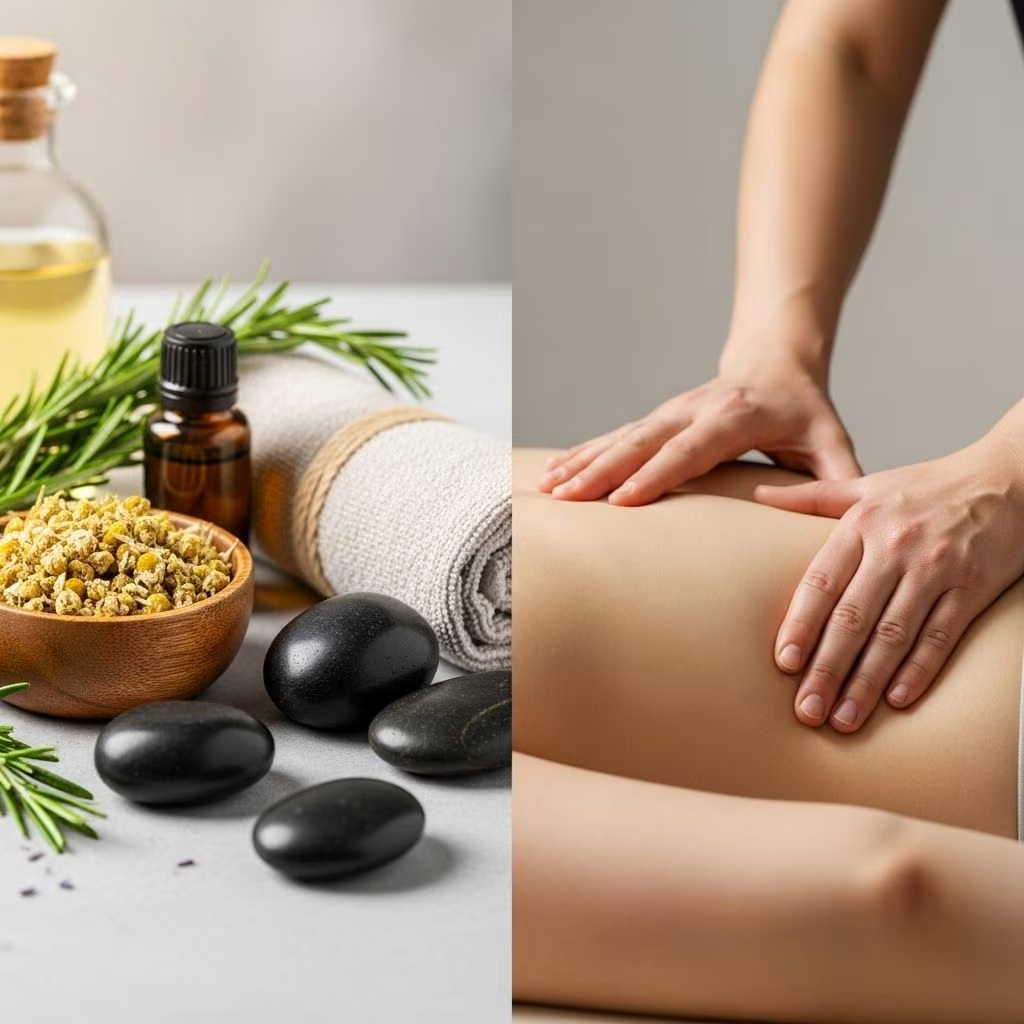
Natural Remedies and Chiropractic Approaches for Managing Back Pain
Back pain is a pervasive problem, affecting people from all walks of life and often diminishing quality of life, mobility, and mental wellbeing. While conventional medicine often relies on pharmaceuticals for symptom management, there is growing interest in natural remedies and chiropractic approaches that address the root causes of discomfort. This article explores a holistic framework for managing back pain, integrating natural therapies, lifestyle changes, and the evidence-based benefits of chiropractic care.
Understanding Back Pain: The Challenge and the Opportunity
Back pain can originate from a variety of causes—muscle strain, misalignment, herniated discs, poor posture, or chronic conditions such as arthritis. Recognizing the underlying source of pain is crucial for effective management. While severe or persistent back pain always warrants medical evaluation, many people can find significant relief through non-pharmaceutical, holistic strategies that aim to restore function and reduce discomfort without unwanted side effects.
The Role of Chiropractic Care
Chiropractic care is a core natural approach to back pain management. Chiropractors focus on diagnosing and treating musculoskeletal disorders, particularly those affecting the spine. Through techniques such as spinal adjustments, mobilization, and postural education, chiropractic care aims to:
- Restore proper spinal alignment
- Reduce nerve irritation
- Enhance joint mobility
- Improve muscular balance
- Encourage the body’s innate healing processes
Clinical evidence suggests that chiropractic adjustments can help relieve lower back pain, enhance range of motion, and reduce muscle tension. Many people experience improved function and diminished pain severity after a course of chiropractic treatment.
Complementary Therapies in Chiropractic Care
Chiropractors often combine adjustments with soft tissue therapies, exercise prescription, ergonomic advice, and lifestyle guidance to maximize recovery and reduce the risk of recurrent pain.
Natural Remedies for Managing Back Pain
In addition to chiropractic care, many people benefit from embracing natural remedies that support the body’s healing. Highlighted below are key non-pharmaceutical strategies for back pain management:
Herbal Remedies
Certain herbal therapies have a long-standing tradition in the management of pain and inflammation. While not a replacement for professional guidance, they can provide gentle, supportive relief for chronic and acute symptoms.
- Turmeric: Contains curcumin, a compound with powerful anti-inflammatory actions. Turmeric can be added to foods, taken as a supplement, or brewed into tea.
- Ginger: Widely recognized for its anti-inflammatory and analgesic properties. Drinking ginger tea or adding it to meals can offer ongoing support.
- Willow Bark: Contains salicin, which is chemically similar to aspirin, and has historically been used for pain management in the form of teas or capsules.
- Devil’s Claw: Studied for its ability to reduce pain and improve mobility in musculoskeletal conditions.
Before beginning any herbal regime, it’s important to consult with a healthcare provider to avoid drug interactions or adverse effects, especially if you take other medications.
Essential Oils and Aromatherapy
Essential oils are concentrated plant extracts deployed for their anti-inflammatory and calming effects. Top recommended oils for back pain include:
- Lavender Oil: Renowned for its calming effects, it reduces stress-related tension and can be massaged into sore muscles when diluted with a carrier oil.
- Peppermint Oil: Its cooling sensation helps numb acute discomfort and reduce inflammation when applied topically (after dilution).
- Eucalyptus Oil: Useful for easing muscle soreness; can be added to baths or used in warm compresses.
- Frankincense Oil: Offers anti-inflammatory action and can be a supportive addition to a pain-relief routine.
Always perform a skin patch test before regular use and consult your practitioner if you have allergies or chronic skin conditions.
Lifestyle Adjustments to Support Back Health
For long-term relief and prevention, consider these lifestyle changes as a foundation for back health:
1. Ergonomics and Posture
- Optimize your workspace with supportive chairs and correct desk heights.
- Avoid prolonged sitting; take breaks every 30-45 minutes.
- Practice good posture with shoulders relaxed, spine neutral, and feet flat on the floor.
2. Nutrition and Diet
- Integrate anti-inflammatory foods such as leafy greens, fatty fish (like salmon), berries, and nuts.
- Avoid highly processed foods, excess sugars, and pro-inflammatory saturated fats.
- Stay hydrated; dehydration can contribute to muscle stiffness.
3. Weight Management
- Maintain a healthy body weight to reduce strain on back muscles and joints.
- Engage in moderate exercise and regular movement to improve core strength and support the spine.
4. Sleep Hygiene
- Choose a medium-firm mattress to support spinal alignment.
- Establish a consistent sleep schedule; aim for at least 7-8 hours per night.
- Consider sleeping on your back with a pillow under your knees, or on your side with a pillow between your knees for optimal support.
Physical Therapies for Back Pain Relief
Movement is a cornerstone of back health. In addition to chiropractic adjustments, you can incorporate physical therapies and movement-based disciplines:
- Stretching: Daily stretching helps maintain flexibility, prevent stiffness, and improve blood flow to healing tissues.
- Strengthening: Core-strengthening exercises protect the spine. Focus on abdominal, hip, and back muscles.
- Yoga and Pilates: Promote balance, mobility, posture, and relaxation via mindful movement sequences.
- Aerobic Activities: Regular moderate-intensity exercises such as brisk walking, swimming, or cycling can enhance overall strength and reduce inflammation.
Heat and Cold Therapy
Alternating between heat and cold modalities is an effective, drug-free strategy for managing acute and chronic back pain:
- Cold therapy (Ice packs): Helps reduce inflammation and numb sharp pain. Apply within the first 24-72 hours of pain onset for 15-20 minutes at a time.
- Heat therapy (Heating pads, warm packs): Relaxes tight muscles, improves circulation, and soothes chronic discomfort. Apply for 20-30 minutes to the affected area as needed.
- Alternating hot and cold: This technique can be beneficial for persistent symptoms, switching between ice and heat every few hours throughout the day.
Mindfulness and Stress Reduction
Chronic back pain is often exacerbated by stress, which can trigger muscle tension and worsen perception of discomfort. Mindfulness-based therapies can play a supportive role in pain management:
- Meditation: Simple mindfulness meditation or guided imagery can help ‘reset’ pain perception and promote relaxation.
- Deep Breathing Techniques: Contributes to a state of calm and reduces muscle guard.
- Relaxation Exercises: Techniques such as progressive muscle relaxation help release tension in the back and elsewhere in the body.
Daily Self-Care Strategies
Long-term recovery from back pain requires a proactive approach to self-care:
- Listen to your body and avoid activities that repeatedly worsen your pain.
- Incorporate gentle movements even on “bad days” to prevent deconditioning.
- Ask your chiropractor or healthcare provider for individualized exercise recommendations.
Combining Natural Remedies with Chiropractic Approaches
The power of holistic back pain management lies in integrating various strategies tailored to your individual needs. Chiropractic care forms the foundation with spinal adjustments and postural training, while adjunctive therapies—herbal remedies, essential oils, physical therapies, heat/cold, nutrition, and mindfulness—work synergistically to reduce pain and speed healing.
Regular visits to a qualified chiropractor, in tandem with a natural, healthy lifestyle, can help resolve existing issues and build resilience to future pain episodes. For optimal safety and results, always collaborate with a healthcare provider when introducing new therapies.
Frequently Asked Questions (FAQs)
Q: Can chiropractic care help with all types of back pain?
A: Chiropractic care can be beneficial for many musculoskeletal causes of back pain, including muscle strains, misalignments, and some disc issues. Some underlying medical conditions require a multidisciplinary approach. Always consult with your chiropractor for a tailored assessment.
Q: Are natural remedies safe to use alongside conventional treatments?
A: Most natural remedies are safe, but drug interactions and health conditions can occur. It’s best to consult a healthcare provider before combining remedies with prescription medications or ongoing treatments.
Q: How long should I use heat or cold therapy?
A: Cold therapy is best used in the first 24-72 hours of acute injury, for 15-20 minutes per session. Heat therapy can be employed for 20-30 minutes on chronic or persistent pain. Alternate as needed for comfort, but avoid prolonged direct contact to prevent skin damage.
Q: What lifestyle changes are most effective for preventing back pain recurrence?
A: The most effective changes include maintaining a healthy weight, practicing proper posture and ergonomics, engaging in regular stretching and strengthening activities, and adopting a diet rich in anti-inflammatory foods.
Q: Which essential oils work best for back pain?
A: Lavender, peppermint, eucalyptus, and frankincense oils are commonly used for their anti-inflammatory or soothing properties. When diluted, they are generally well-tolerated, but be sure to patch-test and avoid known allergens.
Summary Table: Natural Remedies and Chiropractic Approaches
| Remedy/Approach | Mechanism | Benefits | Considerations |
|---|---|---|---|
| Chiropractic Adjustments | Restores spinal alignment, reduces nerve irritation | Relieves pain, improves function | Best when guided by a licensed chiropractor |
| Herbal Remedies | Anti-inflammatory, analgesic effects | Reduces pain, supports healing | May interact with medications; consult provider |
| Essential Oils | Soothes, reduces inflammation | Topical pain relief, relaxation | Always dilute; do a patch test |
| Heat/Cold Therapy | Reduces inflammation, relaxes muscles | Acute and chronic pain relief | Time application to avoid skin irritations |
| Physical Therapy/Exercise | Improves strength, flexibility | Prevents recurrence, enhances mobility | Choose exercises suited to your condition |
Final Thoughts on Holistic Back Pain Management
Back pain is often multifactorial and persistent, but by embracing a holistic, natural approach and leveraging the expertise of chiropractic practitioners, individuals can regain control, reduce distress, and restore a higher quality of life. Collaborate with your chiropractic and healthcare team to design the best plan tailored to your unique needs.
References
- https://peakportland.com/what-natural-remedies-alleviate-chronic-back-pain/
- https://chiropracticfitness.com/what-natural-remedies-alleviate-chronic-back-pain/
- https://www.spine-health.com/blog/7-ways-relieve-back-pain-naturally
- https://www.paragonssw.com/10-natural-sciatic-nerve-pain-relief-options-chiropractor/
- https://frederickchiro.com/7-natural-therapies-that-complement-chiropractic/
- https://cityviewchiropractor.com/10-best-treatments-for-lower-back-pain-relief/
- https://stvincents.org/about-us/news-press/news-detail?articleId=53177&publicid=745


