


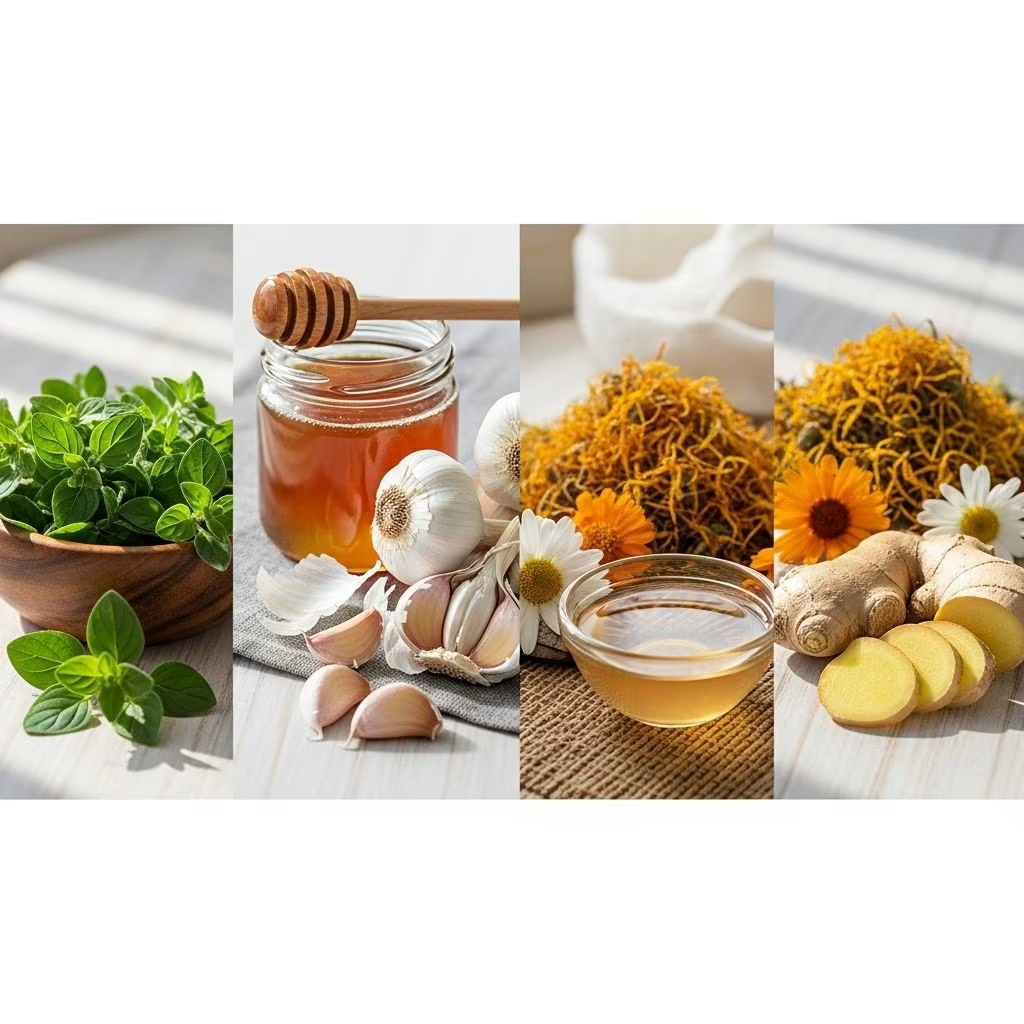
5 Natural Remedies for Sick Chickens: Safe and Effective Home Approaches
Raising backyard chickens can be a rewarding endeavor, but it also comes with the responsibility of ensuring the health and wellbeing of your flock. When a chicken falls ill, many poultry keepers seek gentle, natural alternatives to harsh medications. Natural remedies can offer relief, complementing veterinary care and sometimes even preventing common diseases. This article covers five tried-and-tested natural remedies for sick chickens, safety tips, and supplementary advice for fostering a healthy flock.
Understanding Chicken Illnesses: Prevention and Early Action
Chickens are hardy by nature but are susceptible to various illnesses caused by viruses, bacteria, parasites, or poor management. While prompt veterinary consultation is always advised for serious or persistent symptoms, home care and natural remedies can be valuable for mild cases or as supportive treatments. Some common symptoms of illness in chickens include:
- Lethargy or unsteady walking
- Lack of appetite and weight loss
- Diarrhea or unusual droppings
- Sneezing, coughing, or nasal discharge
- Ruffled feathers or poor condition
Early detection, isolation, and supportive care are the first steps to minimize the risk of disease spreading through your flock.
1. Garlic: The All-Round Immune Booster
Garlic has long been used in poultry keeping due to its broad spectrum of benefits. It possesses antibacterial, antiviral, antifungal, and antiparasitic properties, making it a staple for boosting overall chicken health.
- Immune Support: Garlic can help fortify chickens’ immune responses, especially during times of stress or exposure to pathogens.
- How to Use:
- Add 1-2 crushed garlic cloves to each litre of drinking water. Begin with a small amount to acclimate your chickens to the taste, then slowly increase as tolerated.
- Alternatively, mix finely chopped raw garlic into feed (no more than 1-2 cloves per bird per week to avoid digestive upset).
- Notes: Excessive garlic may affect the taste and odor of eggs. While largely anecdotal, some keepers believe garlic can repel parasites.
2. Apple Cider Vinegar: Gut Health and Beyond
Apple cider vinegar (ACV) is one of the most widely recommended home remedies for chickens. Its mild acidity, mineral content, and probiotic qualities may help balance the gut flora, discourage harmful bacteria, and support recovery from mild digestive upsets.
- General Benefits: ACV can promote healthy digestion and may assist in controlling internal parasites.
- How to Use: Add one tablespoon of raw, unfiltered ACV per gallon (approx. 4 litres) of fresh water. Use for five days at a time, then offer plain water for several days before repeating as needed.
- Precautions: Avoid using ACV in metal drinkers, as the acid can react and release harmful substances into the water.
Tip: Many poultry keepers incorporate ACV into the flock’s water routinely, particularly during periods of stress, molting, or after antibiotic treatments to help restore gut balance.
3. Herbal Remedies: Nature’s Healing Power
Herbs have been cultivated for centuries for their medicinal effects, and several can be safely offered to chickens in moderation.
Cinnamon
- Benefit: Rich in antioxidants, cinnamon may help control diarrhea and support gut health.
- How to Use: Sprinkle a small pinch of ground cinnamon on wet or fermented feed.
Oregano
- Benefit: Oregano contains natural antibiotic properties and may help ward off respiratory and digestive issues.
- How to Use: Use fresh oregano leaves as a treat, or add a few drops of oregano oil (well-diluted) per gallon of water, but use caution—never overdose essential oils.
Parsley
- Nutrition Booster: Parsley offers vitamins A, C, E, K and minerals that may strengthen chickens’ immune systems.
- How to Use: Offer fresh parsley as a snack or chop and mix with feed.
Other Useful Herbs
- Sage, Chamomile: Promote calmness and may discourage some parasites.
- Milk Thistle: Traditionally used to support liver health; can be offered as a supplement if available.
- Eucalyptus Oil: When diluted (never use full-strength oils internally), can be sprayed on coop bedding to help deter external parasites and freshen the air.
Note: Always introduce new herbs gradually, and monitor your flock for any adverse reactions. Consult a poultry veterinarian before using medicinal herbs to treat diagnosed disease.
4. Epsom Salts: Detoxifying and Digestive Aid
Epsom salts (magnesium sulfate) have been traditionally used as a mild laxative and to relieve certain types of poisoning or crop issues in chickens.
- Constipation & Crop Issues: Dissolve a small amount (about 1 teaspoon per cup) in warm water. Offer carefully with a syringe, only if you are sure the bird has a blocked or sour crop. Always consult a vet if unsure.
- Detoxification plus Foot Soaks: Epsom salt baths can relieve foot sores or mild bumblefoot (soak for 10-15 minutes; never allow chickens to drink the bath water).
- Precautions: Overuse may cause life-threatening dehydration.
Do not administer Epsom salts repeatedly or without guidance, as improper use can harm rather than help your chickens.
5. Diatomaceous Earth (Food Grade): Parasite Prevention
Food-grade diatomaceous earth (DE) is a fine powder made from fossilized algae. It contains silica, which is abrasive to the exoskeletons of insects and mites but safe for your flock when used properly.
- External Parasites: Add a thin layer of DE to dust bath areas in the chicken run. Chickens will naturally coat themselves during dust bathing, helping deter mites and lice.
- Coop Application: Sprinkle DE around bedding, corners, and perches to discourage insect infestations. Always use a mask to avoid inhaling dust.
- Internal Parasites: There is limited scientific evidence for internal use. If desired, mix a very small amount (around 2% by feed weight) into their feed. Avoid overuse, and use only food-grade DE.
Warning: Inhalation of fine DE dust can cause respiratory irritation. Apply sparingly and in well-ventilated areas.
Other Supportive Home Remedies and General Care Tips
In addition to the primary five remedies, experienced keepers sometimes employ the following approaches to complement recovery:
- Honey: Natural antibacterial properties make honey useful in treating minor wounds or as a mild anti-inflammatory for mild swelling. Dab a small amount on affected areas (never put directly in feed for young chicks due to risk of botulism).
- Molasses Flush: As a gentle laxative, a molasses flush (a few tablespoons of molasses in several liters of drinking water) can help expel mild toxins or digestive sluggishness. Only use as a one-off, as excessive use may cause diarrhea.
- Coconut Oil and Watermelon Mash: For impacted crops, blending coconut oil or olive oil with mashed watermelon can encourage self-eating and mild lubrication. Massage the crop gently and consult a vet for serious cases.
- Acidified Water (White Vinegar): Sometimes used instead of ACV to acidify the crop and prevent fungal growth; use with caution and alternate with regular water.
Essential Steps When Caring for Sick Chickens
Natural remedies work best as supportive therapies. To enhance their effect and give your chicken the best chance of recovering, always follow these key steps:
- Isolation: Immediately separate any sick or injured birds to prevent disease spread and make monitoring easier.
- Clean Environment: Ensure the coop, nesting boxes, feeders, and waterers are thoroughly cleaned and disinfected.
- Temperature and Shelter: Provide warmth, protection from drafts, and a quiet place for rest.
- Hydration: Make sure the chicken is drinking plenty of clean water; dehydration can worsen any illness.
- Palatable Food: Offer favorite foods, scrambled eggs, soaked feed, or nutritious soft mash to encourage eating.
- Consult a Vet: Home remedies are not substitutes for veterinary advice. Consult a poultry vet for any rapidly worsening or unresponsive cases.
Table: Comparison of Common Natural Remedies
| Remedy | Main Use | Form & Dosage | Precautions |
|---|---|---|---|
| Garlic | Immune boost, parasite control | Crushed in water or mixed in feed (1–2 cloves/bird/week) | May affect egg taste, strong flavor can deter some birds |
| Apple Cider Vinegar | Gut health, mild disinfection | 1 tbsp per gallon of water | Avoid metal drinkers; don’t overuse |
| Epsom Salts | Laxative, crop flush, foot soaks | 1 tsp per cup in water (administer carefully) | Risk of dehydration when misused |
| Diatomaceous Earth | Parasite prevention (external) | Dust bath additive, light sprinkle in bedding | Inhale with caution, food-grade only |
| Herbs (Oregano, Parsley, Cinnamon) | Support immunity, calm, digestion | Fresh or dried, mixed in feed or water (sparingly) | Introduce gradually, monitor for reactions |
Frequently Asked Questions (FAQs) About Natural Remedies for Sick Chickens
Q: Can I use natural remedies as a substitute for veterinary care?
No. While home remedies can provide supportive care, they are not substitutes for professional veterinary diagnosis and treatment. Always consult a vet for persistent or severe illnesses.
Q: How much garlic is safe for my chickens?
Limit to 1–2 small cloves per bird weekly, either crushed in water or finely chopped in feed. Start with even less to check tolerance and avoid sudden changes.
Q: Is apple cider vinegar safe to use every day?
It’s best used in three- to five-day cycles. Provide plain water in between and always avoid using it in metal containers to prevent harmful chemical reactions.
Q: Can I treat mites and lice with diatomaceous earth alone?
DE can help control external parasites when added to dust baths and coop bedding, but it’s rarely 100% effective alone. Always use food-grade DE and avoid dust inhalation.
Q: What should I do first if a chicken seems ill?
Isolate the sick chicken from the flock, provide warmth and clean water, and check for injuries or obvious problems. Observe closely and contact a poultry vet promptly.
Conclusion: Gentle Care for a Healthier Flock
Natural remedies are valuable tools in every poultry keeper’s arsenal, supporting recovery and fostering resilient flocks. By combining these gentle treatments with regular monitoring, cleanliness, and prompt veterinary assistance, chicken keepers ensure their birds stay happy, healthy, and productive. Always approach home care with caution, and remember: when in doubt, consult an avian veterinary professional for guidance.
References
- https://www.thechickentractor.com.au/natural-treatments-for-chicken-diseases/
- https://www.bhwt.org.uk/blog/health-welfare/home-remedies-for-hens/
- https://ourwayoflife.co.nz/6-home-remedies-for-a-sick-chicken-reduce-swelling-with-honey-use-molasses-as-a-laxative-acidify-the-crop-with-white-vinegar/
- https://homesteadingfamily.com/poultry-diseases-common-to-the-homestead/
- https://www.freedomrangerhatchery.com/blog/take-these-5-crucial-steps-to-help-treat-your-sick-chickens/
- https://www.youtube.com/watch?v=BNi-nIMKWUY&vl=en
- https://thefewellhomestead.com/8-common-chicken-illnesses-how-to-treat-them/
- https://www.youtube.com/watch?v=GUMbESnoc74


