


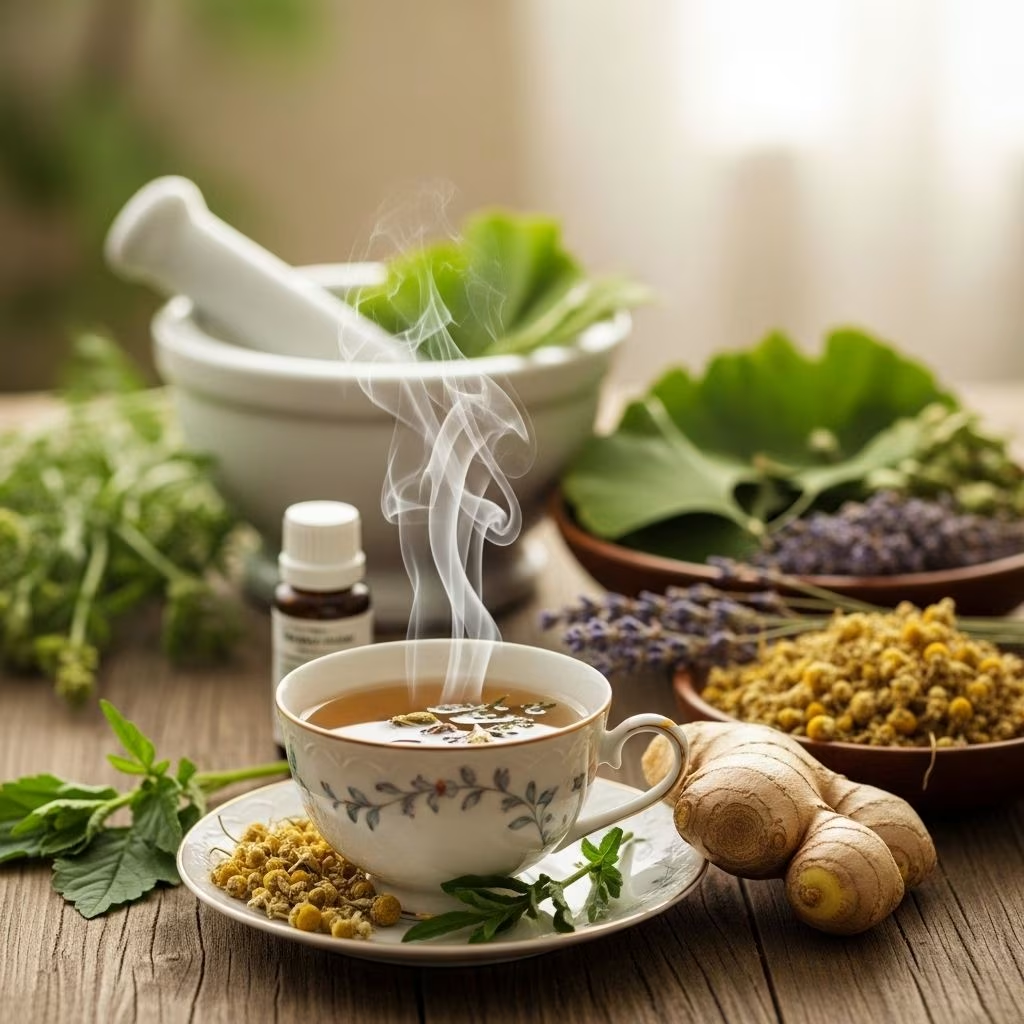
5 Natural Remedies for Treating Vertigo: Effective Herbal and Holistic Relief
Vertigo, a disorienting sensation where you or your surroundings seem to spin uncontrollably, can disrupt your daily life. While medical interventions are sometimes necessary, many people seek natural remedies to support balance and reduce dizziness. This comprehensive guide explores five of the best herbal and lifestyle-based solutions, offering hope and practical advice for anyone affected by vertigo and related dizziness.
Understanding Vertigo
Before exploring remedies, it’s important to understand vertigo’s underlying nature. Vertigo is not a condition itself, but rather a symptom — frequently described as a spinning sensation or loss of balance. It stems from dysfunction in the inner ear, brain, or sensory nerve pathways controlling equilibrium, and can be caused by:
- Benign Paroxysmal Positional Vertigo (BPPV): The most common culprit, caused by calcium buildup in the inner ear.
- Vestibular neuritis: Inflammation of the vestibular nerve, often due to a viral infection.
- Labyrinthitis: Inflammation in the labyrinth, the inner ear structure vital for balance.
- Meniere’s disease: A chronic condition causing pressure and fluid changes inside the ear.
- Vestibular migraine or other head injuries.
Common triggers may include turning your head quickly, changing body position, or external stress factors. Identifying the source with a healthcare professional is vital, but these natural solutions can also be used to complement medical guidance.
1. Ginkgo Biloba: The Brain and Balance Booster
Ginkgo biloba is an ancient herbal remedy, long valued in traditional medicine for its effects on memory, circulation, and brain health. Research now points to its specific benefits for vertigo relief:
- Improves cerebral circulation, enhancing blood flow to the brain and inner ear, which helps reduce dizziness.
- Antioxidant properties help combat oxidative stress, a potential contributor to vertigo symptoms.
- Some studies suggest ginkgo may be as effective as conventional vertigo medication for some people.
How to use:
- Supplements: Available as capsules, tablets, or standardized liquid extracts.
- Herbal teas: Some blends include ginkgo leaf as a key ingredient.
Safety tip: Always consult your healthcare provider before introducing ginkgo, especially if you take blood thinners, as ginkgo can increase bleeding risk. Choose high-quality, third-party-tested supplements.
2. Ginger Root: Nature’s Remedy for Nausea and Imbalance
Ginger root is a well-known natural remedy for nausea, motion sickness, and indigestion. Recent studies suggest it offers several advantages for those suffering from vertigo:
- Alleviates dizziness and spinning by supporting digestive function and circulation.
- Its active compounds, gingerols and shogaols, possess anti-inflammatory effects which can help with inner ear inflammation.
- May be as effective as over-the-counter anti-nausea medications for relief of dizziness-related symptoms.
How to use:
- Prepare a ginger tea by steeping sliced fresh ginger in boiling water for several minutes. Add honey and lemon for taste.
- Try ginger capsules or lozenges available at health food stores.
Safety tip: Ginger is generally considered safe for most adults but consult your physician if pregnant, on blood thinners, or experiencing chronic gastrointestinal conditions.
3. Peppermint: Soothing Headaches and Easing Motion Sickness
Peppermint offers rapid relief for symptoms commonly associated with vertigo, such as headaches, nausea, and motion sickness. Here’s why it works:
- Menthol, its primary compound, relaxes muscles and improves blood flow to the brain and inner ear.
- Its calming aroma can help ease anxiety and disorientation during vertigo spells.
- Peppermint tea is widely used to soothe the digestive tract and reduce sensations of queasiness.
How to use:
- Brew a peppermint herbal tea with fresh or dried leaves.
- Use peppermint essential oil in a diffuser, or inhale gently during dizziness. Never apply undiluted oil to the skin.
Safety tip: Peppermint oil may not be suitable for infants or those with specific respiratory problems. Avoid large quantities if you have acid reflux.
4. Turmeric and Black Pepper: Dynamic Duo for Reducing Inflammation
Turmeric, widely used in Asian cuisines and herbal medicine, contains curcumin, a powerful anti-inflammatory and antioxidant compound. Inflammation in the inner ear is a common cause of vertigo, so turmeric may offer relief by:
- Reducing swelling in the inner ear, supporting overall ear and brain health.
- Protecting neural pathways from oxidative stress, which is linked to dizziness and disorientation.
However, curcumin is poorly absorbed alone. Black pepper contains piperine, dramatically increasing the absorption of curcumin and enhancing turmeric’s health benefits.
How to use:
- Add turmeric and a few black pepper flakes to soups, smoothies, or teas.
- Look for curcumin supplements that already contain piperine to maximize benefits.
Safety tip: Both turmeric and black pepper are generally safe in food amounts. Speak with your doctor before using high-dose supplements, especially if you have gallbladder disease or take medication affecting blood clotting.
5. Rooibos: The Caffeine-Free Antioxidant Infusion
Rooibos (Aspalathus linearis) is a fragrant, naturally caffeine-free herbal tea renowned for its antioxidant and magnesium content:
- Rich in quercetin and other flavonoids, supporting healthy circulation and reducing inflammation linked to vertigo.
- Contains magnesium, supporting nerve function and muscle relaxation, both critical for balance and coordination.
- Calming effects make it an excellent base for blends targeting stress-induced or anxiety-driven vertigo.
How to use:
- Brew rooibos as you would black or green tea – steep in hot water for 5-7 minutes.
- Combine with ginger, peppermint, or turmeric for a powerful anti-dizziness tea blend.
Safety tip: Rooibos is safe for most people and does not contain caffeine, making it suitable for nighttime use. Rarely, allergies may occur.
Lifestyle Strategies for Managing Vertigo
In addition to herbal remedies, several lifestyle adjustments can make a substantial difference in vertigo frequency and severity:
- Stay Hydrated: Dehydration can exacerbate dizziness. Aim for at least 8 cups of water a day.
- Prioritize Sleep: Insufficient or poor-quality sleep is associated with both migraines and balance disorders. Maintain regular sleeping hours and practice good sleep hygiene.
- Practice Stress Reduction: Stress is a known trigger, especially for conditions like Meniere’s disease and vestibular migraines. Mindful relaxation, meditation, and breathing exercises are helpful.
- Try Gentle Exercise: Yoga and tai chi are shown to improve balance, strength, and general well-being; simple vestibular rehabilitation maneuvers may also help.
- Ensure Vitamin D Intake: Vitamin D deficiency can worsen vertigo, especially BPPV. Consider moderate sun exposure or supplements after consulting your healthcare provider.
Vertigo Relief Herbal Tea Recipe
Harness the healing power of several remedies with this easy-to-make herbal tea blend:
- 1 teaspoon dried rooibos
- ½ teaspoon dried ginkgo biloba
- 1-2 slices fresh ginger
- ½ teaspoon dried peppermint
- ¼ teaspoon ground turmeric (with a sprinkle of black pepper for absorption)
Instructions:
- Combine all herbs in a teapot or infuser.
- Pour 2 cups boiling water over the mixture.
- Steep for 10 minutes, then strain and drink warm. Add honey and lemon for flavor if desired.
When to See a Doctor
While herbal and lifestyle remedies can support balance and recovery, certain vertigo symptoms warrant immediate medical attention:
- Sudden, severe, or persistent dizziness
- Vertigo accompanied by chest pain, difficulty speaking, sudden hearing loss, severe headache, fainting, or difficulty walking
- Vertigo following head or neck injury
Such symptoms could indicate a more serious neurological or cardiovascular condition and should not be ignored.
Frequently Asked Questions (FAQs)
Q: Are herbal remedies safe for chronic vertigo?
A: Most herbal remedies like ginger and ginkgo biloba are considered safe in moderate amounts for adults, but it’s crucial to consult a healthcare provider before starting any new supplement, especially if you have underlying health conditions or are taking medication.
Q: How long does it take for natural remedies to relieve vertigo?
A: The timeframe for symptom improvement varies by individual and the root cause of vertigo. Some may feel relief after several days, while others may experience gradual improvement over weeks or months of consistent use.
Q: What dietary factors can make vertigo worse?
A: Diets high in sodium, caffeine, or alcohol may worsen symptoms, especially in Meniere’s disease. Staying hydrated and eating a balanced diet rich in antioxidants and essential nutrients supports overall vestibular health.
Q: Can I use multiple natural remedies at once?
A: Blending compatible herbs such as ginger, peppermint, and rooibos is generally safe in tea. However, always introduce new remedies one at a time to monitor reactions, and consult your doctor about potential interactions.
Q: Is vertigo a sign of serious illness?
A: Vertigo often results from benign inner ear disorders but can sometimes signal more serious conditions such as neurological or cardiovascular diseases. Persistent, severe, or unusual symptoms should always be evaluated by a medical professional.
Quick Reference Table: 5 Natural Remedies for Vertigo
| Remedy | Key Benefit | How to Use | Safety Note |
|---|---|---|---|
| Ginkgo Biloba | Improves circulation and brain health | Capsules, teas, or liquid extracts | May interact with blood thinners |
| Ginger Root | Reduces nausea and inflammation | Fresh tea, supplements, or lozenges | Generally safe; consult if pregnant |
| Peppermint | Relieves nausea and headaches | Tea, aroma diffuser, essential oil | Use caution with infants, reflux |
| Turmeric & Black Pepper | Reduces inflammation | Spices, teas, supplements | Avoid high doses if gallbladder issues |
| Rooibos | Boosts antioxidants and magnesium | Herbal tea | Rare allergies possible |
Incorporating these evidence-informed remedies into your daily routine, alongside practices such as hydration, relaxation, and balanced nutrition, may help you find lasting relief from vertigo and restore a sense of stability to your life.
References
- https://www.healthline.com/health/home-remedies-for-vertigo
- https://www.webmd.com/brain/home-remedies-vertigo
- https://www.lineurology.com/vertigo-treatment-at-home-remedies-vertigo-treatment-in-rockville-centre-ny/
- https://resources.healthgrades.com/right-care/brain-and-nerves/vertigo-home-remedies
- https://fullleafteacompany.com/blogs/news/organic-vertigo-relief-tea-of-the-week-2025
- https://www.goodrx.com/conditions/vertigo/how-to-treat-vertigo-at-home
- https://www.youtube.com/watch?v=4CaQV2TRNW8


