


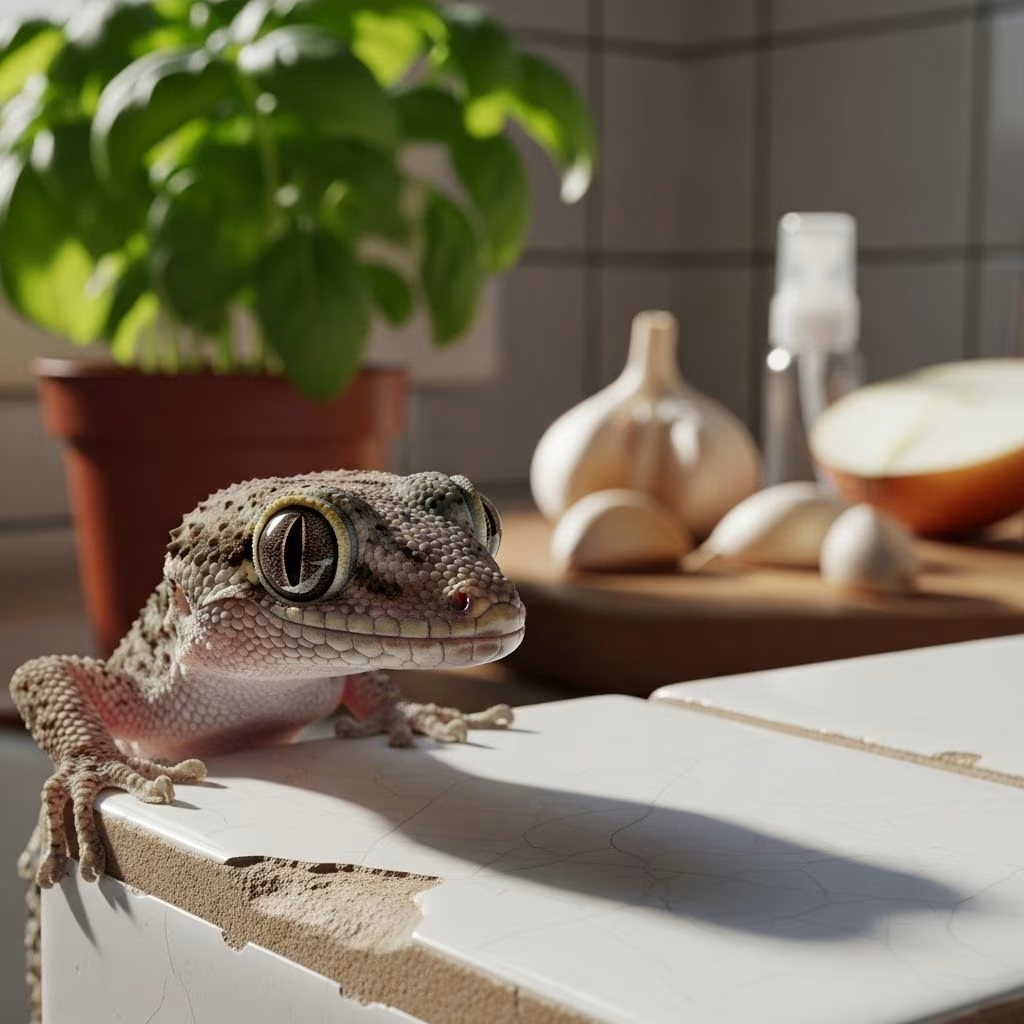
5 Effective Home Remedies to Get Rid of Wall Geckos Naturally
Wall geckos, though generally harmless, can be an unsettling presence in many homes. These small lizards are known for their nocturnal activity, distinctive chirping, and quick movements across walls and ceilings. While geckos feed on insects like mosquitoes and moths, their droppings can stain surfaces and their presence can cause discomfort, especially for those who prefer a lizard-free environment. Fortunately, there are natural home remedies that can help eliminate wall geckos effectively and humanely, without the use of harsh chemicals.
This article details five proven remedies for ridding your home of wall geckos, offering practical guidance, step-by-step instructions, and preventative tips to keep your living space pest-free.
Understanding Wall Geckos: An Overview
Wall geckos (also known as house geckos) are small, cold-blooded reptiles that thrive inside human dwellings, particularly in tropical and subtropical climates. They are drawn indoors by warmth, moisture, and—most importantly—a supply of insects.
- Appearance: Slender-bodied, soft-skinned lizards, typically gray or brown, with large eyes and adhesive toe pads.
- Habits: Nocturnal, often hiding during the day behind furniture, wall hangings, or in cracks and crevices.
- Diet: Feed on household pests such as flies, moths, mosquitoes, and cockroaches.
- Concerns: While not dangerous, their droppings and sudden movements can be a nuisance.
Controlling wall geckos often involves not just direct measures, but also reducing their food supply and access points into the home.
1. Use Onion and Garlic as Natural Repellents
Both onion and garlic are renowned for their strong, pungent smells, which serve as effective natural repellents against wall geckos. Geckos dislike these odors, making them less likely to linger in treated areas.
- Onion Method:
- Cut a fresh onion into several slices.
- Place the slices on small plates or open containers near common gecko entry points—such as windowsills, doorways, and corners where you frequently spot geckos.
- Refresh the onion slices every 2–3 days for maximum effectiveness.
- Garlic Method:
- Peel several cloves of garlic and crush them lightly to release their aroma.
- Position crushed garlic cloves at strategic locations—behind appliances, near cracks, under sinks, or on windowsills.
- An alternative is to create a simple garlic spray: soak crushed cloves in water for several hours, strain, and spray the solution on gecko-prone surfaces.
Replace onions and garlic regularly to maintain a strong repellent effect. Both methods are safe, non-toxic, and easy to implement with everyday kitchen ingredients.
2. The Egg Shell Method
Broken eggshells are a popular home remedy reputed to scare off wall geckos. This method leverages geckos’ instinctual fear of larger predators, as eggshells may resemble the presence of birds or snakes—natural enemies to lizards.
- Save eggshells after cooking and rinse them to remove any residue.
- Allow the shells to fully dry before use.
- Place half or quarter eggshells in key locations where geckos are seen—windowsills, shelves, and entryways—but avoid crushing the shells.
- Do not break the eggshells into small pieces; their appearance as intact halves is crucial to trigger the gecko’s fear response.
- Replace eggshells every two weeks or whenever they start breaking down.
This method is safe and cost-free, utilizing common kitchen waste, though its effectiveness can vary depending on local gecko populations and home environments.
| Remedy | Ease of Use | Safety | Effectiveness |
|---|---|---|---|
| Onion & Garlic | Very Easy | Non-Toxic | Moderate to High |
| Egg Shells | Very Easy | Non-Toxic | Varies by Household |
| Pepper Spray | Easy | Use Carefully | High (Repellent, Not Harmful) |
| Mothballs | Easy | Keep Away from Children/Pets | High |
3. Homemade Pepper Spray
Another effective solution to repel wall geckos is a homemade pepper spray. The capsaicin in pepper irritates lizards, driving them away from treated areas without causing harm if used properly.
- Ingredients: Hot chili peppers (fresh or dried), water, and a spray bottle.
- Method:
- Boil a handful of chopped chili peppers in about one liter of water for 10–15 minutes.
- Allow the mixture to cool, then strain using a fine mesh sieve or cloth.
- Pour the pepper-infused water into a clean spray bottle.
- Spray onto walls, corners, windowsills, and other areas where geckos linger. Avoid direct application on food surfaces or where children and pets are frequently present.
Repeat application every few days for persistent gecko problems. Always wash hands after handling chili peppers and avoid contact with eyes and skin.
4. Deploy Mothballs Strategically
Mothballs (naphthalene balls) are a powerful store-bought gecko repellent due to their potent smell, which wall geckos strongly dislike. While effective, mothballs should always be used with caution because of their chemical properties.
- Usage Guidelines:
- Place mothballs in small containers or pouches and position them in gecko-prone areas — dark corners, behind shelves, and under furniture.
- Do NOT place mothballs on kitchen counters, food storage spaces, or anywhere accessible to children and pets.
- Replace mothballs as their smell fades, typically every 2–4 weeks.
- Safety Warning: Prolonged or excessive exposure to mothball fumes can be harmful. Avoid direct skin contact and ensure good ventilation in treated rooms.
Mothballs should be considered a last line of defense or reserved for areas where natural remedies have proven insufficient.
5. Reduce Insect Food Sources
Since wall geckos feed primarily on insects, one of the most effective long-term strategies to get rid of them is reducing the insect population in and around your home.
- Keep areas clean: Remove crumbs, food residues, and clutter that attract insects.
- Fix leaky pipes and faucets: Moisture attracts both insects and geckos; promptly repair all leaks.
- Seal entry points: Use caulk or copper mesh to block cracks, holes, and gaps in doors, windows, and walls.
- Install fine-mesh screens: On windows and vents to keep both insects and geckos outside.
- Use insect-repellent lighting: Swap out regular outdoor bulbs for yellow “bug lights” that are less attractive to flying insects.
- Take out the trash regularly: Dispose of food waste promptly to avoid attracting pests.
By minimizing available food sources, you make your home much less appealing to wall geckos.
Additional Tips for Lasting Gecko Prevention
- Regular cleaning: Sweep, mop, and dust regularly to avoid creating hiding spaces for geckos and their prey.
- Declutter storage areas: Boxes, newspapers, and unused items create inviting hideouts for both insects and geckos; keep these areas neat.
- Trim outdoor vegetation: Maintain gardens and shrubbery away from house walls to reduce outdoor hiding spots and entryways.
- Check for gaps: Periodically inspect your home’s exterior and interior for new gaps or cracks, sealing them promptly.
Consistent application of these preventive routines, combined with the remedies detailed above, ensures that geckos are not only driven away but are far less likely to return.
Frequently Asked Questions (FAQs)
Q: Are wall geckos dangerous to humans?
A: No, wall geckos are not venomous or dangerous to humans. They can, however, be a nuisance with their droppings and presence in living spaces.
Q: How often should I replace onions, garlic, and eggshells used as repellents?
A: For best results, replace onion and garlic slices every 2–3 days, and eggshells every one to two weeks or sooner if they become crushed or decayed.
Q: Is it safe to use mothballs in homes with children and pets?
A: Use mothballs only in inaccessible locations, as they contain chemicals that can be harmful if ingested or inhaled persistently. Stick to safer remedies for areas frequented by children and pets.
Q: Can I trap geckos and release them outside?
A: Yes, glue boards or improvised box traps can capture geckos unharmed. Release them away from your home if possible, but be sure to handle gently and avoid direct contact.
Q: Why do geckos keep coming back even after being driven out?
A: Persistent gecko issues usually indicate an ongoing insect infestation or easy access points. Address both to ensure lasting results.
Summary Table: Five Home Remedies at a Glance
| Remedy | How It Works | Recommended Use |
|---|---|---|
| Onion & Garlic | Repels geckos with pungent smell | Place slices near entry points and hiding spots |
| Egg Shells | Scares geckos by mimicking natural predators | Leave intact eggshell halves near windows and doors |
| Pepper Spray | Capsaicin irritates lizards, deterring entry | Spray on gecko-prone walls and corners |
| Mothballs | Powerful chemical odor repels geckos | Use only in inaccessible places for safety |
| Reduce Insect Food | Removes geckos’ primary attraction: insects | Clean, declutter, fix leaks, and seal cracks |
Conclusion
While wall geckos can help control pests, their presence indoors is rarely welcomed. Utilizing these natural home remedies, combined with prudent home maintenance and cleanliness, can effectively drive geckos away and keep your environment comfortable and hygienic. For persistent infestations, consider professional pest control for a comprehensive solution.


