


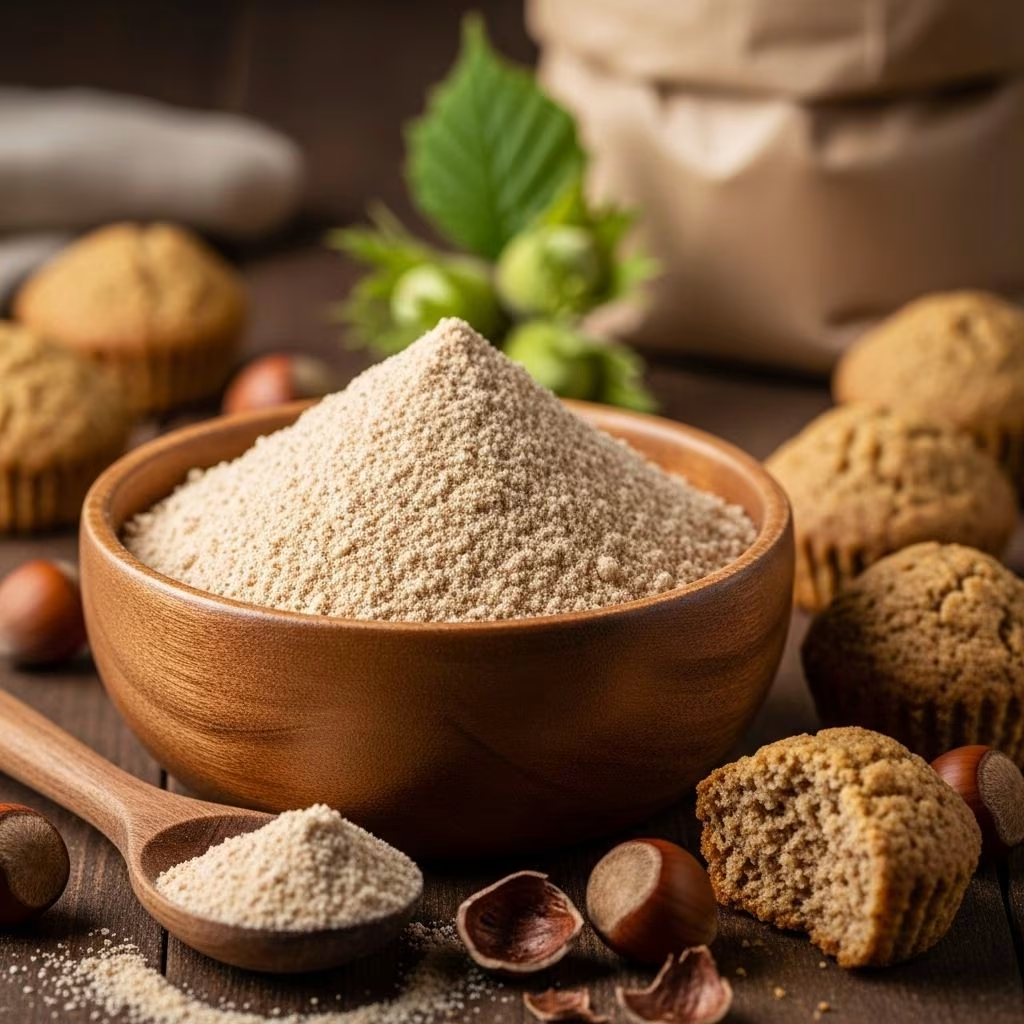
Hazelnut flour is gaining popularity among bakers and health-conscious cooks worldwide. Offering a rich, nutty flavor and a robust nutritional profile, it is a go-to ingredient for gluten-free and grain-free baking. This comprehensive guide explores the multiple uses of hazelnut flour in the kitchen, suggests reliable substitutes, and provides an in-depth look at its nutritional content. Whether you’re a seasoned baker, new to gluten-free living, or searching for wholesome ingredients, hazelnut flour presents versatile, delicious choices.
What is Hazelnut Flour?
Hazelnut flour is made by grinding whole hazelnuts into a fine or coarse powder. Unlike hazelnut meal—sometimes confused with the flour—hazelnut flour is typically finer and retains more oil, resulting in a moist and rich texture ideal for baking. The flour is naturally gluten-free, making it a favorite for those with gluten intolerance or celiac disease. Its deep, buttery flavor complements both sweet and savory recipes and adds a unique twist to traditional baked goods.
Baking Uses of Hazelnut Flour
Hazelnut flour’s delightful flavor and texture provide versatility in various baked goods. Here are the most common uses:
- Cookies: Hazelnut flour pairs wonderfully with chocolate, spices (such as cinnamon or nutmeg), and vanilla. It yields cookies with moist, tender centers and crisp edges, often enhanced with a chocolate drizzle or coarse sea salt for contrast.
- Cakes and Cupcakes: Its natural sweetness and tenderness make it a favored ingredient for cakes—especially chocolate, nut-based, or olive oil cakes. Hazelnut flour creates moist crumb structures and elevates flavors in gluten-free and dairy-free recipes.
- Pies and Tart Crusts: When used in crusts for tarts, cheesecakes, or chocolate pies, hazelnut flour brings a crunchy, aromatic base that complements fruity or creamy fillings.
- Breads and Muffins: Though it doesn’t provide the same rise as wheat flour, it’s perfect for dense baked goods like quick breads, muffins, and scones, adding moisture and nutty undertones.
- Brownies and Blondies: Hazelnut flour enhances the fudgy quality of brownies and blondies with its inherent oils and subtle sweetness. It pairs especially well with chocolate and caramel.
- Breakfast Foods: Pancakes and waffles made with hazelnut flour are naturally gluten-free, nutty, and delicious—an ideal choice for a healthy breakfast or brunch.
- Financiers and Biscotti: Hazelnut flour is a classic ingredient in French financiers and Italian biscotti, where its flavor and texture shine through.
Tips for Baking with Hazelnut Flour
Hazelnut flour’s unique composition means a few adjustments are needed for optimal baking results:
- Handle with Care: Due to its higher fat content, hazelnut flour can result in denser, moister baked goods. Reduce added butter or oil to prevent overly greasy outcomes.
- Combine with Other Flours: For lighter textures or better structure, mix hazelnut flour with other gluten-free flours such as almond, coconut, or oat flour.
- Increase Eggs or Binding Agents: For structure in the absence of gluten, add extra eggs or a quarter teaspoon of xanthan gum per cup of flour. Eggs provide lift and cohesiveness.
- Do Not Overmix: Overmixing can release too much oil, causing baked goods to become heavy and dense.
- Storage Matters: Hazelnut flour can spoil quickly; store it in the freezer or fridge in an airtight container to prolong freshness.
Popular Hazelnut Flour Recipes
Incorporate hazelnut flour into beloved treats, or try it in new gluten-free recipes. Here are a few favorites:
- Hazelnut Pancakes: Light and fluffy, these are often made by blending hazelnut and almond flour, eggs, milk (dairy or non-dairy), and a touch of honey or maple syrup for sweetness. Serve with fresh fruit or yogurt for a nourishing breakfast.
- Hazelnut Flour Cookies: Gluten-free cookies boasting rich hazelnut flavor, sometimes adorned with chocolate drizzles and a sprinkle of sea salt. Their soft centers and crisp edges are irresistible.
- Hazelnut Olive Oil Cake: Moist, rustic, and dairy-free cake that highlights the nutty flavor. Perfect for celebrations or afternoon tea.
- Gluten-Free Quick Breads: Combine hazelnut flour with buttermilk, eggs, and leavening to create dense, aromatic loaves.
- Hazelnut Tart and Pie Crusts: Blend hazelnut flour into tart shells for cheesecakes or fruit tarts for extra crunch and depth.
Sample Recipe: Hazelnut Flour Pancakes
| Ingredient | Amount |
|---|---|
| Hazelnut flour | 1 cup |
| Almond flour | 1/2 cup |
| Baking powder | 1 tsp |
| Salt | 1/4 tsp |
| Eggs | 2 |
| Almond milk (or other milk) | 1/2 cup |
| Honey or maple syrup | 1 tbsp |
| Vanilla extract | 1 tsp |
| Coconut oil, melted | 1 tbsp |
Instructions:
Combine dry ingredients. In another bowl, whisk wet ingredients. Mix and cook on a greased skillet for 2–3 mins per side. Serve warm with toppings.
Hazelnut Flour vs. Other Flours
| Flour | Texture | Flavor | Protein (per 28g) | Fat (per 28g) | Carbs (per 28g) | Gluten-Free |
|---|---|---|---|---|---|---|
| Hazelnut | Fine, moist | Nutty, buttery | ~4g | ~14g | ~6g | Yes |
| Almond | Fine, slightly dry | Mild nutty | ~6g | ~14g | ~6g | Yes |
| Coconut | Very fine, dry | Slightly sweet | ~2g | ~3g | ~17g | Yes |
| Oat | Fine | Mild, earthy | ~3g | ~2g | ~21g | Yes* |
| Wheat (AP) | Fine, powdery | Neutral | ~3g | ~0g | ~21g | No |
*Oat flour is gluten-free if certified, but cross-contamination can occur.
Best Substitutes for Hazelnut Flour
If hazelnut flour isn’t available, several alternatives can mimic its texture and function:
- Almond Flour: The closest match in both taste and behavior. Use in a 1:1 ratio for most recipes. It has a slightly lighter flavor and similar moisture level.
- Pecan or Walnut Flour: Offers a rich, nutty profile but can be oilier; ideal for brownies, blondies, and dense cakes.
- Sunflower Seed Flour: A nut-free option with a mildly nutty flavor, suitable for those with tree nut allergies.
- Coconut Flour: Highly absorbent and very different in consistency—if using, dramatically reduce the amount and increase liquids and eggs.
- Oat Flour: For non-keto needs, oat flour provides a soft crumb and is gluten-free if certified, though flavors are milder and carb content is higher.
Substitution Example Table
| Substitute | Use per 1 cup Hazelnut Flour | Notes |
|---|---|---|
| Almond Flour | 1 cup | Best flavor match, same structure. |
| Pecan Flour | 1 cup | Richer but oilier; great in dense desserts. |
| Sunflower Seed Flour | 1 cup | Nutrient-dense, allergy-friendly. |
| Coconut Flour | 1/4 to 1/3 cup | Extremely absorbent; increase eggs/liquids. |
| Oat Flour | ~3/4 cup | Use for softer crumb; higher carb. |
Hazelnut Flour Nutrition Facts
Hazelnut flour is a nutrient-dense ingredient packed with healthy fats, fiber, protein, vitamins, and minerals. Key nutrition highlights per 28 grams (about 1/4 cup):
- Calories: ~180
- Protein: 4g
- Carbohydrates: 6g (with 3g fiber; net carbs 3g)
- Total Fat: 14g (mostly healthy monounsaturated fats)
- Vitamins: Excellent source of Vitamin E (antioxidant protection)
- Minerals: Good amounts of magnesium, copper, and manganese
For comparison, hazelnut flour is lower in carbohydrates and higher in fats than typical grain flours. It is naturally low in sugar and suitable for keto and paleo diets. The high fiber and fat content leads to slow digestion, offering better satiety than wheat flour.
Health Benefits of Hazelnut Flour
- Heart Health: Monounsaturated fats in hazelnut flour support cardiovascular wellness by reducing LDL cholesterol.
- High Antioxidants: Rich in Vitamin E, which may offer cellular protection and slow signs of aging.
- Movement and Muscle: Magnesium is vital for muscle function and energy production.
- Digestive Health: High fiber content aids healthy digestion and helps stabilize blood sugar levels.
- Supports Gluten-Free Living: Naturally free of gluten, it is a safe and nourishing choice for celiacs or those with gluten sensitivity.
Potential Allergies & Safety Concerns
Being a tree nut product, hazelnut flour may pose allergy concerns for individuals sensitive or allergic to nuts. Always confirm ingredient safety if baking for others. Symptoms of nut allergies can range from mild digestive discomfort to severe anaphylactic reactions. Consult a healthcare provider if uncertain about introducing hazelnuts into your diet.
Storing Hazelnut Flour
Hazelnut flour’s high natural oil content means it can go rancid if left at room temperature for extended periods. Follow these guidelines:
- Store in an airtight container in the refrigerator for up to 2 months.
- For longer storage, freeze for up to 6 months; allow it to come to room temperature before using to prevent clumping.
- Keep away from heat, sunlight, and humidity.
- If the flour smells bitter or “off”, it may be spoiled. Discard immediately.
Frequently Asked Questions (FAQs)
Q: Is hazelnut flour the same as hazelnut meal?
A: Not exactly. Hazelnut flour is ground from blanched (skinless) hazelnuts to a fine consistency, while hazelnut meal may be coarser and made using whole nuts, including skins. Flour gives a lighter texture in baked goods.
Q: Can I make hazelnut flour at home?
A: Yes. Simply grind toasted, blanched hazelnuts in a high-speed blender or food processor until finely ground. Pulse gently to prevent turning it into hazelnut butter.
Q: What is the best way to store hazelnut flour?
A: Store in an airtight container in the fridge for up to 2 months, or freezer for up to 6 months. Always check for freshness before use.
Q: Is hazelnut flour suitable for those on a low-carb or ketogenic diet?
A: Yes, with only 3g net carbs per serving, it’s a popular low-carb, keto-friendly flour alternative rich in healthy fats and protein.
Q: What are simple substitutes if I can’t find hazelnut flour?
A: Almond flour is the best substitute, used in a 1:1 ratio. Other options include pecan flour or certified gluten-free oat flour (for non-keto use).
Q: Can I use hazelnut flour for bread baking?
A: Hazelnut flour lacks gluten, so it will not rise like wheat-based bread. However, it makes excellent quick breads, flatbreads, and dense, flavorful loaves.
Conclusion
Hazelnut flour is an exceptional choice for both everyday and gourmet baking. Its remarkable taste, versatility, and nutritious profile make it ideal for gluten-free, keto, and health-focused kitchens. Use it in cookies, cakes, breads, or pancakes, or experiment with crusts and creative desserts. Remember to store it properly and consider wise substitutions if needed. Hazelnut flour brings bold flavor, gentle sweetness, and wholesome nutrients to every bite.
References
- https://corylusfarms.com/hazelnut-flour-recipes/
- https://premiumgrowers.com/how-to-use-hazelnut-flour-in-gluten-free-baking-4-recipes/
- https://www.thehungryhutch.com/hazelnut-flour-cookie-recipe-chocolate-drizzle/
- https://www.recipetineats.com/charlottes-hazelnut-olive-oil-cake/
- https://www.youtube.com/watch?v=mbyffnTZAWQ
- https://www.snixykitchen.com/flour/hazelnut-flour/
- https://bojongourmet.com/chocolate-hazelnut-cake-torte/


