


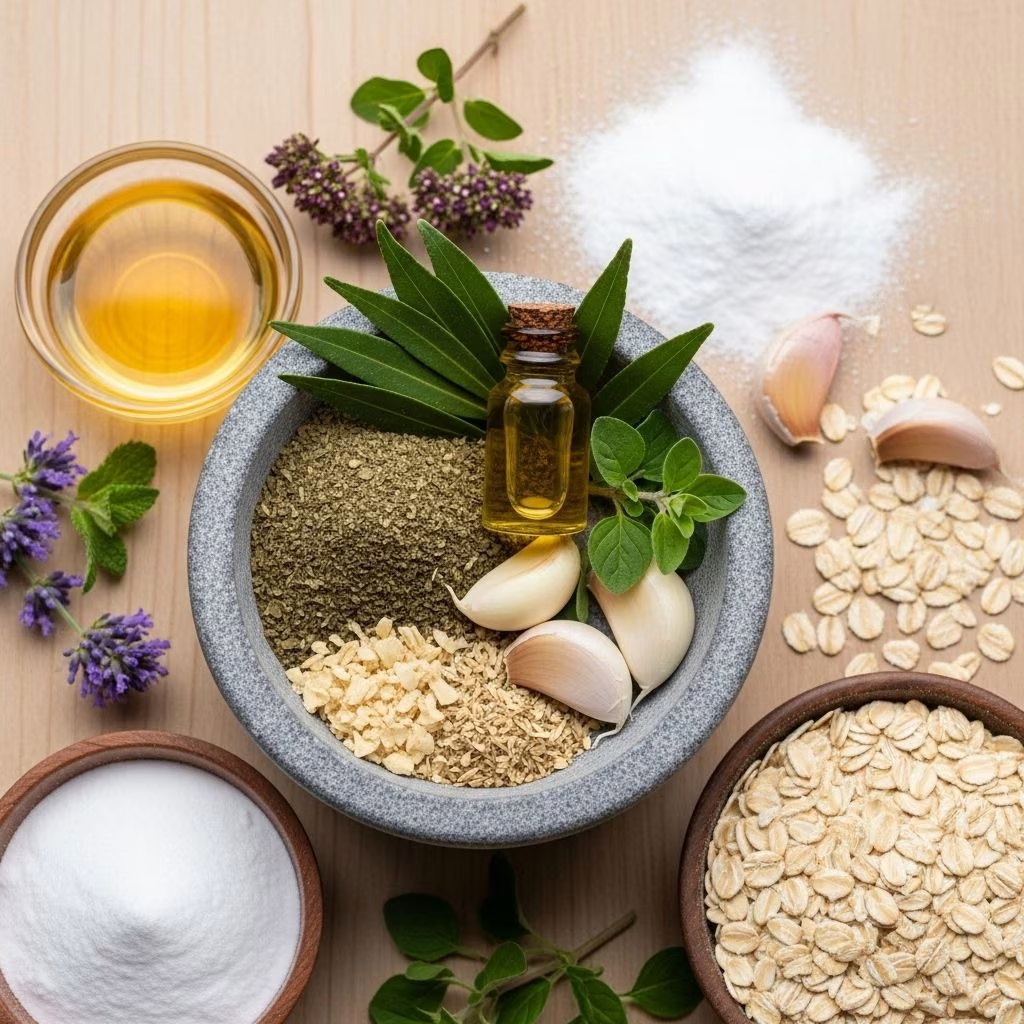
6 Natural Remedies for Athlete’s Foot: Effective Solutions for Healthy Feet
Athlete’s foot is a common fungal infection that causes itching, burning, cracked skin, and discomfort, frequently affecting athletes but impacting people from all walks of life. While over-the-counter and prescription antifungal medications are reliable therapies, many individuals seek natural remedies to soothe symptoms and expedite healing. This article outlines six evidence-informed remedies, the science behind them, and expert advice to keep your feet healthy and fungus-free.
What is Athlete’s Foot?
Athlete’s foot (tinea pedis) is caused by dermatophyte fungi that thrive in warm, moist conditions such as between the toes or on the soles of the feet. Key symptoms include:
- Itching, stinging, or burning sensations—especially between the toes
- Redness, scaling, or peeling skin
- Blistering or cracked skin
- Foot odor
The infection spreads easily in public showers, gyms, locker rooms, swimming pool facilities, and on contaminated surfaces or footwear. If left untreated, it can lead to complications such as secondary bacterial infections.
Why Choose Natural Remedies?
Home and natural remedies can help relieve symptoms, prevent recurrence, and promote healing, often using simple ingredients found in most households. While they may not replace standard antifungal medications—especially for severe or persistent cases—they offer affordable, accessible support when used correctly. Consult a healthcare provider if symptoms do not improve after several weeks of home treatment or if the infection spreads rapidly.
1. Tea Tree Oil
Tea tree oil (Melaleuca alternifolia) is extracted from the leaves of the Australian tea tree and is renowned for its antifungal and antibacterial properties. Several studies support its use in managing athlete’s foot:
- In a randomized trial, up to 70% of people using tea tree oil experienced symptom improvement after four weeks, compared to 39% using a placebo.
- The oil can soothe itching and reduce inflammatory symptoms.
How to use tea tree oil:
- Mix a few drops of tea tree oil with a carrier oil (like coconut or olive oil) to dilute its potency.
- Apply to clean, dry feet—pay special attention to the spaces between the toes—once or twice daily.
- Continue the application until several days after the symptoms resolve.
- Discontinue if you experience skin irritation, rashes, or increased discomfort.
Note: Undiluted tea tree oil is potent and may irritate sensitive skin. Commercial tea tree oil creams or foot soaks are available as alternatives.
2. Apple Cider Vinegar
Apple cider vinegar helps create an acidic environment that is inhospitable to fungi, aiding in the elimination of athlete’s foot. It also helps restore the skin’s natural pH, potentially speeding recovery.
How to use apple cider vinegar:
- Mix equal parts apple cider vinegar and warm water.
- Soak your feet for 15-20 minutes daily.
- After soaking, dry your feet thoroughly, especially between the toes.
Tip: You can use this soak to reduce itching, inflammation, and odor, but avoid it on broken or cracked skin due to potential irritation.
3. Baking Soda
Baking soda (sodium bicarbonate) is valued for its ability to absorb excess moisture, neutralize odor, and create a less favorable environment for fungal growth.
How to use baking soda:
- Sprinkle baking soda on feet and inside shoes to absorb dampness and odor throughout the day.
- For a paste: mix baking soda with a small amount of water and apply to affected areas. Allow it to dry and rinse off after 15–20 minutes.
- Alternatively, dissolve half a cup of baking soda in a basin of warm water and soak feet for 20 minutes, twice daily. Do not rinse after soaking; simply pat dry.
Note: Baking soda can help prevent new infections when used regularly as part of your hygiene routine.
4. Garlic
Garlic contains allicin—a sulfur-containing compound famed for its strong antifungal and antimicrobial actions. In studies, garlic extracts have demonstrated activity against dermatophytes responsible for athlete’s foot.
How to use garlic:
- Crush two to three cloves of fresh garlic to form a paste.
- Apply the paste to the affected area and let sit for 20–30 minutes.
- Rinse thoroughly and dry your feet.
- Repeat daily for up to two weeks or until symptoms improve.
Warning: Garlic paste is potent and may cause skin burns or irritation in some people. Test a small area first and dilute with olive oil to reduce intensity if needed. Discontinue immediately if redness or discomfort occurs.
5. Coconut Oil
Coconut oil contains medium-chain fatty acids, including lauric acid, which have antifungal and soothing properties. It may help inhibit the growth of dermatophytes and can be safely applied to irritated or dry skin.
How to use coconut oil:
- After thoroughly washing and drying your feet, gently massage coconut oil onto affected areas and between toes.
- Use two to three times daily as needed for moisture and comfort.
- For an extra boost, mix a few drops of tea tree oil with coconut oil before applying.
Benefit: Coconut oil’s emollient nature not only provides antifungal effects but helps repair cracked, peeling skin.
6. Epsom Salt Soak
Epsom salt soaks may not directly kill fungus, but soaking feet in a warm Epsom salt solution can help draw out moisture, reduce inflammation, and relieve discomfort. This simple process can complement other remedies.
How to prepare an Epsom salt soak:
- Add one cup of Epsom salt to a basin of warm water.
- Soak your feet for 20–30 minutes, once daily.
- Afterwards, dry feet thoroughly and avoid walking barefoot on damp floors.
Note: The relaxing properties of Epsom salt soaks can ease soreness after sports or daily activities, making it a beneficial adjunct for athletes.
Essential Prevention and Foot Care Tips
Treating athlete’s foot naturally works best when combined with strict hygiene and preventive practices. To minimize recurrence or spread:
- Keep feet clean and dry: Wash with soap twice daily. Dry thoroughly, especially between toes.
- Change socks daily: Use moisture-wicking, breathable socks and rotate footwear to let shoes fully dry.
- Wear shower sandals: Use flip-flops in communal showers, pools, and gym locker rooms.
- Disinfect shoes: Use antifungal sprays or powders inside shoes to decrease fungal spores.
- Avoid sharing towels or shoes: Fungi can spread via contaminated personal items.
For existing infections, avoid scratching, peeling, or picking the skin, as this may facilitate secondary bacterial infections and worsen symptoms.
When to See a Healthcare Professional
While most mild cases respond to home remedies, seek medical advice if:
- Symptoms persist after several weeks of home treatment
- There is severe redness, pain, or swelling
- You notice pus, oozing, or signs of secondary infection
- The infection spreads beyond the feet or affects nails
- You have diabetes or a weakened immune system
A podiatrist or primary care doctor can recommend topical or oral antifungals for more aggressive or stubborn cases.
Frequently Asked Questions (FAQs)
Q: Are natural home remedies effective for athlete’s foot?
A: Mild cases of athlete’s foot may improve with consistent use of natural remedies and strong hygiene. However, medical treatments are often more effective, especially for persistent or severe infections. Consult a professional if symptoms do not improve within two weeks.
Q: Can tea tree oil be applied directly to skin?
A: Tea tree oil should be diluted in a carrier oil before use to reduce risk of irritation. Pure tea tree oil can sometimes cause redness, burning, or rashes.
Q: How can I prevent athlete’s foot from coming back?
A: Maintain strict foot hygiene, wear clean socks, disinfect shoes, and avoid walking barefoot in communal areas. Use antifungal powders if you sweat heavily.
Q: Is it safe to use garlic on broken skin?
A: No, garlic can cause irritation or even burns, especially on cracked or raw skin. Use with caution and stop immediately if discomfort occurs.
Q: When should I seek medical attention for athlete’s foot?
A: See a doctor if your symptoms are worsening, do not improve with home remedies, or if you have signs of bacterial infection such as increased redness, swelling, pain, or pus.
Remedy Comparison Table
| Remedy | Primary Benefit | Main Drawback |
|---|---|---|
| Tea Tree Oil | Strong antifungal activity, relieves itching | May irritate sensitive skin if undiluted |
| Apple Cider Vinegar | Cleansing, pH balancing, easy soak | Can sting on broken skin |
| Baking Soda | Absorbs moisture, reduces odor | Limited direct antifungal effect |
| Garlic | Potent antifungal compound (allicin) | May burn or irritate skin |
| Coconut Oil | Moisturizes, mild antifungal | May be too gentle for severe infections |
| Epsom Salt Soak | Reduces inflammation, relaxing | Does not kill fungus directly |
Final Thoughts
Natural and home remedies can play a helpful role in relieving mild athlete’s foot symptoms, especially when paired with careful foot hygiene and preventive steps. Remedies such as tea tree oil, apple cider vinegar, and baking soda are easy to find and use, but always monitor for irritation or allergic reactions. For unresponsive, severe, or spreading cases, seek timely medical help to avoid complications and achieve lasting comfort.
References
- https://essexunionpodiatry.com/5-natural-remedies-to-treat-athletes-foot-at-home-according-to-podiatrists/
- https://www.footandanklecentersofsj.com/blog/top-10-foot-fungus-home-remedies-that-actually-work
- https://www.medicalnewstoday.com/articles/319563
- https://www.goodrx.com/conditions/athletes-foot/athletes-foot-otc-home-treatment
- https://health.clevelandclinic.org/home-remedies-for-athletes-foot
- https://ankleandfootcenters.com/how-to-get-rid-of-athletes-foot/
- https://www.ncbi.nlm.nih.gov/books/NBK279548/
- https://www.mayoclinic.org/diseases-conditions/athletes-foot/diagnosis-treatment/drc-20353847


