


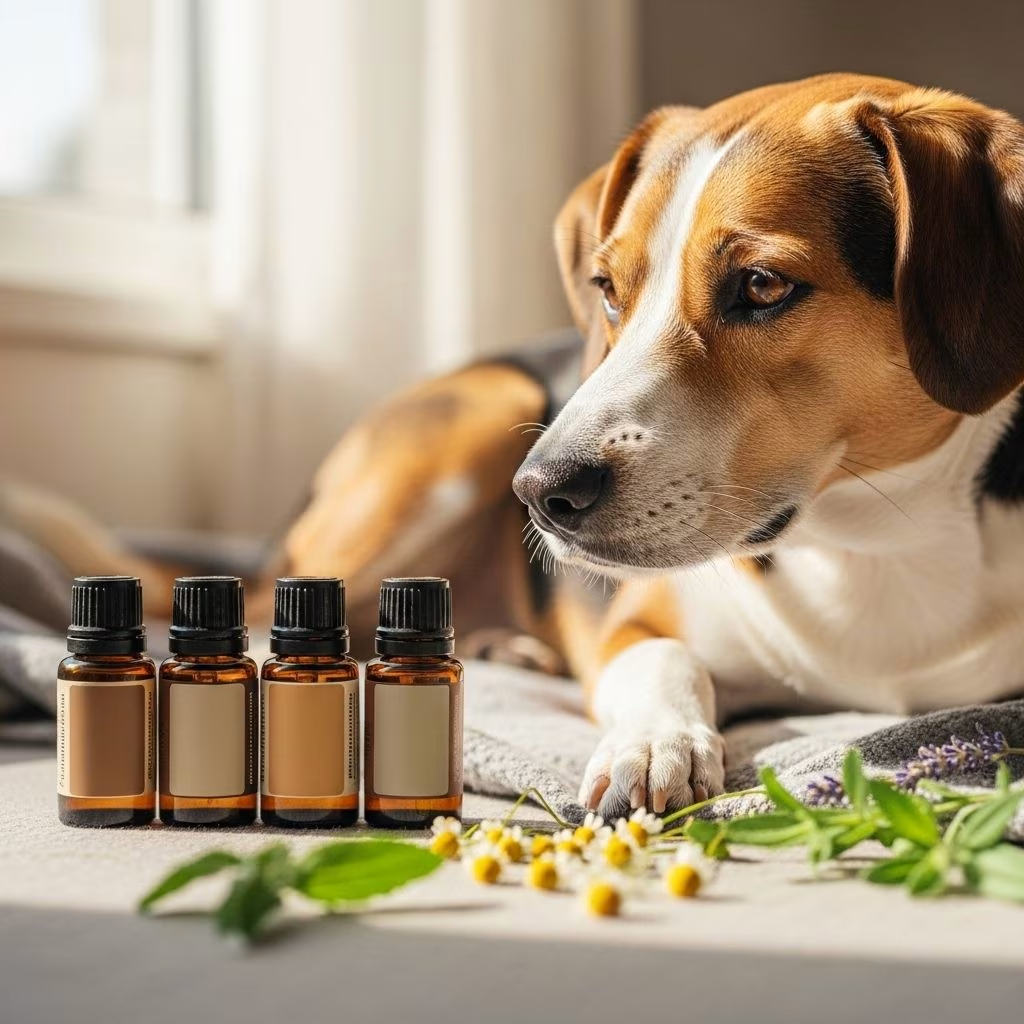
Introduction to Essential Oils for Dogs
Essential oils have become increasingly popular for their potential health benefits in humans, but they can also have applications for pets. However, not all essential oils are safe for dogs. In fact, some oils are highly toxic and should be avoided. Here, we explore the essential oils that are considered safe for dogs and provide guidance on how to use them safely.
7 Essential Oils Safe for Dogs
When used correctly, certain essential oils can offer natural remedies for common health issues in dogs. These oils must be used with caution, as even safe oils can cause skin irritation or other adverse reactions if not properly diluted or applied.
– Lavender Oil: Known for its calming properties, lavender oil can help reduce anxiety and stress in dogs.- Chamomile Oil: Like lavender, chamomile is soothing and can aid in calming your dog.- Myrrh Oil: Myrrh has anti-inflammatory properties and can be beneficial for skin issues.- Ginger Oil: Ginger oil may help with digestive issues and can be used to soothe nausea.- Rosemary Oil: It is believed to improve circulation and may help with cognitive function.- Bergamot Oil: Known for its citrus scent, bergamot oil can help reduce anxiety and stress.- Frankincense Oil: This oil is often used for its anti-inflammatory effects and can help soothe skin irritations.
Essential Considerations When Using Essential Oils for Dogs
While certain essential oils are considered safe for dogs, there are important considerations to keep in mind to ensure their safe use.
1. Consult Your Veterinarian
Before introducing any essential oil into your dog’s routine, consult with your veterinarian. This is crucial, especially if your dog has a medical condition or is taking medication.
2. Dilute Essential Oils
Always dilute essential oils with a carrier oil like almond or jojoba oil. This helps prevent skin irritation and ensures safe application.
3. Use Therapeutic-Grade Oils
Therapeutic-grade essential oils are safer and more effective for dogs than other types. They are formulated to ensure purity and potency.
4. Avoid Sensitive Areas
Never apply essential oils to your dog’s eyes, nose, or mouth, as these areas are highly sensitive and can cause adverse reactions.
5. Start with Small Amounts
Begin with a very small amount of essential oil on a limited area of your dog’s skin to check for any potential reactions before using it more broadly.
6. Supervise Use
Never leave your dog unattended when using essential oils. Monitor their behavior and reactions closely.
7. Ensure Good Ventilation
Ensure the area where you are using essential oils is well-ventilated to prevent inhalation of concentrated vapors.
Toxic Essential Oils for Dogs
As important as it is to know which oils are safe, it’s equally crucial to be aware of the oils that are toxic to dogs. These oils should be avoided at all costs.
– Tea Tree Oil (Melaleuca alternifolia): Highly toxic if ingested; may cause vomiting, diarrhea, and liver failure.- Clove Oil (Eugenia caryophyllata): Contains eugenol, which is highly toxic to dogs.- Wintergreen Oil (Gaultheria procumbens): Contains methyl salicylate, which can be toxic.- Pine Oil (Pinus sylvestris): Contains phenols, which are highly toxic.- Eucalyptus Oil: Can cause drooling, vomiting, and seizures if ingested.- Cinnamon Oil (Cinnamomum zeylanicum): Highly irritating and toxic.- Peppermint Oil: Contains menthol, which can be toxic if ingested.
Frequently Asked Questions (FAQs)
Q: Can I apply essential oils directly to my dog’s coat?
A: No, never apply essential oils directly to your dog’s coat. Always dilute them with a carrier oil and consult with a veterinarian before use.
Q: How do I know if my dog is reacting adversely to an essential oil?
A: Signs of an adverse reaction include skin irritation, vomiting, diarrhea, and respiratory distress. If you notice any of these symptoms, discontinue use immediately and consult a veterinarian.
Q: Can essential oils help with flea and tick control for dogs?
A: While some essential oils like cedarwood and lemongrass may help repel pests, they should not be relied upon as the sole method of flea and tick control. Always consult with a veterinarian for the best flea and tick prevention strategies.
Conclusion
Essential oils can be a valuable addition to your dog’s health regimen when used correctly and with caution. Always prioritize consulting with a veterinarian and follow proper application guidelines to ensure the well-being of your pet.
References
- https://pawpurity.com/blogs/dog-health/toxic-essential-oils-for-dogs
- https://www.petmd.com/dog/general-health/are-essential-oils-safe-for-dogs
- https://pawpurity.com/blogs/dog-health/7-essential-oils-safe-for-dogs
- https://pawpurity.com
- https://pawpurity.com/blogs/dog-health/is-tea-tree-oil-toxic-to-dogs
- https://www.actonvetgroup.com/services/blog/sniffing-out-truth-essential-oil-safety-pets
- https://pawpurity.com/blogs/flea-tick-protection/flea-tick-shampoo-for-dogs-with-sensitive-skin
- https://independenceveterinaryclinic.com/the-hidden-dangers-to-your-pets-from-essential-oils/
- https://pawpurity.com/blogs/cat-health-care/don-t-put-these-essential-oils-near-your-cats


