


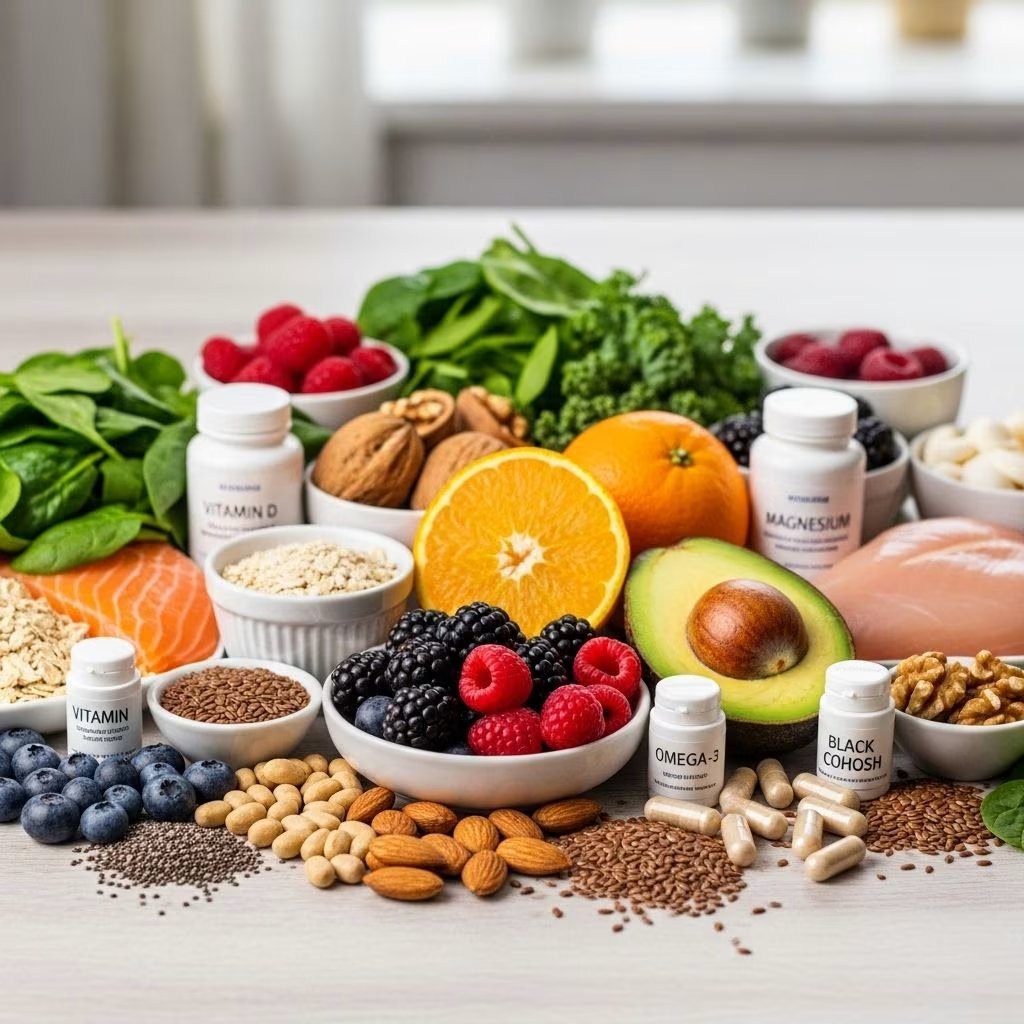
Introduction
Menopause is a natural biological transition marking the end of a woman’s reproductive years, typically occurring between the ages of 45 and 55. While it’s a universal experience, the symptoms—ranging from hot flashes and mood swings to sleep disturbances and skin changes—vary widely among women. Nutrition plays a crucial role in managing these symptoms and supporting overall health during this stage of life. This article reviews the best foods and supplements for menopause, providing evidence-based guidance for hormonal balance, symptom relief, and long-term wellbeing.
Foods That Help Balance Hormones
Diet can significantly influence hormone levels and alleviate many menopausal symptoms. Certain foods are especially beneficial due to their nutrient profiles and phytoestrogen content.
Radishes
Radishes are rich in silica, a mineral essential for collagen production. Collagen is vital for maintaining healthy hair, skin, and nails—areas often affected during menopause. Including radishes in your diet may help combat menopausal acne and maintain skin elasticity.
Phytoestrogen-Rich Foods
Phytoestrogens are plant compounds that mimic estrogen in the body. Since estrogen levels drop during menopause, consuming these foods may help ease symptoms such as hot flashes, vaginal dryness, and mood swings. Excellent sources include:
- Edamame beans: A versatile soy product rich in isoflavones.
- Linseeds (flaxseeds): High in lignans, a type of phytoestrogen.
- Sesame seeds: Contain both lignans and healthy fats.
- Broccoli, cauliflower, and cabbage: Cruciferous vegetables with beneficial compounds for hormonal health.
Berries
Berries are antioxidant powerhouses, helping to combat oxidative stress and inflammation. Studies suggest that blueberries, in particular, may reduce cognitive fatigue—a common complaint during menopause. Incorporating a variety of berries into your diet supports brain health and may help with “brain fog.”
Complex Carbohydrates
Whole grains and green vegetables are excellent sources of complex carbohydrates. They provide sustained energy, support hair health, and help regulate blood sugar. Avoiding extreme low-carb diets is advised, as energy deficits can negatively affect hair cell production.
Essential Fats
Healthy fats are crucial for hormone synthesis, skin health, joint support, and cardiovascular function. Sources include:
- Oily fish: Sardines, mackerel, anchovies, salmon, herring, and trout.
- Plant-based fats: Olives, olive oil, avocados, nuts, and seeds.
A Rainbow of Vegetables
Eating a wide variety of colorful vegetables ensures a broad spectrum of vitamins, minerals, and phyto-nutrients. This diversity supports overall health, reduces sugar cravings, and promotes skin vitality—benefits that are valuable at any age, but especially during menopause.
Healthy Habits for Menopause
Beyond specific foods, adopting certain dietary habits can have a profound impact on menopausal health.
High-Fiber Foods
Fiber is essential for digestive health, weight management, blood sugar control, and heart health. Menopausal women often experience digestive changes, making fiber even more important. Foods like whole grains, legumes, fruits, and vegetables can help relieve hot flashes and support metabolic health.
Whole Grains
Whole grains such as brown rice, whole wheat bread, oats, quinoa, and rye are high in fiber and B vitamins. Research links whole grain consumption to a lower risk of heart disease, cancer, and premature death in postmenopausal women.
Protein Intake
Protein supports muscle maintenance, which is vital as muscle mass naturally declines with age. Including adequate protein—from both animal and plant sources—helps preserve strength and supports healthy aging.
Vitamin K-Rich Foods
Vitamin K, found in leafy greens, soybeans, and some dairy products, supports bone health. Postmenopausal women are at higher risk for osteoporosis, making vitamin K an important nutrient for fracture prevention.
Key Supplements for Menopause
While a balanced diet is foundational, certain supplements may offer additional support during menopause.
Calcium
Calcium is critical for bone health. Postmenopausal women are at increased risk for osteoporosis, so ensuring adequate calcium intake—through diet or supplements—is essential for maintaining bone density and reducing fracture risk.
Magnesium
Magnesium levels often decline during menopause, contributing to symptoms like hot flashes, mood swings, and sleep disturbances. Supplementing with magnesium may help alleviate these issues. Consult your healthcare provider to determine the best form and dosage for your needs.
Evening Primrose Oil
Evening primrose oil contains gamma-linolenic acid (GLA), which has anti-inflammatory properties. It may help alleviate breast tenderness, regulate hormones, and improve skin health during perimenopause.
Pycnogenol
Derived from French maritime pine bark, pycnogenol is rich in antioxidants. Some studies suggest it may reduce the frequency and severity of hot flashes and night sweats when taken regularly.
Foods and Nutrients to Include Daily
To support menopausal health, aim to incorporate the following into your daily diet:
| Food Group | Examples | Key Benefits |
|---|---|---|
| Phytoestrogen-rich foods | Edamame, flaxseeds, sesame seeds, soy products | Help balance hormones, reduce hot flashes |
| Antioxidant-rich foods | Berries, colorful vegetables | Support skin, brain, and overall health |
| Healthy fats | Oily fish, nuts, seeds, olive oil | Support heart, skin, and joint health |
| Whole grains | Brown rice, oats, quinoa | Provide fiber, B vitamins, sustained energy |
| Protein sources | Lean meats, legumes, dairy, tofu | Maintain muscle mass, support metabolism |
Foods and Habits to Avoid
Certain dietary choices can exacerbate menopausal symptoms or increase health risks:
- Refined sugars and processed foods: These can trigger blood sugar spikes and worsen mood swings and weight gain.
- Excessive caffeine and alcohol: Both can disrupt sleep and exacerbate hot flashes.
- High-sodium foods: Excess salt can contribute to high blood pressure and bloating.
- Saturated and trans fats: These can negatively impact heart health, which is already a concern during menopause.
Lifestyle Tips for Menopausal Health
Nutrition is just one piece of the puzzle. A holistic approach includes:
- Regular exercise: Supports bone density, muscle mass, mood, and cardiovascular health.
- Stress management: Practices like yoga, meditation, or mindfulness can help reduce anxiety and improve sleep.
- Adequate sleep: Prioritize good sleep hygiene to combat insomnia, a common menopausal symptom.
- Hydration: Drinking plenty of water supports skin health, digestion, and overall vitality.
Comparing Supplements and Food Sources
While supplements can fill nutritional gaps, whole foods generally offer broader benefits due to their complex nutrient profiles and fiber content. Whenever possible, prioritize a varied, whole-foods diet. Supplements should be considered under the guidance of a healthcare provider, especially for nutrients like calcium and magnesium, where excess intake can have adverse effects.
Frequently Asked Questions (FAQs)
What are phytoestrogens, and how do they help during menopause?
Phytoestrogens are plant-derived compounds that mimic estrogen in the body. They may help alleviate menopausal symptoms such as hot flashes and vaginal dryness by providing a mild estrogenic effect when natural estrogen levels decline.
Can diet really reduce hot flashes?
While individual responses vary, a diet rich in phytoestrogens, healthy fats, and fiber may help reduce the frequency and severity of hot flashes for some women. Avoiding triggers like caffeine, alcohol, and spicy foods can also be beneficial.
Are supplements necessary during menopause?
Supplements can be helpful if dietary intake is insufficient, especially for nutrients like calcium, magnesium, and vitamin D. However, a balanced diet should always be the foundation. Consult your healthcare provider before starting any new supplement regimen.
How much protein do I need during menopause?
Aim for 0.8–1.2 grams of protein per kilogram of body weight per day. Adequate protein supports muscle maintenance, metabolism, and overall health as you age.
What are the best sources of healthy fats for menopausal women?
Oily fish (salmon, mackerel, sardines), nuts, seeds, avocados, and olive oil are excellent sources of omega-3 and monounsaturated fats, which support heart, skin, and joint health.
Key Takeaways
- Menopause is a natural transition, but nutrition can significantly influence symptom severity and long-term health.
- Phytoestrogen-rich foods, antioxidants, healthy fats, and whole grains form the foundation of a menopause-friendly diet.
- Supplements like calcium, magnesium, evening primrose oil, and pycnogenol may offer additional support for some women.
- Avoid refined sugars, excess caffeine, alcohol, and high-sodium foods to minimize symptom flare-ups.
- Lifestyle factors—exercise, stress management, sleep, and hydration—are equally important for managing menopause.
- Always consult a healthcare professional before making significant dietary changes or starting new supplements.
Conclusion
Navigating menopause with confidence and vitality is possible with the right nutritional strategies. By focusing on hormone-balancing foods, key nutrients, and healthy lifestyle habits, women can reduce symptoms, protect their long-term health, and embrace this new chapter with energy and resilience.
References
- https://www.womanandhome.com/health-and-wellbeing/the-best-foods-and-supplements-for-the-menopause-86180/
- https://www.womanandhome.com/health-wellbeing/healthy-habits-menopause/
- https://www.health.harvard.edu/womens-health/menopause-supplements-effective-relief-or-empty-promises
- https://pmc.ncbi.nlm.nih.gov/articles/PMC1764641/
- https://www.youtube.com/watch?v=05qfMQnkq-A
- https://pmc.ncbi.nlm.nih.gov/articles/PMC10780928/
- https://womaness.com/blogs/blog/what-are-the-best-supplements-to-take-in-perimenopause-and-menopause
- https://www.uclahealth.org/news/article/menopausal-woman-drinks-soy-milk-ease-hot-flashes
- https://www.thorne.com/products/dp/menopause-bun028


