


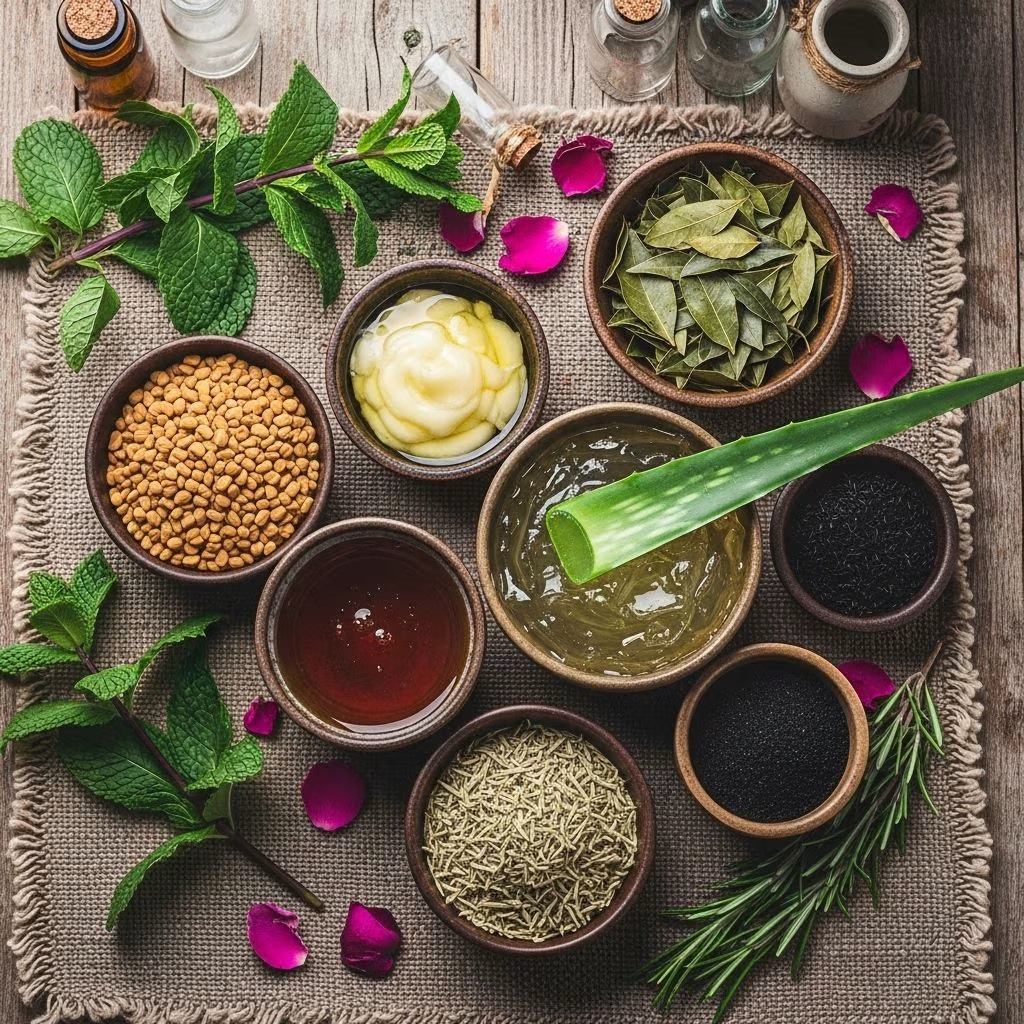
7 Timeless Hair Remedies Arab Grandmas Swear By
Throughout the Arab world, radiant, strong hair is synonymous with health, beauty, and tradition. Generations of Arab women have relied on natural remedies, often passed down from mother to daughter, that nurture hair from root to tip. Even as commercial products flood the market, the wisdom and effectiveness of these time-honored treatments remain unmatched.
From household staples to rare botanicals, each remedy carries its own story and unique benefits. Let’s explore seven iconic hair remedies Arab grandmothers depend on for glossy, lush hair—and find out how you can use them in your own routine today.
Olive Oil: The Golden Elixir
Olive oil is an essential household ingredient across the Arab world, treasured for its restorative powers on hair and skin.
Rich in antioxidants, vitamins A and E, and healthy fatty acids, olive oil deeply nourishes dry, brittle hair, restores lost moisture, and guards against damage caused by pollution and heat styling.
- Moisturizes dry hair: Penetrates the shaft to hydrate and smooth split ends.
- Improves blood circulation: Massaging olive oil into the scalp boosts blood flow, stimulating follicles and encouraging growth.
- Fights dandruff: Its anti-inflammatory properties soothe the scalp, reducing itchiness and flakes.
How to use: Warm 2-3 tablespoons of extra virgin olive oil and massage onto the scalp. Leave for 1-2 hours or overnight for intense nourishment. Rinse thoroughly with a gentle shampoo.
Henna: Nature’s Conditioner and Color
Henna has beautified the hair of Arab women for centuries—not just as a natural dye for deep, vibrant color but also as a strengthening treatment. Made from the dried leaves of the Lawsonia inermis shrub, henna forms a protective coating on hair strands, locking in moisture and repairing damage.
- Thickens hair: Henna’s natural proteins strengthen hair shafts for fuller locks.
- Enhances shine: It smooths out cuticles, lending a glossy sheen that lasts.
- Soothes scalp: Antimicrobial qualities reduce irritation and dandruff.
- Gives a rich tint: Henna imparts a warm red-brown hue that deepens dark hair and blends gracefully with grays.
How to use: Mix henna powder with water (or a touch of lemon juice for enhanced dye release). Let the mixture rest for 2-8 hours, then apply the paste to clean hair. Leave on for 1-4 hours, rinse out, and enjoy more resistant, vibrant hair.
Almond Oil: Deep Nutrition for Silky Strands
Known as the Middle East’s all-natural hair serum, almond oil is rich in magnesium, vitamins E and D, and essential fatty acids that nourish and fortify hair. Grandmothers recommend it for soothing dry, sensitive scalps and repairing heat-damaged or chemically treated locks.
- Protects against breakage: Regular application reduces split ends and brittleness.
- Enhances softness: Almond oil’s emollient texture leaves hair silky and easy to manage.
- Adds brilliant shine: Helps revitalize lackluster hair by coating strands with a gentle, glossy finish.
How to use: Warm 1-2 tablespoons of almond oil, massage into the scalp and distribute throughout hair, then wrap in a warm towel for an hour before rinsing.
Black Seed Oil: The Legendary Seeds of Blessings
Black seed, or nigella sativa, is revered in Arab folklore as the “seed of blessings.” For generations, its oil has worked wonders unlocking natural softness and resilience in hair. Packed with amino acids, minerals, and healthy fats, black seed oil fortifies roots from within.
- Reduces hair loss: The oil’s unique active compounds—thymoquinone and nigellone—may inhibit shedding and stimulate regrowth.
- Strengthens strands: Deeply nourishes follicles, supporting overall hair health.
- Adds softness and shine: Black seed oil’s emollient properties result in touchably soft, lustrous hair.
How to use: Blend a few drops of black seed oil with your favorite carrier oil. Massage into the scalp, leave on for 30-60 minutes, then shampoo.
Ghergir (Arugula): Leafy Strength
Ghergir, also known as arugula or rocket, isn’t just a peppery salad ingredient—it’s a mainstay of Arab hair remedies. Used in oil-infused scalp treatments, its nutrients and antioxidants have been valued for stimulating microcirculation to each follicle.
- Nourishes roots: Provides hair-strengthening minerals and vitamins.
- Encourages thick, strong hair: Ghergir’s high sulfur content may help curb shedding and improve hair density.
- Improves scalp health: Promotes a balanced scalp environment conducive to growth.
How to use: Ghergir-infused oil is often massaged into the scalp twice weekly, left for at least one hour, and rinsed for optimal benefits.
Garlic: A Potent Defense Against Hair-Fall
Garlic has long been celebrated as a powerhouse for scalp therapy. Its antimicrobial and antifungal compounds keep the scalp free of harmful microbes that block follicles and trigger hair loss. Arab grandmothers mix crushed garlic cloves or garlic oil with carrier oils for targeted hair masks.
- Prevents hair loss: Garlic improves blood circulation and delivers essential nutrients to the hair roots.
- Stimulates new growth: Its high vitamin C content boosts collagen production, vital for healthy strands.
- Combats dandruff and flakiness: Garlic’s natural allicin addresses scalp irritation and infection.
How to use: Crush 2-3 garlic cloves and mix with olive oil. Massage into the scalp, leave for 20-30 minutes, then rinse thoroughly to avoid lingering odor.
Other Heritage Remedies in Arab Hair Care
- Sugar Wax (Halwa): While mainly employed for hair removal, sugar waxing is traditional in the region and may contribute to smoother skin under the hairline.
- Hammam Rituals: Moroccan-style baths involve steamy treatments and exfoliation, which may benefit scalp health and support hair growth.
- Rose Water: Often used as a finishing rinse, this ingredient calms scalp inflammation and imparts subtle fragrance.
Traditional Methods vs. Modern Products
| Remedy | Traditional Advantages | Modern Products |
|---|---|---|
| Olive Oil | Pure, nourishing, boosts scalp health, easy availability | Often diluted, includes additives and fragrances |
| Henna | Natural color, strengthens, soothes scalp | Chemical dyes may damage hair, irritate scalp |
| Black Seed Oil | Multi-purpose, strengthens, reduces shedding | Synthetic oils lack nutrients, may cause buildup |
| Almond Oil | Lightweight, absorbs quickly, improves texture | Often mixed with other less beneficial oils |
Frequently Asked Questions (FAQs)
Q: How often should I use these Arab hair remedies?
A: Consistency is key. Most traditional remedies, such as oil masks, can be used 1-2 times per week for best results.
Q: Will olive oil make my hair greasy?
A: Apply olive oil sparsely and shampoo thoroughly afterwards. When used correctly, it leaves hair soft rather than oily.
Q: Is henna safe for chemically-treated hair?
A: Generally, henna is safe for most hair types, but always test a small strand first, especially if you have color-treated hair.
Q: Can garlic really reduce hair loss?
A: Yes, garlic’s antimicrobial and nutrient properties can help, but its strong odor means it’s best blended with other ingredients.
Q: Are these remedies suitable for all hair types?
A: Most of these remedies are versatile and beneficial for different hair textures, but tailor your routine to your scalp’s sensitivity and hair’s specific needs.
Tips for Maximizing Results
- Use only high-quality, natural oils and powders for your remedies.
- Perform a patch test to reduce the risk of allergic reactions.
- Massage your scalp gently for 5-10 minutes to improve circulation.
- Wrap hair in a warm towel or shower cap after applying treatments to boost absorption.
- Pair regular hair treatments with a balanced diet for holistic benefits.
Conclusion
Arab hair remedies are more than just beauty aids; they are cultural treasures rooted in centuries of holistic self-care. From the nourishing properties of olive and almond oils to the strengthening benefits of henna and black seed, each ingredient plays a role in creating radiant, resilient hair. By incorporating these traditional practices into your routine, you honor both your hair and a rich heritage—one lush strand at a time.
References
- https://emirateswoman.com/natural-hair-remedies-arab-women-swear-by/
- https://www.youtube.com/watch?v=y2qp0lWCoDM
- https://kuwaittimes.com/article/20611/lifestyle/art-fashion/hidden-arab-beauty-secrets-herbal-remedies-for-better-hair-and-a-stunning-complexion/
- https://joussourtooman.com/arabic-beauty-rituals/


